
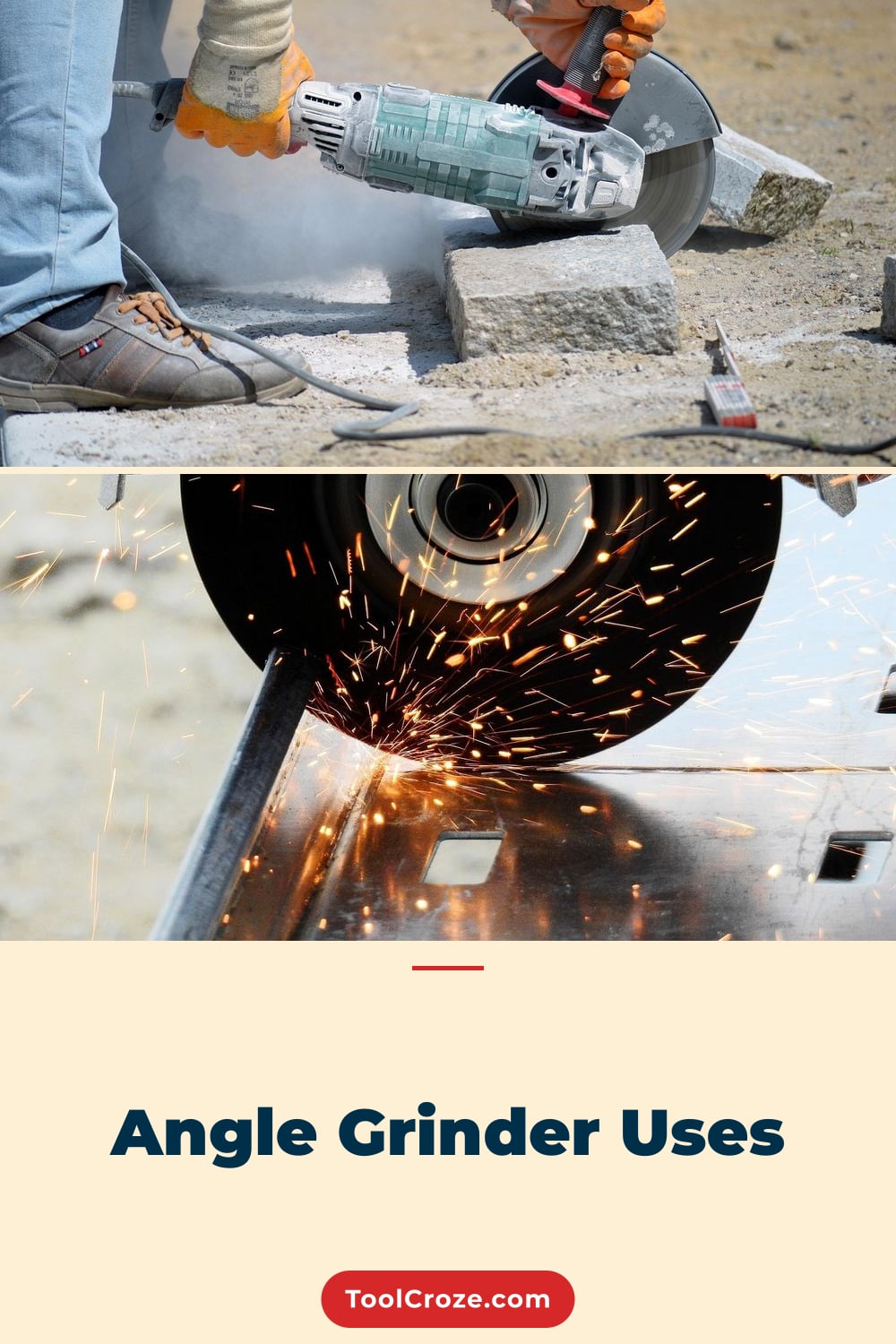
An angle grinder is an tool that may sit in the corner of the garage for a long time. However, the angle grinder will eventually become a tool that a person will find themselfes dependent upon. A person that owns an angle grinder can complete projects that would have once taken many hour in a matter of many minutes.
Additionally, the person themselves will be able to complete jobs that would have otherwise required hiring a professional on a Saturday afternoon. In order to take full advantage of the angle grinder, though, a person must understands the tool’s capabilities and know when to use it instead of another tool. With an understanding of how to use an angle grinder, it transform from an intimidating tool into an ally to the DIY enthusiast.
The following is a list of the most common ways to use an angle grinder. Each use is explained with context because context is what makes a big difference in whether or not a person has to go to the hardware store for more material. One of the most common uses for an angle grinder is to cut through metal stock.
Common Ways to Use an Angle Grinder
1. Cutting Through Metal Stock
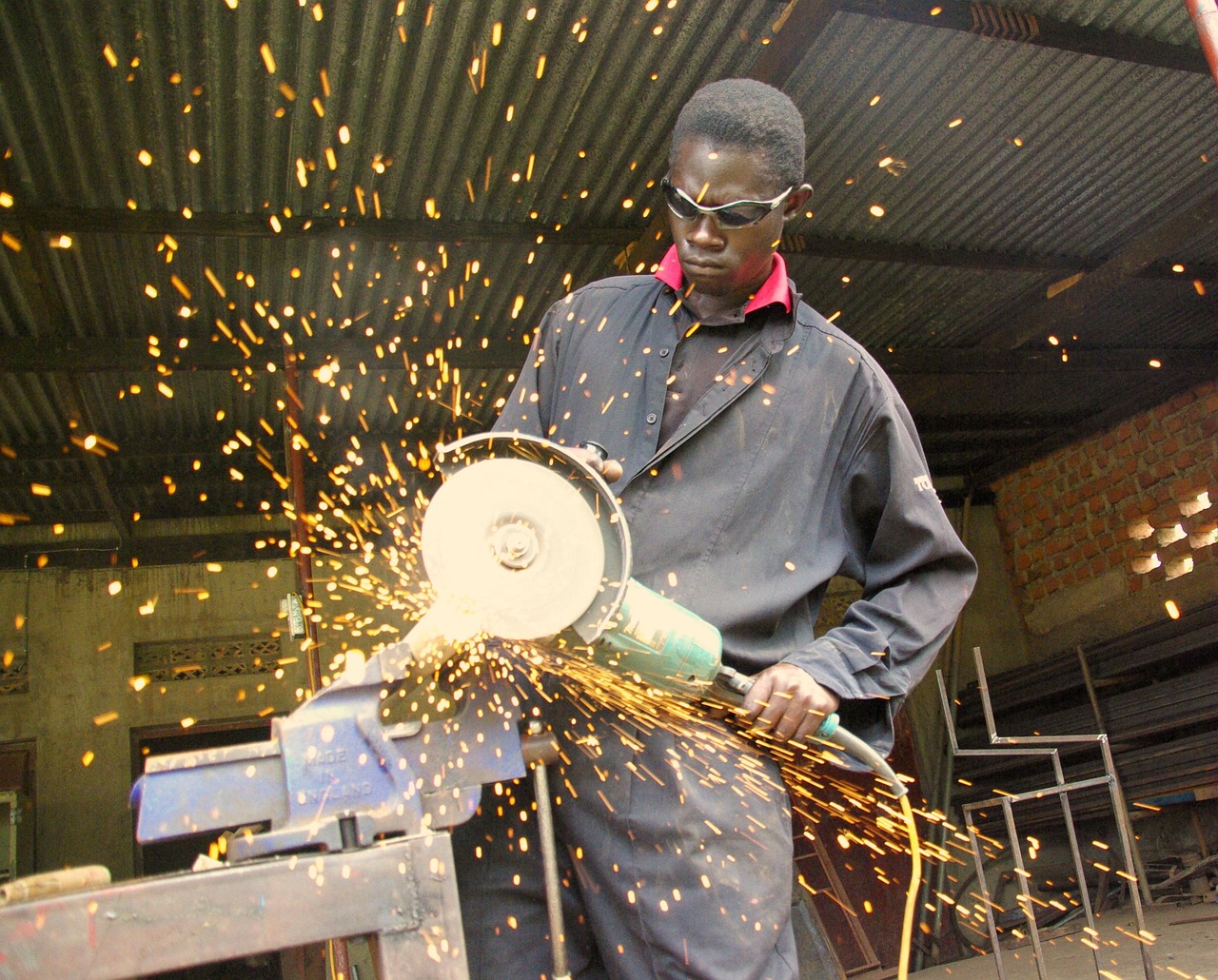
Whether it’s rebar, metal pipe or angle iron, a person can use a thin cutoff wheel attached to a four and a half inch angle grinder. Because a thin cutoff wheel will cut through metal at a much faster rate then a hacksaw blade, a hacksaw blade would be ruined in a matter of minutes using that metal. The angle grinder’s blades work by abrading the metal instead of cutting it.
Metal abrading produce showers of sparks. Because of these sparks, a person using an angle grinder must wear eye protection and a heavy glove on the hand not holding the angle grinder. Additionally, a person should never force an angle grinder.
If a person leans too heavily on the angle grinder, the metal disc can become stuck in the metal, the metal disc may even kick back against the person, or the disc may disintegrate. However, with a light touch and steady pressure on the metal, a person will achieve a clean cut that require almost no further cleaning. Another of the most common uses for an angle grinder is to grind down welds.
2. Grinding Down Welds
When a person creates a weld with a MIG welder or a stick welder, the weld leaves behind a high bead. With the angle grinder fitted with a flap disc or a standard grinding wheel, the person can grind down the high weld bead to provide a smooth joint as if it was ground from a factory. These welds may be visible or they may have to land flat against another object.
A person should start with a coarse grit to remove the high weld bead. Then, a person can switch to a finer grit flap disc to smooth the joint between the pieces of metal being welded. Because the angle grinder create heat when grinding, a person should take a break every few seconds when using it on thin metal to allow the metal to cool.
If the metal is not allowed to cool, it may warp from the heat of the grinder. Additionally, using an angle grinder allow a person to remove rust and the old paint from metal objects. For this task, a person uses a wire cup brush or a knotted wire wheel attached to the angle grinder.
3. Removing Rust and Old Paint
These two tools will blast the rust and paint off of an object at a much faster rate than a chemical stripper would remove that rust and paint. This tool works especially well on metals with a pitted surface. Sandpaper would simply skate over the high spots on the pitted metal.
A person should move the wire brush in short passes with the angle grinder. They should never linger on the same spot with the wire brush because this may gouge the metal. The downside of this tool is that it is a messy tool.
The flakes of rust and paint will fly in many different direction when a person uses this tool. Thus, a person using an angle grinder with a wire brush will have to wear a dust mask and use it in an outdoor area. However, when a person successfully uses this tool, they will feel a satisfaction in seeing a metal object that had years of rust and paint transformed into a metal object without any rust or paint in a matter of seconds.
Thus, the messy aspects of this task are worth the effort. Using an angle grinder can help a person to sharpen lawn mower blades. Sharpening lawn mower blades with a hand saw and sandpaper used to be a difficult task.
4. Sharpening Lawn Mower Blades
However, using a small chainsaw sharpening stone placed within the angle grinder will enable the person to sharpen the lawn mower blades without the need for a saw. A person should sharpen the blades in the opposite direction to the lawn mower’s rotation so sparks will not land on the person’s body. Additionally, a person should sharpen the blades to the same bevel as the factory blade bevel.
Using this tool and technique will reduce the time to sharpen a blade from one hour to ten minutes. Additionally, because this process is so efficient, the lawn mower will no longer tear the grass as it cuts it. A person will have to make sure that the blades are balanced after sharpening.
Otherwise, the lawn mower will vibrate through the handlebars. One of the less expected tasks of an angle grinder is polishing metal to a mirror finish. Polishing metal require the use of a coarse sanding disc to remove any imperfections from the metals surface.
5. Polishing Metal to a Mirror Finish
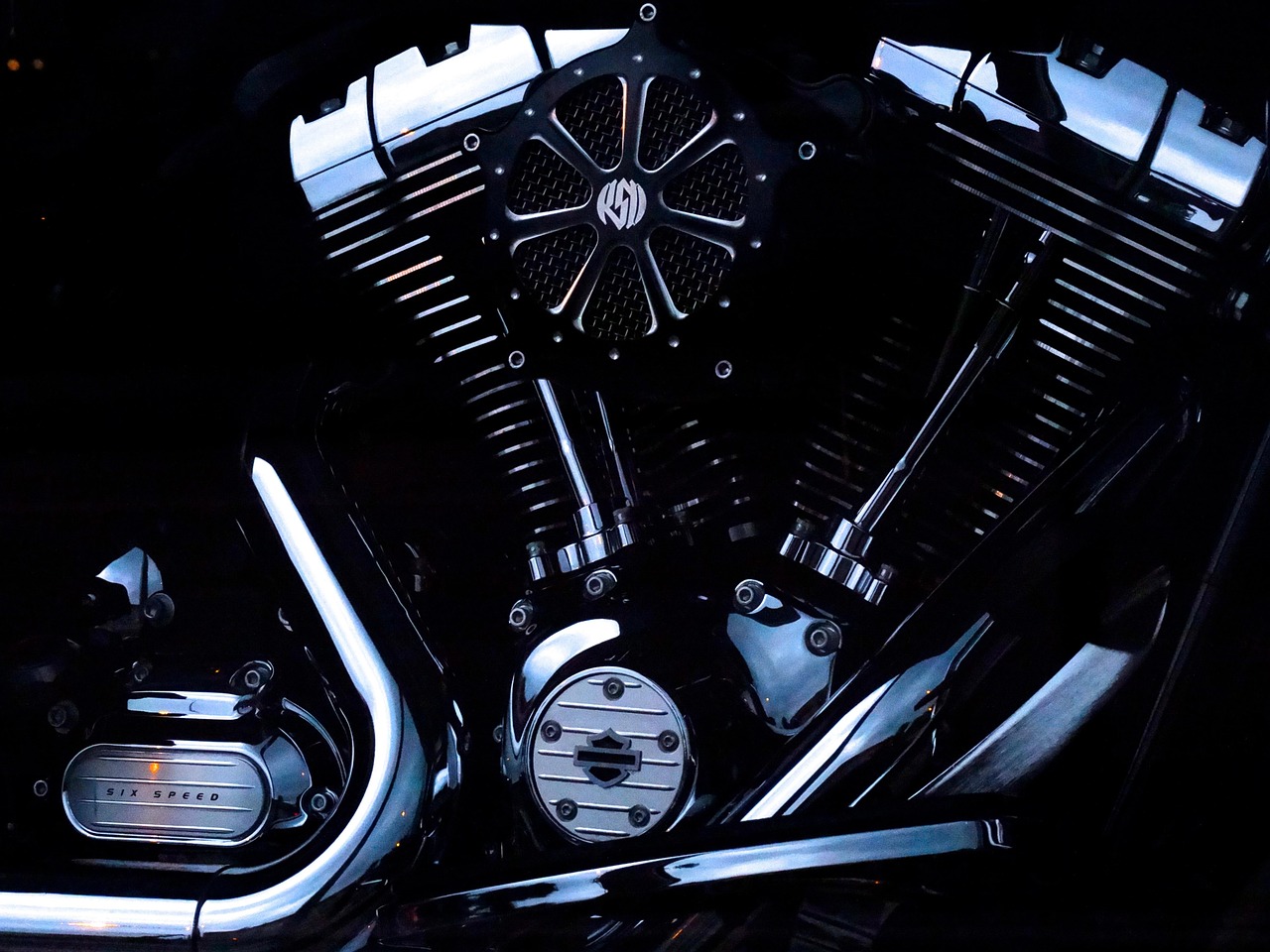
After that, progressively finer grit sandpaper is used. Finally, a felt polishing bonnet and metal polish brings the metal to a shine. The same angle grinder used to cut metal brackets can be used to polish those same brackets until they have the shine of chrome metal.
This process is useful for items like motorcycle parts or metal railings, especially if they are made of stainless metal. Polishing metal requires a person to take time to transition between sandpaper grits. If a person skips a grit in the sanding process, the metal will have swirl marks that cannot be removed from the metal’s surface.
When the metal is polished correctly, it will reflect the same way glass metal and a person will find satisfaction in the way the angle grinder has enhanced the metal without damaging it. Another task that a person can use an angle grinder for is removing mortar and tile grout. A person can use a diamond grit cutting disc to remove the old mortar and tile grout.
6. Removing Mortar and Tile Grout
Professionals that restore old bathrooms and kitchens use this specific tool to remove old tile and mortar. These crews can restore an entire bathroom quickly with the angle grinder. Additionally, a person can use this tool for similar projects in their home.
A person can slowly remove the old mortar and grout. For this task, a person should use water to dampen the area being worked on. Using water with the angle grinder will both assist the restoration crew and extend the life of the angle grinder’s diamond grit wheel.
Using an angle grinder can allow a person to notch metal tubes. This task is common among metal fabricators. A thin cutoff wheel on the angle grinder can act as a saw that allows for notching within tight corners and areas of metal that a reciprocating saw cannot reach.
7. Notching Metal Tubes
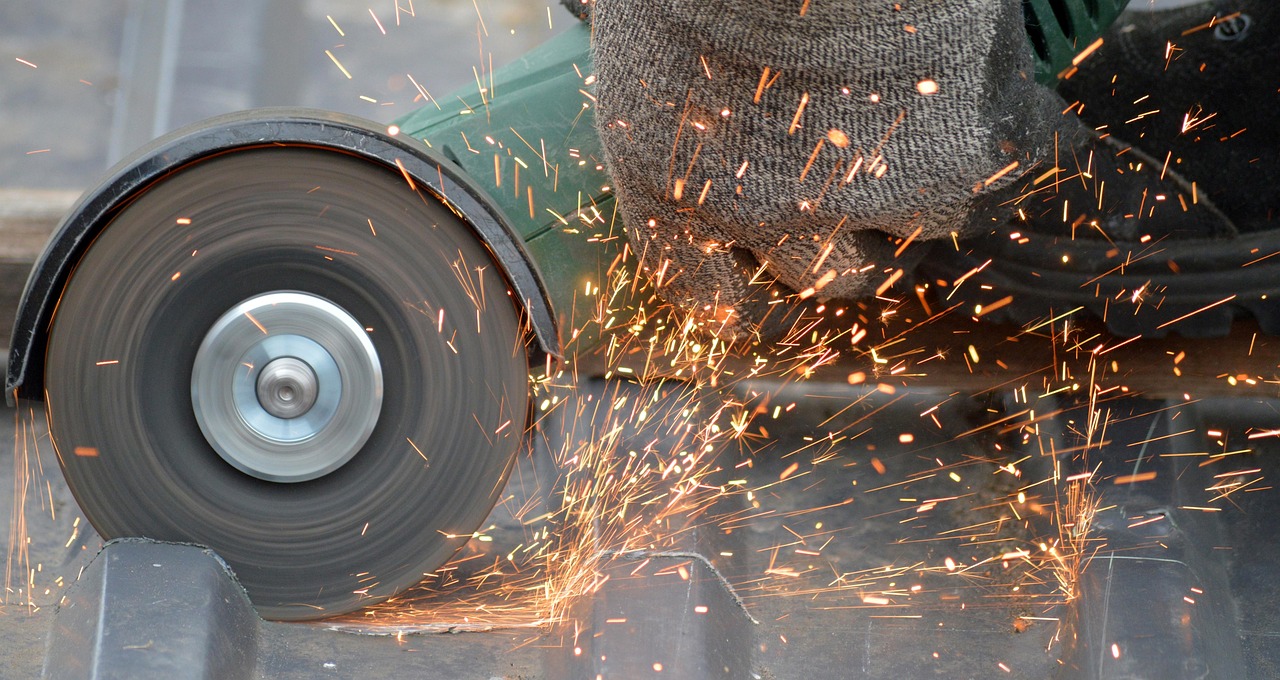
A person can mark where they would like to notch the metal using a soapstone. Additionally, a person should clamp the metal into place with a pair of vise grip pliers. Once clamped, a person can use the angle grinder to notch the metal in the area of interest.
The cut edge may require a pass with a flap disc to remove any splinter. Though not as precise as a cold saw, this technique is the preferred choice among many for metal notching. Another task that a person can use an angle grinder for is to prepare metal for painting or welding.
8. Preparing Metal for Painting or Welding
A person should use an angle grinder with a stripping wheel to remove the mill scale, rust and any other coatings from the metal object that will be painted or welded. The metal will leave a uniform scratch pattern with the angle grinder that the primer will grip to. This task will allow a person to cover large areas of metal quickly.
However, a person must ensure that the stripping wheel matches the metal. Using the wrong type of stripping wheel on aluminum metal will allow the angle grinder to load up on the metal where the metal may leave gouges where paint or primer may not adhere properly. Using an angle grinder will allow a person to remove heavy material from metal concretes or stone.
9. Removing Heavy Material from Concrete
For this use, a diamond cup wheel will eat away at the heavy material. Restoration experts use this task when they restore old bathrooms and kitchens to remove heavy concretes from metal countertops. These experts use the angle grinder with the diamond cup wheel to even out heavy material.
This skill can be used at home to restore metal countertops. A person should slowly remove the heavy material from concretes or metal. Additionally, a person should use water when using the angle grinder with the diamond cup wheel to both assist in the removal of heavy concretes and to extend the life of the angle grinder’s diamond cup wheel.
Another task that uses an angle grinder is threading rods and removing damage on bolt ends. For this task, a person can use the angle grinder with a cutoff disc to cut the metal rod to the desired length. Then, the grinding wheel can be used to chamfer the end of the rod to allow a die to create new threads on the bolt.
10. Threading Rods and Repairing Damaged Bolts
This task may not be used often but when a person must repair an object with a damaged bolt, this task will save the person a trip to the hardware store. Additionally, this task uses a person’s steady hand. A person should clamp the metal rod in a vise.
Then, using the angle grinder with a cutoff disc, a person can even the cut of the rod. Additionally, the end of the rod can be dressed with a grinding wheel. Finally, the die can be used to cut new threads on the metal rod.
Thus, the angle grinder will save the person time and effort instead of using a hacksaw and file for cutting the metal rod. Each of the uses for an angle grinder described above are just a few of many. However, the angle grinder’s true value is in its versatility.
With the ability to change discs and wheels on the angle grinder, it can complete a variety of tasks on metal, stone and even wood with care and precision. A person has to learn how to use the angle grinder with precision to know which accessories to use on what kinds of metal and how much pressure to use on their projects. When a person masters the angle grinder’s use, they will no longer find themselfes intimidated by it.
Instead, the angle grinder will be the first tool that a person will reach for when they have a task to complete. After using the angle grinder for even just one of these tasks, a person will find themselfes wondering how they ever accomplished their projects without the aid of this amazing tool.
