
Air tools makes it easy to complete difficult tasks. However, connecting the wrong fitting to an air tool will result in your air compressor losing pressure. The escaping air wastes energy, slows your work, and sets you up for a frustrating work experience.
However, if you understand the different types of fittings, you can make it easy to find the correct fitting for the job. There are several design features that will determine which air tool fitting will work best for the workshop or job site tools you use. Each design feature different compromises in terms of air flow, security of the connection, ease of connection, and the cost of the fitting.
Knowing these designs will make it easy to find the correct fitting without having to guess at the right product to buy in the hardware store.
Common Types of Air Tool Fittings
1. Industrial Interchange Coupler
The most common fitting feature is an industrial interchange coupler, also known as the Milton style fitting. This fitting features two or three locking balls on the industrial fitting coupler that snap into the groove on the plug.
These types of couplers are very common in the workshop setting because they is inexpensive, readily available, and can handle the workshop pressure of most tasks. These types of couplers can be found on many different tools in garages throughout the state. The advantage of this coupling is that it allows a high flow of air to the air tool.
This high flow of air allows for the air tool to spin at high rates to complete demanding tasks quickly. However, the coupling design can snag on clothing or air hoses. Additionally, the locking balls will wear down over time.
However, these features are still the most common air tool fittings for those who works in small repair shops or those who have occasional projects to complete.
2. Automotive Interchange Style
The next type of fitting is the automotive interchange style, also known as a Tru-Flate pattern. These two styles look very similar but the nose of the plug on these tools is distinctly different.
This design was created for the low-pressure needs of automotive tire inflator and service stations. These fittings are best used for vehicles and when you already have the automotive plugs for your inflator. Automotive fittings also click into place and are more resistant to accidental disconnection.
However, they wont work with industrial fittings. Therefore, you should pick one style of fitting for your air compressor and tools and stick with that type of fitting.
3. High Flow Push to Connect Fitting
Another good fitting style is the high-flow push-to-connect fitting.
These couplings has a larger internal diameter. Additionally, the valve on these couplings opens completely when the fitting is inserted into the air tool. This high flow of air helps tools like orbital sanders and the ratchet tool to spin without power loss over long air hoses.
Mechanics who use several air tools will find that these high flow couplings help improve the performance of their favorite tools. However, the down side of these couplings is visible when looking at the price of these tools. High-flow couplings cost more money than other couplings and the plugs for these couplings will not work with older air tools.
For those with small air compressors or who only require short bursts of air from their air tools the purchase of high-flow couplings will not pay for itself. However, those who use several air tools every day will find that the purchase of these couplings is worth the money.
4. Threaded Couplings
Another coupling style uses threads on the air tool.
These types of couplings are less common than quick-connect couplings but are still frequently used. These threaded couplings can be either a 1/4-inch NPT male thread or a 1/4-inch NPT female thread on the air tool. These threaded connections will remain locked until you choose to unscrew the tool.
Air hammer chisels and some spray guns use the threaded coupling for this specific reason. Although it takes an extra ten seconds to thread the air tool the connection will not fail during your project. Additionally, these types of couplings are used in high-pressure air tools or tools that may encounter debris in the air hose.
However, you must bleed the air out of the tool before you attempt to unscrew it.
5. Mini Coupling
The mini coupling was created for air tool manufacturers that wanted to produce smaller versions of air tools. These mini couplings have smaller diameters and shorter lengths of plug to allow for these small air tools to fit into tight spaces.
These mini couplings have a lower flow of air which is the desired feature for small air tools. These mini couplings will help keep small air tools balanced in your hand when in use. However, using a mini coupling for a larger air tool could make the larger air tool misfire.
For instance, if the framing nailer does not recieve enough air to maintain proper function it will misfire. Therefore, you should match the size of the air tool to the size of the mini coupling.
6. Safety Exhaust Couplings
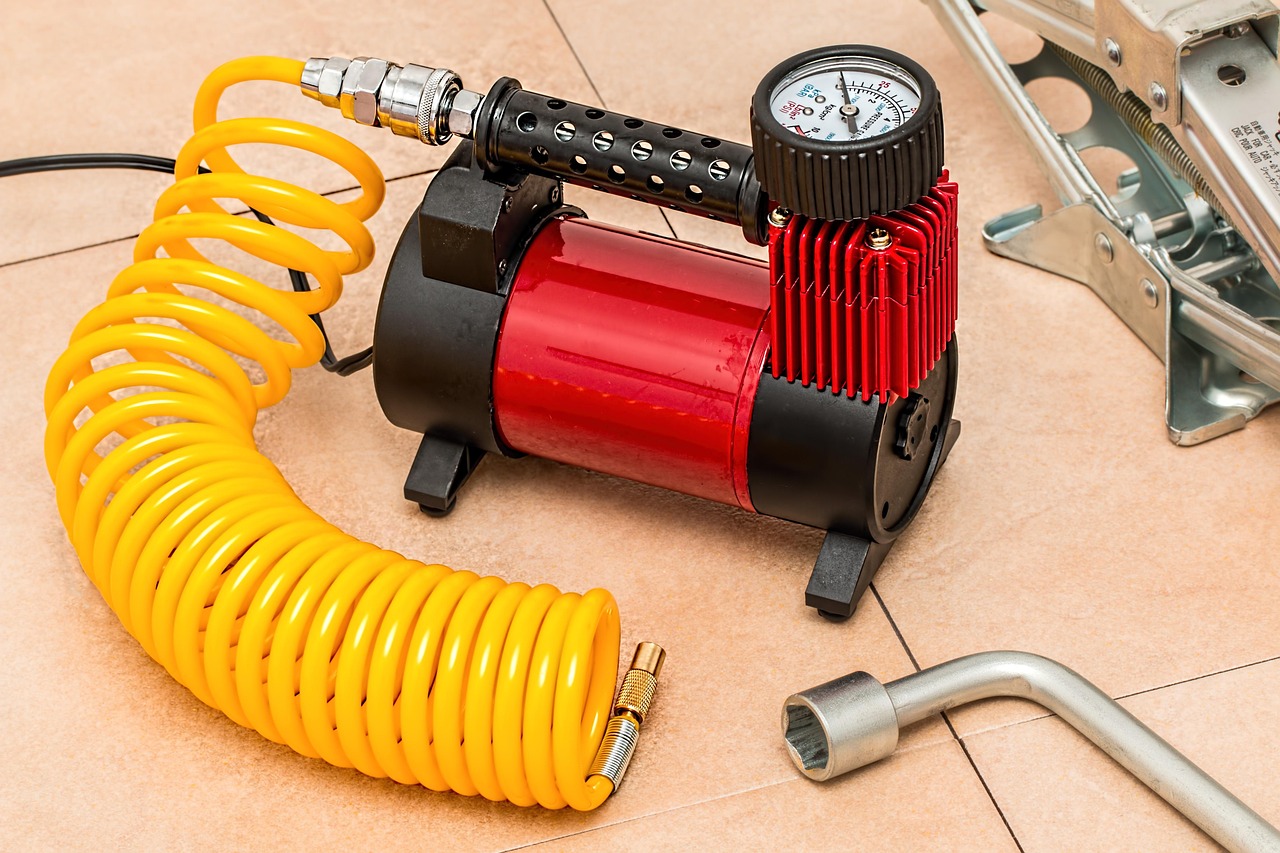
Safety exhaust couplings use a vented sleeve on the air tool to allow air to escape before the plug is removed from the air tool.
This allows others to know when the air tool is active and prevents the air hose from whipping around when the air tool is disconnected. Factories and training schools use these couplings for this reason. These couplings may startle you on the first use but the rush of air is the purpose of these couplings.
These couplings may cost more money and take a little longer to connect but they offer safety for apprentices and other young workers who may use the air tools near the air compressor.
7. Universal Couplings
Universal couplings have been created to allow air tools to use both industrial and automotive air tool couplings. There are two types of universal couplings using a double-step sleeve or a dual-ball arrangement to allow for both types of air tool plugs to be clicked into the universal coupling.
These couplings will save you an hour on the job site where several people use air tools of several makes and models. These couplings have a lower air flow than other couplings and wear down more quickly. However, they can help air tool users who have purchased several air tools over the years that all use different types of air tool couplings.
8. Plastic Material Couplings
The other type of coupling features a plastic material for the coupling. These couplings have a plastic and metal construction that resists rust and corrosion more better than air tools made of metal only. Additionally, these couplings are lighter in weight.
These features are helpful for those who have to move their air compressor and air tools over fifty feet to the work site. Additionally, the plastic portion of these couplings will not get as cold to the touch in the winter months as metal couplings which will protect your fingers from the cold weather. The plastic portion may crack if you drop the air tool coupling on the concrete floor from the height of an air compressor workbench.
However, these couplings are popular with mobile mechanics or those who work in woodshops where the light weight of the coupling is of greater importance than the metal resistance to rust. Additionally, you should inspect the plastic portion of these couplings for hairline cracks as these cracks may cause the coupling to fail.
9. Quick Disconnect Hose Fittings with Integrated Check Valves
Quick-disconnect hose fittings with integrated check valves allow you to remove one air tool and replace it with another without turning the air compressor off.
These check valves hold the air pressure so that the next air tool can be connected without the air blowing into your face. These couplings are common among production shops that use several types of air tools. The upcharge for these couplings is high if buying a reel of air hoses with these connections but the time saved and the ability to avoid blowing dust into your eyes is worth the upcharge for these couplings.
These types of couplings will turn your workplace into a professional workplace. Regardless of the type of coupling your air tools use the best practice is to standardize the couplings. Determine the type of coupling your air tools use, purchase several spare couplings of that type and convert every air hose to that type of coupling.
If you do this each air tool will work without the need of adapters, your air compressor will run more smoothly, your air tools will last longer and the sound of wasted air will dissapear. If your air tool couplings are the correct types for your air tools your work will flow more easily. You will finish more projects in less time, your hands will not experience as much pain from using the air tools and you will look forward to your next project.
This small detail will make a large difference in your work environment and show the difference between a weekend air tool shop and a professional shop that does not struggle with the air tools.
