
You may have spent the last twenty minutes struggling with attempting to crimp a duct joint with a duct punch flange tool. After purchasing this tool, you have likely experienced the tool’s benefits; however, when the tool quits working in the middle of a job, the air punch flange tool becomes a dead weight in your hand. This type of tool is the fastest way to attach sheet metal joints without using rivets or welds; however, it is also one of the most likely tools to suddenly quit working without giving any warning.
When the air punch flange tool quits working, you have to start over with your sheet metal project and likely end up with a mangled flange and a pile of metal scraps. Many HVAC technicians and metal fabricators will encounter the problem of their air punch flange tool quitting working at some point in their careers. The air punch flange tool appears to be the simplest of tools; it uses the power of compressed air to punch a hole in the sheet metal and creates a bent-over metal tab with one quick motion of the air tool.
Despite the simple design of the air punch flange tool, there are many reasons for which the tool may quit working. Fortunately, most of the problems with the air punch flange tool have easy and cheap fixes. The following rundown of the most common reasons for the air punch flange tool quitting working will help you save time and money.
Common Reasons Your Air Punch Tool Fails
1. Insufficient Air Pressure
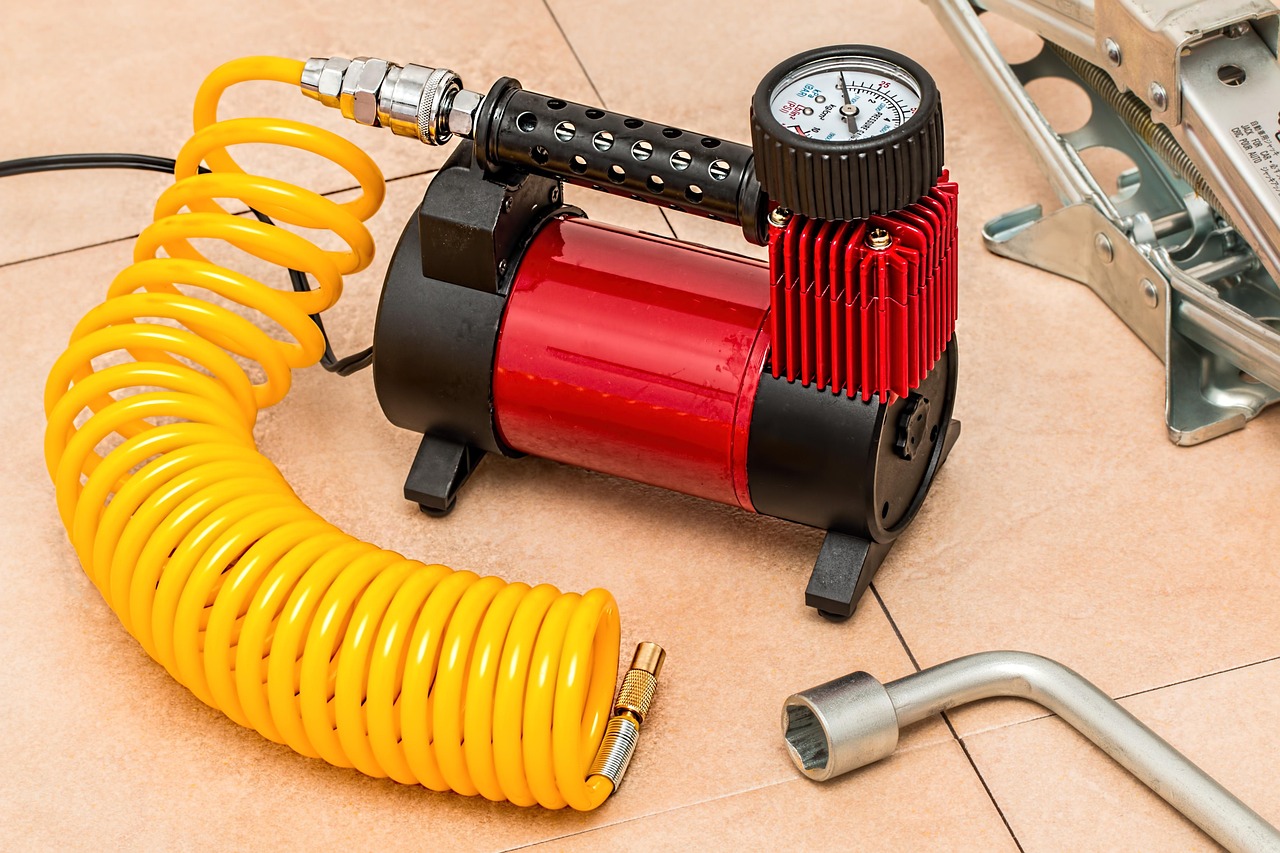
The first thing to check is whether or not there is sufficient air pressure being delivered to the air punch flange tool. Air punch flange tools require between 90 and 120 psi of air pressure to be delivered directly to the tool, not to the compressor from which the air comes. Air pressure can drop by up to 20 psi over 25 feet of air hose.
Connect a pressure gauge to the air tool and check the pressure. If the gauge reads below 85 psi, then the problem is not with the air punch flange tool itself but rather the air supply to the tool. Add a larger diameter air hose, remove air couplings from the hose, or move the air compressor closer to the work area.
2. Dull or Dirty Punch and Die
Tools that appear to be defective will work properly the first time they recieve appropriate air pressure. The next things to check are the punch and the die. Over time, the cutting edges of the punch may become dull or may become covered in lubricant and galvanized metal.
A dull punch will lead to sheet metal being pushed instead of cut, which will lead to a jamming of the punch mechanism. To check the punch, remove it from the air punch flange tool and hold it up to a light source to observe the cutting edges. If the edges of the punch are rounded or chipped, then you must replace the punch.
Along with the punch, you should also check the die for cracks or peening on the edges. If the die does not sit flat against the sheet metal, it will create an incorrect punch and will wear out other components of the air punch flange tool. One of the most important factors in the air punch flange tool is the lubrication of the internal components of the air tool.
3. Lack of Lubrication
Air tools require lubrication of the steel guides upon which the internal piston and spring ride. If the air punch flange tool is not lubricated, the piston can begin to gall and the spring to weaken, leading to the tool slowing down its operation or entirely failing to punch the sheet metal. To lubricate the air punch flange tool, simply squirt a teaspoon of air-tool oil into the inlet of the air tool, then reconnect the air hose.
Cycle the tool a few times without sheet metal in the jaws to lubricate the tool. Providing lubrication before each shift will allow the air punch flange tool to last for the life of the sheet metal project rather than a few months of heavy use. Another thing to check is the trigger valve.
4. Stuck Trigger Valve
The trigger valve controls how the air is released into the air tool; if it becomes stuck in the middle of open and closed positions, the air tool will fail to fire the punch. To clean the trigger valve, remove it according to the exploded view diagram included with the air tool. Remove any debris from the valve using brake cleaner, then replace the O-rings (if they appear flattened or cracked).
Grease the components with silicone lubricant. Air tool trigger valves take up to twenty minutes to thoroughly clean, but will then provide full strength to the air punch flange tool. Air punch flange tools have a flange guide that holds the sheet metal in place so that the metal is punched at the appropriate distance from the edge of the sheet metal.
5. Misaligned Flange Guide
If the sheet metal is punched too close to a hem or another metal edge, or if the air punch flange tool is dropped on the ground, the flange guide can become misaligned. The misalignment will cause the air punch flange tool to damage the die and punch the sheet metal at an incorrect angle. Place a machinist’s square against the flange guide and die.
If there is a gap between the two that is wider than the thickness of a business card, the flange guide needs to be adjusted or replaced. You can adjust the flange guide by loosening the Allen screws that hold it to the air tool, tapping the flange guide with a soft metal mallet, then retightening the Allen screws. The exhaust ports on many air punch flange tools can become clogged with metal dust or debris.
6. Clogged Exhaust Ports
This metal dust can enter the air tool through the exhaust ports in the muffler and the screens that prevent those foreign objects from entering the air tool. If the exhaust is blocked, the air tool cannot expel the air fast enough from the air tool cylinder. If the air tool’s exhaust is blocked, the air tool may only punch the sheet metal during the downstroke but will remain in the half-punched position during the upstroke.
Remove the muffler screen from the air tool and blow it out with compressed air. If the screen is crushed, replace it. Use a flashlight to inspect the return spring for fragments; while rare, they can damage the air tool.
If there are fragments in the spring, replace the spring. If you have checked the air supply, the punch and die, the lubrication, the trigger valve, the flange guide, and the exhaust, but the air punch flange tool is still not working, the problem may be with the air tool’s internal piston. The piston can become mushroomed due to dry air tool firings over time.
7. Damaged Internal Piston
To check the internal piston, remove the rear cap of the air tool. Remove the piston from the tool and inspect the area in which the piston seals. If there is aluminum transfer on the top or deep scoring on the piston, you must replace the piston.
Inspect the cylinder bore for damage. A light hone of the bore with 400 grit sandpaper can fix light scoring of the bore. Deep scoring of the cylinder bore indicates the need for a new air punch flange tool.
8. Moisture in the Air Line

One last thing to check is for the presence of moisture in the air line upstream from the air punch flange tool. Water can damage the internal components in addition to the lubricant. The water will wash the lubricant off the moving parts, make the O-rings swell, and leave behind a sticky film that prevents proper movement of the moving parts.
If the air punch flange tool works well in the morning but then begins to fail later during the day, there is a chance that the moisture is the cause. Install a good air water separator and an inline air-oiler within three feet of the air punch flange tool. The performance of the air punch flange tool will instantly improve and the water separator will protect other air tools from developing the same issues.
Once you have found the real problem and restored the air punch flange tool to working order, take a few minutes to adjust your habits with the tool. Store a zippered pouch in your tool bag with a spare punch, die, O-rings, and air tool oil. Always check the air pressure directly at the air tool instead of at the air compressor.
Oil the air punch flange tool every morning before work. Following these habits will ensure the air punch flange tool will be in working order during every shift. The air punch flange tool is a simple tool, but it is an uncompromising one.
Provide it with the correct air pressure, with a sharp punch and die, with a drop of oil, and with a properly aligned flange guide, and the air punch flange tool will quietly punch perfect flanges on your sheet metal all day long. If any of those conditions are neglected, however, the air punch flange tool will stop working at the worst possible moment. A few minutes of preventative maintenance will allow the air punch flange tool to do its job, so that you can focus on doing your job.
