
Air compressors is located at the center of most workshop, job sites, and garages. Air compressors provide the power necessary for many different types of tool. However, if you purchase the wrong air compressor, your project will become a source of frustration and headaches.
The different types of air compressors are made with different compromises in mind. Each type of air compressor can do a betterer job than the others in certain situation. By understanding these different types of air compressor, you will save money, you will save time, and you will avoid create unnecessary noise with your tools.
There is good news in that only a few different type of air compressors exist in the market today. By understanding the strengths and the weaknesses of each type of air compressor, you can purchase only the type that are appropriate to your tools and your work environment. Below are the different types of air compressor that exist, presented from the most common to the most demanding of environment.
Common Types of Air Compressors to Know
1. Reciprocating Piston Compressors
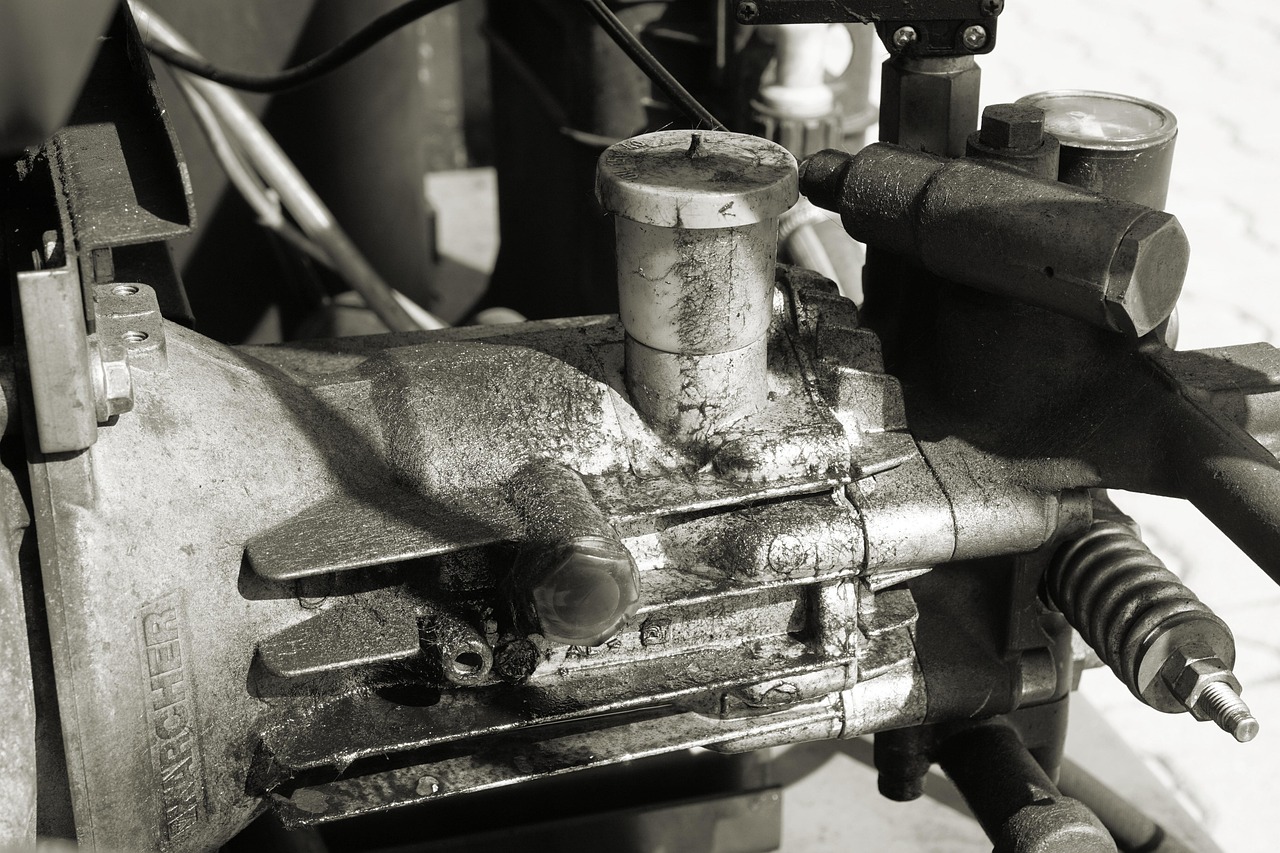
Reciprocating piston compressors are the type of air compressor that is most common in the garages of weekend hobbyists. In a reciprocating piston air compressor, a motor move a piston in and out of a cylinder. As the piston moves in the cylinder, it both takes in air and then push it out.
These types of air compressors are the most affordable, and they are easy to maintain. Due to these feature, they are the most common type of air compressor. Two-stage reciprocating piston air compressors can reach higher levels of pressure then single-stage reciprocating models.
In these model, the air is compressed twice; first into a large cylinder, and then a second time into a smaller cylinder. These types of air compressors are used for intermittent application that require medium to high levels of air pressure. A brad nailer, for instance, can be used for many hour of use.
Additionally, an impact wrench can also be used with a reciprocating piston air compressor when changing winter tire. The main problem with reciprocating piston air compressors is heat. Because these air compressors run continuously, they overheat, and they require period of time to cool.
Thus, if you are running an air tool that does not have to be pause during use, a reciprocating piston air compressor will cycle on and off frequent. This can be frustrating for the user. However, if you are a weekend hobbyist, the low cost and performance of these model will likely be of more importance than the noise that it create during operation.
2. Rotary Screw Compressors
Rotary screw compressors are different from reciprocating piston model in that instead of a piston moving in and out of a cylinder, two helical metal rotor are used. These types of machine tend to be smoother as the rotors do not experience the same degree of vibration as reciprocating piston model. Additionally, rotary screw model tend to be quieter.
This makes them appropriate for body shop, where air tools must be continuously in use for many hour per day without taking a break. Additionally, the rotary screw air compressor will vibrate less and will create lesser noise than reciprocating piston models. The benefit of rotary screw compressors is that they do not overheat and they can remain in continuous use for many hour at a time.
Reciprocating piston air compressors will overheat, while rotary screw model can be left on continuously. This benefit come at the cost of higher purchase prices for these models. These models also require the intake air to be especially clean and cool, and they require regular oil change.
For the weekend woodworker, who only intends to use the air compressor for approximately twenty minute at a time, the high price of a rotary screw compressor is likely not reflective of an item that will be used enough to justify that initial cost. However, in application that require the air compressor to be continuously in operation, like a spray booth for a paint shop, the rotary screw compressor will pay for itself.
3. Scroll Compressors
Scroll compressors are even smoother than rotary screw compressors. In a scroll air compressor, two spiral metal scroll are used such that one spiral scroll is static and the other perform orbital motion. This type of machine is extremely quiet and does not vibrate when in operation. Because of this, scroll air compressors are present in medical office and dental office, wherein the noise created by these machine must be minimized to an absolute minimum.
Scroll compressors are more expensive and have smaller air volume compared to the other types of air compressors. Thus, scroll compressors are used in application that require fewer amount of air to perform the task, and where maintenance of the air compressor is important. Additionally, those who are interested in the quietness of the machine and the ability to leave them in a finished basement in the home tend to buy scroll air compressors.
However, these model have limited output for the amount of air that needs to be dispense from the machine.
4. Centrifugal Compressors
Centrifugal compressors are similar to jet engine in function. In these types of air compressor, an impeller of the air compressor spins at high speed, and flings the air outward.
These types of air compressors are seen within massive industrial plant, power station, and wherever there are massive volume of air that is required to be compressed. These massive volume are measured in thousands of cubic feet per minute (ACFM). Due to their complexity, centrifugal air compressor are expensive, require specialized maintenance, and high efficiency only occur at very large scale in which the air compressors are used.
These types of air compressor are not something that would ever be seen in an average person’s garage. However, there are high-end model of these types of air compressor that are used by very specific group of individuals. For instance, serious racer or restoration shop often use miniaturized centrifugal compressor.
However, the technology behind these model requires that the air compressor maintain perfect balance in its impeller, as well as feature clear air filter to prevent damage to the impeller.
5. Axial Compressors
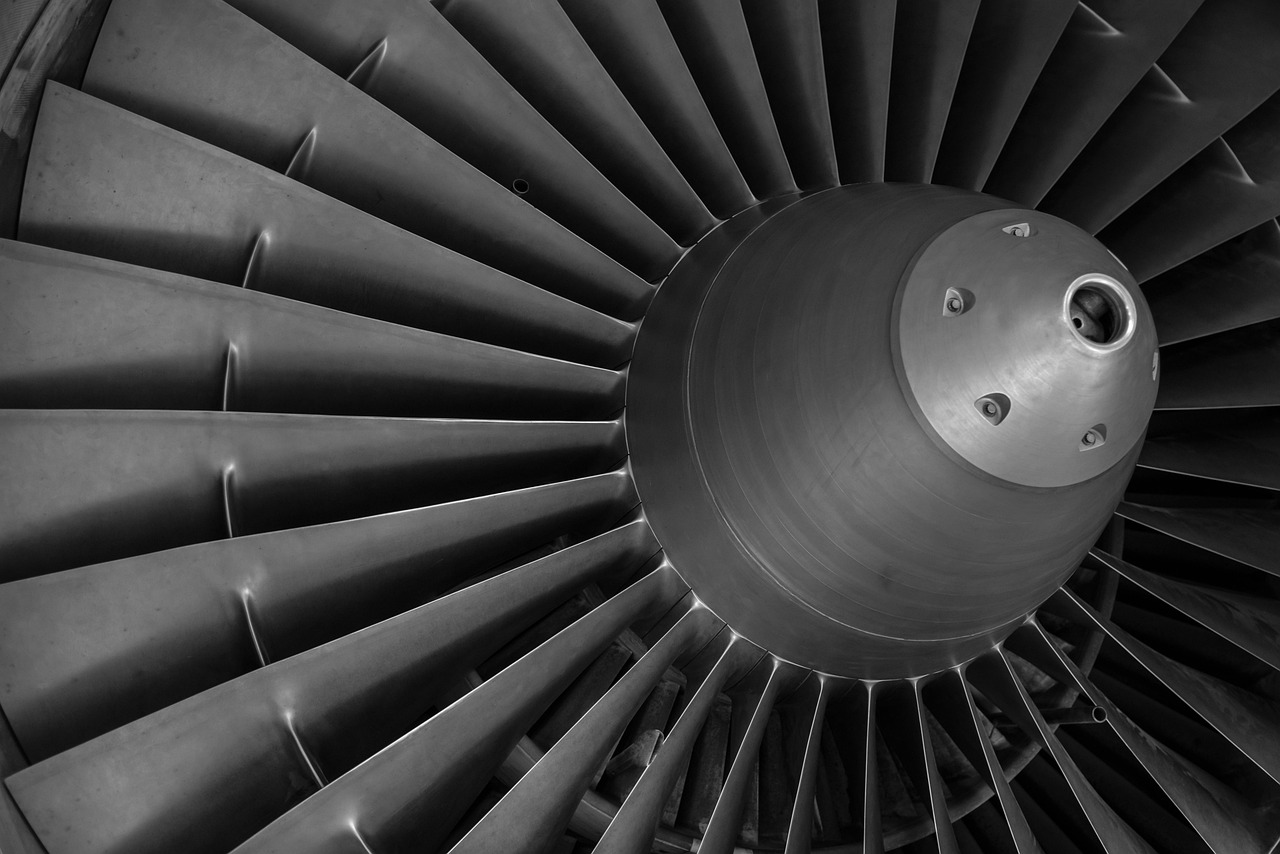
Axial compressor are similar to centrifugal model. However, instead of flinging the air outward, axial compressor push the air in the same direction that the impeller is rotating.
These types of air compressor are common within aircraft engine and gas turbine. Because of their ability to move massive amount of air at a low pressure, axial compressor are not commonly used within workshop. However, sometimes these model incorporate both axial and centrifugal stage to their model.
Though the average user of an air compressor will never purchase a model of this type, knowing these term will help you understand how and why certain high-end air compressor exhibit the behavior that they do.
6. Portable Pancake and Hot Dog Style
Portable pancake and portable hot-dog style air compressor are two separate type. However, both types of portable air compressor have similar feature. These model are created as reciprocating piston model that are placed into a compact frame or tank. Contractor who need to travel from job site to job site with their tool use the portable model. Portable pancake and portable hot-dog style air compressor tend to weigh less than fifty pound.
Additionally, the model produce enough power to operate a framing nailer, or to inflate the tire of a contractor’s vehicle. The tank for these model are relatively small, meaning the motor must run more often to dispense the same amount of air as a non-portable model. However, these design can be transported in the back of a pickup truck, or even carried up a ladder when needed.
These model have feature like quick-connect coupler, handle, and rubber feet to reduce vibration. These feature make them easy to move from place to place to wherever air tool are needed. Contractor whose work occur in various location use these model.
However, they are not constructed in a way that they can operate a sandblaster for long period of time. There are three main question that you can ask yourself when purchasing an air compressor. How much air do your tool require?
How long will you be using the air compressor without taking a break? And, finally, how much noise and how much maintenance are you prepared to tolerate from the air compressor? A weekend hobbyist who owns tool that require medium air pressure will likely find the simplest reciprocating piston air compressor to be the best model for that individual.
A contractor who is constructing house will likely require one of the portable pancake or hot-dog model. A body shop that sprays car will do best with a rotary screw air compressor. The difference between these different type of air compressor are not merely used by the manufacturer of the air compressor as a means of marketing their product.
These difference are the result of engineering choice and compromise that are made by the manufacturer of the air compressor model. Thus, knowing the different type and their benefit will allow you to make an informed choice about which brand and model is best for you. You will ultimately be able to keep the air flowing exactly when you need the air to flow.
