
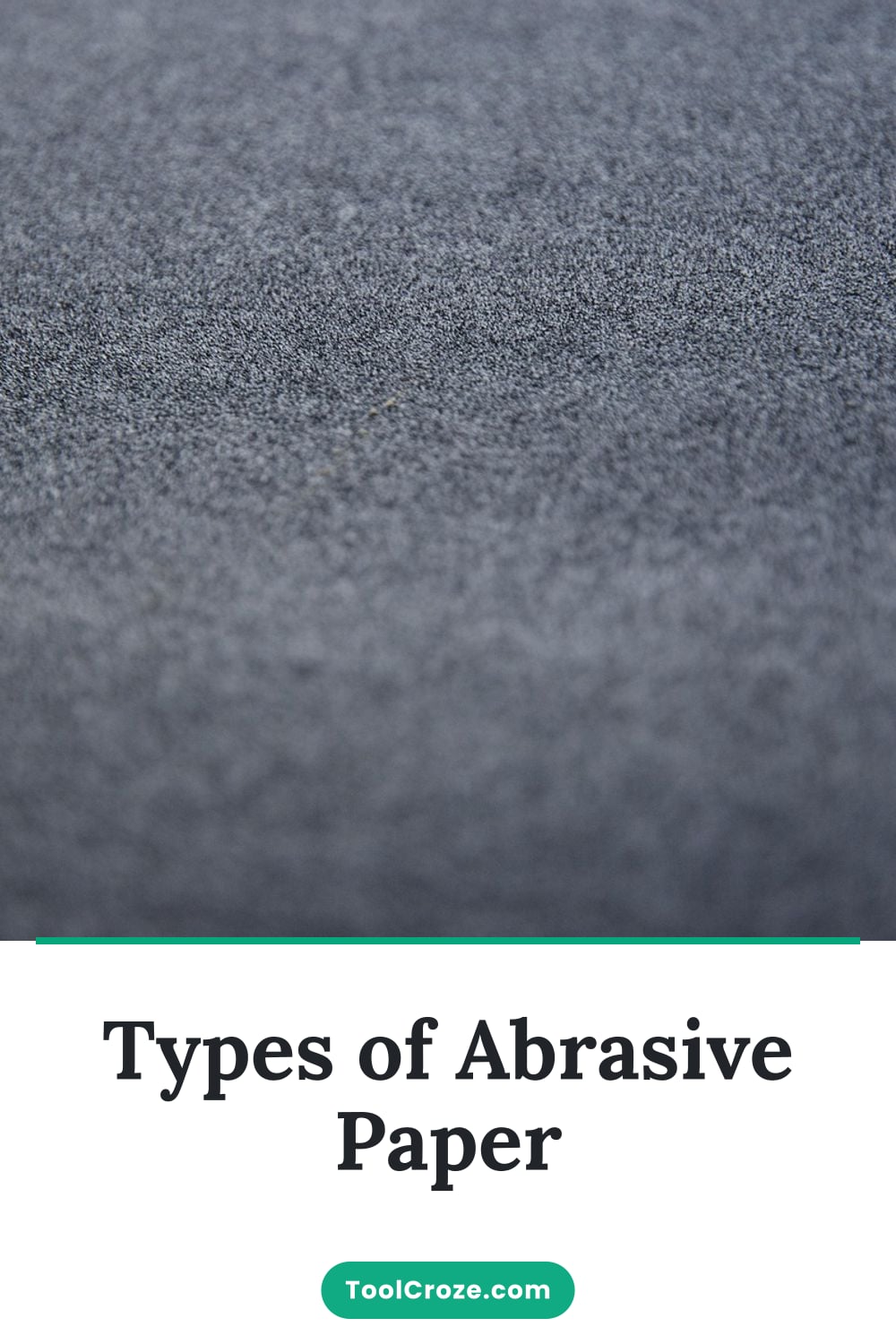
Sandpaper may appear to be a simple sheet of paper with grit on its surface. However, the type of sandpaper that is chosen can make a major difference between achieving a flawless finish on an object or losing many hour trying to achieve the same result. If you enter any workshop, you will see many different stacks of sandpaper of each color and texture imaginable.
Despite the variety of types of sandpaper available in workshops and hardware stores, many individual simply take the sandpaper that is nearest to them and use that rather than purchasing the correct type of sandpaper for the project that they are completing. The different types of sandpaper will allow individuals to approach each project with skill and precision, be it in the sanding of an antique chair or the sanding of drywall prior to applying paint. The abrasives manufacturing industry has spent well over one hundred years creating and formulating each type of sandpaper that is manufactured today.
Each variety of sandpaper has specific characteristics that make it the best option for a variety of projects within the workshop. The minerals that are used in the manufacture of sandpaper, the way in which those minerals are attached to the backing of the sandpaper sheets, the size of the abrasive particles and the way in which the grains of the sandpaper are spaced all play a key role in the way in which sandpaper of each type will behave when individuals are sanding an object with those sheets of sandpaper. Aluminum oxide paper is the most common type of sandpaper that manufacturers produce.
Common Types of Sandpaper for Every Project
1. Aluminum Oxide Paper
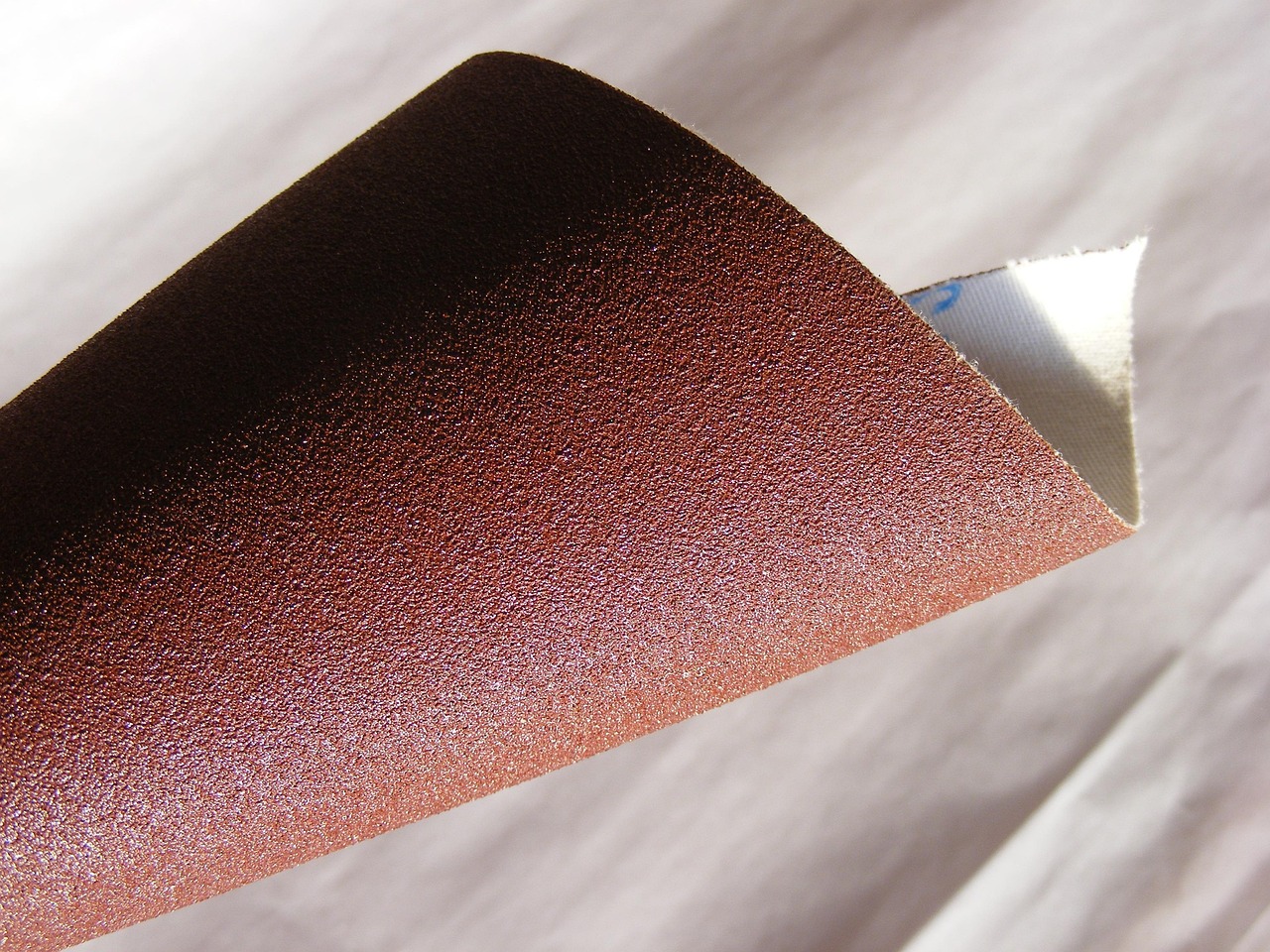
Aluminum oxide paper utilizes aluminum oxide grains that are created by fusing the bauxite minerals within an electric furnace and crushing the resulting minerals into the grains that are utilized in the manufacturing of sandpaper. For these reasons, people utilize aluminum oxide sandpaper in sanding of wood, metal and painted surfaces.
Aluminum oxide sandpaper is available in grits ranging from 36 grit to 2000 grit. Additionally, aluminum oxide sandpaper features a brown color to the sandpaper sheets and typically costs the lowest price for sandpaper. These factors are the reasons that aluminum oxide paper is the type of sandpaper that is found on the shelves in most hardware stores.
2. Garnet Paper
However, aluminum oxide sandpaper grains do not feature the same cutting power as other minerals used in sandpaper for very hard to cut materials. Garnet paper features a reddish hue to the sandpaper sheets, indicating the mineral that is used in the production of these sheets of sandpaper. Garnet grains are naturaly occur rather than manufactured grains.
The natural grains feature a unique chisel shape that allows the sandpaper to cleanly cut the sandpaper fibers rather than tear them. The result of the sandpaper cutting these wood fibers is a smoother finish with less fuzzy grains between the different coats of finish. Cabinet makers that apply finishes between coats of shellac or lacquer often prefer garnet paper.
However, the downside to the garnet sandpaper is that the grains wear down more quickly than aluminum oxide sandpaper. Thus, it is not as durable for use on large projects or projects involving old paint. Garnet sandpaper is best utilized in projects in which the final appearance of the object is the main concern, and where the project allows for the replacement of sheets of garnet sandpaper more often than other types of sandpaper.
3. Silicon Carbide Sandpaper
Silicon carbide sandpaper features dark gray or black sheets of sandpaper that are created by heating silica and carbon minerals to extremely high temperatures. Silicon carbide sandpaper is the most aggressive in terms of cutting power of the sandpaper varieties. Silicon carbide sandpaper sheets can be wet or dry sheets, allowing the sandpaper to be utilized with water or oil.
Silicon carbide sandpaper is often used in sanding of automobiles, fiberglass and plastics. Silicon carbide sandpaper also excels at flattening solid surface countertops and sanding metal. The grains of silicon carbide sheets last longer than other types of sandpaper, which also saves individuals time in the sanding process despite the higher cost of the sandpaper.
The downside of silicon carbide sandpaper is that the dry sanding can create fine dust that can irritate the individual who sands with that sandpaper. Thus, most individuals prefer using the wet sheets of sandpaper.
4. Zirconia Alumina Sandpaper
Zirconia alumina sandpaper is one of the strongest types of sandpaper for cutting and sanding with.
The grains of the zirconia alumina sandpaper are strong and feature a self-sharpening quality that makes those grains ideal for removing heavy amount of material from the object being sanded. While zirconia alumina sandpaper is typically found on sanding belts and disks, sheets of paper containing zirconia alumina do exist for sanding of hardwoods, metals and even stainless steel. The sheets feature a blue or green tint to the sandpaper.
The grains of the zirconia alumina sandpaper are strong enough to strip heavy layers of paint or sand stubbornly adhered edge in a fraction of the time required to sand with other types of sandpaper. However, zirconia alumina is also the most costly type of sandpaper. Thus, it is best reserved for the early stages of sanding projects.
5. Ceramic Sandpaper
Ceramic sandpaper is the newest type of sandpaper to be manufactured. The grains of ceramic sandpaper are manufactured at the molecular level so that the grains will fracture in tiny break to reveal new, sharp edges throughout the life of the sheet of sandpaper. Ceramic sandpaper features a bright red or orange color to the sheet, and is available in sheets and disks for sanding with power sanders.
Woodturners often use ceramic sandpaper to sand and shape wood bowls because ceramic sandpaper features strong cutting power and does not create much wood dust. Ceramic sandpaper is also used on exotic hardwoods that dull ordinary sandpaper. However, the main downside of ceramic sandpaper is its cost.
Additionally, the extreme hardness of ceramic sandpaper may leave microscratches on the object being sanded if it is not sanding in appropriate grits. However, despite these cons, ceramic sandpaper is the first choice for many workshops and individuals who value time above money.
6. Emery Paper
Emery paper is an older form of sandpaper that utilizes natural minerals that are bonded to cloth rather than paper.
The sheets of sandpaper have been utilized for centuries to polish metals. Thus, emery paper is still used in many auto shops and metal workshops. The minerals within the sandpaper create a slow but controlled cutting action that is ideal for polishing soft metals.
Moddern sandpaper emery sheets have a stearate coating to reduce the chance that the metals become clogged with sandpaper dust. Additionally, because cloth is used in the backing of the sandpaper, it conforms well to curved objects. Thus, it is not the first choice for sanding of wood but is utilized in metal workshops.
7. Crocus Cloth
Crocus cloth, despite its unique name, is simply sandpaper made with iron oxide sandpaper that is glued to a soft fabric. Iron oxide sandpaper features an orange-red color to the sheets of sandpaper. Jewelers and instrument makers use crocus cloth to polish metals to a mirror shine without the use of compounds.
The sandpaper grains are so fine that they do not register on the sandpaper grit charts. Crocus cloth will sandpaper the finest scratch that may be left with 2000 grit wet sandpaper. Additionally, the soft fabric allows the sandpaper to reach into the nooks and crannies of metal objects or fixtures rather than the flat surfaces.
However, crocus cloth is not the most cost effective form of sandpaper. Thus, despite the effectiveness of this sandpaper, it is used only for the final polishing of metal objects.
8. Flint Paper
Flint paper is the cheapest form of sandpaper.
Flint is a natural mineral that contains quartz, which is neither particularly hard nor sharp. Thus, the grains quickly dull when sanding objects. Flint paper is only used for disposable sheets for projects that do not require much sanding.
The pale beige color of flint sheets and its low cost may tempt new sanders to purchase flint paper. However, flint paper is not recommended for use on any projects that are valued by the individuals performing the sanding. Once the grains of flint sandpaper sheets glaze over after a period of use, the sandpaper will only burnish the project’s materials and create heat when sanding.
Thus, it is best used on dirty projects that will be discarded after use. Each of the sandpaper types has maintained its place in the workshop for many decades as a result of the testing performed on these papers. The secret to successfully sanding projects is to use the correct type of sandpaper with the correct grit for the project that is being performed.
Thus, each of these types of sandpaper will allow for projects to be completed faster with better results when they are used appropriately. The next time an individual picks up a sheet of sandpaper from the workshop, they should take a second to consider what type of project that sandpaper is best for. Their work will benefit from this thought process.
