
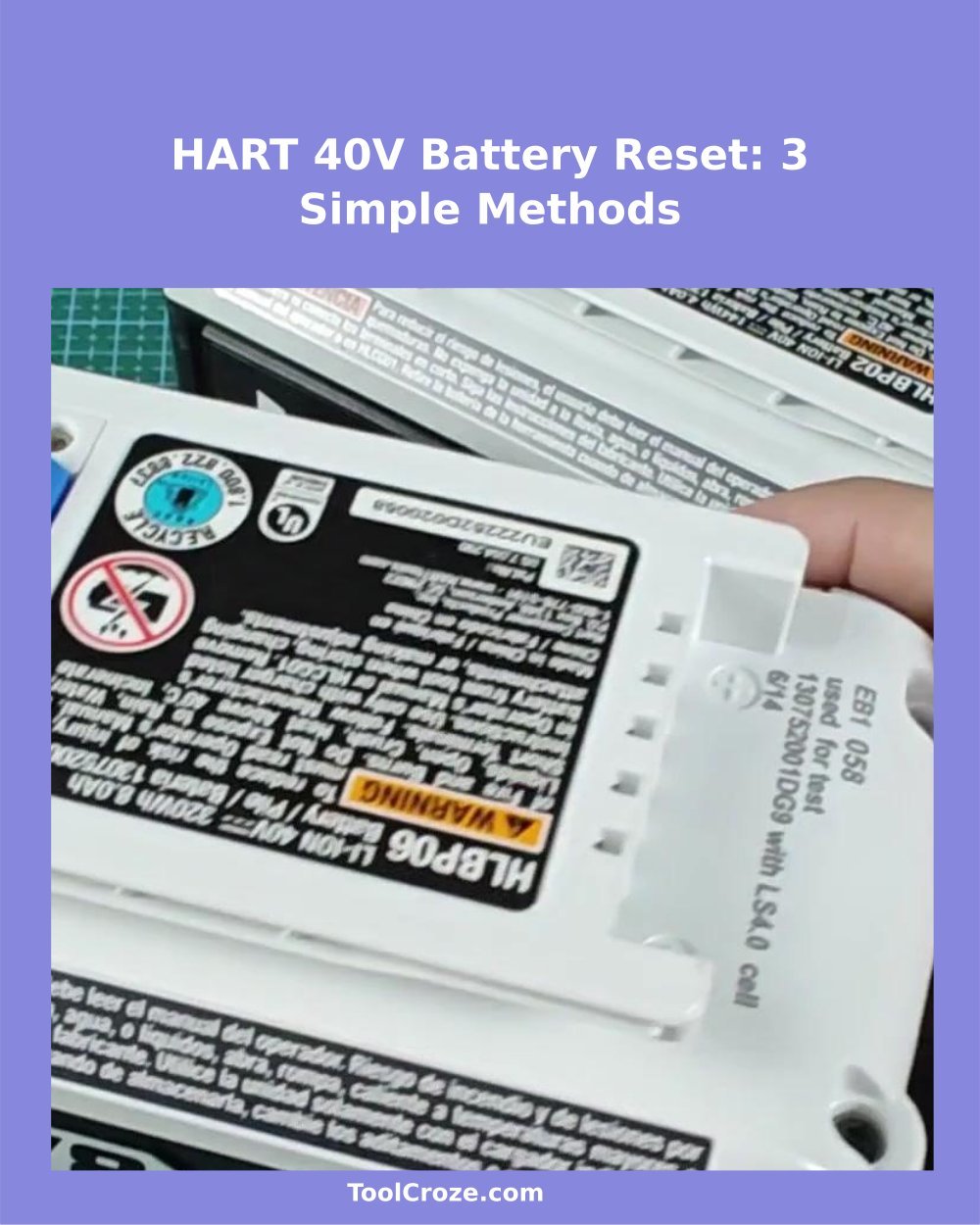
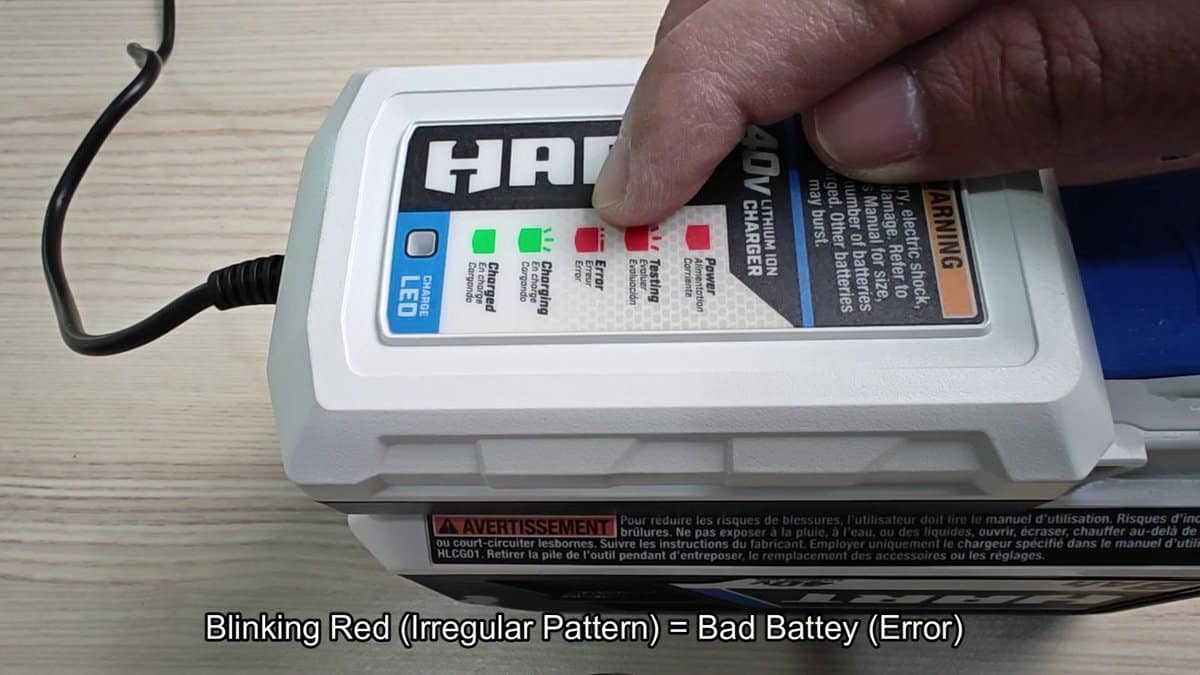
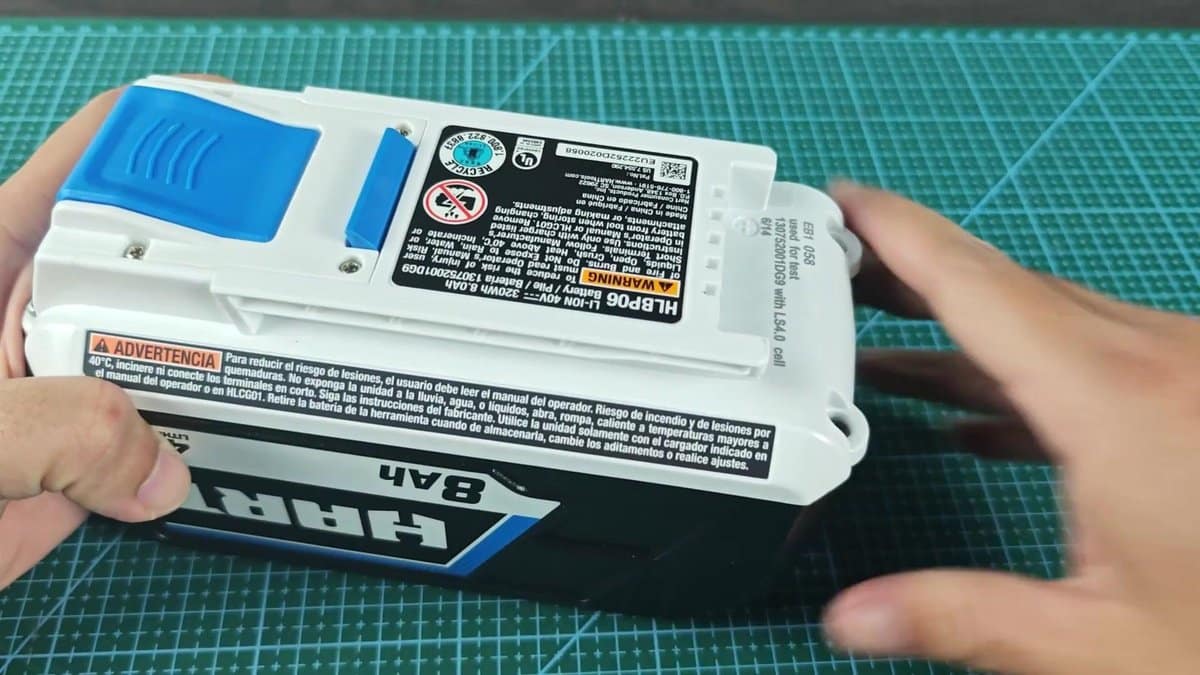
My HART 40V battery suddenly stopped taking charge, the charger only stood there and blinked red in weird, irregular rhythm, and I immediately felt that something is not right. Instead of immediately tossing it in the trash, I decided to try some restart tricks that folks online reported as working. It turned out that there are three pretty solid methods, worth trying, and each had its own steps and tiny details to mind.
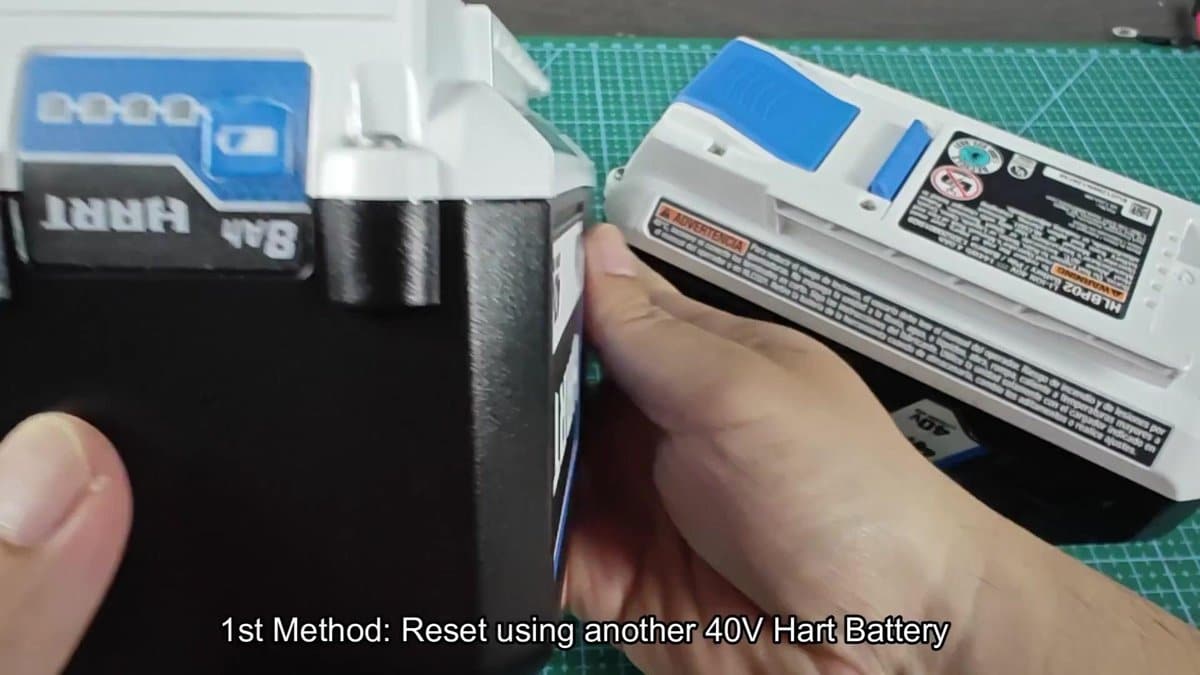
First I started the fix by means of second HART-40V-battery. One that still kept good charge… To basically "jump start" the dead.
Before doing something else, I quickly checked both batteries to make sure that I truly have one fully charged, and another that does need restarting. The good battery showed several blue LED-bars on the meter, so it was clear that it had more than enough energy to do the attempt.
3 Ways to Reset a Dead HART 40V Battery
I had to do a bit of detective work on both batteries to find which terminals are positive and which negative before fully connecting something. Nothing was clearly marked, so I spent a bit of time tracing the internal connections and looking closely to find them. When that already was sorted, I took pair of jumper cables with ring terminals at both ends.
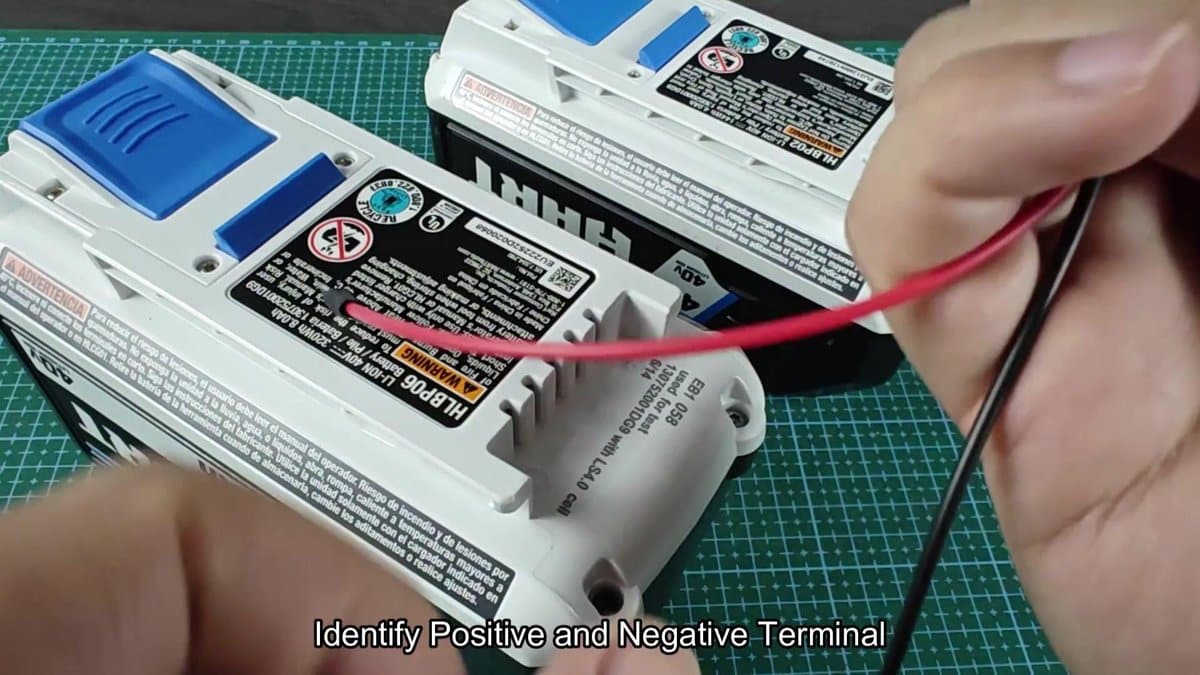
The real connecting was pretty simple… Only needed a bit of care. I hooked up the red cable from the positive pole of the working battery to the positive pole of the "dead" and then ran the black cable between the two negative poles.
I quickly re-checked that each ring terminal sat flat against its contact spot.
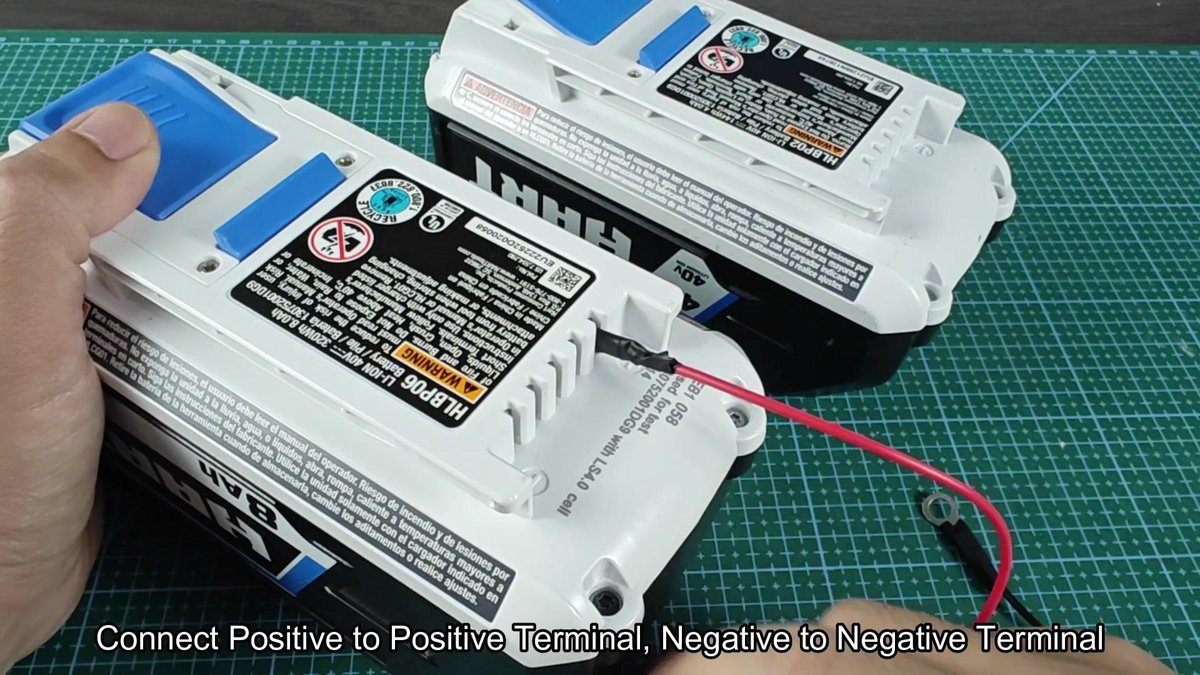
I left the two batteries connected for around fifteen seconds. The empty battery simply comfortably "drank" a bit of juice from the good, without drama. After enough time I disconnected the wires in reverse order and laid the recently reset battery aside.
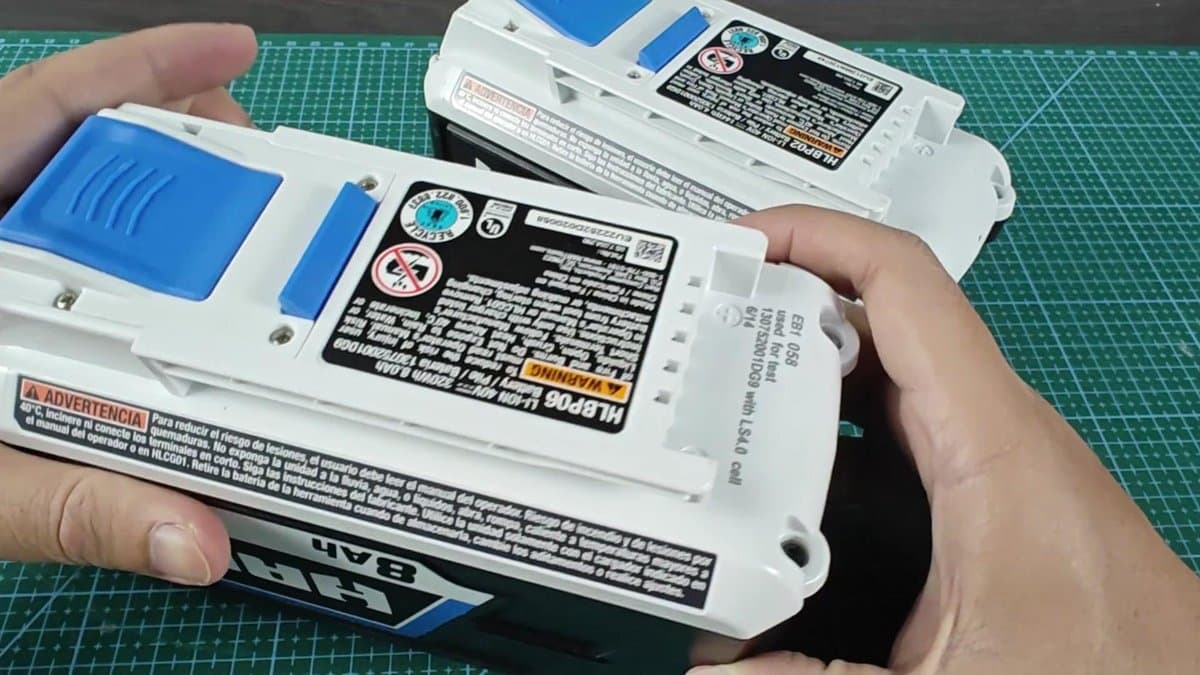
For the second method I grabbed a Makita 40V battery, because the voltage was enough to do the job. The idea was basically the same as in the first method, only that non HART battery served as power source instead.
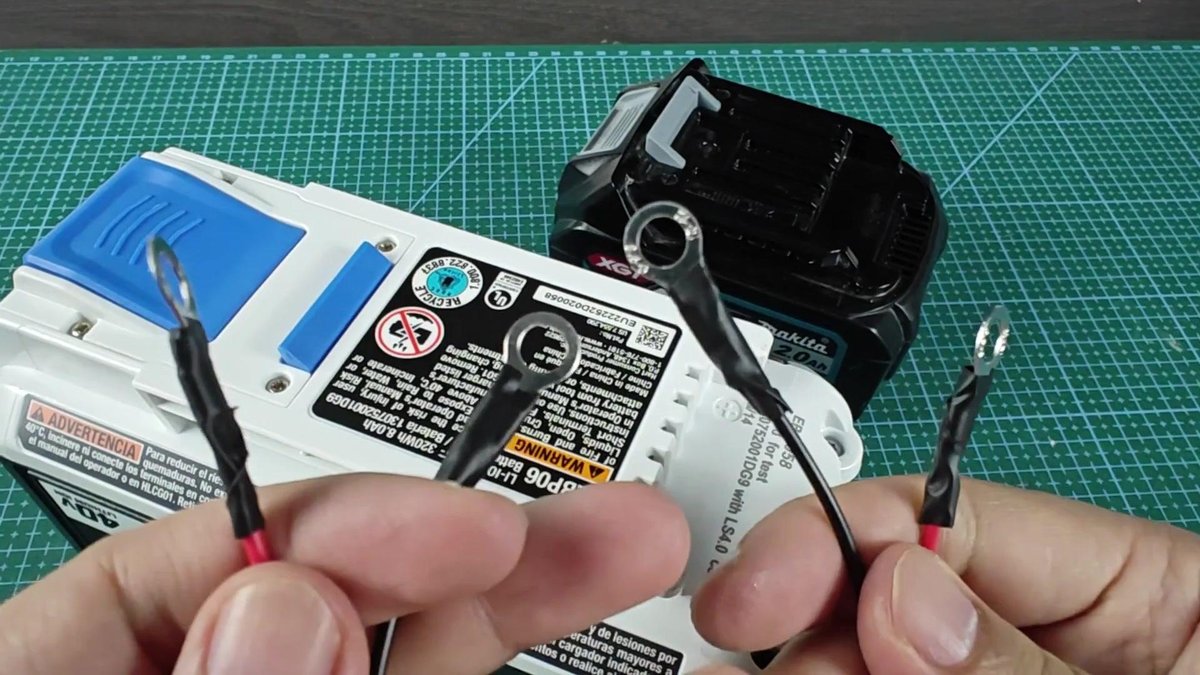
On the Makita battery the adapter base sat like this that the contact points were in other arrangement… So it did not deal with direct battery-to-battery clipping. Even so I still needed the same cables as before.
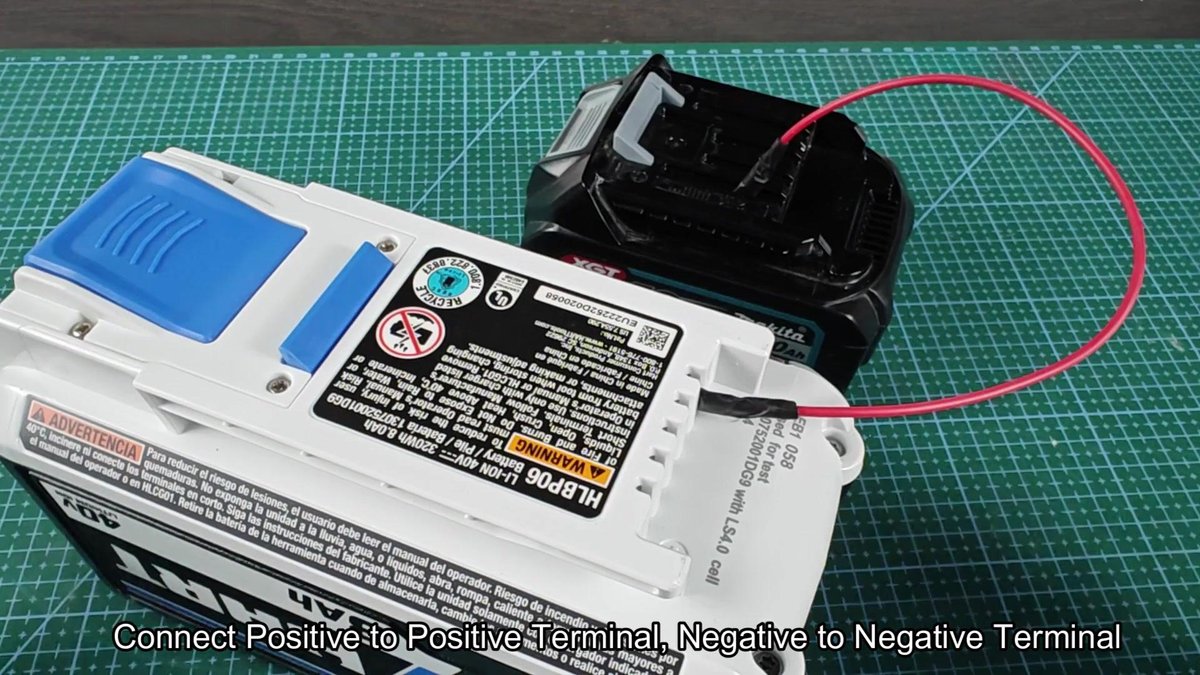
I connected the red wire to the positive terminal of the Makita arrangement and the black to the negative. Then the other ends of those wires went to the terminals of the dead HART battery, completing both connections.
During that time I only watched the wires for any overheating. When the time ended, I disconnected everything and set the battery aside to try it later. That cross-brand method is truly useful when you have other wireless tools in similar voltage range available, but do not have second HART battery.
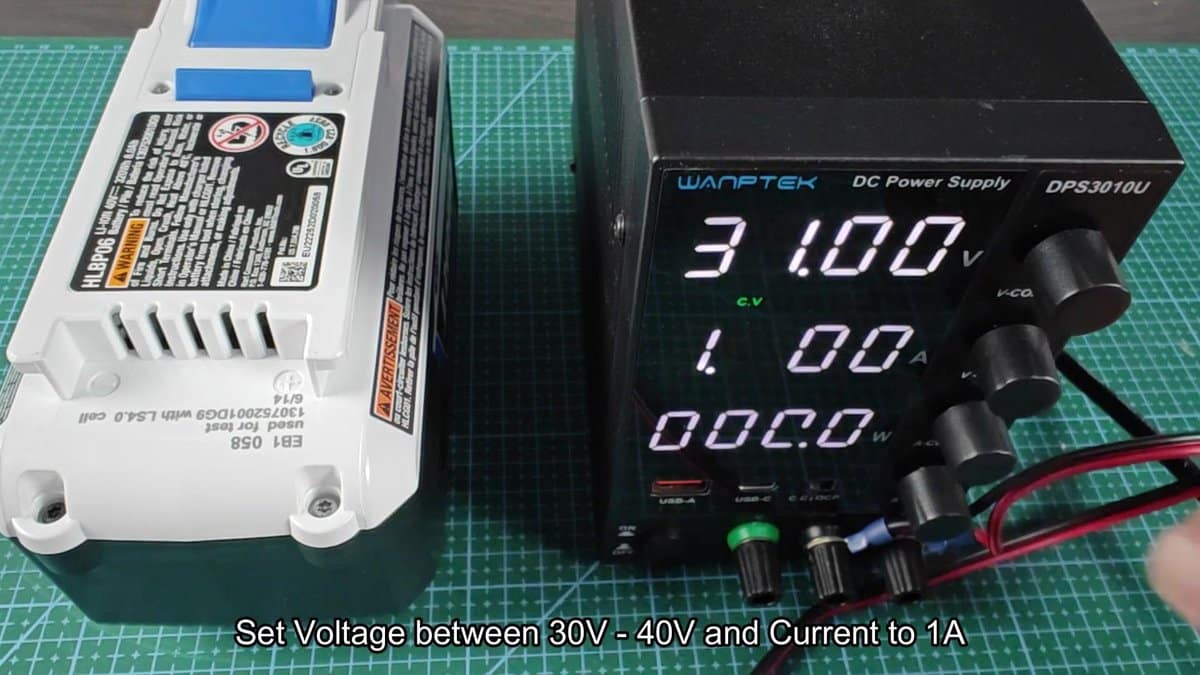
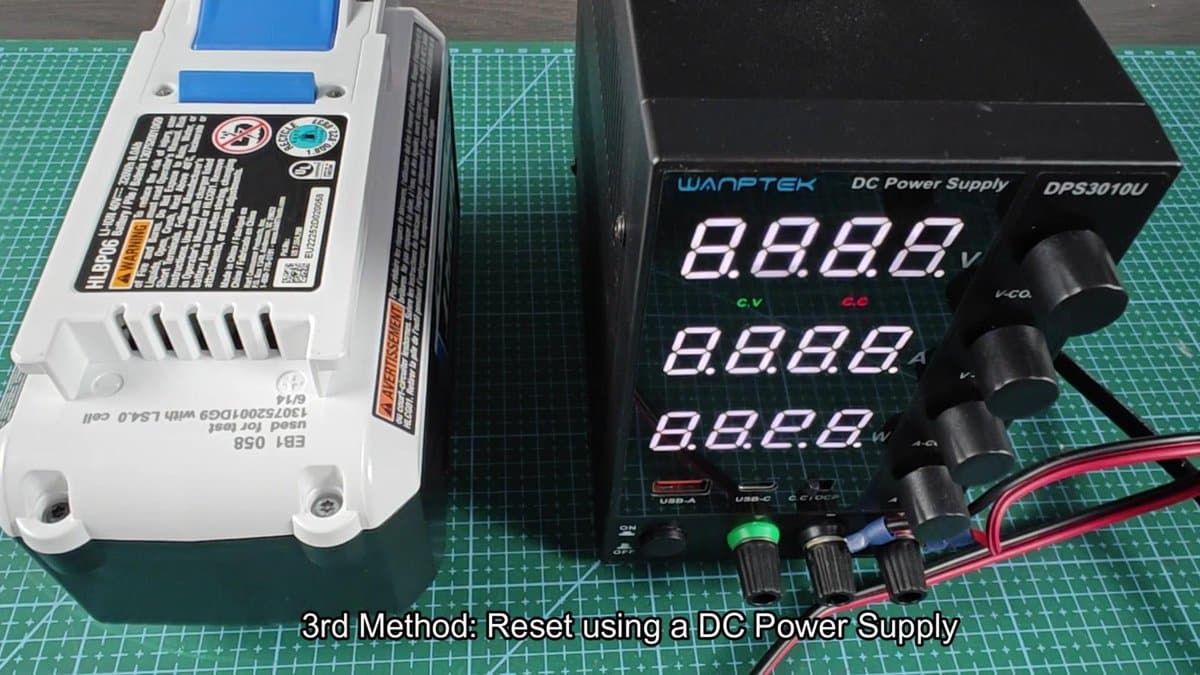
For the third method you need DC power supply; more special gear, but it gives much better control over the whole process. I used bench power supply Wanptek as the best choice. First I had to correctly set the voltage and the current limit on the device.
I set the output voltage to 31 volts… Comfortably in the "sweet spot" of the suggested 30, 40-volt range, and then I lowered the current limit to 1 amp as safety measure. When everything was set, the values appeared clearly on the screen.
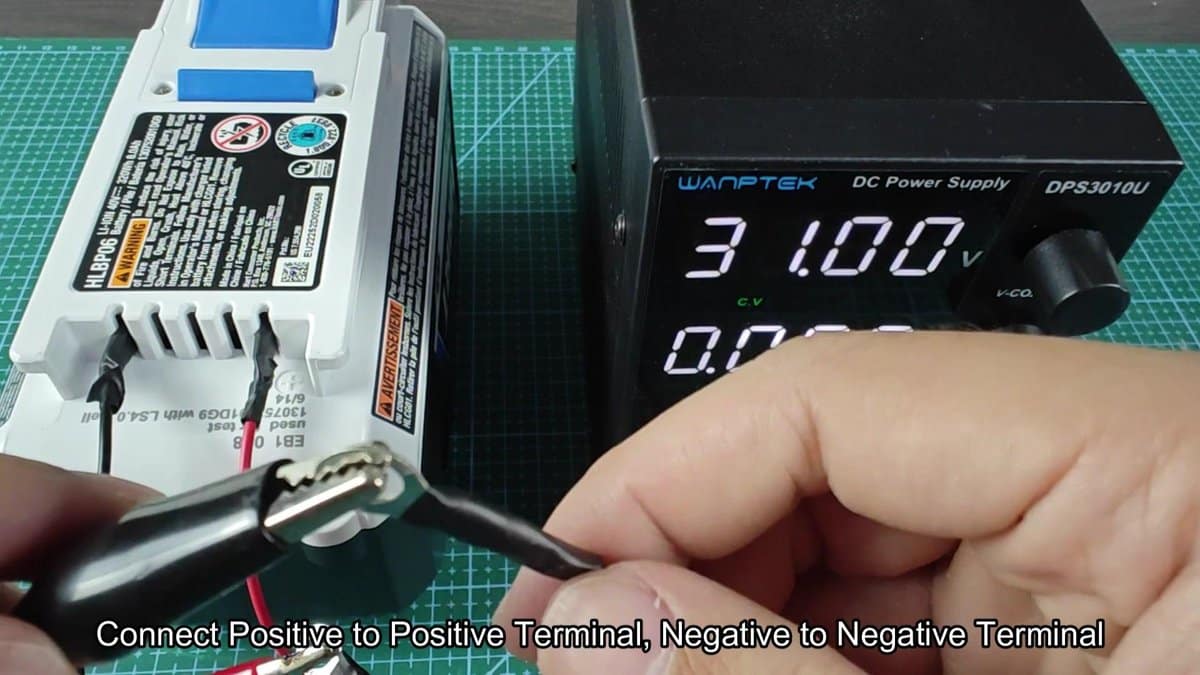
After the setup, I connected the output leads to the battery terminals. I checked the polarity twice before fully clamping the clips, because reversing that would be big problem.
The power supply had to deliver electricity to the battery for a short window. During that time the screen showed stable voltage with small current draw, good sign that the internal battery management system start to recover. When the time ran out I disconnected everything and left the battery alone for full minute.Then came the moment of truth.
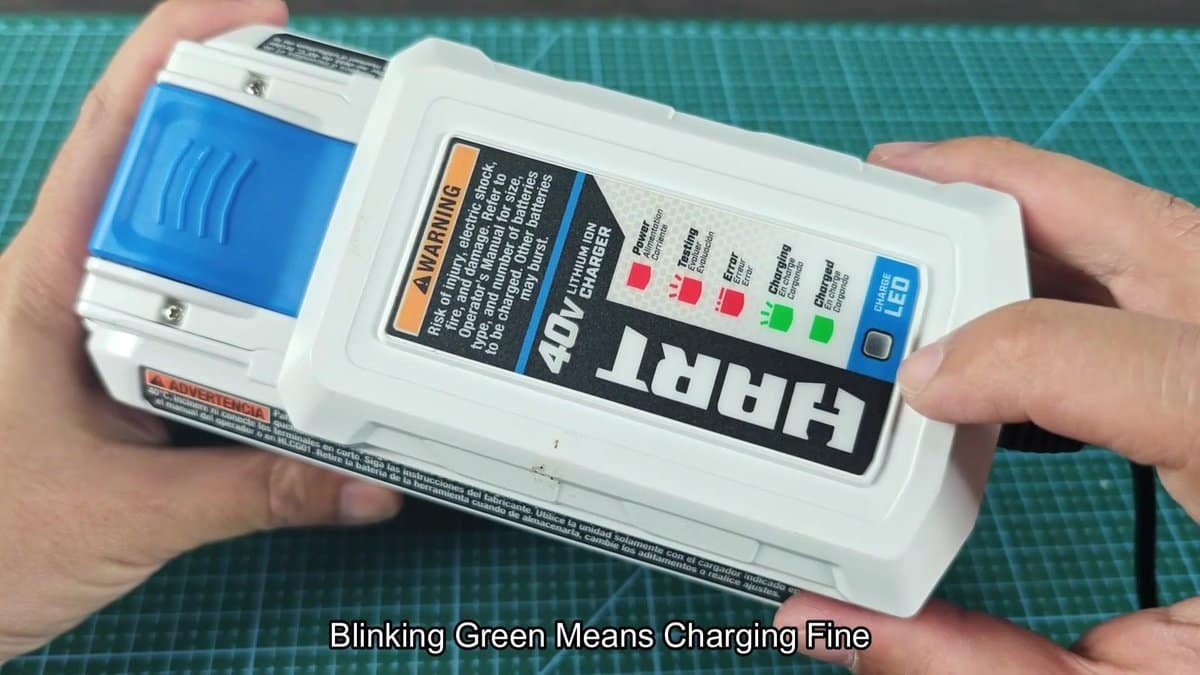
I brought the reset battery to the HART charger to see whether some of the methods actually fixed the issue. Because before the charger gave that weird red blinking error signal, I was truly curious what this time it will do.As soon as the battery clicked in the charger, the LED changed to slow, rhythmic green blink. That beating green showed that the communication works normally, the charger recognized the battery and the standard charging already started.The restart truly succeeded.
Because I tried all three methods one after the other, the battery "woke up" and again charged normally. Totally, from start to finish, the practical work lasted around ten minutes after everything was ready.
