
A table saw can turn a weekend project into a medical emergency in a very short amount of time. It can happen faster than a person can find a first aid kit. Woodworking projects may seem peacefully and calm when a person stands by the workshop door and watches a person at work with the table saw.
However, many people loses fingers on a table saw every single year. It is due to the fact that many people treat a table saw as a simple household appliance instead of the dangerous spinning blade that is their tool of choice. However, moddern table saws has a great many safety features built into them to prevent injuries.
If a person learns of these safety features correctly and understands their importance, these safety features will no longer seem bothersome to the woodworking enthusiast. Rather, they will treat these safety features as the lifesavers that they is. How much respect a person shows for the safety features on a table saw will determine how many workshop accidents will occur with that specific saw.
The saw manufacturers have perfected the safety features over the years who have learned from the injuries that occurred with the products and with the regulations that were enacted as a result of these injuries. If a person learns about each safety feature in the order in which they are likely to prevent accidents on a saw, the individual will have gained knowledge that can be applied to the tools that are used in the workshop. The following information will discuss the various safety features that can be found on a moddern table saw.
Essential Safety Features on a Modern Table Saw
1. Riving Knife
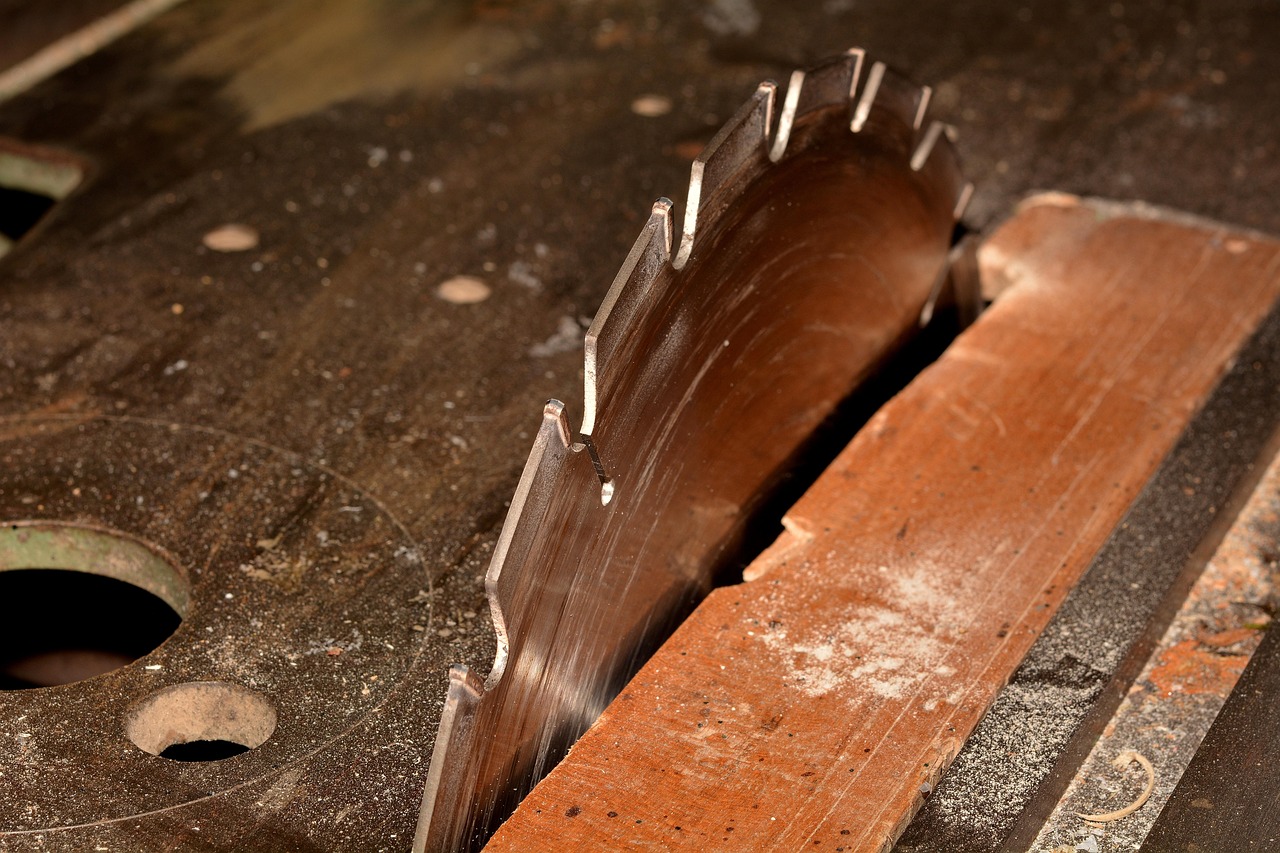
The list of safety features will begin with the most important safety feature on a saw. The riving knife is the single most important safety device that can be found on a table saw. The riving knife is situated behind the saw blade and into the kerf of the wood that is being cut.
The riving knife will not allow the two sides of the wood to be pinched shut when the saw is cutting them. If the two sides of the wood are pinched together, the wood can kick backwards at a velocity of 100 mph and potentially kill the individual who is using the saw. By using a properly adjusted riving knife, this danger is eliminated from the saw cutting process.
The riving knife that is found on modern saws has some benefits over the splitter that was used on older models of saws. With the splitter, the device would be fixed to the saw table. With modern saws, a riving knife will rise and fall with the blade and will also tilt on the same axis as the saw blade when cutting wood along the bevel.
This allows the riving knife to be left in place during most tasks with the saw. The alternative to using a saw with a riving knife would be cumbersome to have to remove and reinsert the riving knife after each task. The difference between cutting with and without a riving knife is very greatly; individuals who are used to using one will find using a saw without a riving knife to be like driving a car without seat belts.
2. Blade Guard
The blade guard on a table saw has changed over time. Older models of saws used plastic guards that were large and clear but were also thrown into the corners of the workshop. Modern saws have guards that are sleek and dont require the user to use any tools to place them onto the saw.
The blade guard will remain in place on the saw. The guard will prevent the user from getting into the way of the spinning saw blade while still allowing the user to have visibility of the cut. Some modern saws have blade guards that can split into two side that allow only the blade guard that is in contact with the wood to be lifted out of the way.
One of the main purposes of the blade guard is to prevent accidents while performing ripping operations on the saw. When performing ripping operations, a user has a tendency to drift their hand into the saw blade if they are fatigued or otherwise distracted. Using the blade guard will force the user to not drift their hand into the blade, and it will also contain the wood debris that would otherwise enter the user’s line of sight.
3. Anti-Kickback Pawls
The anti-kickback pawls on a saw are often overlooked due to their placement behind the saw blade. In the case of an instance where a piece of wood becomes caught in the saw, these anti-kickback pawls will engage and prevent the wood from being ripped backwards into the individual. These devices will work especially well with thin pieces of wood since the riving knife alone may not be effective in preventing the wood from being ripped backwards into the saw operator.
When these anti-kickback pawls are engaged, the user will hear a metallic click as the saw blade is prevented from being ripped backwards into the wood saw operator. Some wood workers will disable the anti-kickback pawls for specialized saw operations, such as when ripping hardwoods or making intricate joinery cuts that may damage the paws. However, the temptation to disable the paws will vanish once the individual has experienced how fast the blade can move into the saw operator if the anti-kickback paws are not engaged.
The anti-kickback paws should be kept sharp and clean so that they can be efficiently engaged when needed. The location of the power switch on a table saw is another safety feature that many individuals will find important. Modern table saws have paddle switches that can be operated by the user’s knee or elbow in case their hands are involved in cutting wood.
4. Paddle Switches
The paddle switch is located near the front of the saw table so that the user does not have to reach across the spinning saw blade to turn the saw off. Placing both hands on wood that is being sawn and reaching across the saw blade is the number one way of losing control of a table saw. Using a paddle switch for the power to the saw will allow the user to turn the saw off without moving their hands from their sawn wood.
Higher-end saws will have magnetic switches that will turn the saw off during a power outage so that the saw cannot be unexpectedly started when the power is restored. All table saws manufactured today will have a dust port on the saw table. The purpose of the saw dust port is to prevent the fine sawdust from entering the air and reducing the user’s visibility of their workshop.
Additionally, fine sawdust will coat the floor of their workshop so that it becomes a skating rink. Additionally, breathing the sawdust for many years may lead to lung problems that will not be apparent until they become severe. By connecting the sawdust port to a sawdust extraction machine, the machine will remove the fine chips and sawdust from the saw before they have time to coat the saw blade.
5. Sawdust Port
With visibility of the work area, the saw operator can maintain better control over the saw. A table saw that does not have a sawdust port under the table will benefit from the installation of a blade guard that also features it’s own overhead sawdust collection system. Using the sawdust port under the table saw and the overhead sawdust collection system will keep the saw operator’s lungs and sightlines in good health.
6. Push Sticks and Push Pads
Push sticks and push pads on a table saw are essential tools and deserve their own discussion. The best saw in the world will not protect the saw operator with fingers that are involved in feeding wood into the saw. A quality push stick will keep the operator’s hand several inches from the saw blade.
The best push sticks will apply downward and forward pressure to the board to allow for the saw blade to pass through the board. The best push sticks will feature a heel on the tool that hooks onto the back edge of the board so that the board cannot slide into the saw. A saw operator may begin with a wooden push stick cut from a board that is being sawn.
The scrap push stick will work once but will eventually fall short in its job of protecting the individual’s fingers. Investing in a few quality push sticks will pay for itself the first time the operator uses one and avoids cutting into a wooden piece that is dangerous with the fingers that are involved in sawing it. The best push sticks will become a habit in the operator to always reach for one before cutting with the saw.
7. Throat Plate and Zero-Clearance Insert
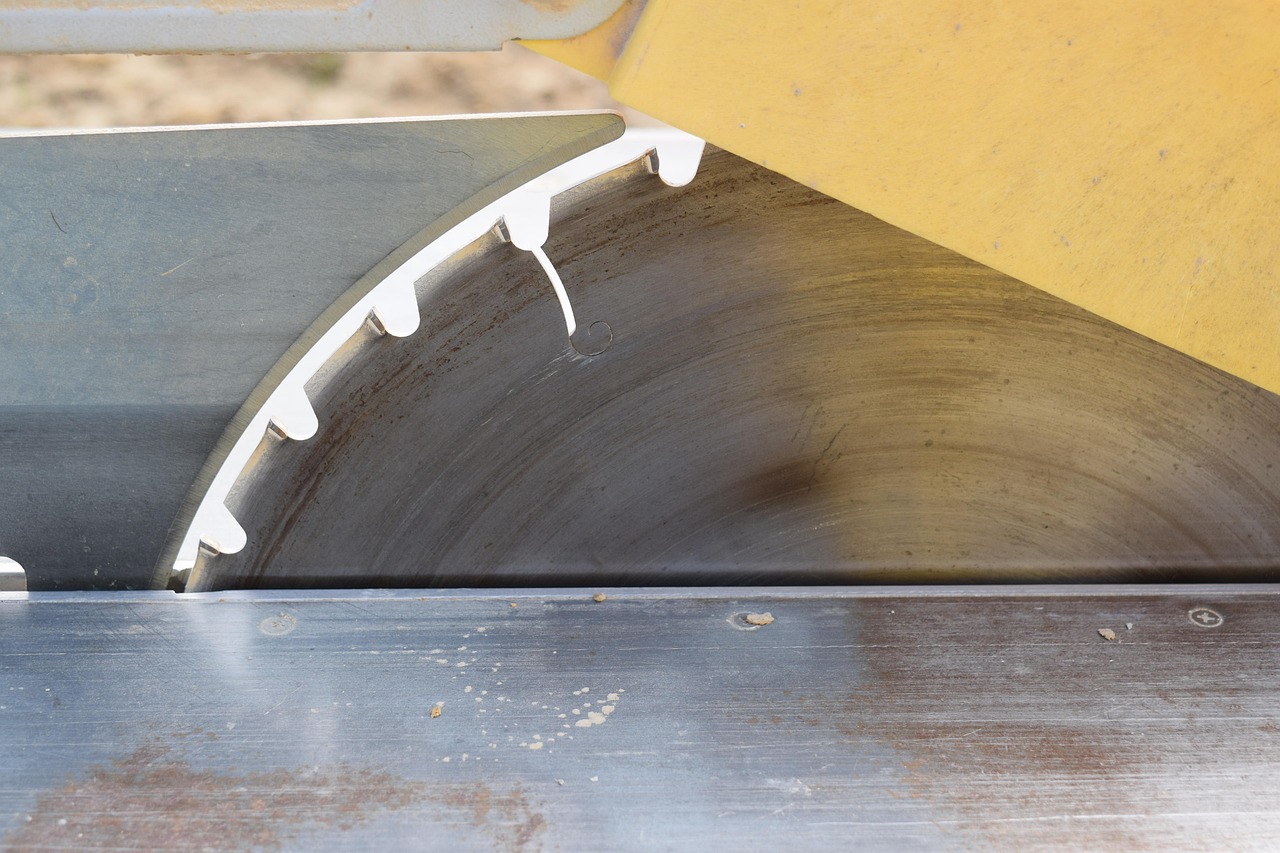
The throat plate that is placed around the saw blade may appear to be a quiet safety feature. However, the throat plate plays a critical role in the saw. A zero-clearance insert for the throat plate will create a gap between the saw blade and the table saw that is thinner than a sixteenth of an inch.
This will prevent small offcuts from falling into the saw cavity. These small offcuts will not enter the saw cavity and will not kill the saw operator with a kickback of the wood that was sawn. A zero-clearance insert will also reduce tear-out on the underside of plywood and melamine sheets.
Installing a zero-clearance insert for the throat plate will take five minutes to complete. Additionally, if the operator makes the insert themself, it will cost almost nothing to purchase. The quality of the cut that will be made with the saw will be improved with the use of this insert.
However, the real benefit of the zero-clearance saw insert is that it will allow the workpiece to be better stabilized against the saw teeth. This will also reduce the chance of the workpiece being sawn into the saw blade by the vibration of the board against the saw. This safety feature works in conjunction with all the other safety features on the saw.
8. Overload Protection and Magnetic Starters
A saw can feature overload protection and magnetic starters. These features will prevent the saw from suddenly being started again once the individual has cleared a jammed piece of wood from the saw. If the saw motor is tripped by a jammed board, the magnetic starter will remain in the off position so that it will not start the saw again with the wood that is jammed in the saw table.
Saws with magnetic starters will prevent the motor of the saw from overheating due to the jamming of the saw blades against pieces of wood. Overheating can lead to a loss of power when the saw is in operation. A saw that struggles and loses power to successfully cut wood can lead to a kickback of the wood that was being sawn.
These electrical safety features are used to support the many mechanical safety features on the saw. Finally, the saw features a miter gauge and a rip fence. The accuracy of these two features has a direct effect on the safety of the saw user.
9. Miter Gauge and Rip Fence
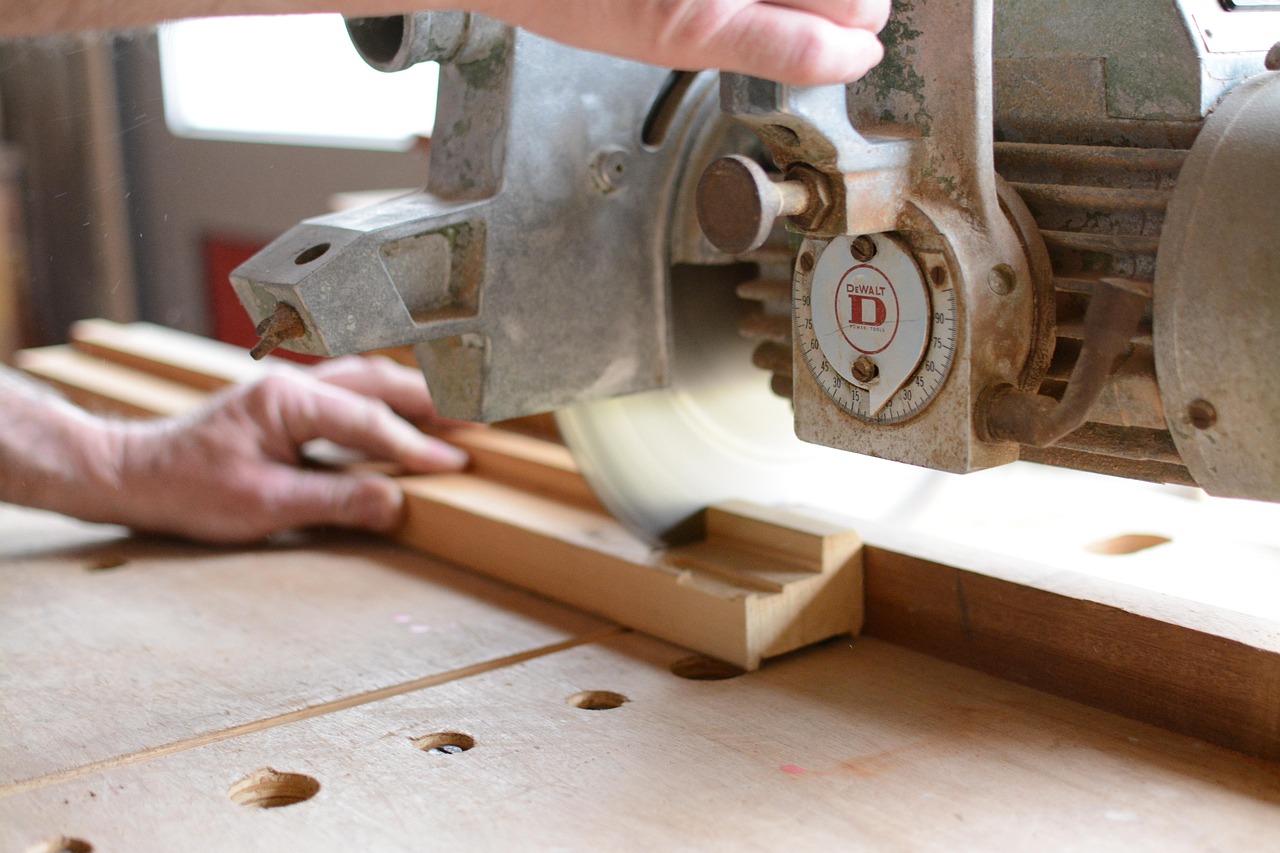
If the rip fence is not set to be perfectly even with the saw blade, it can become caught on the saw blade while the user is sawing wood. The same can happen with the miter gauge if there is too much movement in the saw. The rip fence should be adjusted to ensure that it is perfectly even with the saw blade.
Using a dial indicator or a square to test the rip fence will allow the saw operator to make the adjustments required to allow the fence to be perfectly even with the saw blade. The same adjustments should be made to the miter gauge. If these two saw features are set up so that they act according to the saw operator’s expectations, all the other safety features on the saw will work better.
Walking away from the workshop table saw with all ten fingers on one’s hand is a good feeling that a saw operator will never lose its appeal. All of the safety features on a table saw were created to prevent the deaths of saw operators due to the dangers of wood and metal blades that are not looked after properly by a user. You should take the time to understand each safety feature.
You should keep each safety feature in good working order. Finally, you should use each safety feature every single time you use the saw. The safety features will eventually become as natural to your saw as the smell of the fresh sawdust.
This sense of confidence and caution is that which will transform a dangerous tool into a trusted tool in your workshop for your entire life.
