
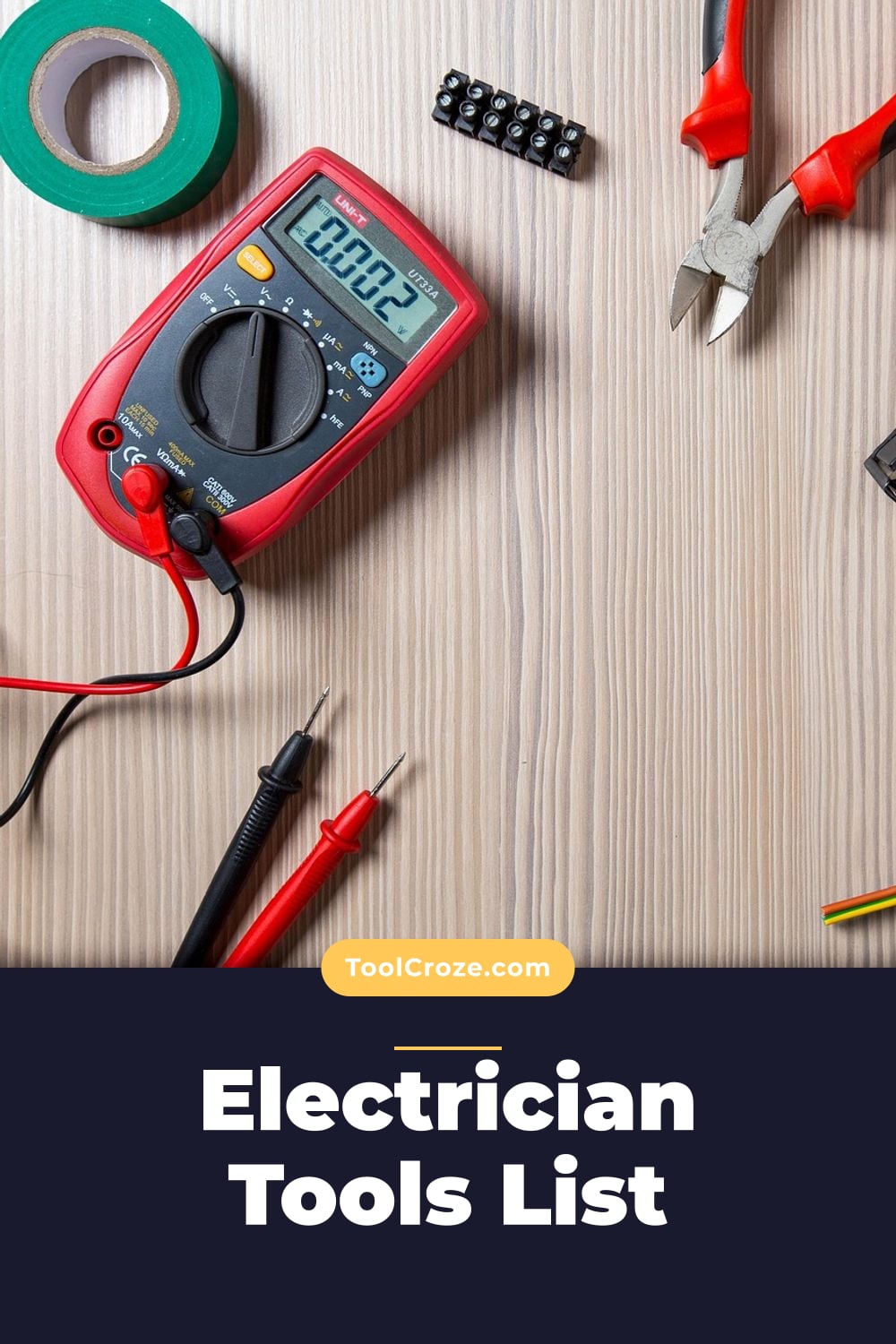
A good set of tools will transform electrical works from a guessing game into a craft. If you dont have a good set of tools, you will waste time and risk an electric shocks. The only real difference between a weekend worker and a professional in the field is the tools they brings into the job.
There are specific tools that every electrician should have to complete the most common job. These jobs range from new construction to fixing old houses. Each of these tool will solve a specific problem that will be faced when completing electrical work.
Essential Tools Every Electrician Should Own
1. Voltage Tester
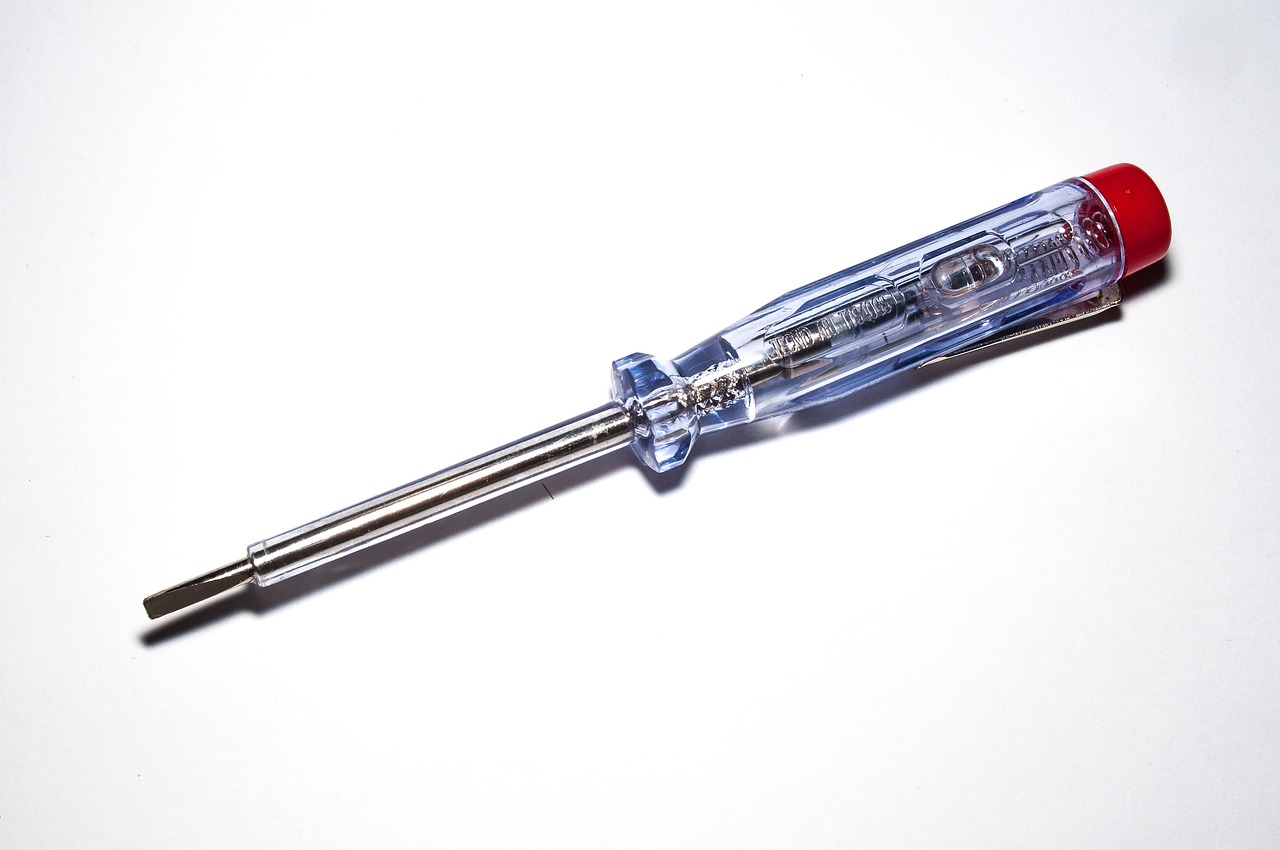
The first tool that an electrician should purchase is an voltage tester. Voltage testers will help determine if a wire is dead before it is touch. There are different kind of voltage testers, but the best ones include both non-contact sensors and test lead.
By holding the probe to a wire, the voltage tester will let the electrician know if the wire have voltage in it. A voltage tester should always be on the electrician’s belt because that is the first thing to check before working on a circuit to ensure it is off. The next best tool to purchase is a multimeter.
2. Multimeter
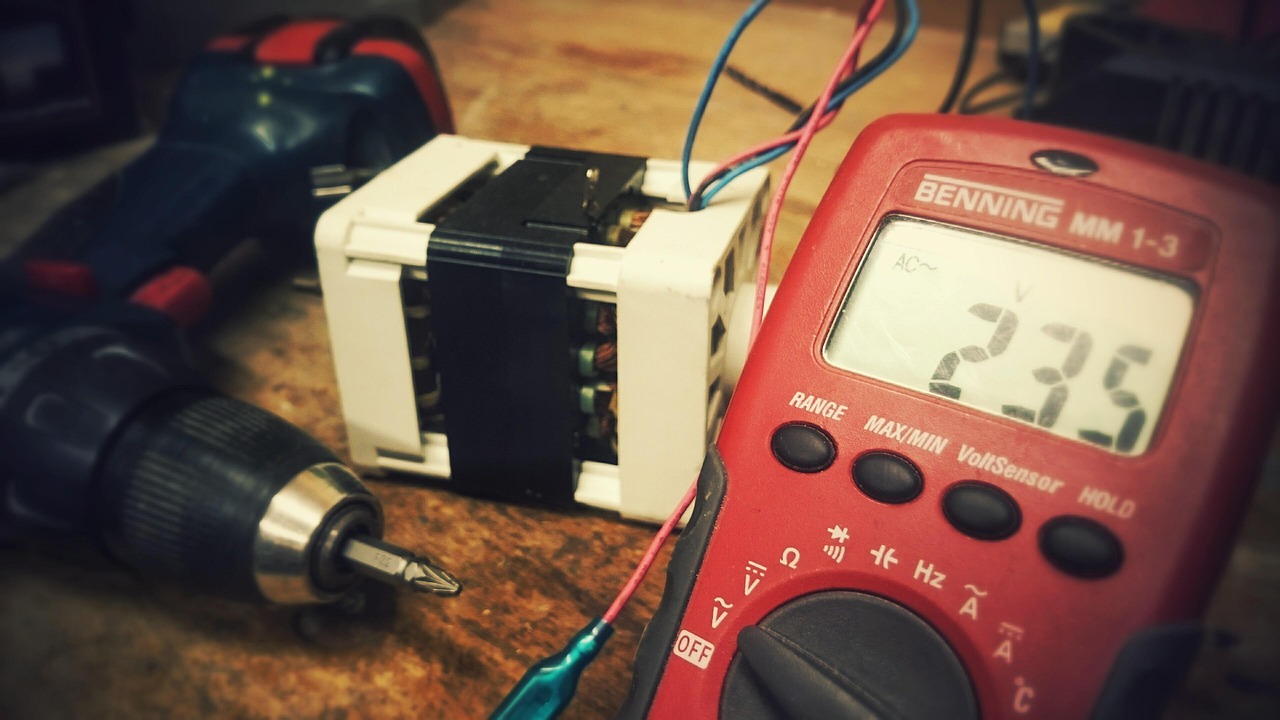
While the voltage tester will tell the electrician if there is voltage in a circuit, the multimeter will tell the electrician the number of volt in a circuit. Additionally, a multimeter will allow the electrician to check the resistance of a circuit to find break in the wire. Another feature that electricians should look for is auto-ranging setting for the multimeter so that it is easy to find the proper setting when measuring resistance.
Another desirable feature is a big LCD screen to allow the electrician to read the multimeter from an arm’s length away. Lastly, the leads on a multimeter should feel substantial so they do not falls out of the tool while the electrician is working on a circuit. The third tool that an electrician should have is lineman’s pliers.
3. Lineman’s Pliers
Lineman’s pliers are necessary for cutting heavy conductor and crimping in new outlets. The thick jaws and leverage on lineman’s pliers will allow the electrician to shear through #6 copper conductors without any hesitation. Additionally, a crimper built into the back jaw of lineman’s pliers should be there to save the electrician from having to purchase a separate crimping tool.
Lineman’s pliers are built to take the wear and tear of daily electrical repair; they are not delicate tools. After using lineman’s pliers for a decade, the handles may be chipped but the cutting edge will still be able to snap into place without issues. The next tool that an electrician needs is a pair of needle-nose pliers.
4. Needle-nose Pliers
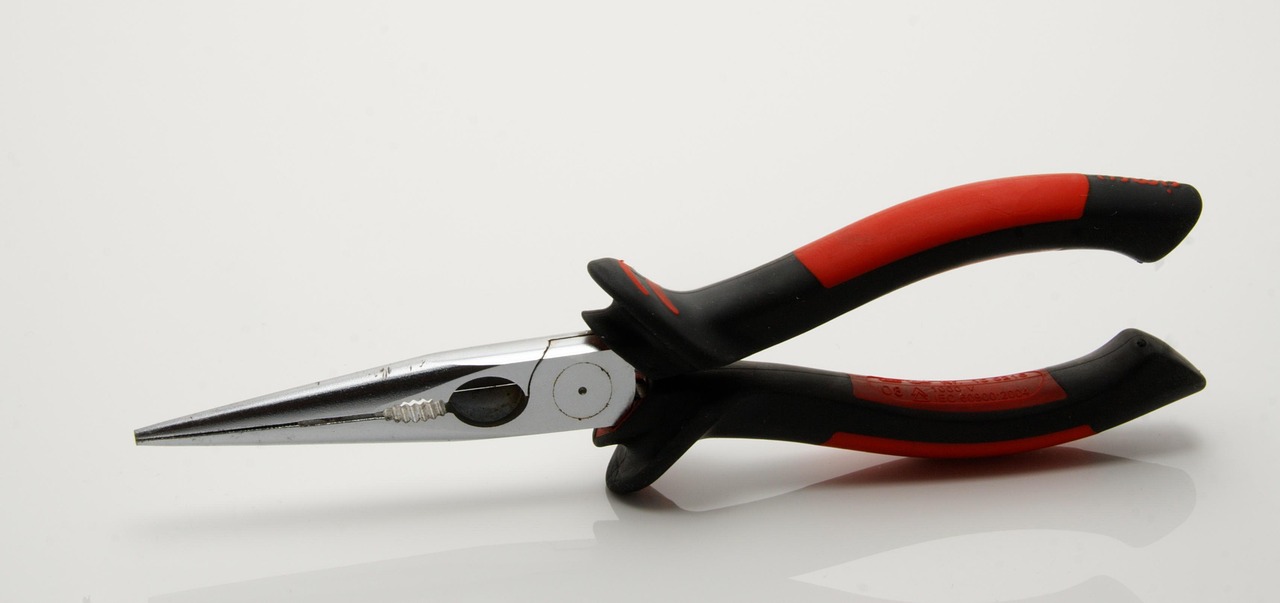
Needlenose pliers are used for smaller job that lineman’s pliers cannot handle. For instance, an electrician needs needle-nose pliers to pull a wire through a knockout in the wall. Additionally, needle-nose pliers allow for bending a small hook at the end of a wire for a screw terminal in an electrical device.
Look for a pair of needle-nose pliers with flush cutters built into the tool because they will be used in trimming stray strand of copper wire dozens of times per day. Additionally, the spring-loaded handles on needle-nose pliers will reduce the fatigue of the electrician’s hand over the course of the day. The next tool that should be purchased is wire stripper.
5. Wire Stripper
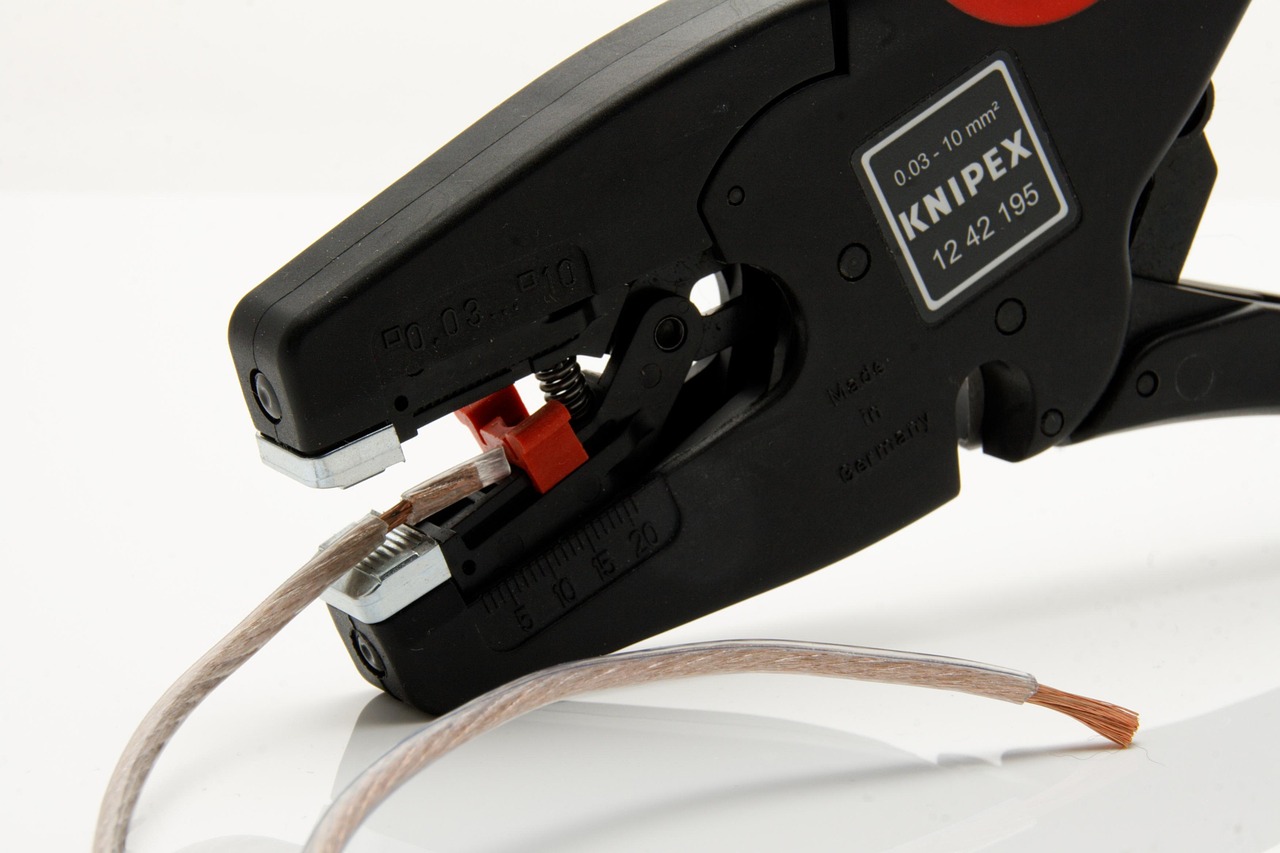
Wire strippers will allow for the insulation of a wire to be stripped without nicking the conductor itself. Cheap wire strippers will nick the wire and introduce a weak point in the copper conductors. Look for strippers that come in sizes from 10 gauge to 22 gauge so that they can handle the most common wire in an electrical box.
Additionally, look for wire strippers that allow the electrician to set the depth to which the insulation will be stripped from the wire. The next tool that should be purchased is a fish tape. A fish tape is used to push the wires through conduit to the electrical device.
6. Fish Tape
Fish tapes are made of fiberglass or steel but must have the flexibility to push through tight corner in the walls and conduit for the wiring jobs. The wire will be taped to the end of the fish tape and the fish tape will be pulled through the conduit to the electrical device. Look for a good quality fish tape with a comfortable handle and a locking tool so the tape does not slip out while pulling the tape through the conduit.
Additionally, it is important to keep the tape clean and lightly oil so that it will last hundreds of electrical jobs. A set of screwdrivers is a tool that deserves more attention from electricians at the beginning of their career. There are three sizes of flathead screwdrivers and three sizes of Phillips screwdrivers.
7. Screwdrivers
Additionally, there are square-drive bits for fixture that use these drives. The shafts of the screwdrivers should be insulated to allow the electrician to work on live electrical panels. Magnetic tips will make it easier for electricians to find any lost screw.
Additionally, a ratcheting screwdriver will make it easier for electricians to turn dozens of screws in the same spot. Drills and impact driver have taken over the hand tools for most jobs in the electrical field. An impact driver will allow the electrician to sink long screw into hardwood without damaging them or creating strain on the electrician’s forearm.
8. Impact Driver
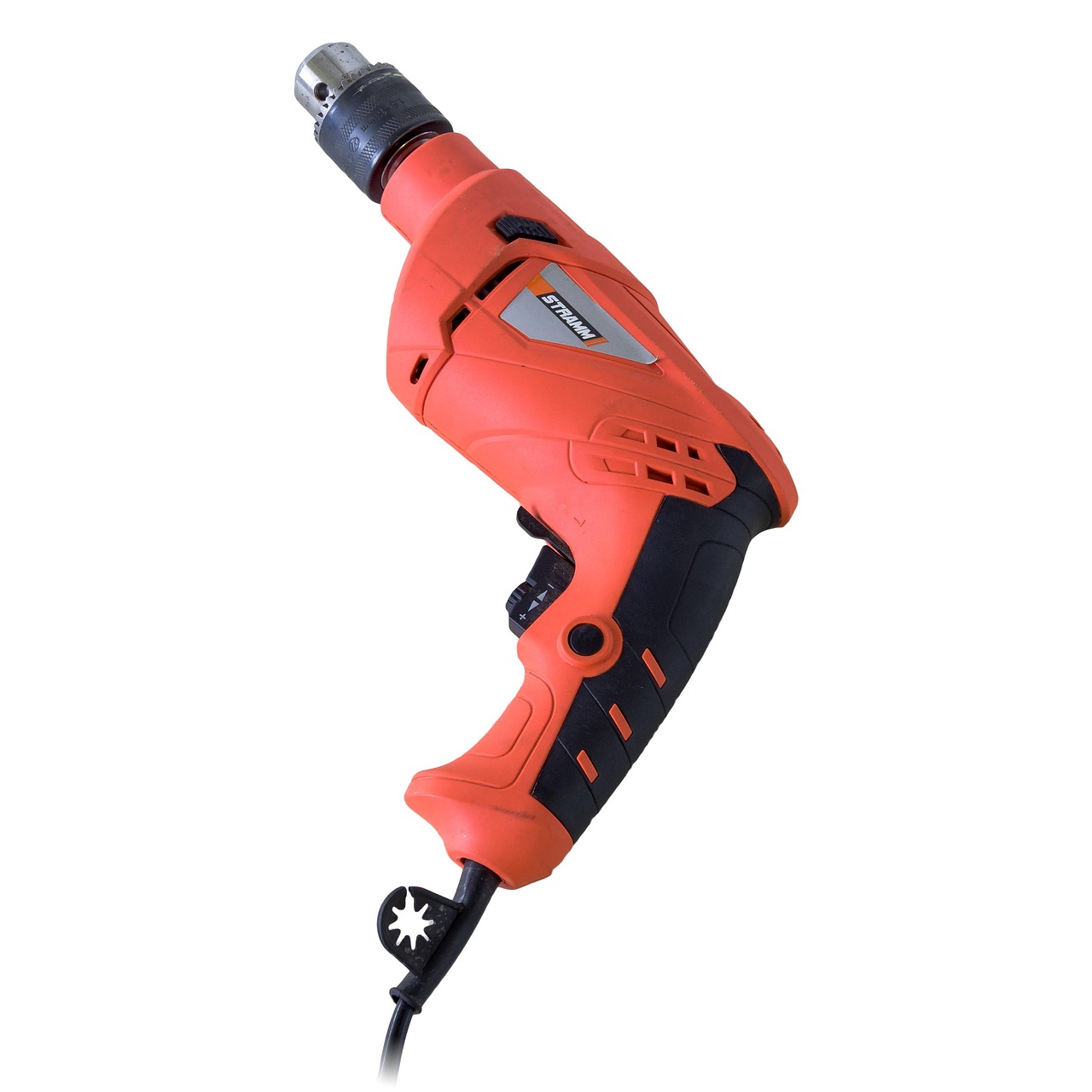
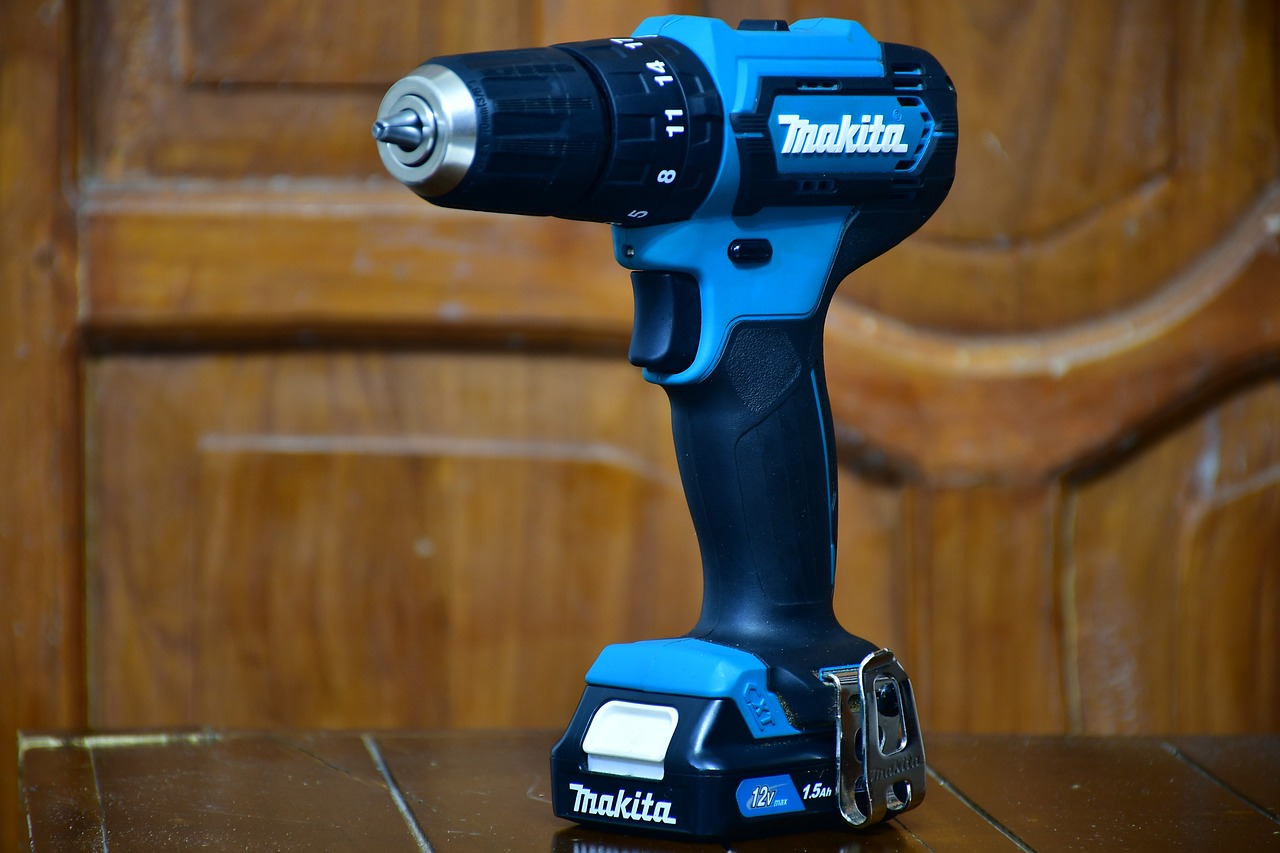
Look for a cordless drill and impact driver with at least two battery so one is charging while one is in use. Additionally, have a separate set of drill bits for electrical work so as not to contaminate the bits used for other trades. A cordless drill will handle a variety of job in the electrical field.
9. Cordless Drill
A hole saw set is necessary for opening the walls and cutting opening for electrical devices. Bi-metal hole saws will stay sharp after being used to cut dozens of nails in old wooden walls. The arbor that holds the saw should lock into place so it does not create an oval hole in the cutting.
10. Hole Saw Set
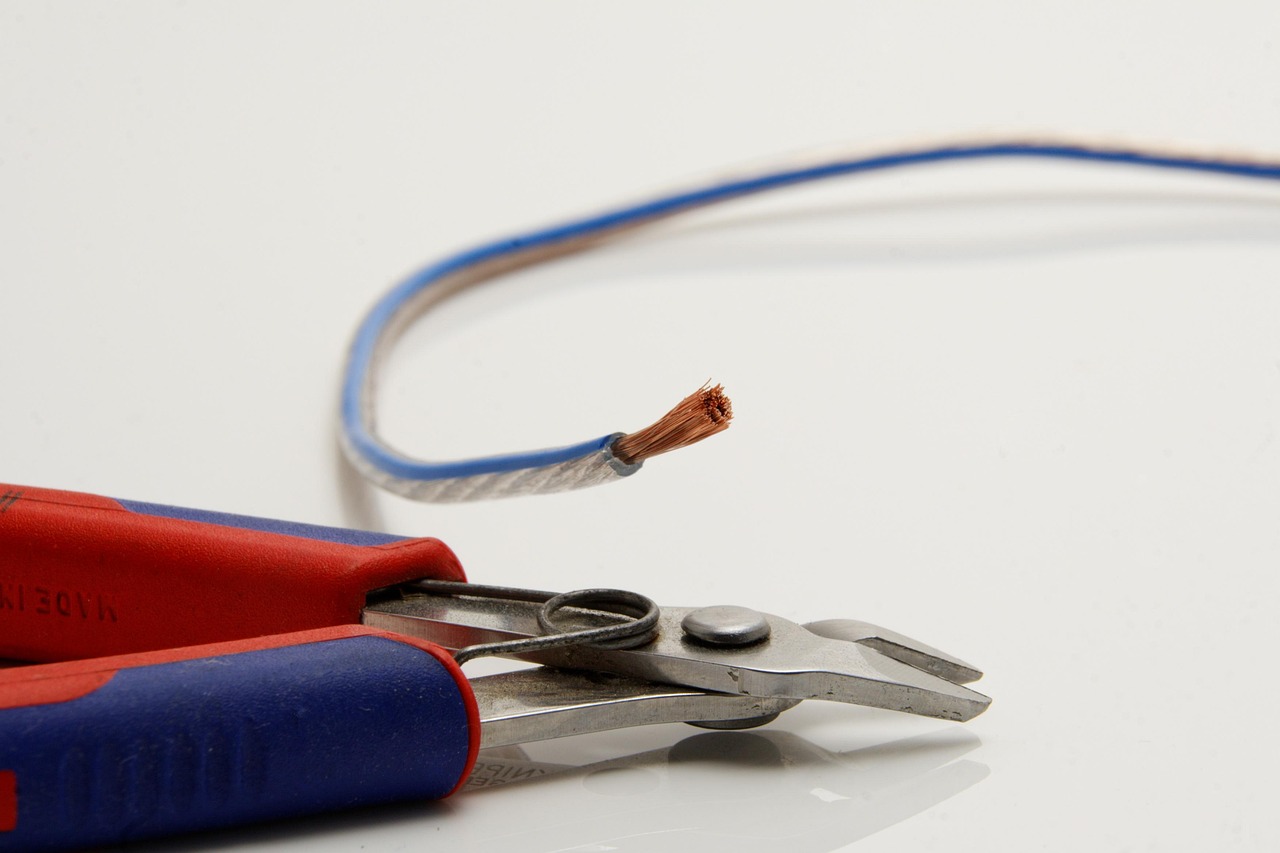
Additionally, use a stud finder with the hole saw to avoid cutting into a live wire or plumbing pipe. Cable cutter will allow for cutting of the large electrical feeds. Side cutters will not be able to cut thick cables cleanly so they are not recommended for electricians.
11. Stud Finder
Additionally, look for ratcheting cable cutters that can cut 500 MCM aluminum and create a square end to the cable when it is cut. These tools are heavy but worth the weight when they are used daily on jobs up on the ladder. The last tool is the tape measure.
12. Cable Cutter
An electrician’s tape measure should have a reinforced hook so it does not get damaged in the job site. Twenty-five feet of tape measure should be sufficient for most electricians but a 35-foot tape measure is preferred for commercial job. The fractions on the tape measure should be readable from upside down when marking electrical devices at odd angles.
13. Tape Measure

Additionally, it should have a locking tape measure so it does not slip while measuring electrical devices. While these tools will not guarantee that the electrician is going to be successful with their work, they will remove the majority of the difficulty that will transform an easy job into a long and frustrating ordeal. The voltage tester and multimeter are the most important tools and the electrician should purchase them first.
After these essential tools, buy the rest according to job demand. Eventually, the tool bag will no longer be dead weight on the electrician’s shoulder but an extension of their hand.
