
When choosing the appropriate wood drill bit for the task, a person may think that it is a small detail. However, using the wrong wood drill bit can develop into a series of problems. For example, a wood drill bit can wander off of the project.
Additionally, a wood drill bit can burn the edges of the project that it is creating a hole in. Finally, if a wood drill bit snaps while drilling into a hardwood plank, that can also develop into a problem. Each type of drill bit is made for performing a specific task.
If a person understand the differences between the different types of wood drill bits, they will save time, money, and effort in their woodworking projects. Wood can be different in the way that it grows. For example, some type of wood are harder to cut than others.
A drill bit that works for cutting soft pine can lead to chipping if used on oak. Additionally, the same wood drill bit can burn the edges of a project if used in maple. If a person understands the different types of wood and the properties of each type, they can work with the wood instead of fighting against it.
The different types of wood drill bits is described in the paragraphs that follow.
Different Types of Wood Drill Bits to Use
1. Twist Bits
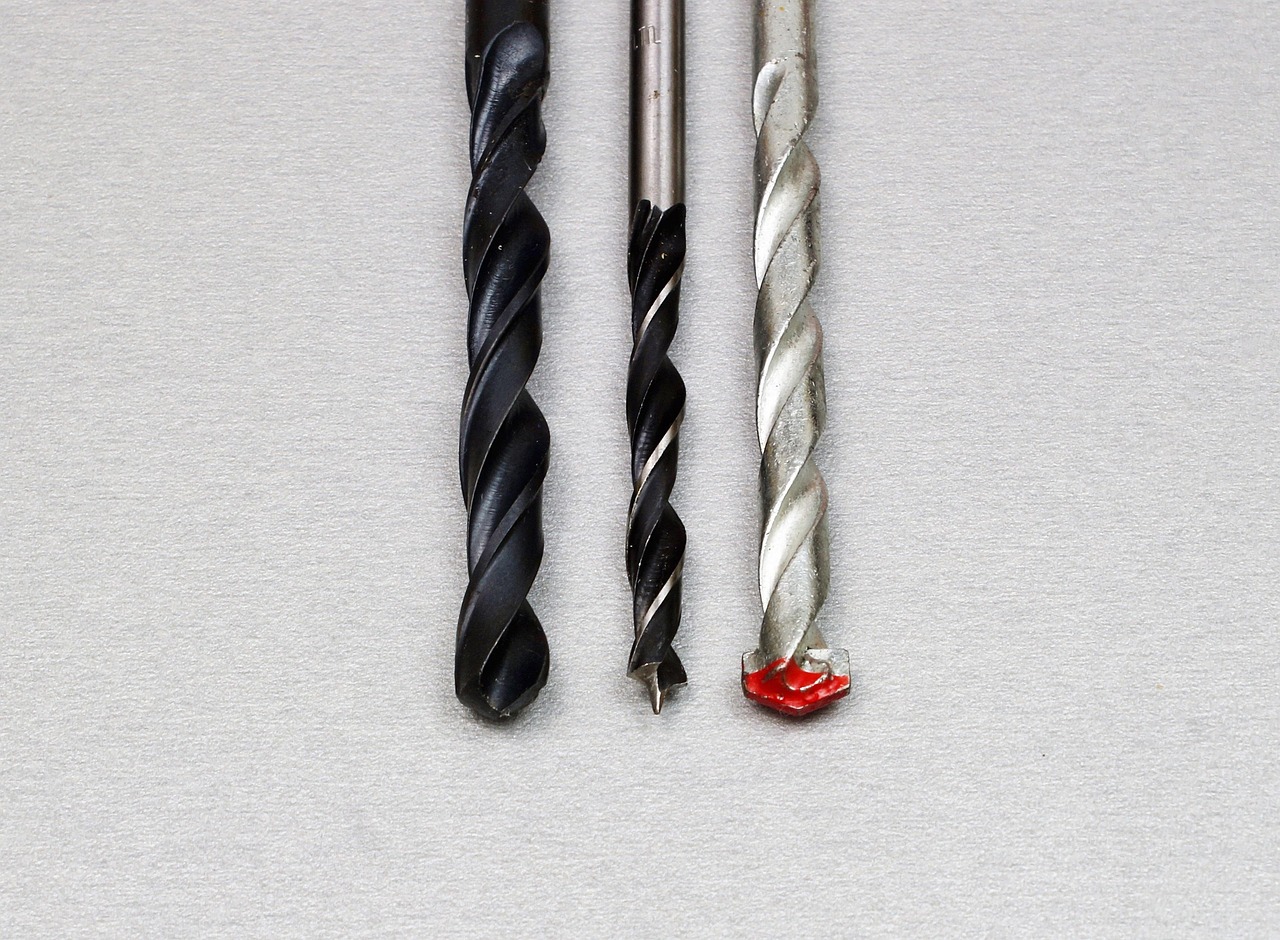
Twist bits are the wood drill bits that many people think of when the term “drill bit” is mentioned. These drill bits are available in a variety of diameter.
Additionally, twist bits can be found in every hardware store for a variety of different projects. The helical flutes on the bits will help to remove the sawdust created when drilling into the workpiece. Additionally, the pointed tip of the bit will aid in keeping the bit from wandering when working with soft woods.
Twist bits are used in softwoods such as pine, cedar, and plywood. However, twist bits have a tendency to wander if they encounter the earlywood rings of oak trees or if the wood is drilled too hard with too much pressure. To prevent this wandering, an awl bit can be used to create a dimple in the wood prior to drilling with the twist bit.
Additionally, twist bits will burn if they are used too fast in dense woods. Reducing the speed of the twist bit will prevent burning of the edges of the woodwork. A set of high-speed steel twist bits will last a person for eighty percent of the woodwork that they will create.
2. Brad-point Bits
Brad-point bits are more precise than twist bits. The braid-point bits has a sharp center spur and two cutting spurs on each side of the center spur. The center spur will first enter the workpiece and hold the bit in place.
Brad-point bits are used to create dowel joints, place hinge screws, and drill through the center of a pencil mark. Brad-point bits will create a nice, even entry in the wood because the spurs will cut a perimeter around the bit prior to the bit lifting the remaining wood. Brad-point bits are used for projects such as furniture and cabinet making.
However, because brad-point bits can become clogged in deep holes, the bit must be removed every half inch. For those who own only one type of specialized drill bit, owning a set of brad-point bits will save time in the workshop because the precision is very high.
3. Forstner Bits
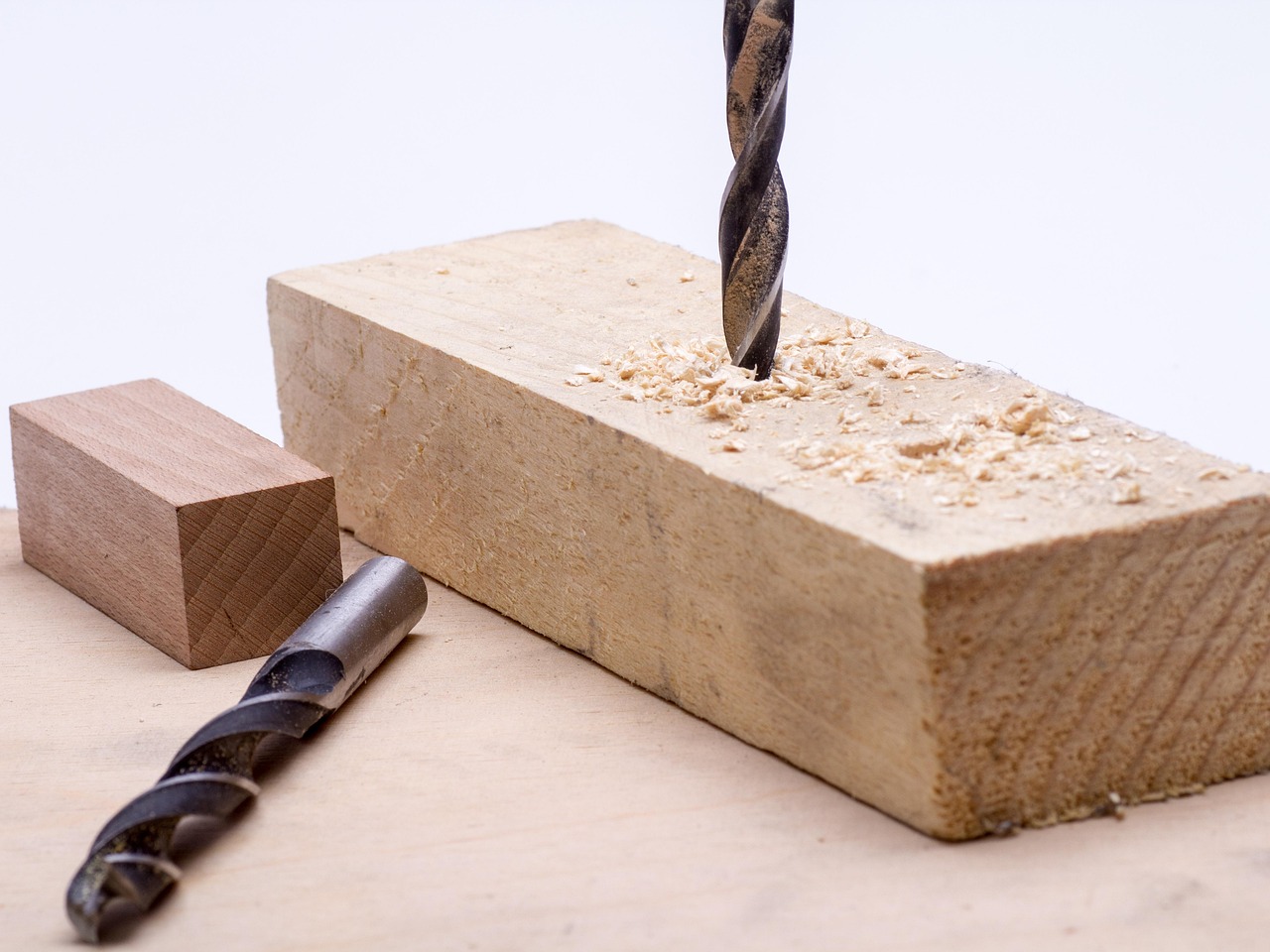
Forstner bits are used to drill holes that have flat bottoms.
Forstner bits do not have a pointed tip. Instead, the bits has a rim of teeth that cut the outer edge of the workpiece. The remaining cutters on the Forstner bit plane the remaining workpiece to create a flat bottom to the hole.
Forstner bits are used for installing cup hinges, stopped mortises, and recessing bolt heads for flush placement on the workpiece. The benefits of using a Forstner bit comes at a cost. Forstner bits create alot of heat when drilling.
Additionally, a Forstner bit must be used in a drill press or with a very steady hand. Forstner bits will cut more slowly than twist bits. However, the slower speed allow it to cut smooth walls in the workpiece.
Forstner bits should be set to a low speed when beginning the project. A set of Forstner bits will allow ordinary projects to appear like they were made in a high-end shop.
4. Spade Bits
Spade bits are used in projects that require fast drilling.
Additionally, they are inexpensive and used in rough tasks. For example, spade bits will cut through studs to run wires or drill holes in pipes. The broad cutting edges of a spade bit will quickly cut through softwoods, and the long shank of the bit allows woodworkers to drill in tight spots.
However, the speed with which spade bits drill can cause the bits to leave ragged edges in the wood. Additionally, the wood can splinter if the bit is not used behind a backer board. The bits will wobble in the workpiece if the diameter of the hole is over one inch.
In these cases, an auger bit is the tool that will best perform the task. A good set of spade bits can save time on projects around the house.
5. Auger Bits
Auger bits are used for heavy duty tasks like timber framing.
The bits have screw-type points that pull the bit into the wood. Additionally, the long flutes on the bit will fling the sawdust out behind the bit. Auger bits are used in drilling deep holes in wooden beams or drilling multiple holes in line with lag bolts.
Because the bit features a lead screw that feeds into the workpiece, more pressure need to be applied with the hand to the drill. The downside to using an auger bit is that the lead screw on the bit will yank the bit forward when the drill begins to rotate. Additionally, the large flutes make the bit inappropriate for making shallow holes.
An auger bit will leave a dimple in the center of the workpiece. However, if someone is drilling a large hole through thick pieces of wood, an auger bit will accomplish the desired task.
6. Countersink Bits
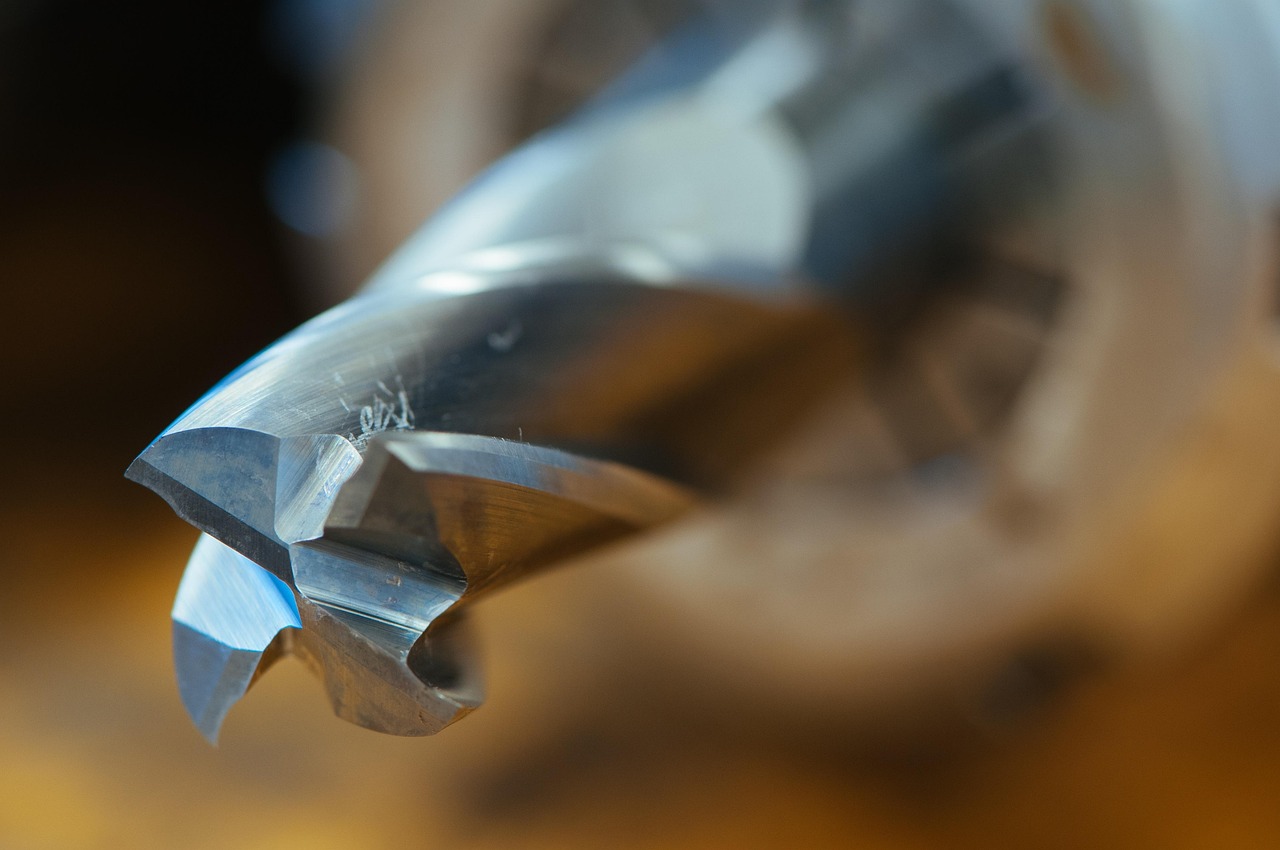
Countersink bits are small bits used to drill and chamfer the edges of a workpiece.
Countersink bits have a twist drill bit and a conical cutter that surrounds the tip of the drill bit. The conical cutter will create a recess for the flat-head screw. Countersink bits save people the steps of drilling a hole and then using another drill bit to chamfer the edge of the workpiece.
Countersink bits are especially helpful in trim and cabinet work where many screw need to be hidden in the workpieces. Countersink bits will leave a bevel along the cut edge. The size of the screw needs to match the diameter of the countersink bit.
If the countersink bit is to large for the screw, the workpiece will be weaker. If the countersink bit is to small for the screw, the screw head will sit above the workpiece. Once a person has found the right countersink bit for the workpiece, those bits will become very helpful in the workshop.
7. Step Bits
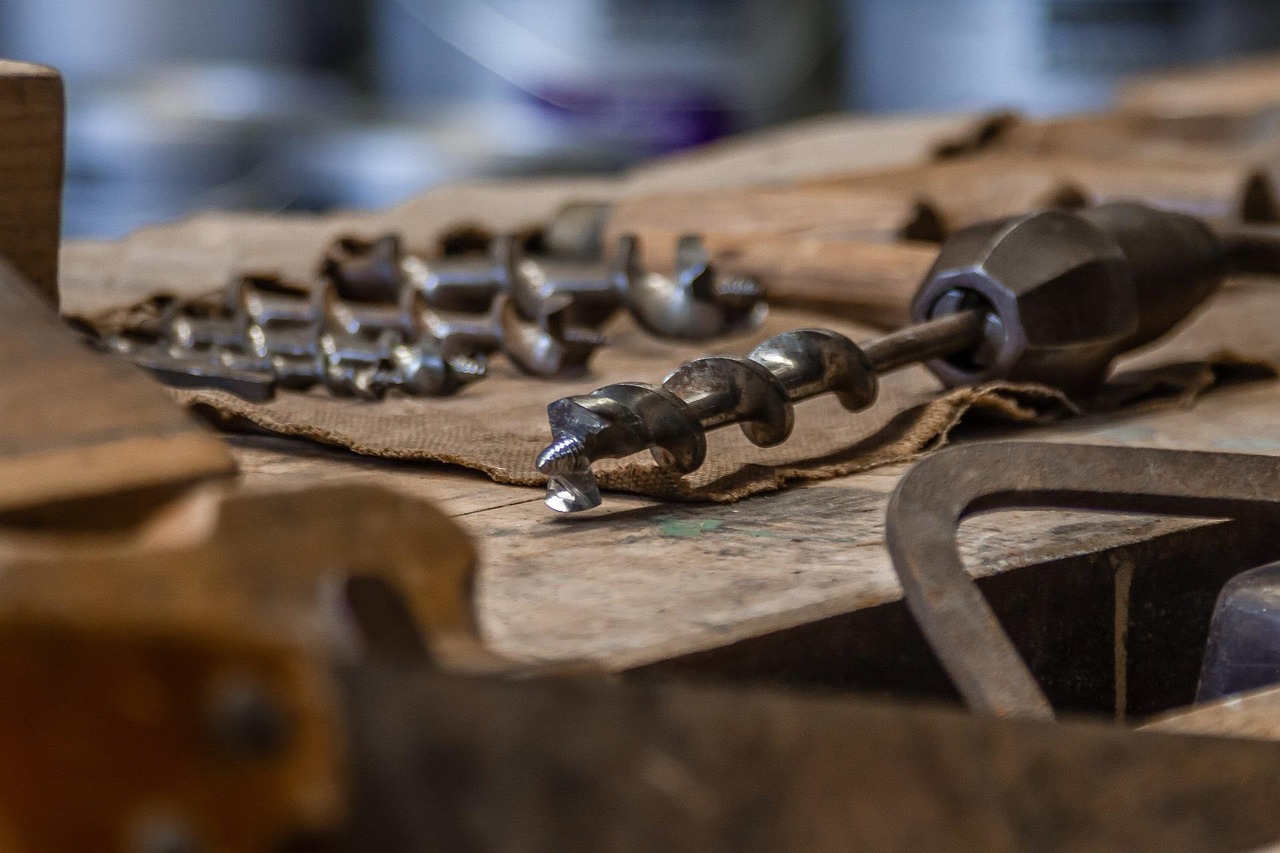
Step bits look like a metal Christmas tree and are very effective when used. Each step on the bit is increased in diameter from one step to the next. Thus, only one step bit can drill many different sizes of holes.
Step bits are used by electricians and HVAC technicians to drill into sheet metal. However, woodworkers will use a step bit to widen a hole slightly or to remove the burrs on the edges of plywood workpieces. Step bits will cut cleanly in thin wood.
However, if the step bit encounters hardwoods and too much pressure is applied with the wood drill, the bit will chatter. Thus, allowing the bit to cut one step at a time under steady pressure is the way to prevent the chattering. One set of step bits can replace a persons collection of twist bits.
Thus, it is a helpful tool in the workshop.
8. Plug Cutters
Plug cutters are not used to drill holes. Instead, plug cutters are used to cut wooden plugs to fill in the holes drilled by countersunk screws.
Woodworkers will cut the wooden plugs from scraps of wood. If the grain of the wooden plug matches the woodwork, the wooden plug will not be visible once finished sanding the workpiece. Furniture makers will use a plug cutter so that the woodwork looks as seamless as possible.
It is important to ensure that the wooden plugs are cut from the same board that will perform the work to ensure that the grain and color of the wood match. Additionally, if the plug cutter features a slight taper on the wooden plug, this will help to ensure that the wooden plug fits well into the hole. After allowing the plug to dry with wood glue, the plug can be sliced flush with a chisel.
Finally, sanding the piece will allow it to fully integrate with the rest of the workpiece. While it may seem like a small tool in the workshop, a plug cutter is an essential tool for woodworkers who want to deliver quality work. While the title of this article is about wood drill bits, masonry bits will also be discussed because they are helpful to woodworkers.
9. Masonry Bits
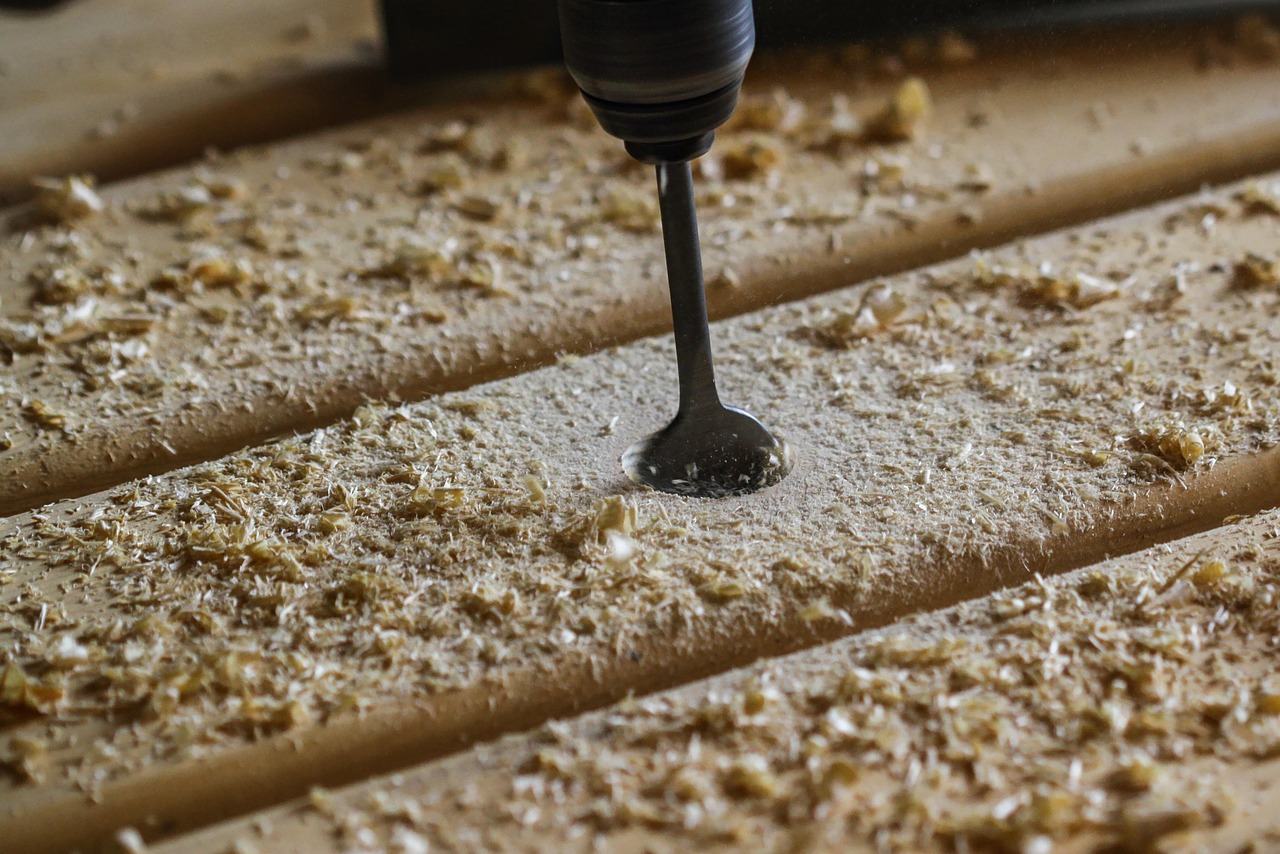
For instance, decks, fences, and shelves require drill bits that can drill into concrete. Because the carbide tip on the masonry drill bit will allow it to drill into cement without dulling the bit, it will be helpful to those who plan to drill into concrete. Should a person attempt to use a masonry bit in a wooden project, they will likely ruin their drill bit.
While a masonry bit will be slower in wood than a twist bit, it will not wander when drilling into a piece of wood. However, if someone plans to drill only into wood, using wood drill bits will save money and time compared to using masonry bits for wood jobs. Thus, it would be better to have separate masonry drill bits from wood drill bits in a workshop that creates wooden projects with cherry wood.
No matter which wood drill bits you choose, there are always two important things to keep in mind: that you should keep the wood drill bits sharp, and that you should know when you need to slow down with your drills. If your wood drill bits are dull, they will burn the wood more than a sharp bit will cut the wood, and the burned portions of the wood will be significantly weaker than the wood that has been cut by the drill bit. You should always take the time to ensure that the wood drill bit that you are using is the appropriate tool for the job, to listen for the sound that the drill makes, and to allow the drill bit to tell you when it is working comfortabley.
When you successfully create a perfect hole with one of your wood drill bits, you will remember the importance of understanding each of the different designs of drill bits out there. The right wood drill bit can make all the difference in a project.
