
A person can experience a significant disruption to a workday if a DeWalt table saw does not function corectly. More specifically, if a person flips the switch on the DeWalt table saw, but the blade does not change height even when the person turns the elevation wheel, work cannot proceed with that saw. This disruption is common among many woodworkers who use a table saw.
This problem is especially common on the portable jobsite models as these tools are often transported in truck bed. However, if a person knows which part to inspect on a DeWalt table saw, the fix to this problem is relatively simple. The elevation mechanism on a DeWalt table saw is a simple component yet prone to develop problems.
Before a person begins to tear a tool apart to replace a part, they should inspect the saw for the most common causes of the issue. Many of these causes has plagued experienced woodworkers using these tools in the past. By reviewing the possible causes of the blade not rise, a person can often fix the problem without spending too much money or time.
Common Reasons Your DeWalt Blade Won’t Rise
1. Loose Elevation Handwheel Setscrew
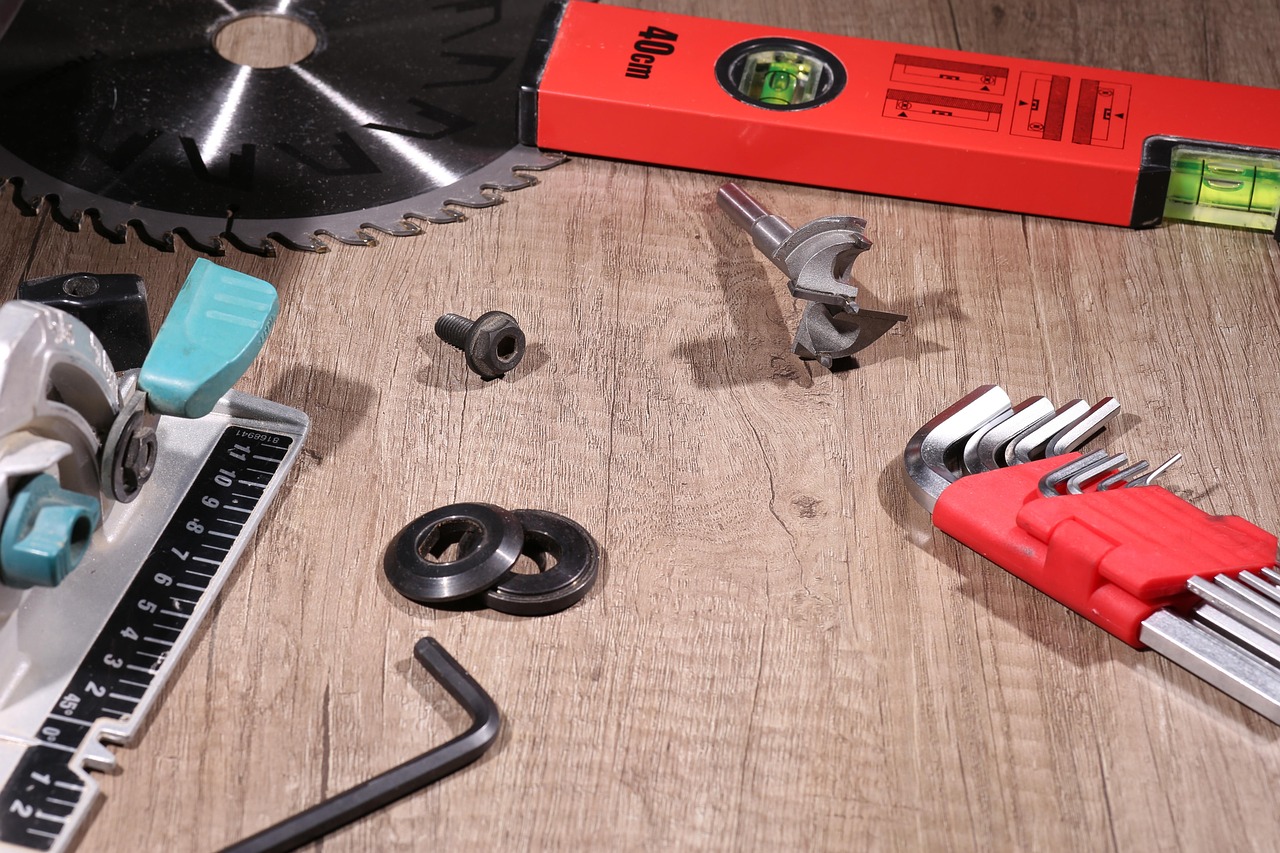
The first thing to inspect if a person’s blade will not rise is whether the elevation handwheel has become loose from the shaft of the saw’s handwheel. With many models of DeWalt table saws, there is a setscrew that hold the handwheel in place. The vibrations from transport or the woodcutting process over the years may have caused the setscrew to become loose.
A person should shine a flashlight into the area where the handwheel meets the saw’s table. If the handwheel is wobbling or the handwheel can spin without moving the blade up and down the saw, the setscrew is the issue. Tightening the screw with a hex key will make the blade rise and fall as the person turns the handwheel.
This solution is the most basic fix, yet it is the cause of many saw issues.
2. Dirty or Clogged Elevation Screw
The next thing to inspect are the thread on the elevation screw. When a person operates a table saw, they release a significant amount of sawdust and pitch into the tool.
The lubricant on the elevation screw often mix with the sawdust and creates a sticky substance that can set the screw’s nut in an immovable position. To free the saw, a person should remove the throat plate and the saw blade. Then, using compressed air, a person can clear the sawdust from around the saw arbor.
Using a brush to remove any remaining sawdust and applying a dry lubricant will allow the saw to function properly. Avoid using wet lubricants that will attract more sawdust into the saw. Once a person cleans the elevation screw, the saw will work as it did when it was new.
3. Misaligned Saw Trunnions
A person can also experience a problem with the saw trunnions. The trunnions, made of cast iron or aluminum, support the saw’s blade carriage. These components can shift if the saw has been transported or used heavy.
A person can lay a straightedge on the saw’s table and observe the saw blade while turning the elevation wheel. If the saw makes a grinding sound when the blade does not rise as expected, the saw trunnions are misaligned. A person can loosen the saw trunnion bolts and reposition the trunnion and saw carriage to a square position.
Once the saw is realigned, the bolts can be retightened. It takes some patience to achieve the proper alignment, yet the alignment of the saw’s blade will allow for accurate cutting of wood boards. Another common problem is a worn elevation nut on the saw’s carriage.
4. Worn Elevation Nut
These saws may be used every day in the workshop or the jobsite. The elevation nut move up and down the saw’s elevation screw. The nut may have worn down over time.
If the saw blade does not rise but the elevation handwheel turns, the nut is the problem. On most models, a person can drop the motor carriage out of the saw. Once the saw carriage is dropped, a person can replace the elevation nut.
It is a relatively inexpensive replacement part, so a person should of have a spare one in their toolbox. The gears in the saw’s height adjustment rack can also become problematic. These small metal or plastic gears work together to allow the saw blade to move up and down when the elevation wheel is turned.
5. Damaged Height Adjustment Rack Gears
These gears can chisel or become obstructed by sawdust. A person can shine a flashlight into the side of the saw cabinet where the gears are and turn the elevation wheel. If a person sees a chipped gear or debris caught between the gears, the gears may need to be cleaned.
A person can clean these gears by applying a small amount of white lithium grease to the teeth. With proper lubrication, the gears will work quiet for many years. A person should also inspect the elevation lock knob that is on the saw.
6. Stuck Elevation Lock Knob
The knob is used to lock the blade at a certain elevation, and the knob can get stuck, preventing the blade from moving. A person can loosen the knob completely and attempt to move the blade again. When a person finds that the blade moves when the knob is in a specific position, the knob requires a new washer or needs to be adjusted.
This problem is small but can seem significant when it prevents a saw from moving. Sometimes, debris has become stuck under the saw’s blade carriage. A person can tilt the saw and possibly remove the saw motor if necessary.
7. Debris Under Saw Carriage
Using a vacuum or compressed air to blow into the saw can clear the debris that is restricting the saw carriage movement. One small piece of debris can significantly impact the saw blade. Once the saw is cleared of the debris, the saw carriage can move up and down the saw blade smoothly.
Another problem that can happen is the saw’s elevation screw may be bent. A person may have taken the saw a hard turn while transporting the saw. The bent elevation screw will turn smoothly at certain heights yet bind at others.
8. Bent Elevation Screw
A person should remove the elevation screw from the saw and roll it on a flat surface. If the screw wobbles when rolled, it is bent. A person can buy a replacement saw screw and reattach it to the saw.
This repair is more challenging than the other fix but is still doable. Another last possibility is that the saw arbor or the motor has shifted and is touching another component of the saw. The contractor-style saw motor hangs from the saw carriage by a bolt.
9. Shifting Saw Motor or Arbor
If the saw chain is not secured properly, the motor may be drooping and rubbing against another saw component. A person can ask a helper to watch the saw motor as they turn the elevation wheel. If the motor is rubbing another saw component, the mounting points of the motor need to be inspected.
By following these steps, a person can usually get a DeWalt table saw blade to rise again. These steps start with the easiest fixes and work their way to the more difficult components of the saw. A person will find it satisfying to hear a saw blade move after a problematic issue is resolved.
Once the blade begins to move, the saw is ready for the next project. A person has turned a problem into a learning opportunity while using the tool.
