
A sharp edge makes a large difference in woodturning. When you have a sharp edge, you will produces clean shavings that will float away from the wood piece. On the other hand, a dull edge will produce a mess of wood fiber and vibration.
Woodturners must spend a large amount of time on the grinder to take care of their tool because a good sharpening routine will extend the life of the tools and produce better finishes with less difficulty from the turner. If you skip the sharpening routine or learn the basics of sharpening tools, you will face several problems in your workshop. Woodturners dont have to purchase a shop full of exotic tools to prepare their workshop for woodturning.
A few essential items will do the job of handling every tool that you will use in the workshop. These tools will handle the different types of tools from bowl gouges to scrapers. The following text will provide a description of the sharpening tools that will help woodturners in there workshop.
Essential Tools for Woodturning Sharpening
1. Variable Speed Grinder
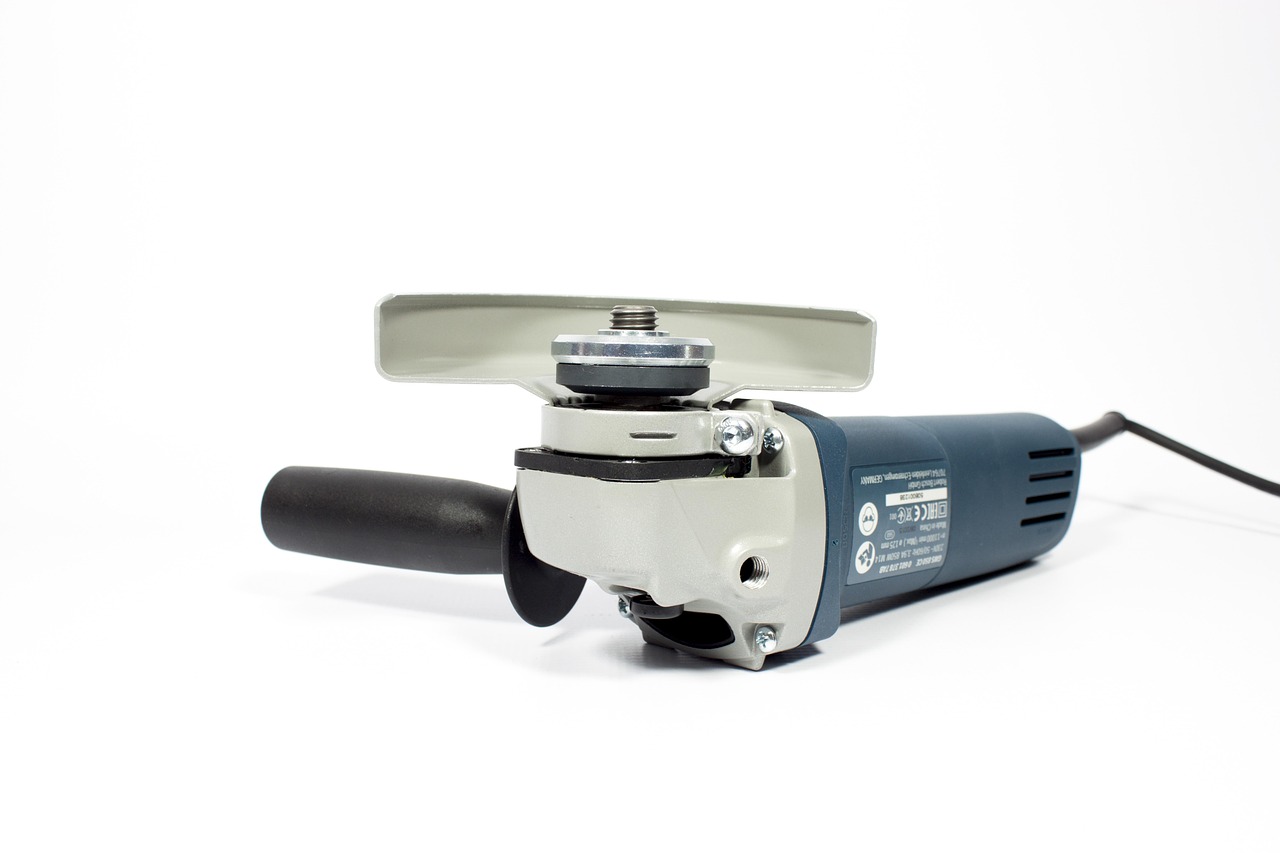
The first tool to purchase will be a grinder that has a variable speed. A slow-speed grinder that can go as low as 1,800 rpm will outperform a grinder that can go as fast as 3,600 rpm. The lower the rpm of the grinder, the less amount of heat that will be produce when sharpening the tools.
The less amount of heat, the less chance of drawing the temper from the high-speed steel tools. The grinder will be able to remove metal quickly from the tools. The lower the rpm of the grinder, the less amount of sparks that will appear when sharpening the tools.
Once you buy a variable speed grinder, a single-speed grinder will be difficult to use because the speed of the single-speed grinder can be loud and move the tool when sharpening.
2. Sharpening Jigs
A proper set of sharpening jigs will be important to your sharpening routine. When sharpening tools free hand, a woodturner will develop bad sharpening habit.
Sharpening jigs will hold the tool in the same angle to ensure that every tool will have the same appearance on both sides. For tools such as scrapers, you will want to produce a tiny burr on the tool. For tools like bowl gouges, you will have to produce the proper clearance angle for the tool.
Sharpening jigs will save your time in the workshop because instead of starting over each time you will sharpen a tool, you can simply switch tools for sharpening. When buying sharpening jigs, buy in a price range that will allow you to purchase a solid jig. Cheaper sharpening jigs may save you money up front, but over time they will flex and shift so that the jig will not accomplish its intended use.
3. CBN Wheels
CBN wheels are important tools for woodturners to purchase for their shops. The CBN wheels will change the way that you turn your wood regularly. The cubic boron nitride will stay flat on the metal and will allow the tool to cut the wood cooler than the other sharpening wheels out there.
The cubic boron nitride sharpening wheels will also allow the tool to avoid loading up with metal particles. If you use an 180-grit CBN wheel, it will restore a dull woodturning gouge to its proper functioning in a few seconds. An 80-grit CBN will help reshape the tool.
CBN sharpening wheels will not wear down during use so that you will not have to dress the wheels. This will save you time and money in the long term because you will never have to buy another sharpening wheel. CBN wheels will also assist with the sharpening of the most expensive high-speed steel tools because high-speed steel will not lose its temper from the heat that is created when sharpening the tools.
4. Diamond Sharpening Plates
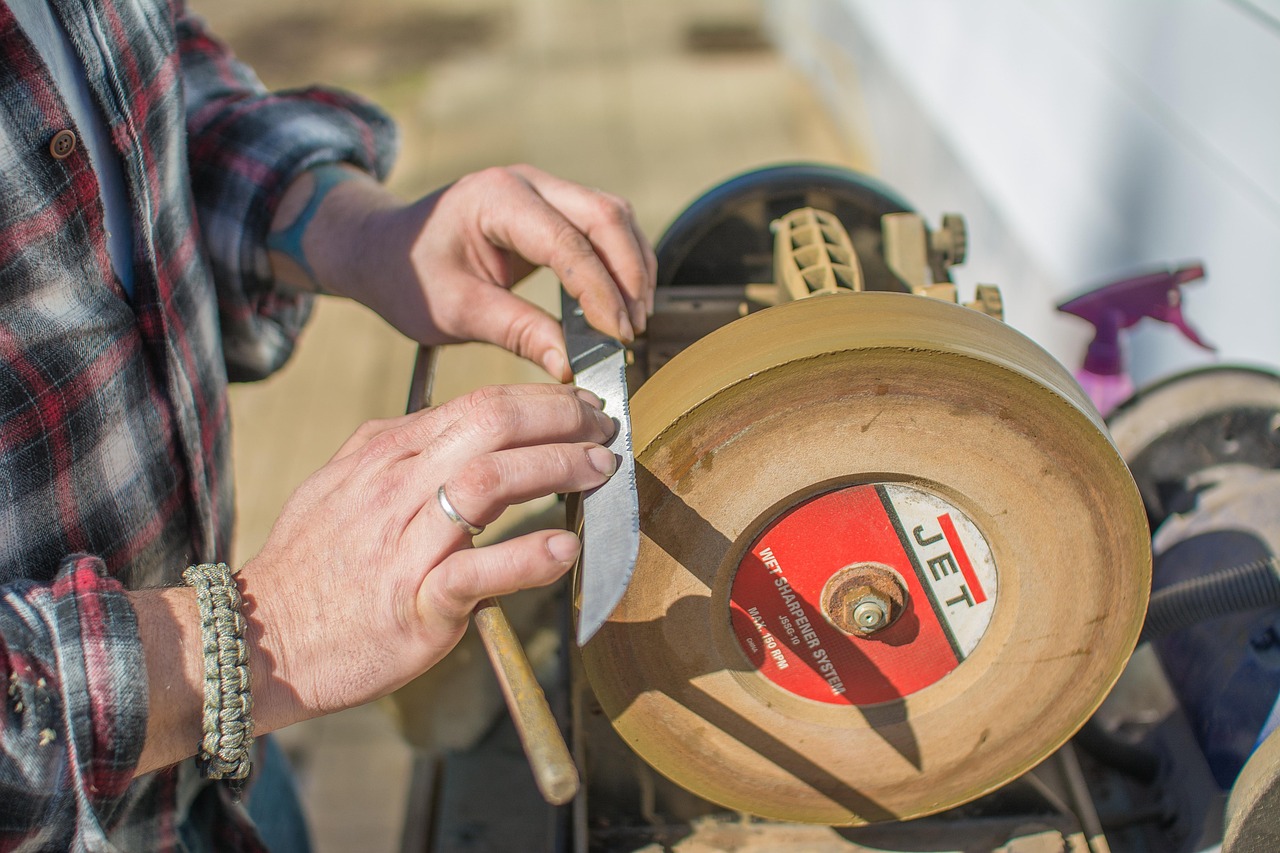
Another tool that will help woodturners are the diamond sharpening plates. A set of diamond sharpening plates ranges from 400 grit to 1,200 grit. These sharpening plates can be used dry or with a small amount of water.
The diamond sharpening plates will last many years while maintaining their flat sharpening surface. These sharpening plates are useful when you need a razor’s edge on a skew chisel or a negative rake scraper tool. A few passes with a diamond sharpening plate will take a serviceable tool to a sharpening edge that will cut through the wood with ease.
These can also be used to touch up tools between sharpening sessions on the metal grinder. Diamond sharpening plates work by abrasion so you must use a light touch on the tool when using the sharpening plates.
5. Honing Compounds and Wheels
Honing compounds and honing wheels will allow you to further refine your tools. A felt sharpening wheel with a green chromium oxide compound will polish the tool to a mirror finish in less than a minute. This added shine will allow your tools to produce a smoother finish on the wood. Some woodturners will mount a honing wheel on an arbor so that they will not contaminate their sharpening wheels with polishing compound.
While the difference in shine is subtle, it is there and will become more noticeable when using other woods that are more finicky than others such as cherry or maple wood. Angle gauges and protractors will seem unimportant to you while using the other sharpening tools. However, they will save you alot of time.
6. Angle Gauges and Protractors
A magnetic angle gauge will stick to your tool rest and will allow you to easily see where 35 degree and 55 degrees are. When you find the perfect bevel angle for your tools, these will allow you to return to that same angle whenever you sharpen your tools. This will eliminate having a mismatched angle on one side of your gouge which will cause vibration and issues in your woodpiece.
A plastic protractor will work for woodturners on a budget. However, a digital angle gauge will allow for more accurate angles.
7. Safety Gear
Safety gear is something that you should purchase for your workshop, even though it is not a sharpening tool. A face shield, a dust mask, and ear protection will allow you to work longer periods without flinching at the sparks from the sharpening tools or worrying about the damage that the metal and abrasive dust will do to your body. The metal and abrasive dust from the sharpening tools can be dangerous for your health if not controlled properly.
8. Sharpening Station
A well-organized sharpening station will allow you to keep all of the sharpening tools you buy in an area that is easily accessible. You will be able to maintain your sharpening tools in their proper place instead of losing them. By buying a cart to place in your workshop, you can keep all your sharpening tools in an area that will roll up to the saw and the woodturning tools. This will allow you to sharpen your tools when you need to instead of putting it off until you need a particular tool.
A quick touch-up will only take a few minutes to properly sharpen your tools to prepare for a productive workshop. This habit will make every workshop you attend a success. The last tool that you should buy is a simple white marker or a piece of chalk.
9. White Marker or Chalk

Before you sharpen your tools, color the bevel of the tool with the marker. When you sharpen your tool with the metal grinder, the ink will dissapear in the areas where the metal is being removed from the tool. This will allow you to see whether the angle of your tool is properly sharpened.
It will also allow you to see whether the tool is hitting the entire bevel of the tool. This will save you hours of frustration in your career as a woodturner. You do not have to purchase a shop full of sharpening tools.
However, there are a few tools that will solve the problems you will face in your workshop. Start with the variable speed grinder and the sharpening jig. Then, purchase a CBN wheel and a few diamond sharpening plates so that you are ahead of most other hobbyists in your workshop.
As your sharpening skills and workshop improve, you can always add more tools to your sharpening setup. Sharpening will not be a chore in your workshop once you understand how to properly do it. Sharpening is the key to creating the perfect woodworking experience.
Once you experience the benefit of sharpening tools properly, you will never want to use dull tools in your workshop. Using sharp tools will produce beautiful shavings, allow for a gleam in the wood’s finish, and allow you to experience the joy of woodturning.
