
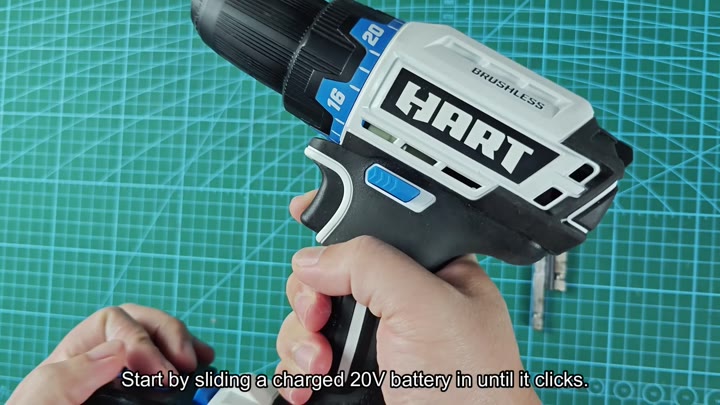
Slide in that 20V battery to the HART HPDD25 and it snaps right in. Confirm that you have enough battery charge.
It feature a brushless motor which typically result in increased life and improved efficiency. The tool feel solid in your hand.
Let’s test it out on various material.
Performance Testing Results
The interface is straightforward.
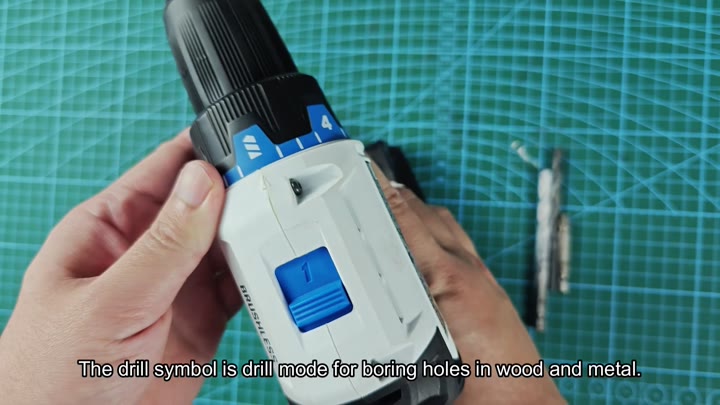
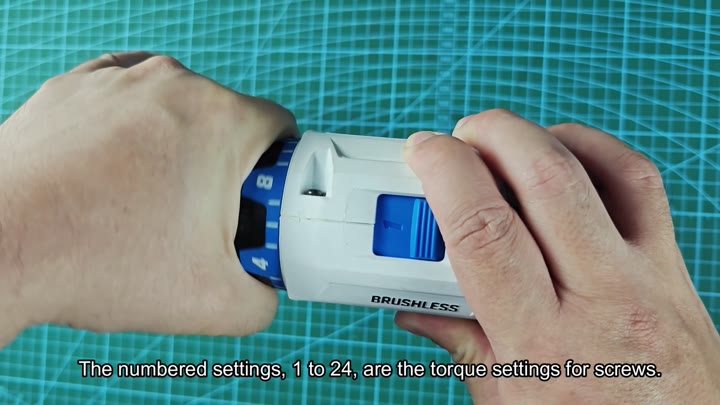
With a 24-position torque clutch on the collar, you simply work your way up (or down) in number order from 1-24. What those numbers do is determine the amount of pressure applied by the drill before it lets go. It’s a critical setting when you want to drive a screw and not strip it out.
The greater the torque, the higher this figure will be.
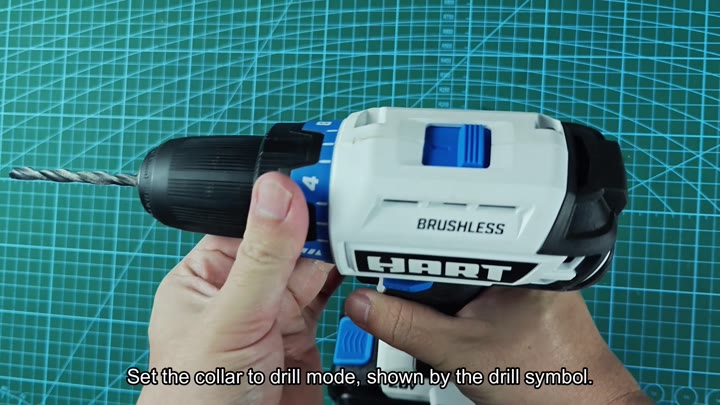
Next to that is a mode selector. One side is the screw setting, the other the drill mode. The drill mode has a drill symbol on it. That means it will maintain the same amount of torque while drilling holes.
The difference makes organization in your projects possible. So you don’t accidental slip the bit or overtighten screws.
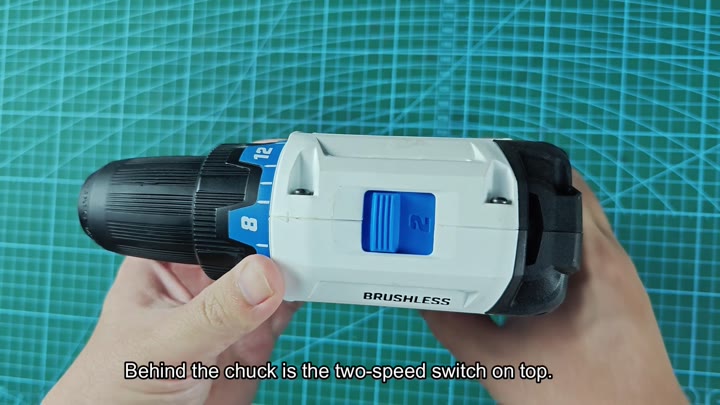
Behind the chuck, you’ll find a dual-speed switch. With this switch, you can toggle between high torque and high speed. For your heavy-duty driving needs, you want to be in the low gear. When you’re drilling, go with the high gear.
It works great forward and reverse. So you get it started out screw driving. You crank the collar down to a lower torque setting. That keeps from over driving your screws and mashing up the head on them.
Then you drive a screw into some wood, and whammo, it’s in there nice and clean and straight.
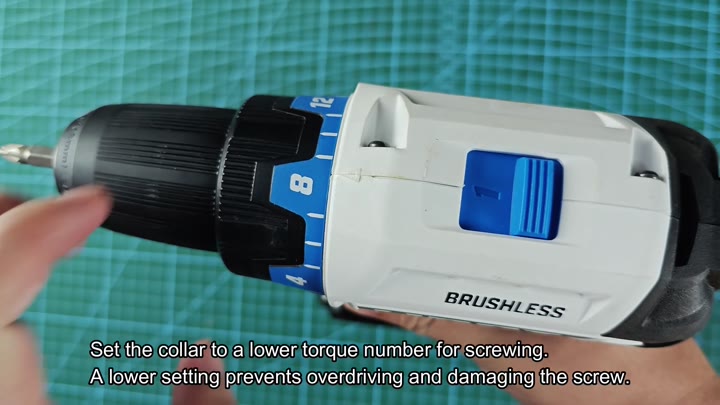
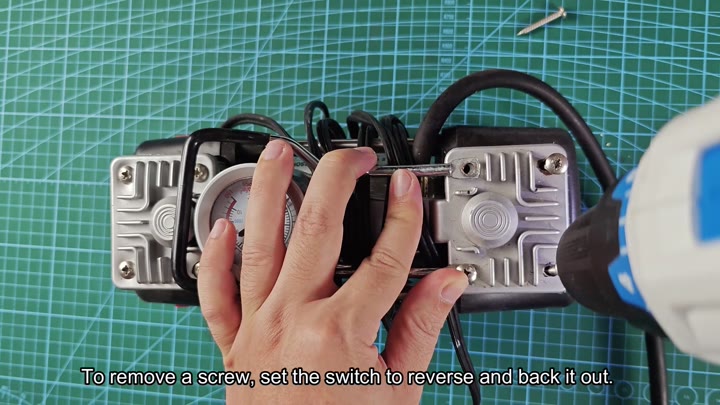
When it’s time, it slips the clutch. No big deal, just take that screw right back off. Switch to reverse and flip that switch. Bit comes back out with no problem at all. You don’t need another screwdriver for that. It’s accurate control. And yes, we didn’t strip anything in this test.
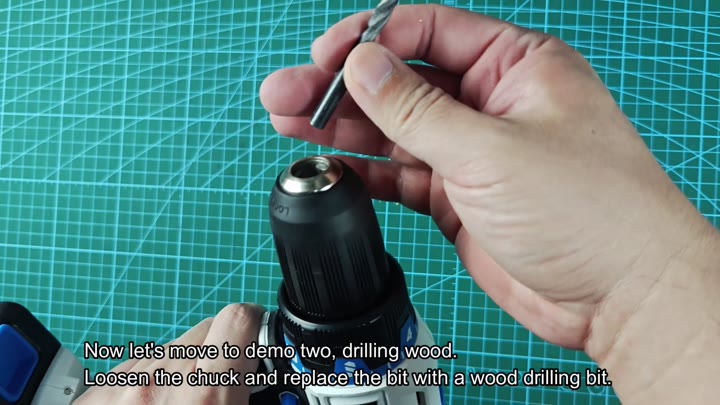
Now for this other one. Drill a hole in some wood. You release the chuck and change out bits. You put a regular wood drill bit in there. It fits snug. Tighten down the chuck nice and tight. Let’s see how fast it cuts.
You set the collar to drill mode.
Selecting the collar for the “drill” mode kicks the torque clutch out of the way and gives you all the power you can get. Drill is highlighted on the screen, or a drill image appears as well. Hold the drill perpendicular to the wood surface. As soon as you squeeze the trigger, the brushless motor react in an instant.
It drills clean and fast through the wood. It curls shavings of wood around the hole. There’s no roughness to the cut. You don’t really feel it vibrating in your hand. This is a good use for the high speed.
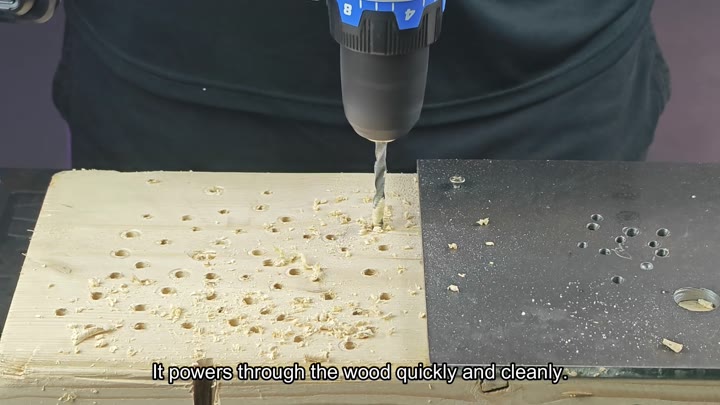
Drill is doing a good job at chewing through the lumber. Next, you try it out on concrete. Change the bit over to one suitable for masonry.
The HPDD25 is not a hammer drill. Impact breaks down the concrete and almost all concrete need that kind of drilling.
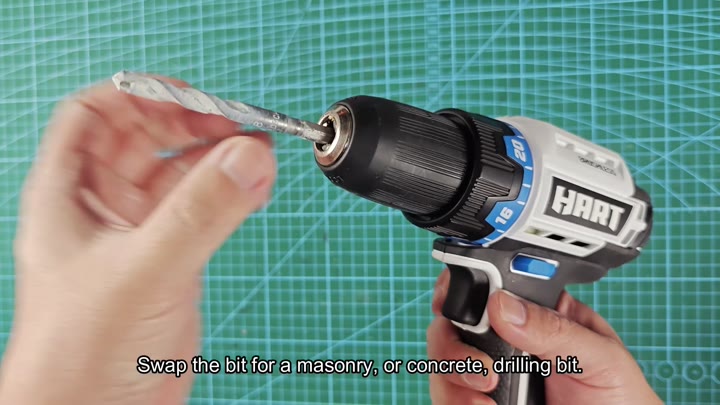
Now you turn on drill. And you set it to drill and press down on the wall. It will dig into the concrete. But it’s slow. There’s no striking blow of the bit against the surface; just a chewing away at the surface.
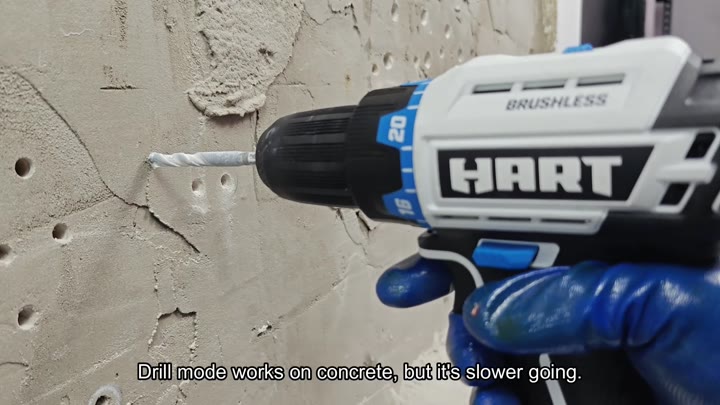
But that’s how it goes, and it works. You get dust accumulation around the hole. You sense the effort building. The motor must performs all tasks with no hammer action. And then, finally, it breaks through. But it’s not an efficient tool for hard masonry jobs.
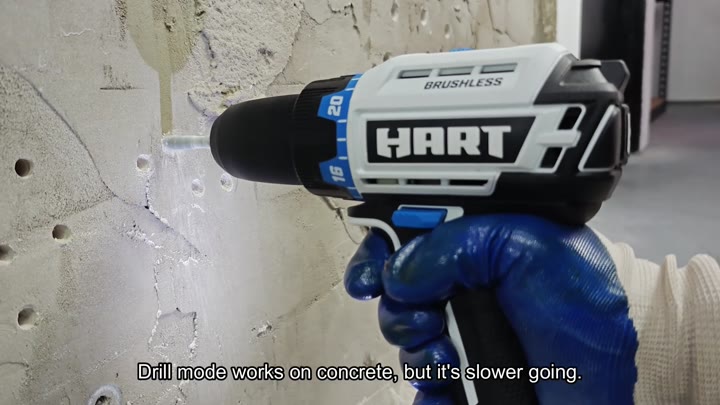
This isn’t a big-concrete-job tool, right? No. This is more of a small-hole/anchoring tool. For serious masonry jobs, you want a purpose-built hammer drill.
The HPDD25 is very good with wood and screws. When called upon it’s also suitable to light concrete. And that versatility is useful.
It is versatile. Yup. Like it. Handles most of the home chores you throw at it.
The battery life held up well.
Brushless motor was definitely a plus.
For everyday stuff, yeah, we’d say you should of get this thing.
It is not a hammer drill. No. But it is no pretender either. Does what it’s intended to do.
