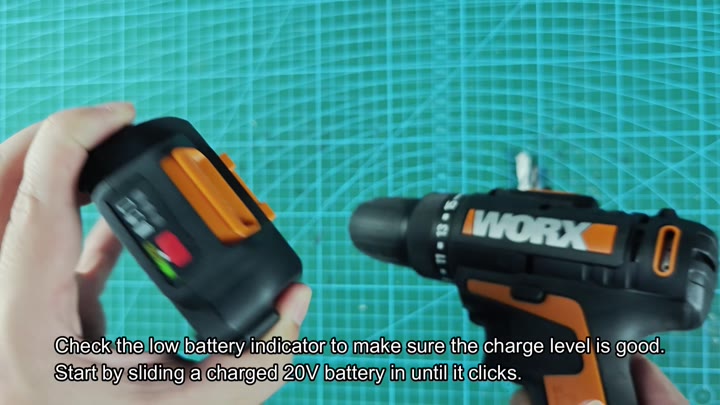
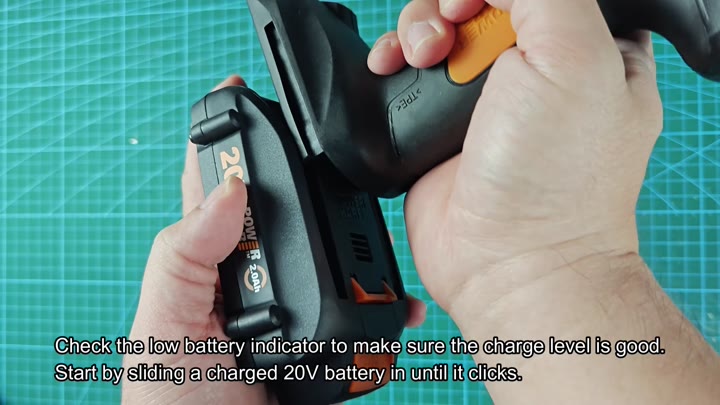
The Worx drill features their Power Share system which makes swapping batteries simple, so you won’t have any fuss with that. Just pop the 20V battery in the base of the drill where it will click into position and then verify its a full charge via indicator lights. Then get to work.
You slide the 20V battery into the base of the Worx drill until it clicks into place.
Testing Drilling Performance
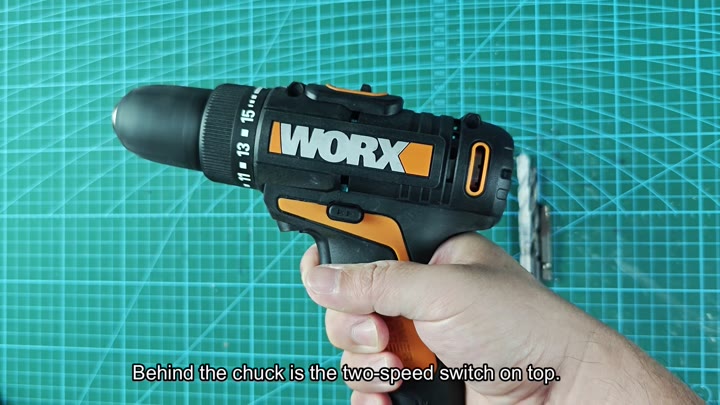
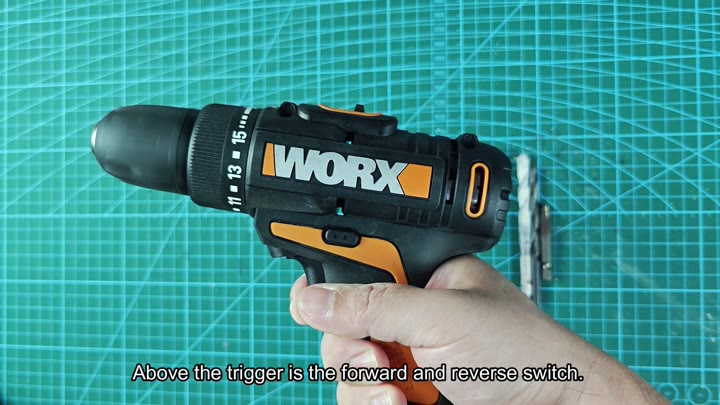
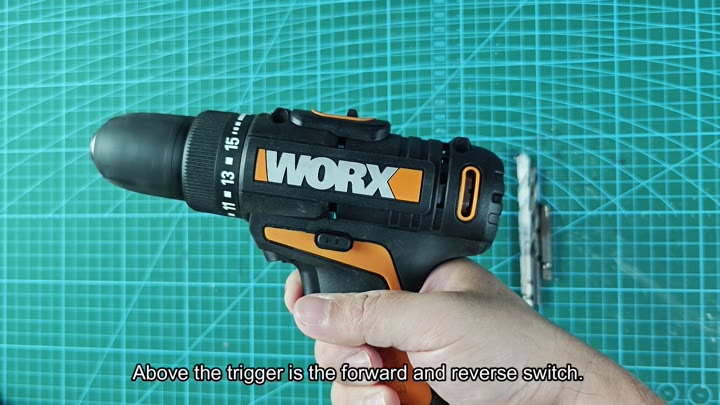
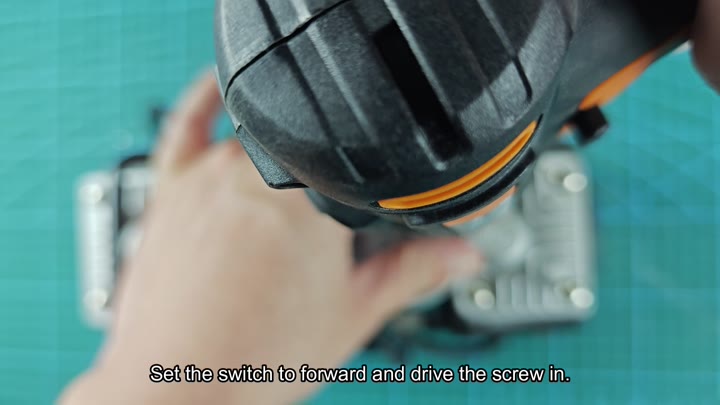
Then it’s time to get acquainted with the controls. Right behind the chuck is the two-speed selector, which you engage by flipping switch to increase control at slower speed. Above the trigger are the forward and reverse switch, so you can easily drive a screw in or back it out.
It’s easy to navigate
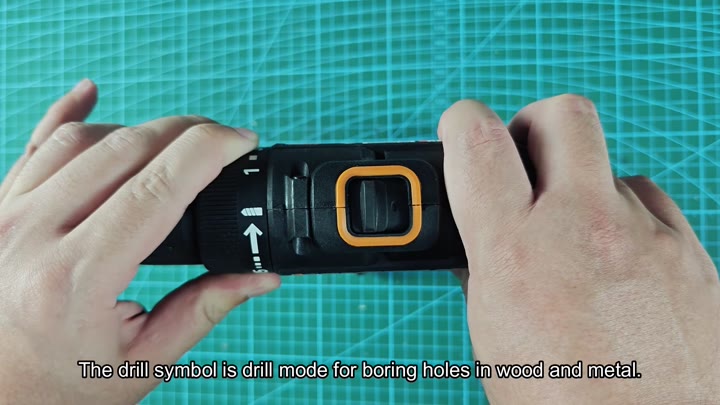
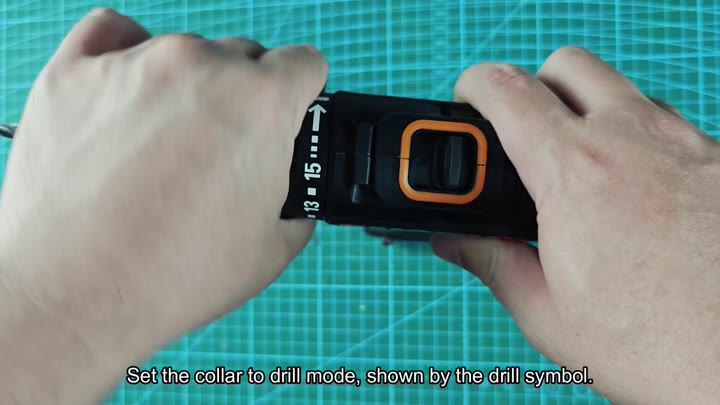
There is a 15-position torque clutch located on the chuck collar.
When screw driving, you’ll want to use a lower torque so that you don’t strip head out of the screw. If drilling holes, you simply switch it into drill only mode and it will give you full torque all the time.
That’s a big difference.
Flip the switch to forward, pick up Phillips head bit and go. Drive some screws into a test board. With the low-torque on, screw heads stays in line and don’t cam out. Flip the switch to reverse when it’s time for removal. It’s smooth and controlled, which was great.
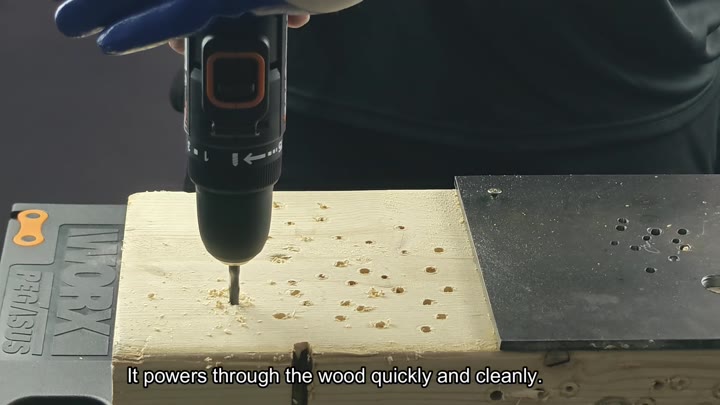
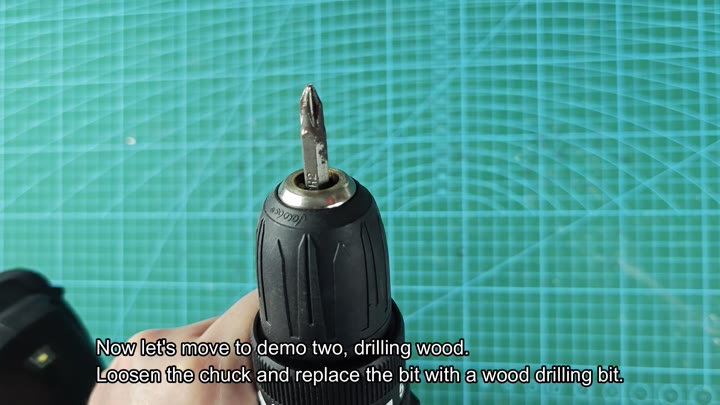
Then you go to drilling holes in wood. Loosen the chuck to get rid of driver bit and insert your specific wood drilling bit. Tighten the chuck and reposition collar into drill symbol mode. This will prevent the clutch from slipping when it encounters resistance and you’re off to boring.
It runs clean through wood and drills through it fast and cleanly.
The two-speed switch let you keep drilling at full speed while still maintaining control.
It does not tear out because it bores multiple hole cleanly.
The 20V battery has enough power for this work and is helpful on all your woodworking jobs.
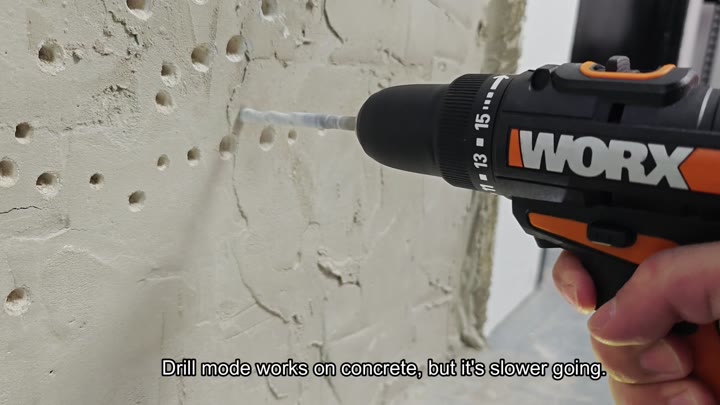
Finally, you try the drill out on some concrete. And then you see that this thing can’t be used as a hammer.
So you pull out a masonry bit and start it up in regular drill mode. It goes through the concrete, but not nearly as fast than it does wood. It is glacially slow. No luck there at all with speed.
I drilled holes into concrete with this thing, no hammer mechanism. It’s more of a grind than a chip, but if you’re patient, it will get through concrete. For light stone work, it’s just fine.
But if you want to use this for serious concrete applications, I think it’s best to invest in something specifically made as a hammer drill. So you should of thought with the WX101L.
Bottom line: This is a great screwdriver/drill and a very good wood drilling tool. Drill mode handles most general woodworking jobs nicely. The torque clutch help with fastening and gives you a lot of control over your fastener.
It’s not a concrete tool, but that doesn’t mean you can’t use it on concrete.
That way you can use it to maximum effect.
And you like testing the Worx WX101L against different materials.
Controls were intuitive and well-placed. The batteries was integrated seamlessy.
Did it do what I hoped it would? You bet your sweet bippy.
You’re set. It’s a good buddy for garage tasks and the like.