
A hammer drill is a tool that distinguishes professional workers from people who only perform occasional home repairs. If you attempt to drill into concrete using a regular drill for ten minutes, you will have accomplished very little. However, if you use the correct drill bit in a hammer drill, you will be able to break the masonry apart as it is intended to be broken apart.
Each drill bit have a specific use within a hammer drill, and recognizing these specific uses will eliminate the guesswork as to which drill bit to use on a particular job. The following is a description of each of the major drill bits that come in hammer drills. Not every drill bit can be used in every other type of drill bit.
The drill bits has specific features that allow them to work in specific materials. Using the incorrect drill bit will lead to the drill bit becoming worn out quickly or it may not be able to complete the project due to the bit becoming stuck on the surface of the material being drilled. On the other hand, if you use the correct bit, it will allow people to complete the work that they had previously thought was impossible of being completed.
The different types of drill bits can be described in the paragraphs that follow.
Common Types of Hammer Drill Bits
1. Carbide-tipped masonry bits
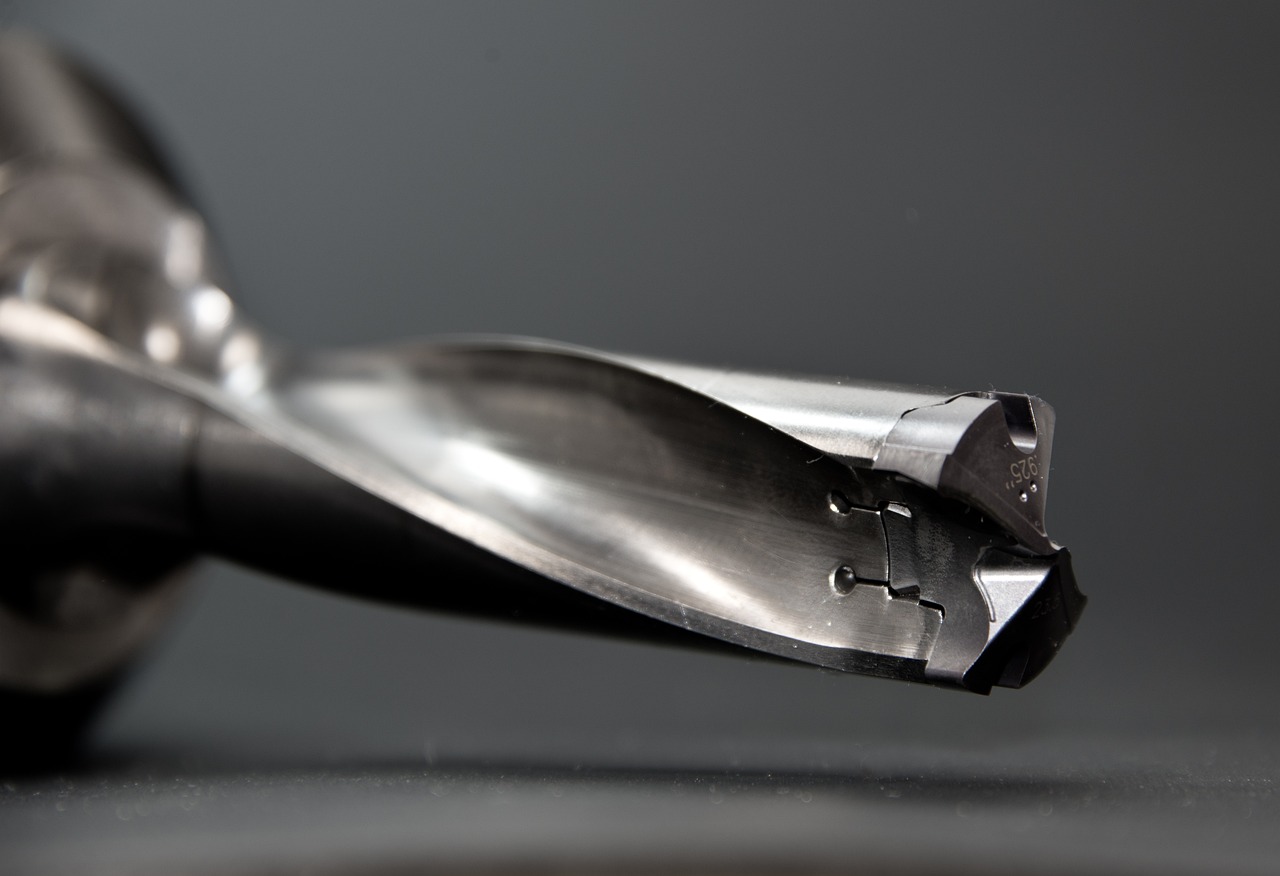
Carbide-tipped masonry bits are the most common drill bits that are found in hammer drills. These drill bits have a steel shank with a tungsten carbide insert that is brazed onto the drill bit.
This tungsten carbide insert will allow the drill bit to cut into the masonry materials such as concrete and brick without becoming dull after drilling a few holes. The tip of the drill bit has a chisel shape to allow it to concentrate the force placed upon the drill bit. The flutes of the drill bit are spiral shaped to allow the bit to remove the dust that is created from the drilling of these holes.
These bits come in a range of sizes, from 1/8 inch to 1 inch in diameter, allowing people to use these bits for a variety of projects. These drill bits are very useful in that they are relatively low cost, they are long lasting, and they can drill into a variety of materials. High-quality carbide-tipped drill bits can work in both hammer mode and rotary modes so that only one drill bit is purchased, but tools can be changed from rotary mode to hammer mode.
However, the downside of these drill bits are that they are not as effective in drilling into materials that are extremely hard or when someone needs to drill a perfectly smooth hole for another type of expansion anchor. However, for 90% of the projects that homeowners and contractors undertake, these drill bits will be the most effective tools.
2. SDS-Plus bits
SDS-Plus bits are more advanced drill bits that are used for drilling deeper holes at a faster rate.
The shank of the bit has a specific slot that allows the bit to become locked into an SDS-Plus hammer drill. The SDS-Plus bit will allow the hammer drill to create more power into the bit. The flutes on these bits are wider and have a more aggressive twist to the bits so that dust can be ejected from the holes at a faster rate if the holes are six or eight inches in depth.
SDS-Plus bits are helpful in tasks that involve installing Tapcon screws, installing furring strips on concrete walls, or cutting holes for rebar dowels. The energy that is transferred from the hammer drill to the SDS-Plus bit will allow individuals to drill a series of holes in half the time that it would take to use a standard drill bit. The downside of using SDS-Plus bits is that they can only be placed into an SDS-Plus machine.
However, once people have purchased such a machine, using the SDS-Plus bits will increase the efficiency of the tasks that are performed by half.
3. SDS-Max drill bits
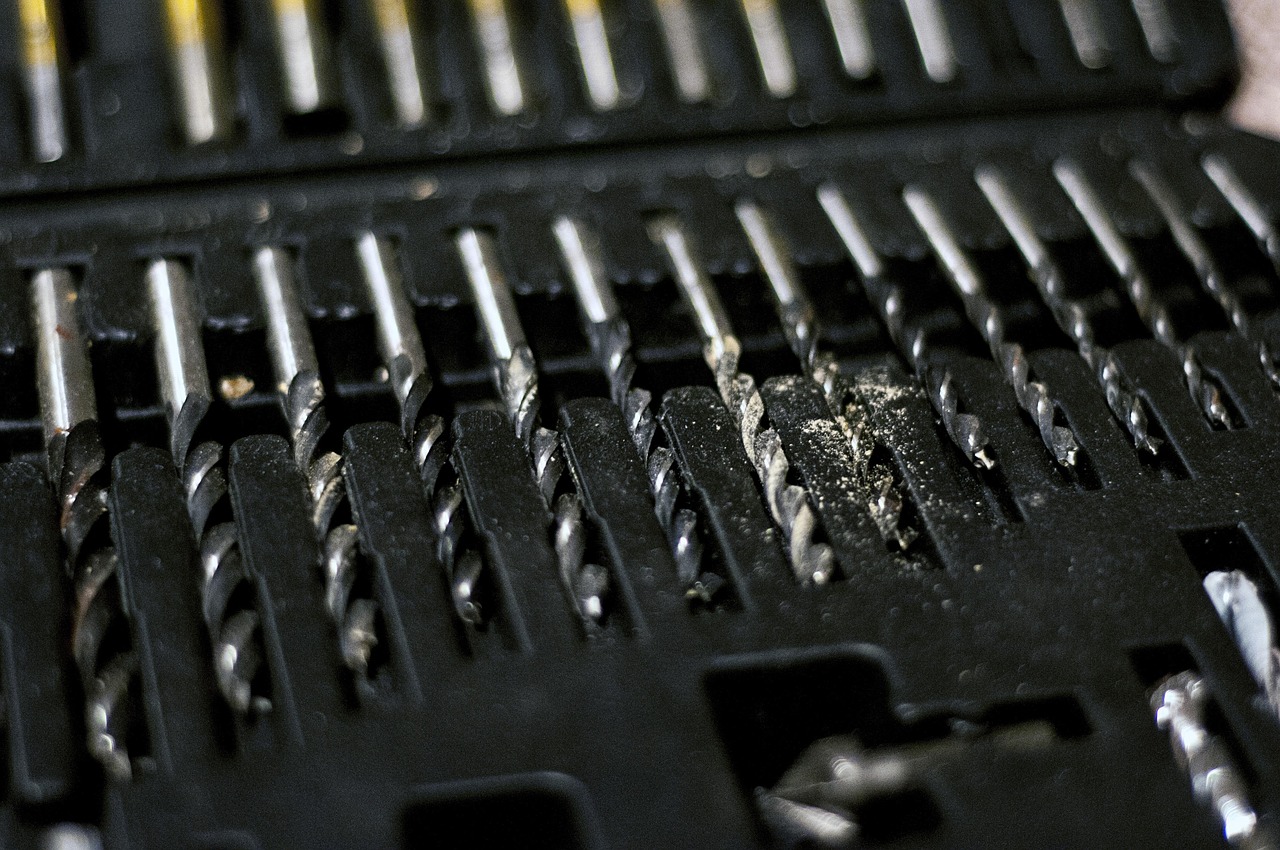
SDS-Max drill bits are used for larger jobs than the SDS-Plus bits. The bits has a larger shank and are made for use with the most powerful rotary hammers.
The tips for these bits have multiple carbide inserts that are arranged in such a way that they will pulverize the concrete that may contain rebar. The flutes on these drill bits are also very large and have four channels in the bit instead of the two channels that are seen on other bits; this allows the dust and chips that are created within the masonry materials to fly out of the bit. Contractors use these bits for core drilling jobs, for demolitions jobs, and for installing large anchors into masonry materials.
These bits will allow individuals to set a steel beam into the concrete or drill a doorway into a cinder-block wall. The downside of using these bits is their high cost and the fact that they are very heavy. These bits are not among the tools that are to be found in the kit of an average homeowner.
However, if a homeowner has alot of concrete in their jobs, they will benefit from the speed at which these bits can drill into these materials.
4. Four-flute hammer bits
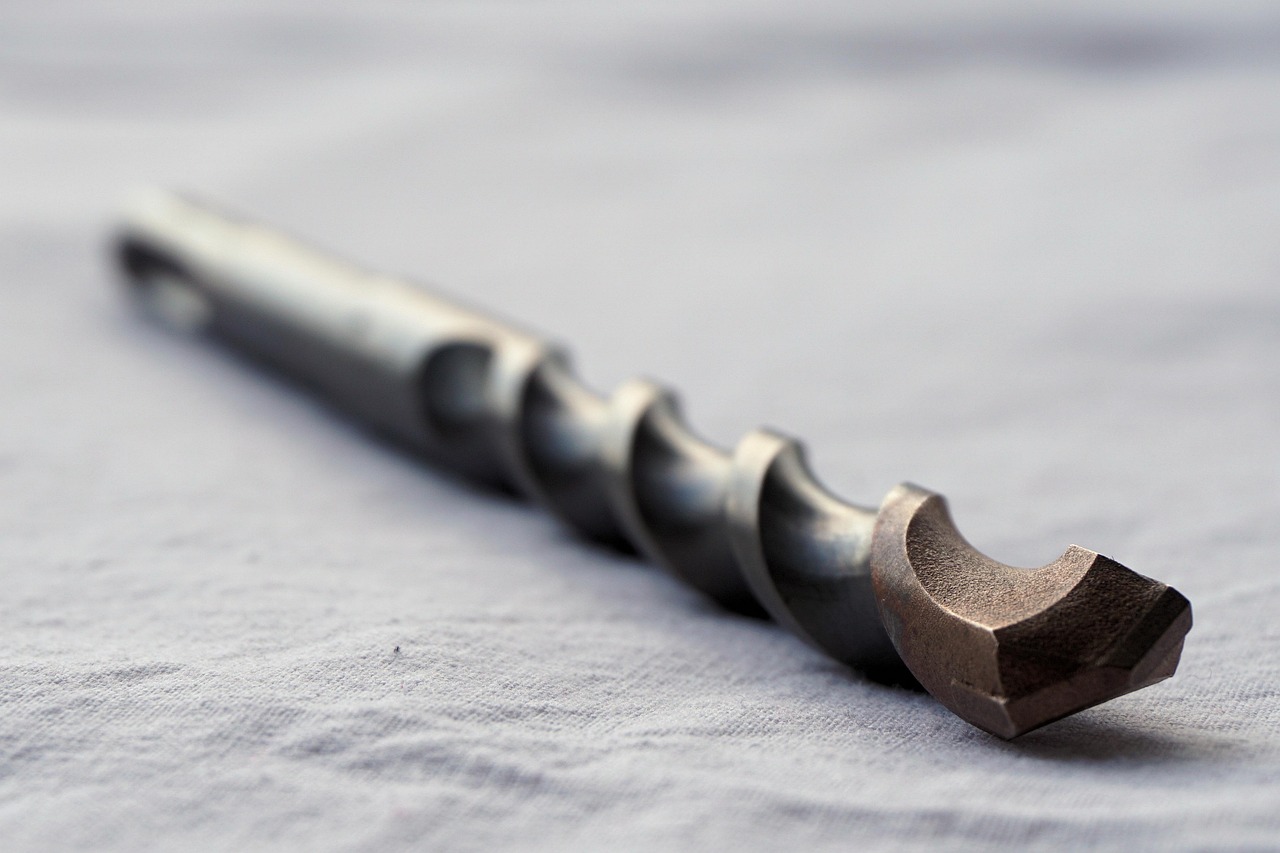
Four-flute hammer bits are located in the middle of the range in terms of the size and strength of the bits. Four-flute hammer bits have four channels along the body of the bit.
This allows for the holes to be drained of dust created from drilling. This type of bit can also shear the masonry material instead of crushing the materials. Four-flute hammer bits are used for cutting clean holes for chemical anchors, especially if the holes are to be drilled in an overhead position.
Electricians and plumbers who are looking for a bit that will create less vibration and will create a clean hole will opt for these bits. The only down side of four-flute bits is that they will drill at a slower rate than bits that have two spiral flutes. However, the benefit of using such bits will make up for the slower drilling rate.
5. Self-drilling concrete screws
Self-drilling concrete screws, which are also known as masonry screw bits, have the same appearance as wood screws. These drill bits are not actualy drill bits. The self-drilling concrete screws will cut their own threads into the masonry material so that there is no need for a hole to be drilled first.
The self-drilling screws are placed into a driver or a hammer drill that is placed into rotary mode only. These screw bits are used for fast and removable attachments to masonry materials. The benefit of the self-drilling screws is that they are fast to set into place because only one tool is required.
However, the limitation of these self-drilling screws is in their load capacity. These screws are not as strong and are best used for light to medium duties. However, in their proper use, they will be found to be very efficient.
6. Diamond-tipped core bits
Diamond-tipped core bits are used when someone needs to drill a perfect circle into a material. These bits use industrial diamonds that are embedded in the metal of the drill bit. These bits do not use the hammering mode of the drill bits but use the grinding motion to drill the perfect circle.
A water supply is required to cool the drill bit and the slurry that is created as the drill bit drills into the masonry materials. These bits are used when people drill plumbing pipes through the floors of concrete buildings. In these situations, the holes that are created are perfect for the placement of the pipes.
They are also used for HVAC machines and for the placement of electrical panels. These bits are slower than hammer bits but drill the perfect circles so that people will not need to do any additional work to the holes that are created. However, the larger sizes of the drill bits will require the use of water to cool the drills. The cost of these bits is higher than other bits. However, when flawless circles are seen being drilled into the masonry materials, the additional cost of these bits will seem smart to the owner of the hammer drill.
7. Rebar-cutting hammer bits
Rebar-cutting hammer bits are the most specialized drill bits that should be mentioned in this report.
Reinforced concrete contains steel rebar that will damage other drill bits. Rebar bits have a reinforced shoulder on the drill bit that allows them to take the contact with the rebar. Additionally, the tip of the bit is more robust so that it will not damage the tip and the flutes will remove the dust that is created by the cutting of the rebar.
These bits are the best bits to use for drilling into concrete that may have rebar within the walls. This will save people the trouble of destroying three drill bits before being able to drill one hole. The downside to these bits is that they are more costly and also can be damaged if people use them in contact with rebar for long periods of time.
However, if people are informed of the presence of rebar in the walls that they are drilling into, they can use these bits to save many drill bits from being destroyed.
8. Stop-rotation drill bits
Finally, stop-rotation drill bits are used when the individual wants to have complete control over the depth to which the bit goes into the masonry material. These bits has a collar that prevents the drill from hammering the material once it reaches the desired depth for the hole.
The drill will continue to rotate the bit but will not hammer into the material once the stop-rotation collar is reached. This stop-rotation will prevent the homeowner from drilling too far into the masonry material that could damage thin walls of concrete or tiles that might be in close proximity to where the hole is to be drilled. Stop-rotation bits are used in restoration of historic homes, for placing anchors near the edges of the material, or any situation in which the drill is not to go too deep into the material.
However, stop-rotation bits are slower than other bits and require homeowners to make sure that the size of the collar matches the project that they are performing. However, these bits are very useful when accuracy is the goal for the homeowner. When selecting the correct hammer drill bit, one must consider both the material that will be drilled and the job to be performed with the drill.
By understanding the function of each type of drill bit, construction workers can more easily perform their jobs with less effort and frustration. Using the correct drill bits for each job will allow those bits to last longer and the construction job to be completed at a faster rate. Thus, next time they reach into the toolbox, construction workers will know the bit that they should use for their projects.
