
A chisel can help to distinguish a capable woodworker from a frustrated amateur. Using the wrong types of chisel on a project will make it frustrating to work with the wood; tearing out the wood fibers and having to sharpen the chisel more often will only make the project take up more of you time. On the other hand, using the correct type of chisel for your project will make the wood seem to yield to the chisel.
The difference between the woodwork of two woodworkers is not always the skill in woodwork; sometimes, it is the difference between using a proper tool for the job. There are various forms of chisels for woodwork. Numerous generations of craftsman has developed each form of chisel due to the challenges encountered.
Knowing the varieties of chisels will allow a woodworker to find the correct tool for the job without hesitation. The paragraphs that follow will explain the various chisel types, listed from the most common to the most specific tool. Bench chisels are the type of chisel most people think of when they hear the word chisel.
The Most Common Types of Woodworking Chisels
1. Bench Chisels
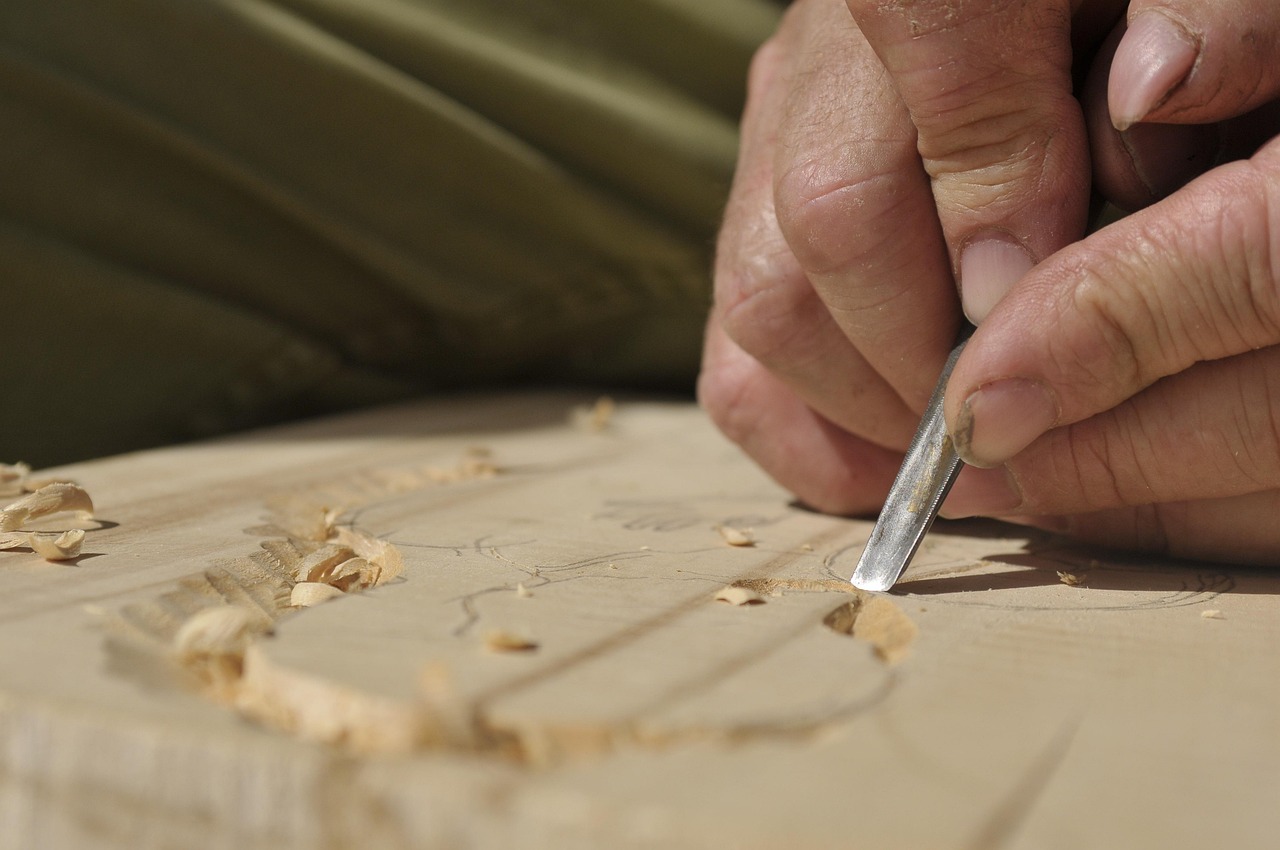
Bench chisels are some of the most common tools in woodshops. Bench chisel blades are between one-quarter inch and one inch wide. Bench chisels have beveled blades and sturdy handles that allow for both hand and mallet use.
Woodworkers use bench chisels for parings, dovetails, and mortises. Woodworkers purchase three size of bench chisel so that the bevel sides can enter the corners of the wood. These types of chisel are both the first set of chisels a woodworker should purchase and the last that they use at the end of their workday.
2. Bevel-edge Chisels
Bevel-edge chisels are similar to bench chisels but develop acute angles in their sides. The angles allow these chisels to be used in situations where the corners of the wood is narrow. The beveled edges of these chisels can approach forty-five degrees.
Cabinetmaker commonly use these chisels. The downsides to bevel-edge chisels are that the beveled edges can become fragile with repeated mallet use. Thus, these chisels should only be used when precision is required.
3. Mortise Chisels
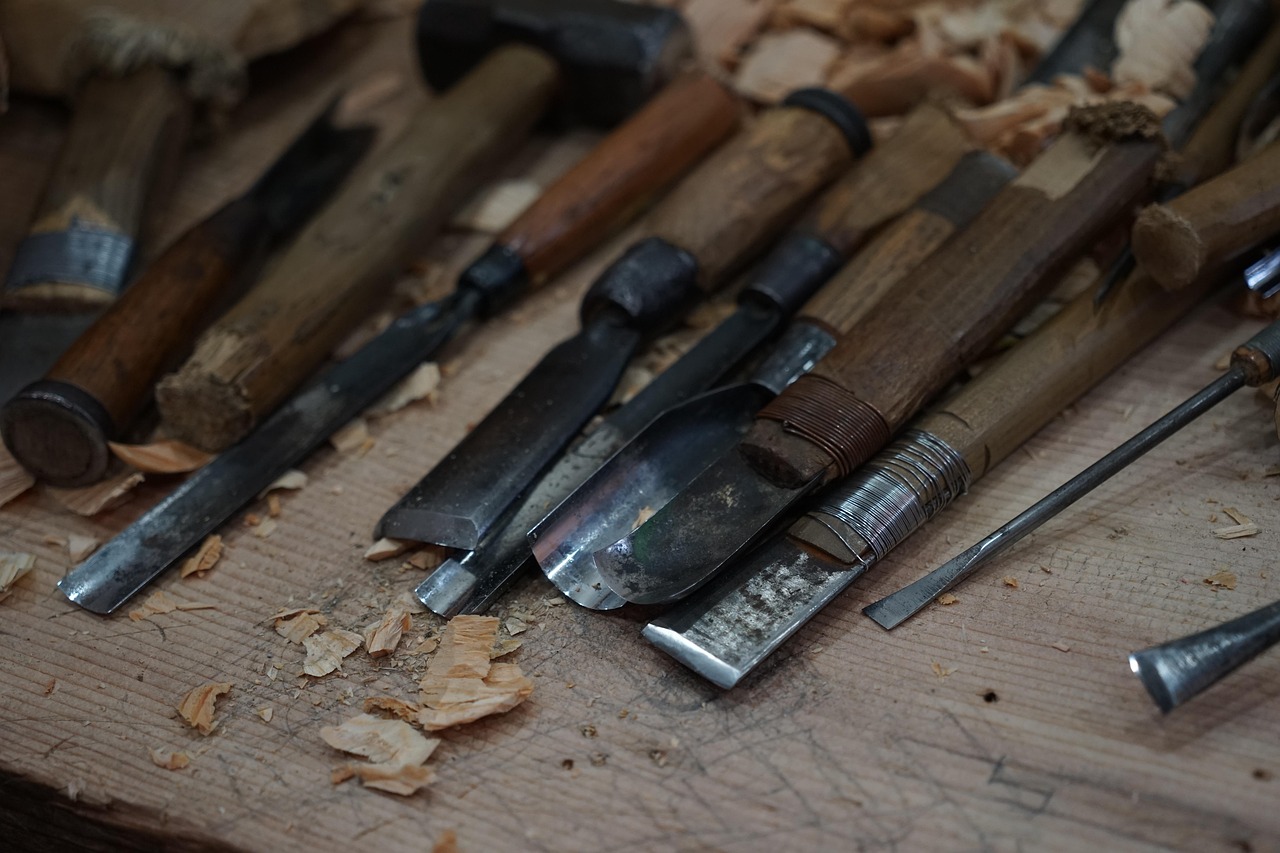
Mortise chisel blades are very thick and feature square sides instead of beveled sides. The blades of mortise chisels are as thick as three-eighths of an inch. The thick chisel blades are used to carve mortises deep into the end grain of the wood.
Woodworkers often use a hoop on mortise chisel handles to prevent the handle from splitting while carving mortises. The carpenter who must carve numerous mortise-and-tenon joints will rely on the mortise chisel for the best results. These chisels are the only tool that does this job better than any other wood tool.
4. Paring Chisels
Paring chisels are long-handled chisels with thin chisel blades. The blades of paring chisel can extend to ten inches or more in length. The handles of paring chisels are designed to be used with both hands so that the woodworker does not use a mallet to shave thin sliver of wood from a project.
Paring chisel blades are also used to trim joints to form a perfect joint. The extra length allows the woodworker to see high spots on the wood. Thus, paring chisel blades do not need to be sharpened as often.
Master carpenters use paring chisels in the same way that chefs use knives. The last type of chisel to discuss is the Japanese chisel, or nomi. Laminated layers of high-carbon steel on a softer iron or steel layer make the blades of nomi chisels.
5. Japanese Chisels (Nomi)
Japanese chisel manufacturers made it so that the tool could take and hold an extremely fine edge. The softer metal of the Japanese chisel allows it to absorb the shock that the hammer delivers to it. Most Japanese chisels also have hollow-ground backs that allow the woodworker to easily flatten and polish the reference surface that the chisel will use to perform its work.
Woodworkers tend to use Japanese chisels with lighter hammers. Additionally, people use a slightly different grip with Japanese chisels than with Western chisels. Once woodworkers adjust to the feel of the Japanese chisel, they will find that it efficient cut through hardwoods.
Although the Japanese chisel requires more frequent sharpening and requires a gentler touch from woodworkers, the results of using such chisels are worth the effort that it takes to adjust to using a Japanese chisel. Gouge chisels are chisels that have a curved cutting edge. The cut of the gouge chisel ranges from having a gentle curve to a nearly semicircular cutting edge.
6. Gouge Chisels

In-cannel gouges have their bevel on the inside of the curve. These types of gouges are used to clean out concave objects. Out-cannel gouges have their bevel on the outside of the curve so that they can cut convex shapes.
Carvers have a variety of gouges with different cuts so that they can accommodate for the different curves in wood projects. A well-tuned gouge chisel will cut material in ribbons instead of chips. Skew chisels are chisel blades with the tip of the chisel sliced at a 45-degree angle.
7. Skew Chisels
This angle allows the skew chisel to reach into corners in the wood that a regular chisel cannot reach. Additionally, the angled edge of the skew chisel will leave a smoother cut into the wood than a straight chisel. Skew chisels are used to clean up the end grain of a mortise cut into the wood.
Additionally, skew chisels are used to remove material from delicate details on the workpiece. Left-handed skew chisels and right-handed skew chisels are available so that woodworkers of any dominant hand can utilize the tool to achieve the desired cutting angle. Once woodworkers own at least one pair of skew chisels, they will wonder how they ever performed there jobs without them.
Butt chisels have short blades. These chisel types are often overlooked until the woodworker has to cut an object in a tight spot. Because the blades of butt chisels are only three or four inches long, they are easy to store in a toolbox.
8. Butt Chisels
Additionally, they are able to provide excellent control to woodworkers when installing the hinges or lock hardware on an object. The short blade allows woodworkers to have direct control of the cutting edge to avoid removing too much material from the workpiece. While butt chisels are not meant to perform heavy chopping jobs, it is hard to beat the ability of a butt chisel to cut into metalwork embedded in a piece of wood.
Many woodworkers have both a set of butt chisels for site work and a set of longer chisels for use on there woodworking bench. Crank-neck chisels have blades that bend downward from the handle. This allows the tool to rest flat on the workpiece while the cutting edge remove the excess material.
9. Crank-neck Chisels
Crank-neck chisels are used constantly in boatbuilding and in patternmaking. The offset blade allows the woodworkers knuckles to remain clear of the workpiece while they work in tight spots. Although a crank-neck chisel is a specialized tool for specific tasks, woodworkers who perform those tasks will acquire and use it.
No matter the tools that is in a woodworker’s collection, the most important skill to develop is the ability to read the wood. The mortise chisel in the hand of an individual who does not understand the wood grain may tear out the fibers of the wood. The paring chisel in the hand of a skilled woodworker can plane the wood to the look of being polished without the use of sandpaper.
Woodworkers should start with a good bench chisel and learn the limits of that tool before adding other chisels to there collection. Over time, as they develop new projects and skill with their tools, woodworkers will naturaly acquire other chisel tools to expand their capabilities. The chisels that will earn themselves there keep from woodwork projects will be the tools that match the projects that the woodworkers actualy create.
Thus, the most useful chisels need not necessarily be the most impressive tools in the woodworker’s collection.
