
Starting an electrical apprenticeship can be exciting and at the same time can be somewhat overwhelming when you first show up at a job site. The difference between efficiently completing your day’s work versus inefficiently completing your day’s work often comes down to the tools that is in your tool bag. There is no need for your apprentice tool kit to be comprised of expensive tools or flashy tools.
Your apprentice tool kit should include tools that are both practical and durable, and that can handle the tasks that the journeyman who work alongside you throws at you as an apprentice. Using the right tools will allow you to efficient complete each job site. Furthermore, using the right tools will allow you to avoid getting injured while performing the work.
Many people have watched as their apprentice struggled due to purchasing cheap tools that break down while performing important tasks. Other apprentices struggle because they only have a hammer and the hope that their tools will be sufficient for the job. Each of the tools that the article will discuss will have an explanation of the tool, the reasons for which it should be included in your apprenticeship tool kit, and in what ways you should utilize that specific tool while on the job site.
Essential Tools for Every Electrical Apprentice
1. Lineman’s Pliers
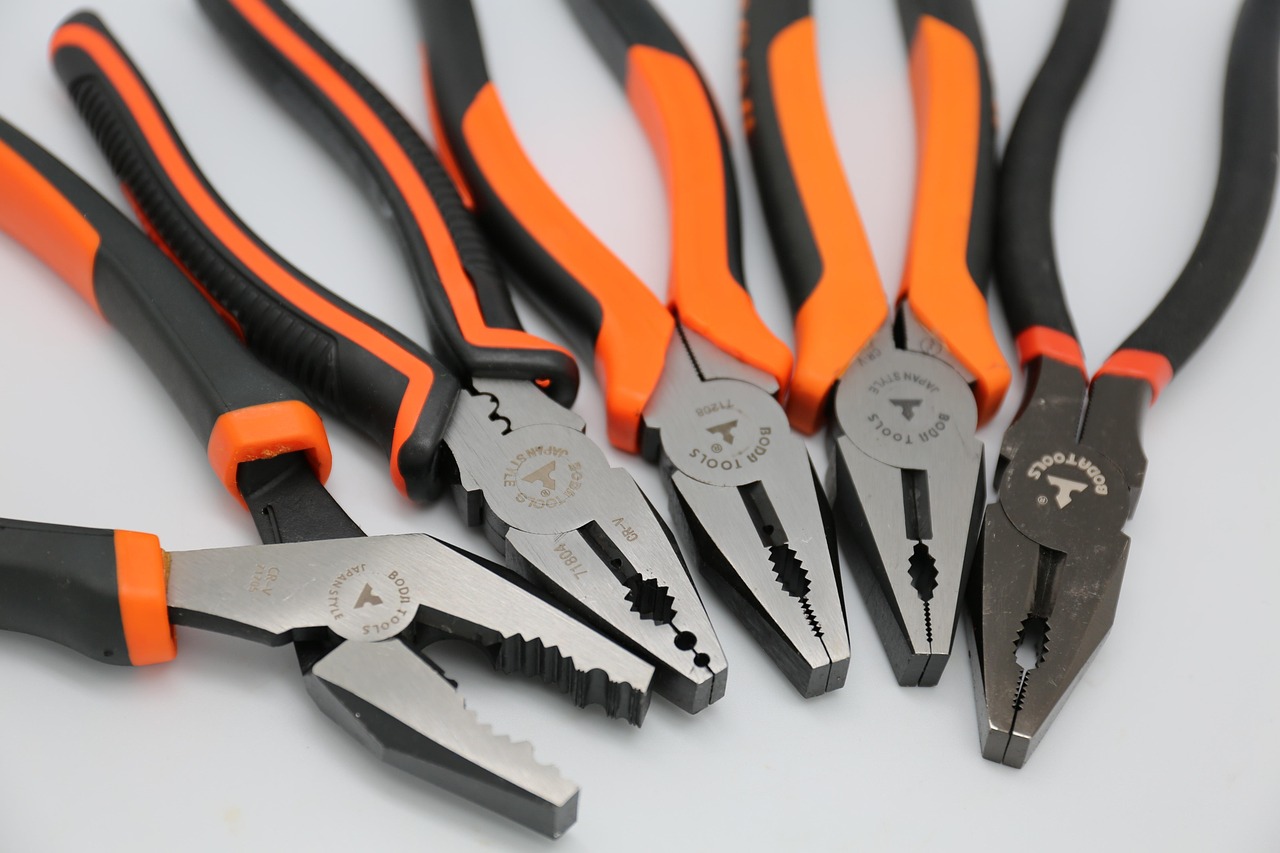
The first tool that should be included in your apprenticeship tool kit is a pair of lineman’s pliers. These are the most important tool for an apprentice because lineman’s pliers are the workhorse tool for electricians. You will use lineman’s pliers the most of all the tools that will be discussed.
If you opt for the eight or nine inch lineman’s pliers that have a fish tape puller built into the handle, you will be able to cut, twist, grip, and pull electrical wire without the need for other tools. The best lineman’s pliers will have a comfortable grip that can stand up to twelve hour shifts at the job site, as well as a leverage that allows an apprentice to twist two twelve gauge wires together without any pain to there wrists. The best lineman’s pliers will feature steel that is very hard to ensure that the lineman’s pliers will not burr after use, and that the lineman’s pliers will not begin to “chew” at the electrical wire.
Cheap lineman’s pliers will eventually wear down to the point where electrical wire will be damaged due to the ragged end of the wire. Therefore, it is better to spend the extra money on lineman’s pliers that you will utilize in each and every day of your apprenticeship.
2. Insulated Screwdrivers
The next tool that should be included in your apprentice tool kit is a set of insulated screwdrivers.
Electricity dont care for your status as an apprentice. One mistake with an uninsulated screwdriver may cost you an explanation to the safety officer regarding the shortcut that you took with your tools. Look for screwdrivers that have at least one thousand volts of static insulation, as well as clear insulation along the screwdriver until the tip of the tool.
Your screwdriver kit should have at least three flathead screwdrivers and at least three Phillips screwdrivers of the most common sizes that are used in both residential and commercial electrical work. It is easy for new apprentices to overlook the importance of buying screwdrivers of different lengths. A shorter screwdriver will allow for apprentices to reach electrical boxes that have limited clearance for full size screwdrivers.
By having a screwdriver that allows for two inches of extra clearance, apprentices will not have to waste time and effort on a job site that may require the journeyman to wait for the apprentice to complete their assigned tasks.
3. Tape Measure

A tape measure may seem like a tool kit item that is too basic for an apprentice tool kit. However, after working at a job site for any length of time, apprentices will come across situations where they will need to use the tape measure.
The work that a journeyman tasks an apprentice with will require measurements of certain lengths of wire, distance that electrical boxes should be placed, and the clearances of electrical conduit to allow it to run through a stud bay. Therefore, a twenty five foot tape measure with a magnetic hook and a locking feature that can take the abuse of being dropped from a ladder is the best purchase for an apprentice. The magnetic tip will assist in any situation where an apprentice works alone and must grab the end of a wire, or where the apprentice must take measurements of a steel beam without the assistance of another pair of hands.
An apprentice should keep the tape measure clipped to their belt each morning after purchasing it from the shop. Those who borrow the tape measure from the journeyman at the job site are often the same apprentices who are asked to perform tasks like fetching coffee for the journeyman.
4. Voltage Tester
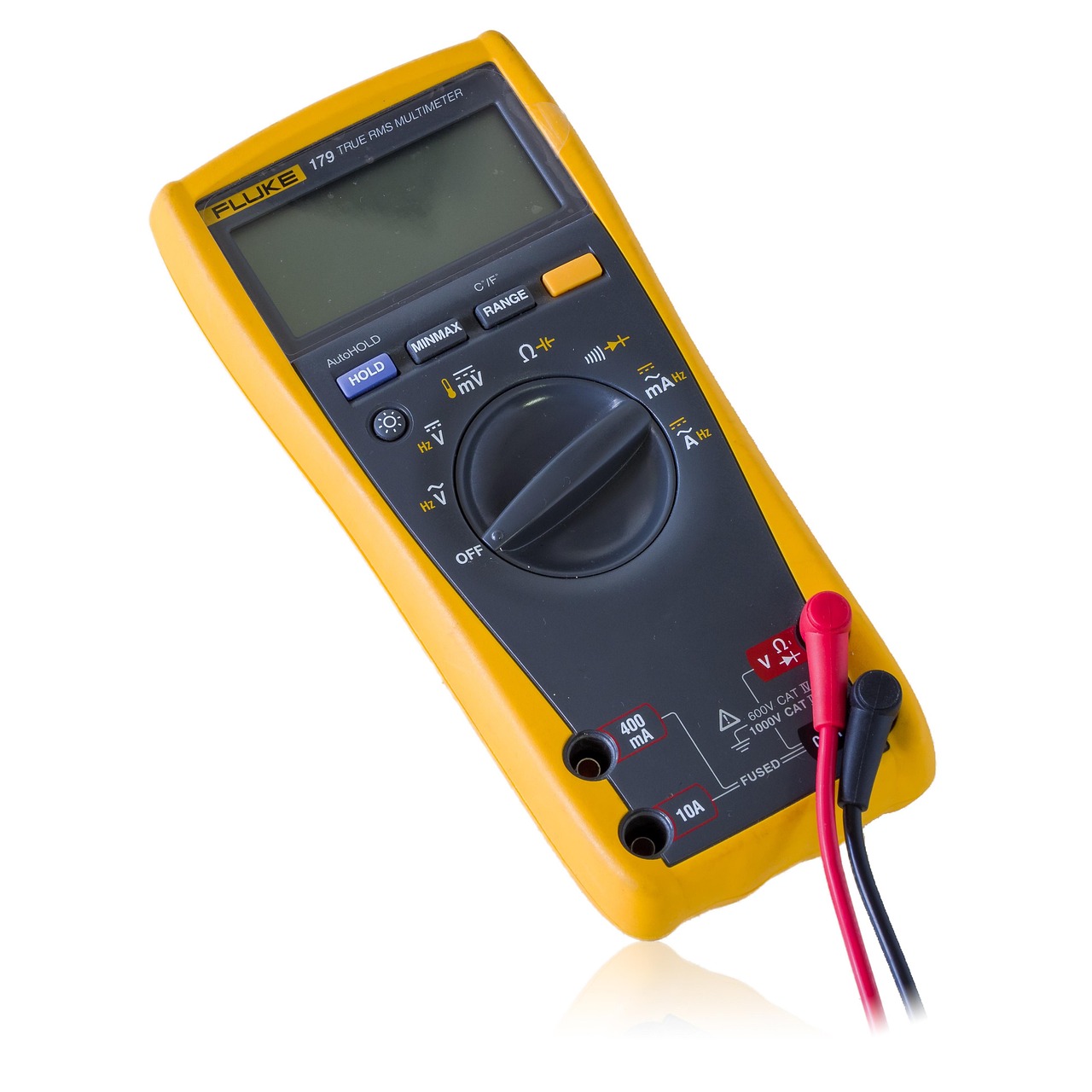
An essential tool for an apprentice is a voltage tester.
Non-contact voltage testers are the best tool for measuring voltage because they do not require apprentices to come in contact with live circuits. Yet, contact voltage testers are also needed because they will encounter situations in which a non-contact voltage tester may fail or provide the wrong reading. An apprentice should purchase both a non-contact pen style voltage tester and a contact voltage tester that features leads that will allow apprentices to make contact with live circuits.
Using both types of voltage testers is not an overkill feature for apprentices because this is the way that professionals use voltage testers to ensure that they are safe while working on live electrical circuits. First, use the non-contact voltage tester to ensure that a circuit is de-energized. Secondly, use the non-contact voltage tester on a live circuit to ensure that the voltage tester is working properly.
Lastly, use the contact voltage tester to confirm that the circuit that is being worked upon is de-energized. These three steps are a habit that apprentices will perform automatically in as little as a few months of working at job sites.
5. Diagonal Cutters
Diagonal cutters, often referred to as “dikes” by those in the trade, are important tools for apprentices due to their ability to act as a “clean up crew” for certain jobs.
Diagonal cutters will be used to trim the ends of wires that are contained within electrical boxes, to cut cable ties, or to trim the armor and sheathing of power cables. The best diagonal cutters have induction hardened metal that will stand up to repeated use at job sites, and the handles that is attached to the cutters are comfortable to the apprentices hand. The best diagonal cutters will feature a spring return feature that will allow the cutters to pop open after each cut of wire.
This eliminates the muscle memory required of apprentices to fight the cutters open after each use. This will reduce the fatigue that apprentices may feel after performing two hundred wire terminations. It is essential that apprentices maintain their diagonal cutters in good condition and sharp.
Dull diagonal cutters will crush the wire instead of cutting it, and may leave behind small metal burrs that may pierce the insulation to the wire.
6. Fish Tape
Another tool that may be necessary for an apprentice tool kit includes the purchase of a fish tape. For those apprentices that begin their careers in residential electrical work alone, a thirty foot steel fish tape should be sufficient for completing the majority of tasks.
To use the fish tape, apprentices must ensure that they do not create kinks in the tape. A way to avoid kinking the tape is to avoid forcing the tape around tight bends. For apprentices that may work within commercial job sites that may require longer lengths of wire, a set of non-conductive fiberglass push rods will be helpful.
The fiberglass push rods will flex around the bends in the wire while also pushing the wire with great amounts of force. Regardless of which type of wire pulling tool is purchased, there should be a small bottle of wire lube included in every apprentice’s tool kit. Dry pulls with wire that does not have wire lube will damage the insulation to the wire, as well as waste time in completing those tasks.
Journeymen who are tasked with the work will be correspondingly unhappy when the apprentice wastes their time or damages the wire.
7. Multimeter
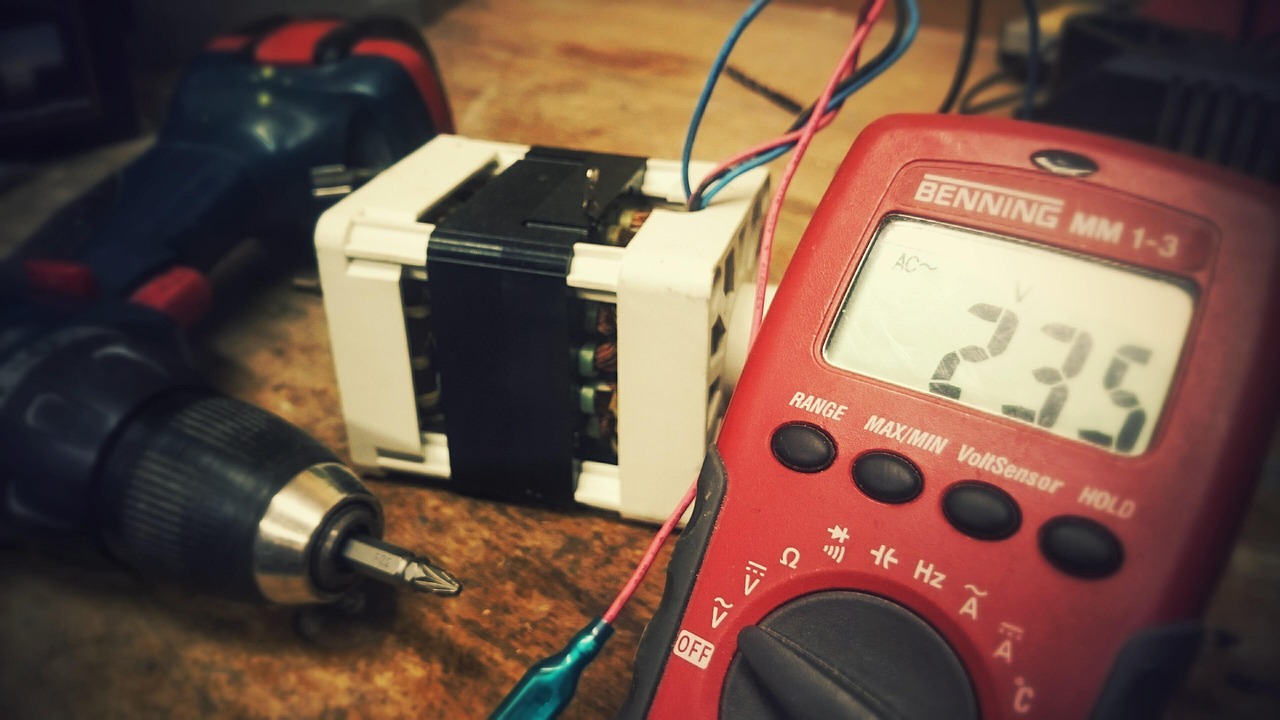
An apprentice should also purchase a multimeter. While an extremely expensive multimeter is not required for apprentices, there should be a multimeter that can accurately measure voltage, current, resistance, and whether or not a circuit has continuity.
The continuity feature will allow apprentices to save hours of potentially struggling with which wires should be connected to which other wires within a large electrical box. An apprentice should be trained in how to use a multimeter prior to the apprentice being under any pressure at the job site. To become proficient in the use of a multimeter, apprentices should become comfortable measuring voltage on a live outlet within the apprentice’s home, measuring continuity on a simple switch circuit, and measuring resistance on a known resistor.
This will allow apprentices to confidently troubleshoot any issues with a circuit that is presented to them by the journeyman. Apprentices who struggle with a multimeter when it is needed will remain apprentices for a longer amount of time than those who are confident in their skills with this tool.
8. Hammer Drill
A hammer drill with a set of masonry bits may seem like an unnecessary purchase for an apprentice.
However, one of the first tasks that an apprentice will be required to perform is mounting an electrical panel to a concrete block wall. Most jobs require apprentices to drill into concrete, brick, or tile. Therefore, having a hammer drill that features masonry bits will save the apprentice time, money, and frustration when trying to drill into those materials.
The best hammer drills have SDS bits, which are required for commercial jobs. However, for residential jobs only, a three eighths inch hammer drill will last the apprentice for a while. Purchase at least two sets of bits for the hammer drill.
Bits will wear down and dissapear from the apprentice’s tool kit at a fast rate. Buy a small case for the bits so that they are easily accessible while on the job site without digging through the apprentice’s tool kit while the journeyman watches the time.
9. Tool Bag
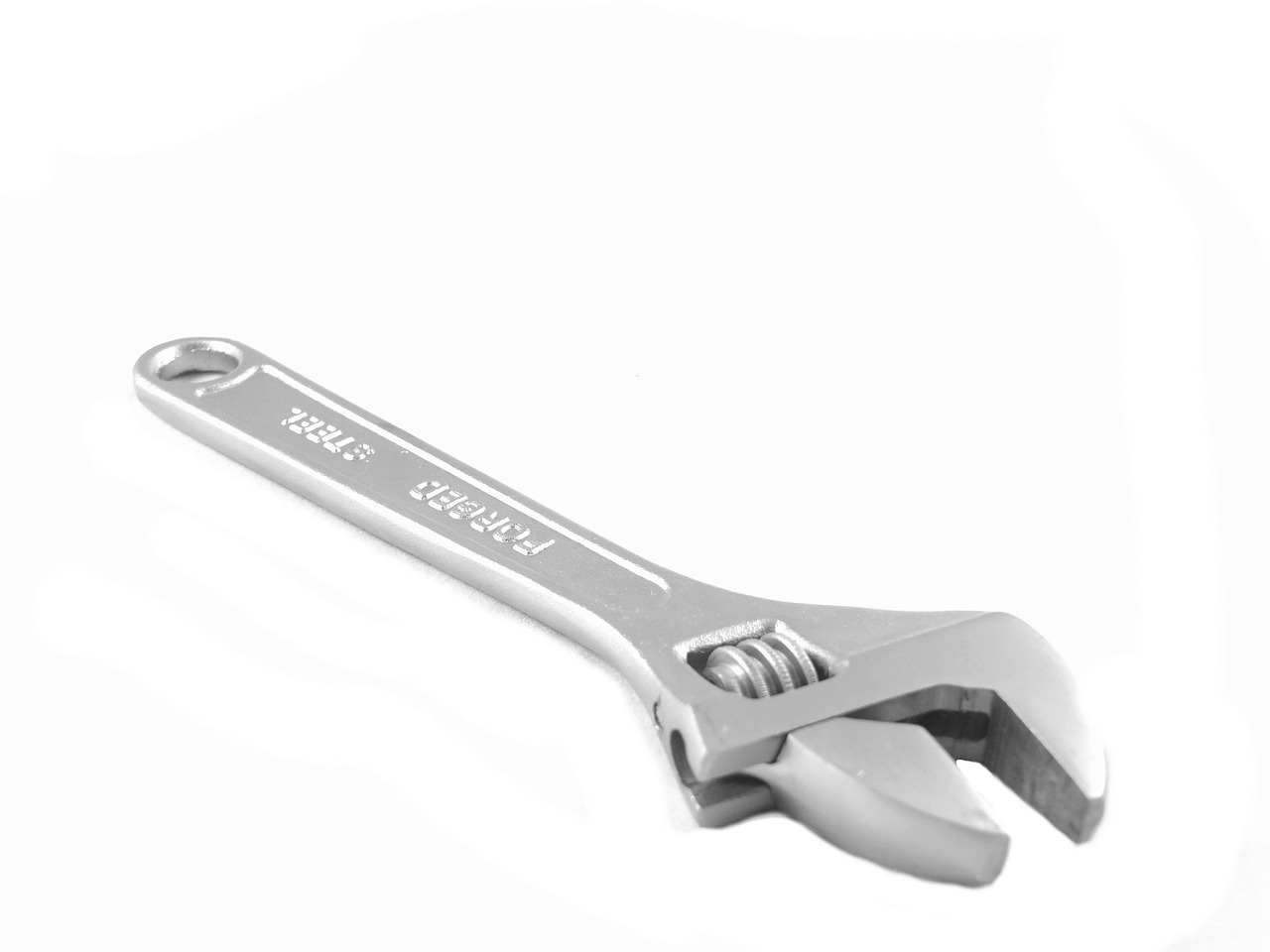
Finally, an apprentice should purchase a well stocked tool bag or a simple backpack that includes all the tools discussed above.
The best tool bags have an opening that will remain open when the apprentice sets the tool bag down; bags have multiple pockets for the apprentice to store other tools; and the bags have a separate pocket for the apprentice’s multimeter. The leather bottoms for the apprentice’s tool bag will endure the jobsite longer than a fabric bottom. Furthermore, leather bottoms are more durable.
Look for a tool bag with reinforced stitching on the areas of the tool bag that will receive the most abuse during their apprenticeship. An apprentice tool bag will take more abuse in six months than most of the apprentice’s other tool kits in ten years. Therefore, the apprentice should seek a tool bag that meets these features to ensure that the apprentice’s tools are protected, the apprentice is organized in their tool kit, and they will not waste time searching for the right screwdriver.
The purchase of the apprentice tool kit is the first true investment that an apprentice will make in their career. Each of the tools will be used for certain jobs or tasks, and each of those tasks will be performed hundreds of times during an apprenticeship. Make an investment in quality tools for important jobs, stay organized, and treat each of the apprentice’s tools with respect.
These habits will pay off during an apprenticeship that may last up to five years. Years from now as an electrician that manages a crew of apprentices, you will still have your set of lineman’s pliers that you purchased as an apprentice. While the tools will remain the same, the electrician has changed.
Therefore, use the right tools, learn how to use them properly, and your journey will be smooth and easy.
