
A miter saw is a tool that many people will eventually find themselves needing for there projects involving wood. While the miter saw itself remains the same tool, the different blade that are available for miter saws will allow an individual to produce different results from the saw. Using the wrong blade on a miter saw will result in the saw burning the wood, chipping valuable trim purchases, or creating tear-out on the wood that will require sand.
However, placing the appropriate blade onto the miter saw will make cutting tasks easy for the individual, as well as ensure that the wood features clean cuts. Thus, each of these thin discs of steel and carbide make a significant difference in the performance of the saw, a difference that many saw owners underappreciate. Fortunately, individuals dont have to purchase a drawer of blades of different types to have a miter saw perform nearly any task that it is asked to perform.
Instead, only a few types of blades is necessary. If individuals understand the different types of blades that are available, and they understand in which situations each type of blade will perform best, then they will be able to confidently replace the blade on their saw. The types of blades for miter saws can be explained in the response below.
Common Types of Miter Saw Blades
1. Crosscut Blades
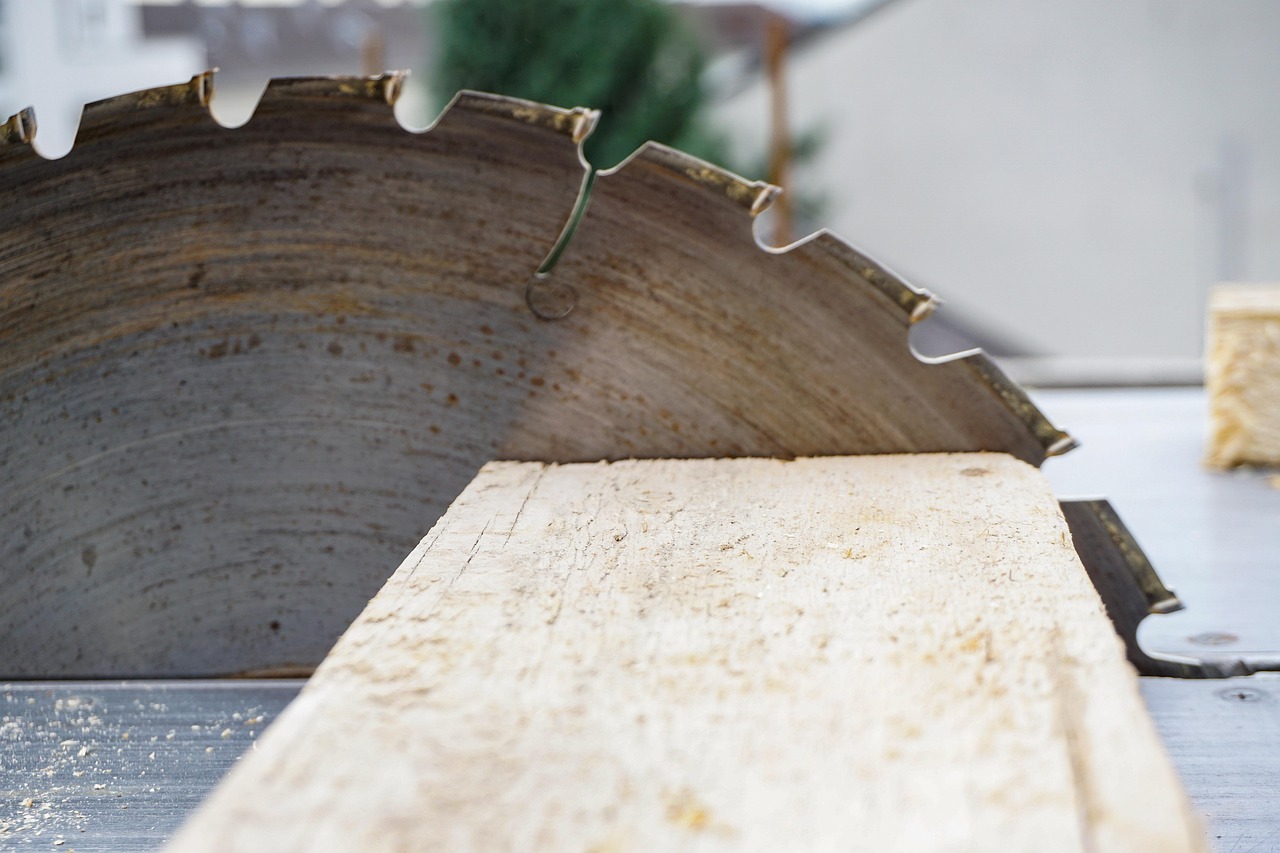
One of the first types of blades that are available for miter saws are crosscut blades. Crosscut blades have a moderate number of teeth, with a ten-inch crosscut saw blade having between fifty and sixty teeth. Furthermore, the teeth of these crosscut saw blades have an alternating top bevel that ensures that the crosscut saw blade shears the wood fibers during both the forward and return stroke of the saw.
Because the saw cuts the wood with these angled teeth rather than chopping at the wood with the teeth, there is a reduction in the number of splinters that appear on the cut piece of wood. Crosscut saw blades can cut solid wood, plywood, and composite trim, and they do not bog the motor of the saw while performing its tasks. Thus, if an individual is framing a room or installing trim with only one saw blade, a crosscut saw blade is the best choice.
However, crosscut saw blades are not appropriate for finely cutting delicate veneers or ripping boards to long even length, but they can handle the majority of common cutting tasks.
2. Fine-Finish Saw Blades
Fine-finish saw blades are the next type to discuss. Fine-finish saw blades have eighty teeth or more.
With this high number of teeth on the saw blade, each individual tooth removes only a small amount of wood from the saw blade, indicating that less sanding will be required on the cut wood. Furthermore, the hook angle on fine-finish saw blades is low or even a negative angle to prevent the saw blade from grabbing at the delicate features of the wood. An individual will notice a difference in the way in which their wood is cut when it will be permanently viewed.
The downside of fine-finish saw blades is that they are slow in their cutting abilities and tend to create more heat while cutting the wood. Therefore, fine-finish saw blades are most appropriate for projects where the sawed wood will need to feature perfectly when it is removed from the saw. For these reasons, saw blades of this type earn their place on the saw.
3. Framing Blades
Another saw blade that can be purchased is a framing blade. As with saw blades used for rough construction, framing saw blades have fewer teeth than crosscut blades, with only twenty-four to thirty-six teeth on the saw blade. Furthermore, the saw blade features a positive hook angle that helps the saw to bite into treated lumber and two-inch boards.
The blades also have large grooves between the teeth, which allows for the chips that are cut from the wood to exit the saw quickly. Therefore, a framing saw blade will not bog the saw motor while cutting thick boards of treated lumber. However, framing saw blades are loud, leave fuzzy edges on the wood, and may occasionally chip the edges of plywood.
Thus, individuals purchase framing saw blades to help individuals who will only use them in site work or in building temporary saw jigs for framing tasks. Once the framing is complete, the saw blades should be replaced with crosscut saw blades to ensure that sawed edges look sharp. Finally, there are plywood and melamine saw blades.
4. Plywood and Melamine Saw Blades
Plywood and melamine saw blades feature alternating high and flat saw teeth on the saw blade. These alternating saw teeth enable the saw blade to shear the individual layers of plywood or melamine without them exploding in either the positive or negative direction of the saw cut. On melamine-coated particleboard, the brittle melamine coating tends to remain intact along the cut line because of the way the melamine-coated saw blade is designed.
Cabinet shops use melamine-coated saw blades because of this feature. Melamine-coated saw blades have tooth counts between sixty and eighty teeth. This tooth count is a compromise between cutting speed and cutting smoothness.
Although plywood and melamine-coated blades are relatively expensive, individuals who build cabinets or install prefinished hardwood flooring will use these blade types. However, plywood and melamine-coated saw blades tend to dull quicker when cutting solid hardwoods. Therefore, these types of blades should only be used on plywood and melamine-coated particleboards.
5. Specialty Blades for Non-Ferrous Metals
Specialty blades for non-ferrous metals include many more teeth than any other saw blade. These metal blades can have tooth counts of ninety teeth or more. Additionally, the teeth on these blades are triple-chip ground to allow them to shave aluminum, brass, and thin steel sheets.
Specialty metal saw blades are also coated to reduce the chances of heat buildup on the metal saw blades. This is important in that heat can cause the metal saw blade to weld to the metal being cut. These types of blades are used in cutting aluminum beams for LED lighting installation or handrails, cutting brass beams for light fixtures, or cutting thin steel beams for metal door frames.
Under no circumstances should a person use a metal saw blade on wood. This will lead to poor cut quality. Additionally, the saw blade should be kept clean with cutting wax to achieve the best results when using these blades for metal work.
6. Sliding Compound Miter Saw Blades
Sliding compound miter saw blades are specially made to endure the extra demands that are placed upon saw blades that are used in these types of saws. Sliding compound saw blades have a slightly thicker plate to endure the forces that are exerted on the saw when the saw is sliding. Additionally, saw blades for sliding compound saws have reinforced shoulders to better endure the forces that the saw generates during the sawing process.
The teeth on sliding compound saw blades are arranged in a pattern of raker and bevel teeth that work together to efficiently clear sawdust during the sawing process. If an individual experiences rough sawing on a compound saw, especially on wide boards, replacing the blade with a saw blade made for sliding compound saws will solve the problem right away. These saw blades will run more quiet during operation.
7. Trim Saw Blades
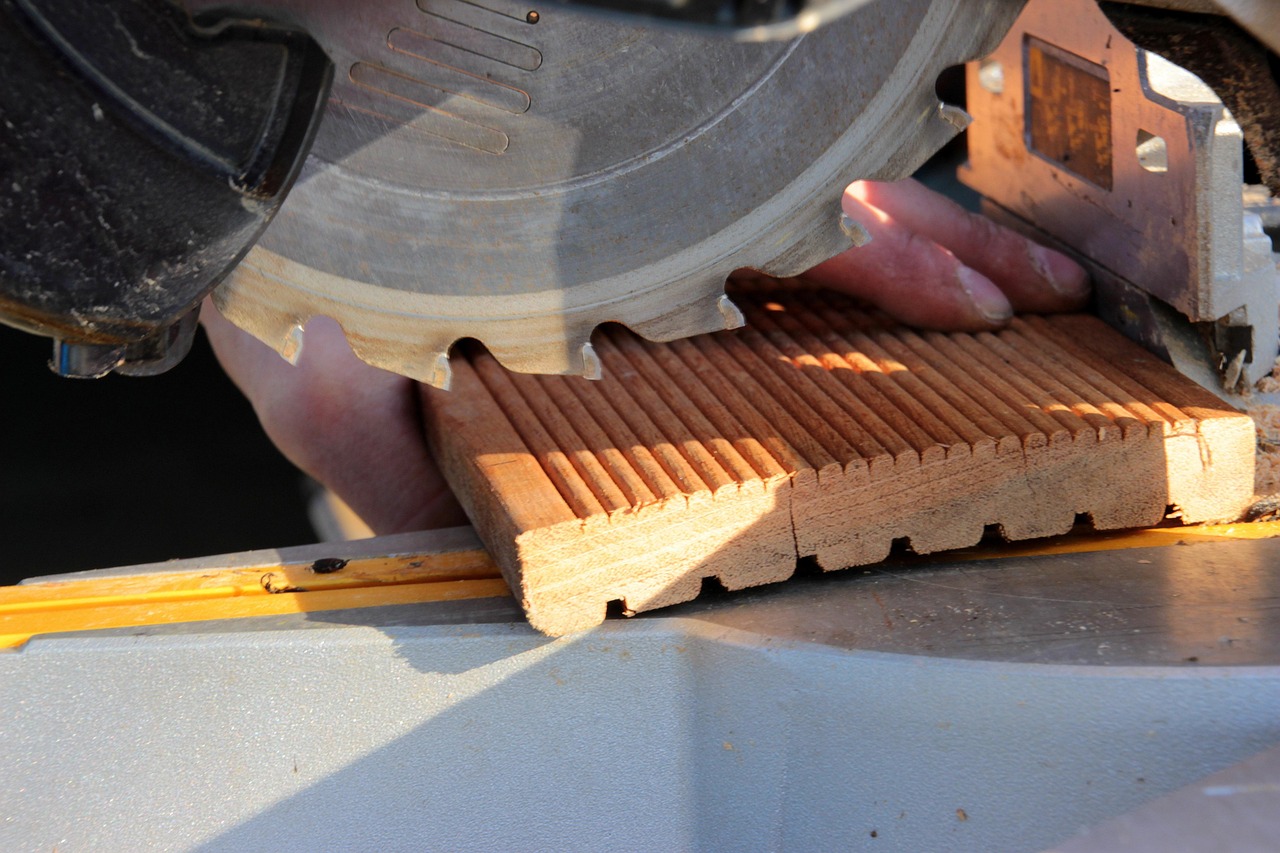
Quiet saw blades are helpful for individuals who is making many cuts throughout the workday. Finally, a trim saw blade can be used in the miter saw for installation work. Trim saw blades are similar to fine-finish saw blades but have teeth configured for cutting thin stock at acute angles.
Trim saw blades have a tooth count of around seventy teeth. Additionally, trim saw blades have a low hook angle to avoid lifting thin stock off the saw miter saw fence. Most trim carpenters will have at least one trim saw blade mounted on an eight-and-a-quarter-inch compound miter saw that is kept in the truck.
This smaller saw blade causes less chatter marks on tall pieces of crown molding when cutting it vertically against the saw fence. Once an individual has used a trim saw blade to cut prefinished trim, they will never want to use a general-purpose saw blade again. While there are many types of saw blades for miter saws, each type has its own use.
A weekend warrior can get by with only two types of saw blades. These blades are a fine-finish saw blade and a general crosscut saw blade. A serious trim carpenter will have four or five different saw blades for their projects.
Depending on the type of cut they will make with their miter saw, they will change saw blades without hesitation. The miter saw does not know the difference between the materials being sawn. It does not matter what type of saw blade is mounted into the miter saw.
The results of the cuts will improve the moment an individual starts to treat the saw blade as the most important variable in the sawing process. Before starting a project, an individual should take a minute to examine the materials to be cut. Additionally, the quality of the cut that is required should be examined.
Based off these two observations, the appropriate saw blade can be chosen. The quality of the saw blades will be immediately seen in the work completed. The difference will show up in the required finish of each project.
The difference will be seen in the number of sanding steps required to prep the project. The difference will be felt in the satisfaction that comes with cutting a piece of trim or molding to look professional the first time. Despite the saw blade being as thin as a circle made of steel and carbide, it will make the difference between the project looking like careful craftsmanship or like frustration from a weekend warrior who did not take the time to properly equip their miter saw.
By choosing the right saw blade for a project, an individual will recieve a good return on their investment in every single cut.
