
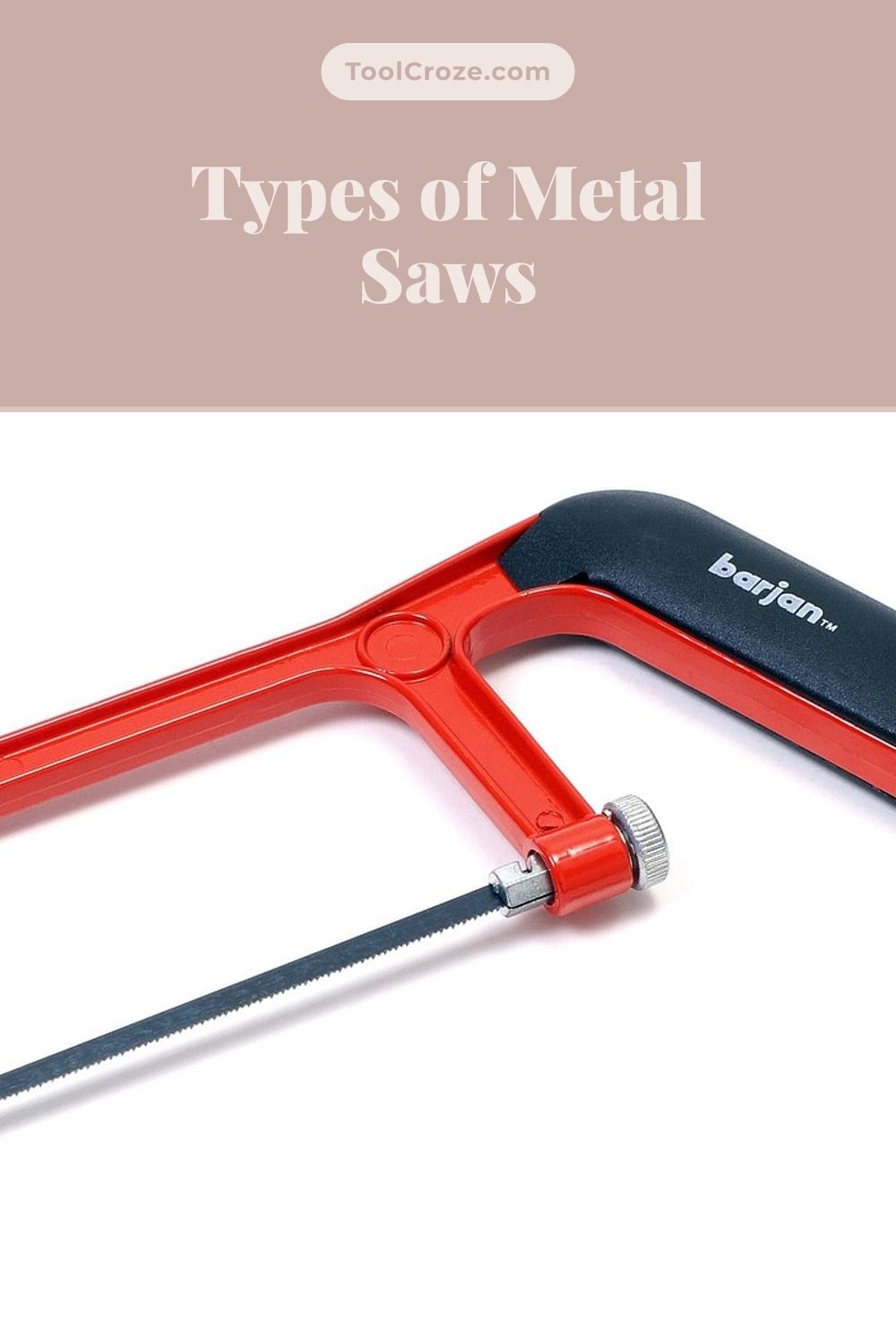
Metal saws are a set of cutting tools that are central to every fabrication shop. Whether a person is working on a construction site with rebar or in a home workshop sawing a piece of lumber into precise miters, metal saws are essential tool that will make a persons work look good and be easily repeatable if used with the correct blade and tool. In contrast, using the wrong metal saw blade and tool will leave a person with undesirable metal characteristics such as burrs and broken metal saw teeth.
Consequently, understanding the varieties of metal saws will allow a person to understand which metal saw to use for what task so that they doesnt have to struggle with their saw every time they use it. One of the most common beliefs among those who do not yet have experience with metal saw blades is that there is one saw that can complete every task. This belief is typically dispelled after a person encounters a bandsaw blade that walks off a workpiece they were cutting or after they use an abrasive chop saw to cut metal only to find that the metal edge is far too rough for welding operations.
Each type of metal saw is created to accommodate specific characteristics of the metal to be cut, such as metal thickness, metal hardness, and the type of metal finish that is to be achieved. Knowing the various types of metal saws and their characteristics will allow a person to cut metal efficient. A hacksaw is a relatively inexpensive tool.
Common Types of Metal Saws to Use
1. Hacksaw
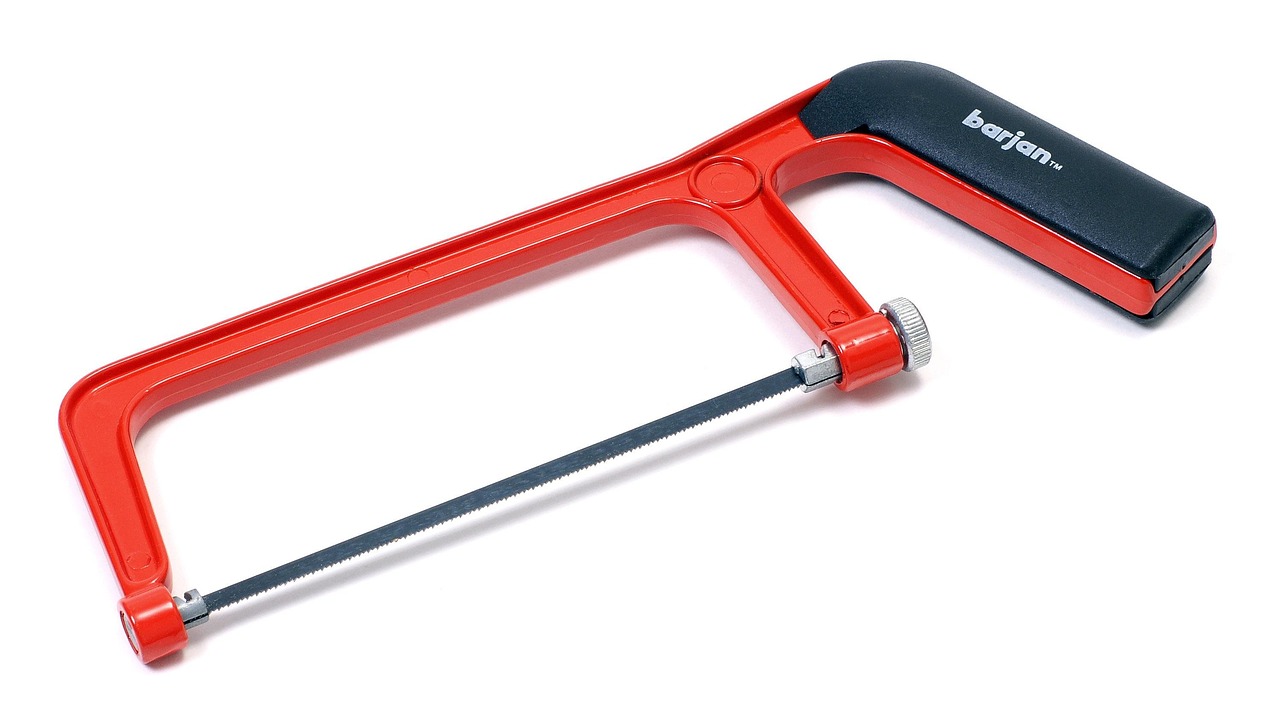
It is also a portable tool and can perform well in the right circumstances. A hacksaw use a blade with fine teeth. The number of teeth on the blade ranges from 14 to 32 per inch.
Additionally, the hacksaw saw cuts while the metal saw is performing a push stroke movement. A hacksaw can cut thin metal tubing, bar stock, and even hardened bolts without the use of electricity. To cut metal with a hacksaw, a person must allow the saw to perform its function instead of using their physical muscles to force the saw forward.
Using too much force on the saw will cause the fine saw teeth to strip. Using too little force will waste cutting time. A hacksaw is a one-handed tool.
It is best for making quick repairs or if a person dont have access to electricity. A hacksaw is a one-handed tool. Using it to cut metals over a half inch in thickness will strain a persons arm.
2. Portable Band Saw
A person who is cutting metal that is larger in scale than what a hacksaw can accomplish will find that a portable band saw is the best tool to use. Portable band saws look like reciprocating saws but with metal reinforcements. A person will have to clamp the workpiece or the portable metal saw to the workbench to guide the saw blade through the metal.
Portable band saws use a continuous motion to cut metal, which reduces vibrations as the workpiece is cut and leaves a cleaner cut on the metal than a reciprocating saw. Additionally, professionals prefer using portable band saws because they can make cuts in tight metal workspaces that an abrasive chop saw cannot access. The main downsides of using a portable band saw are the cost of metal saw blades and the learning curve to effectively use the saw.
However, once a person becomes accustomed to the portable band saw, it will be the primary metal saw that a fabricator uses to cut structural metals.
3. Cold Saw
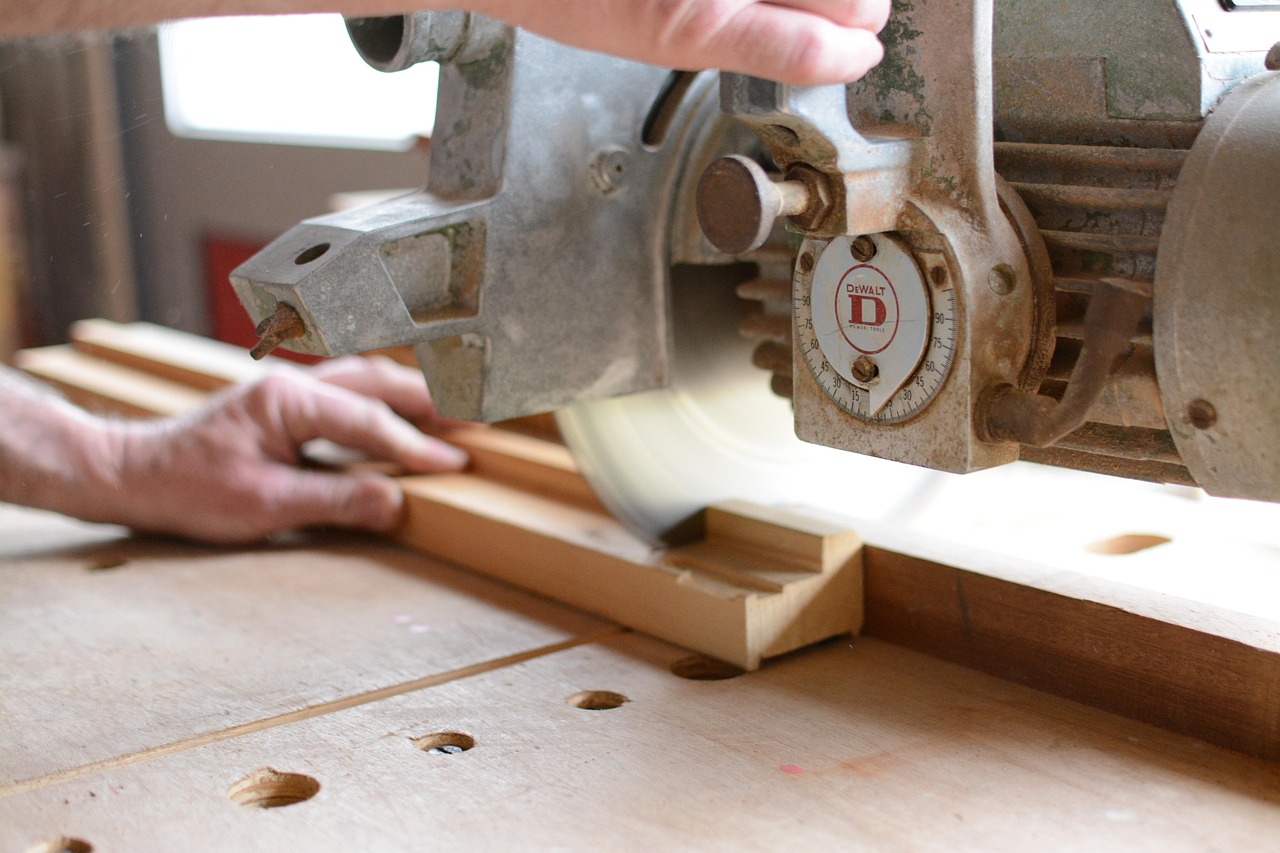
A cold saw gets its name from the fact that it can cut metal fast enough to keep the metal cool so that it can be touched after it has been cut. Instead of using an abrasive wheel to cut the metal, the metal cold saw uses a toothed carbide blade to make a shearing motion in the metal stock similar to a milling cutter.
This metal saw will produce a mirror-smooth cut on the metal with no burrs and no sparks. Fabricators who make metal parts that must be welded to other metal components use cold saws. Cold saws are heavier, they move slower than abrasive metal saws, and they cost more money.
However, because they save time on deburring the cut metal and they provide more precision cuts, fabricators find that the cost of the metal cold saw is worth the investment.
4. Abrasive Chop Saw
Abrasive chop saws, also called cutoff saws, are metal saws that are used the most in metal demolition and in rough fabrication of metal parts. Abrasive chop saws use a spinning fiberglass-reinforced metal wheel that can cut rebar, angle iron, and schedule 40 metal pipes in a matter of seconds.
When using an abrasive chop saw, the metal will spark in an arc, so the person using the saw must wear safety glasses and hearing protection. Abrasive chop saws are fast in cutting metal, they are relatively inexpensive, and they are forgiving of painted metal. However, the disadvantage of using an abrasive chop saw is that the metal that was cut will have a work-hardened edge that must be ground before welding.
When cutting metal quickly or in high quantities, abrasive chop saws are a valuable tool.
5. Horizontal Bandsaw
The horizontal bandsaw is a saw that can be set on the floor or on a stand. A horizontal bandsaw is an automated metal saw that a person can load and then forget about.
A person can set the length of metal that they would like to cut with the horizontal bandsaw. A bandsaw of this type will descend automatically using hydraulic pressure to cut the bar stock to the desired length. Most models of horizontal bandsaws will cut metals ranging from one-inch in diameter round bar stock to six-inch metal beams.
The bandsaw uses a continuous blade and will allow a drip of coolant to reduce friction and an automatic shutoff to prevent fires. Additionally, a person can use the horizontal bandsaw while they are performing other metal saw tasks. The horizontal bandsaw is an expensive saw and takes up considerable floor space in a metal fabrication shop.
However, once a person purchases the saw and sets it up in their shop, it will be the most productive metal saw tool in their shop.
6. Vertical Bandsaws
Vertical bandsaws are metal saws that provide a different type of versatility to a metal fabricator. The blade of a vertical bandsaw can go through sheet metals with different curves that a person can create by hand with the bandsaw.
Using the correct blade and having a steady hand when using a vertical bandsaw will allow a person to cut metals that have the same finish as those that a machine has produced. Some metal saw models have a miter saw gauge and fence that makes it easier for a person to cut straight metals. However, a vertical bandsaw’s most common use is to tilt the bandsaw table and follow a paper template of the metal part that is to be cut.
Metal vertical bandsaws are relatively slow in cutting thick metals and take more skill to master than other saw types. However, a vertical bandsaw will produce metal parts that no other metal saw can match. The final type of metal saw tool to discuss is the metal circular saw.
7. Metal Circular Saw
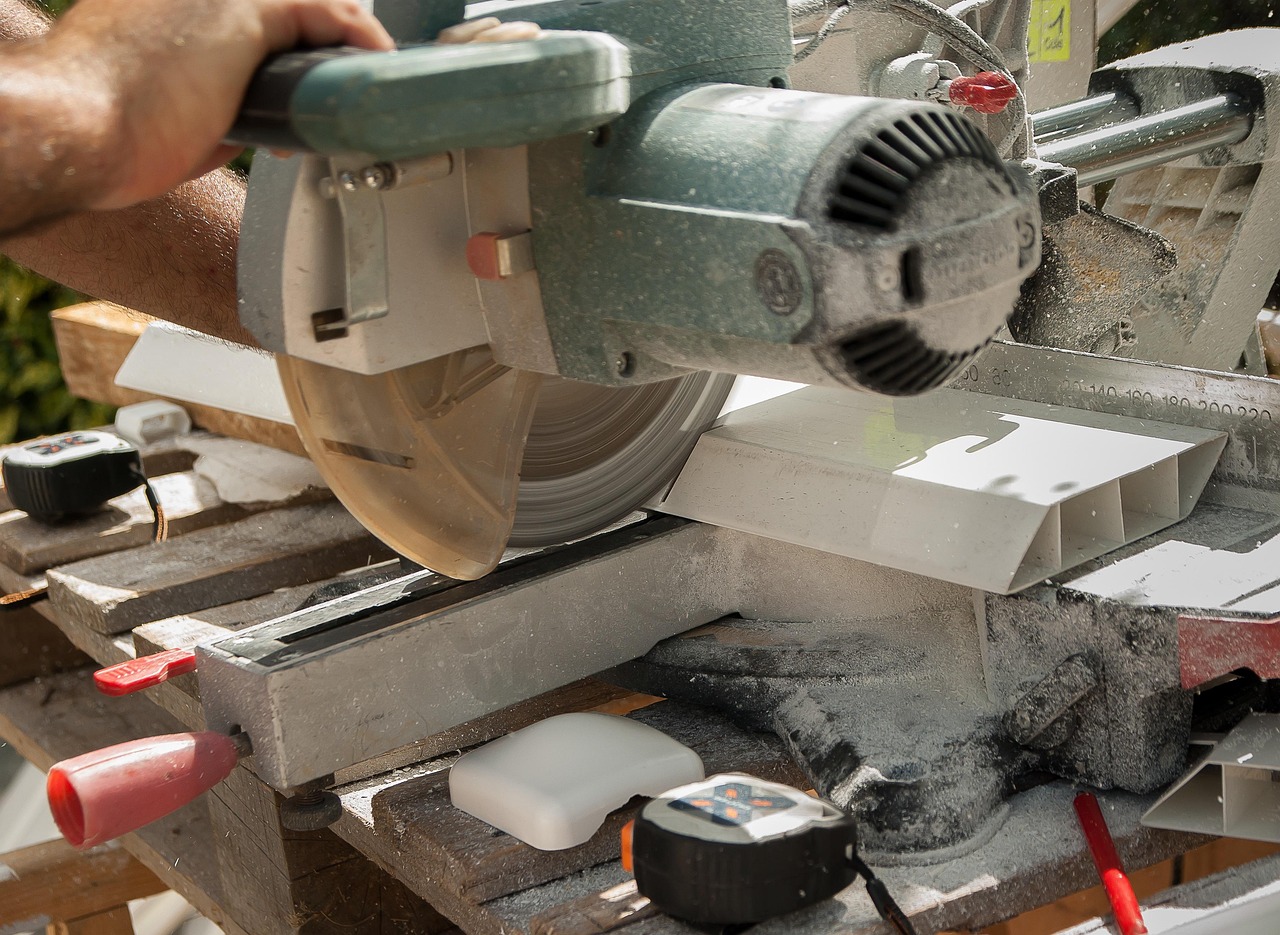
This tool looks like a heavy-duty carpenter’s worm-drive saw. The metal circular saw uses a thin carbide blade that spins at high rates to cut sheet metal and light gauge metals. Unlike abrasive metal saw blades, the metal circular saw’s teeth actually slice the sheet metal.
Plumbing and HVAC technicians use metal circular saws when cutting metal ducts and metal struts while on a ladder. Because the metal circular saw blades cut so cleanly with sheet metal, a person typically does not have to deburr the metal edges after sawing them. A metal circular saw requires skill and the use of a sharp blade to cut sheet metals.
Otherwise, the blade may be forced to cut the metal and cause metal kickback that could be dangerous. Each metal saw is manufactured to solve a specific problem in the fabrication of metal parts. A hacksaw is a light tool.
A portable band saw can find awkward metal locations. A cold saw metal tool can produce perfect cuts. An abrasive chop saw will quickly cut rebar or other metals.
A horizontal bandsaw can automate metal saw tasks. A vertical bandsaw can cut metals with curves. Finally, a metal circular saw metal tool can be used on jobsites.
When a person has a pile of metal to cut, they should not just grab the first metal saw tool they find in their truck. A person should consider the type of finish they need from the cut metal. The time they have to complete the metal saw tasks.
The amount of physical effort they would like to exert to cut the metal. By considering these issues, a person will be able to effectively match the saw tool to the metal that they are cutting. By doing so, metal saw tasks will be more efficient.
