
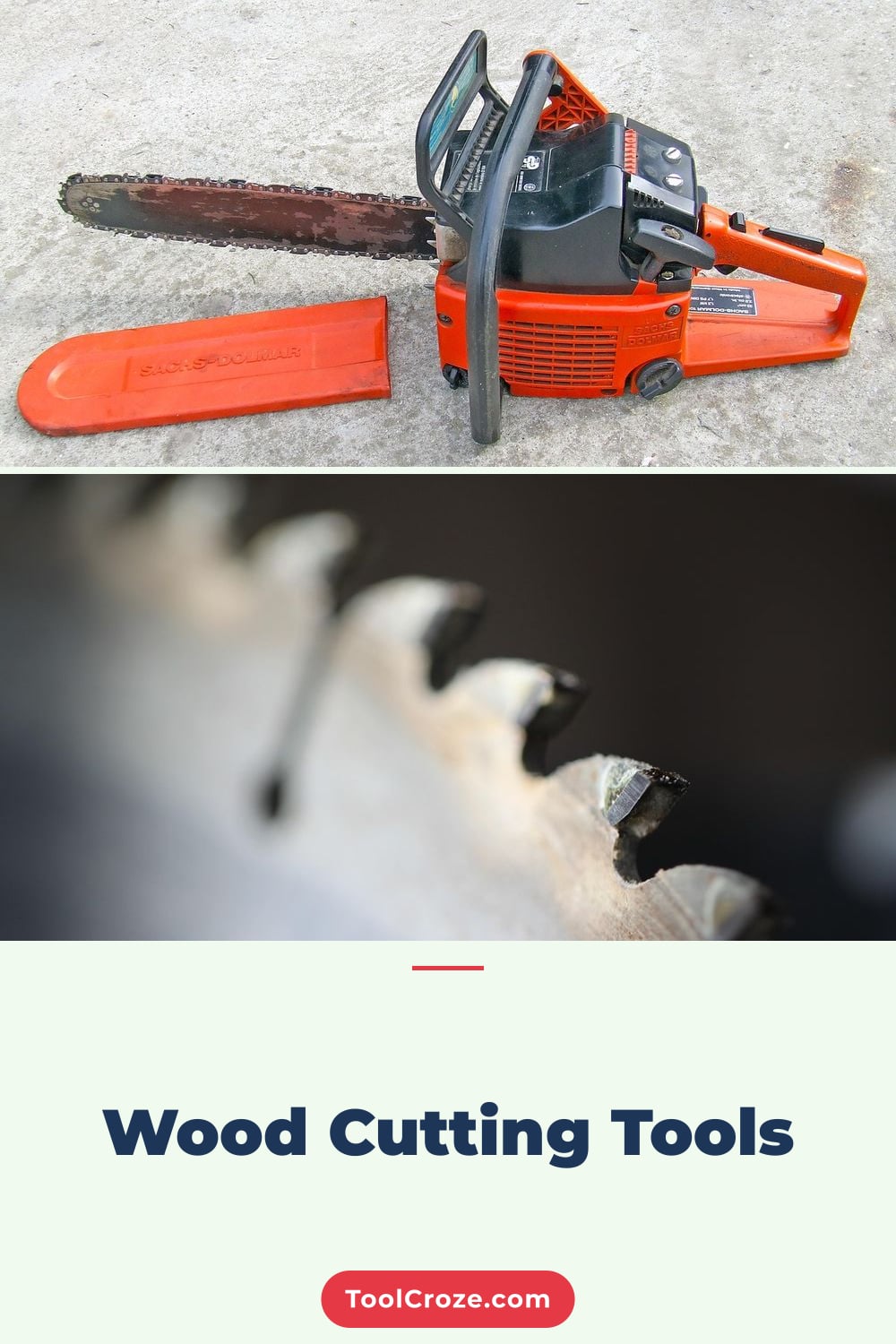
Wood can be difficult to work with if you dont have the proper tool to do the job correctly. Wood will remind you of this when your tools is not performing as well as it should. If the cutting tool has a dull edge or if you swing clumsily into the wood, you will fight against the grain of the wood, waste energy, and risk injuring yourself while attempting to complete the projects.
Regardless of the project that you are building or splitting the wood for the winter, the proper cutting tools will allow the wood to work with you, not work against you. The proper tool for the job can make all the difference in whether you struggle with the wood or succeeds with it. Tools come in many shapes, sizes, and weight, and every tool is best used in a specific way.
Each tool can teach woodworkers information about the wood that they are cutting. If you do not use the proper tool, you will waste both your time and your energy. However, if you use the proper sequence of tools for specific tasks, the wood will feel inevitable to saw and plane.
It is beneficial to learn these cutting tools before you begin your next project.
Essential Wood Cutting Tools You Should Know
1. Handsaws
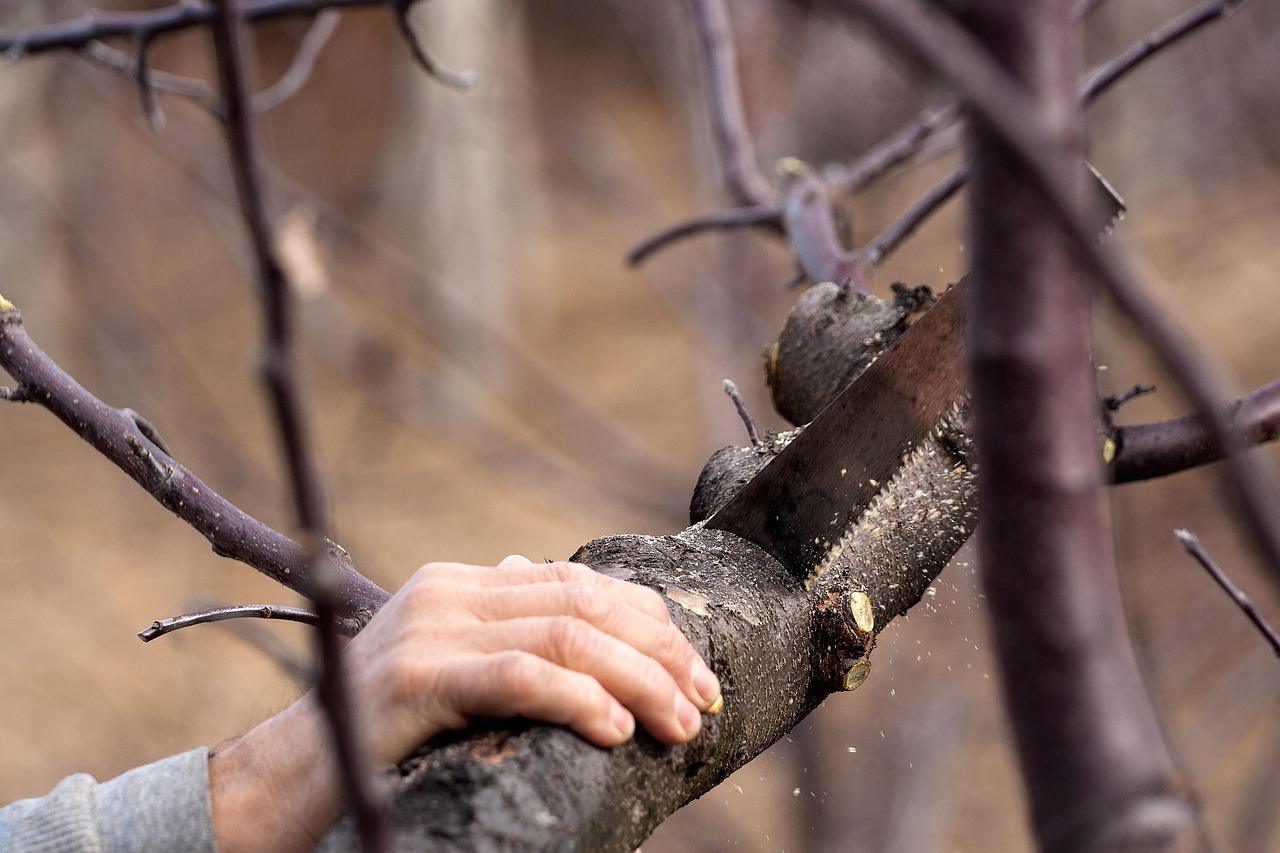
Handsaws are a useful cutting tool for woodworkers of all experience levels. Because a hand saw does not create as much noise and dust in the workshop as some of the other power tools, it gives woodworkers complete control over the saw’s position and movement.
A well-tuned hand saw allows woodworkers to follow pencil lines and adjust the movement of the saw while they are cutting the piece of wood. Woodworkers use crosscut saws to cut against the grain of the wood, while they use rip saws to cut along the grain of the wood. Using a saw helps woodworkers to notice changes in the wood’s density and to spot potential knots in the wood that might make cutting difficult.
Using a saw requires both a sharp edge and skillful use of the saw. Woodworkers will experience a learning curve when first using a saw.
2. Japanese Pull Saws
Japanese pull saws are used in much the same way as the Western saws, except the saw cuts on the pull stroke of the wood.
Because the saw makes the cut on the pull stroke, the saw blades are thinner than Japanese saws. The thinner saw blades will create less waste and require less effort from the woodworker to cut the piece of wood. The reduced effort that is required to use a Japanese saw will make it perfect for delicate projects.
The force that is required to start the saw into the wood is less with a Japanese saw. A woodworker should include both Western saws and Japanese saws in they’re tool kit to handle different projects. Japanese saws are perfect for tight spots or finishing work on a project.
However, they are also fragile when used with heavy force.
3. Axes and Hatchets
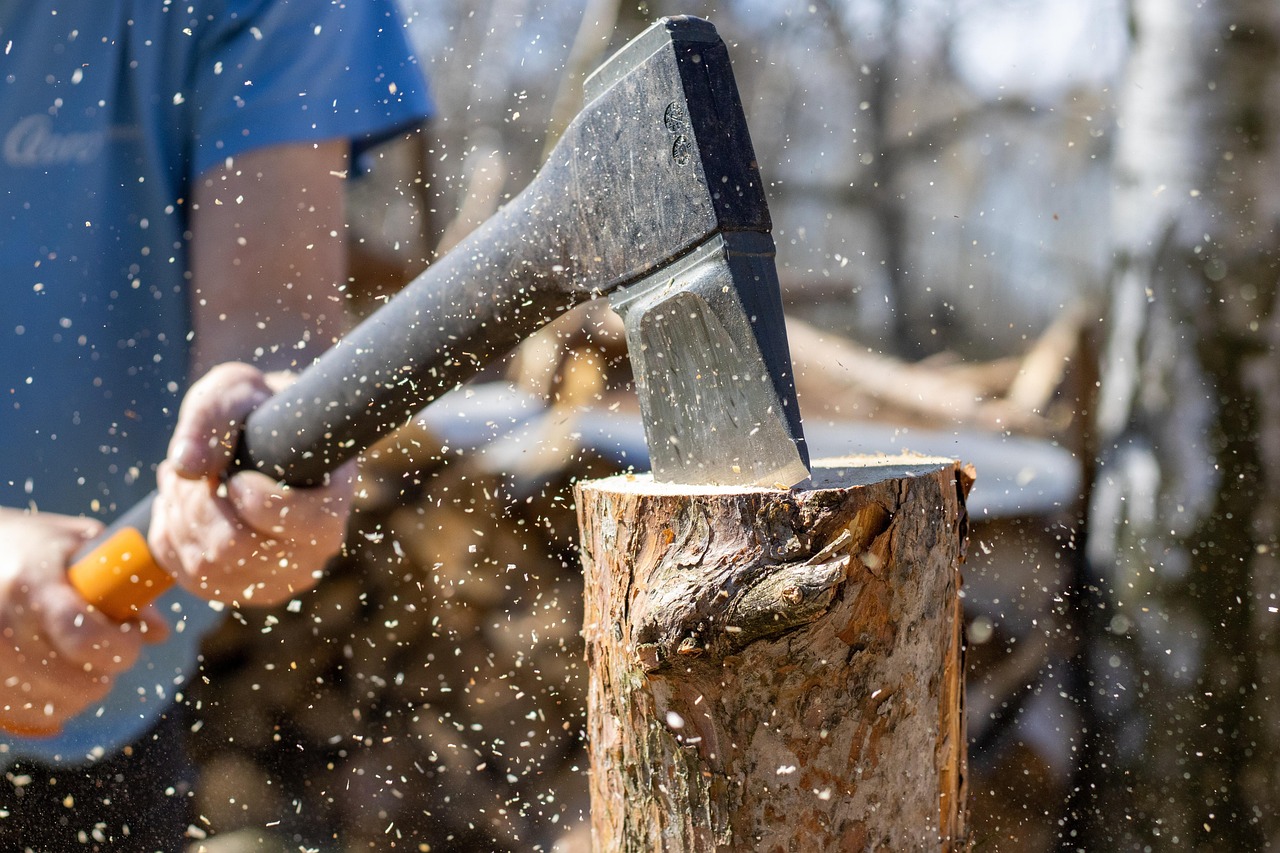
Axes and hatchets are tools that provide raw cutting power to the woodworker. Splitting axes have heavy heads and thick wedges that allow them to split logs in half and require less wood to be wasted in the splitting of these logs.
To use an axe correctly, woodworkers should let the axe do the work of splitting the log instead of forcing the axe to perform the task. Hatchets are smaller and lighter than splitting axes and are used for more delicate tasks in a project. Both axes and hatchets require practice to master the wood to feel the effortless swing of the axe.
The effortless swing comes from having the proper stance while using the axe. It does not come from using strength to swing the axe. Axes and hatchets require the blade to be kept sharp enough to shave wood fibers off of the woodworker’s arm.
4. Chisels
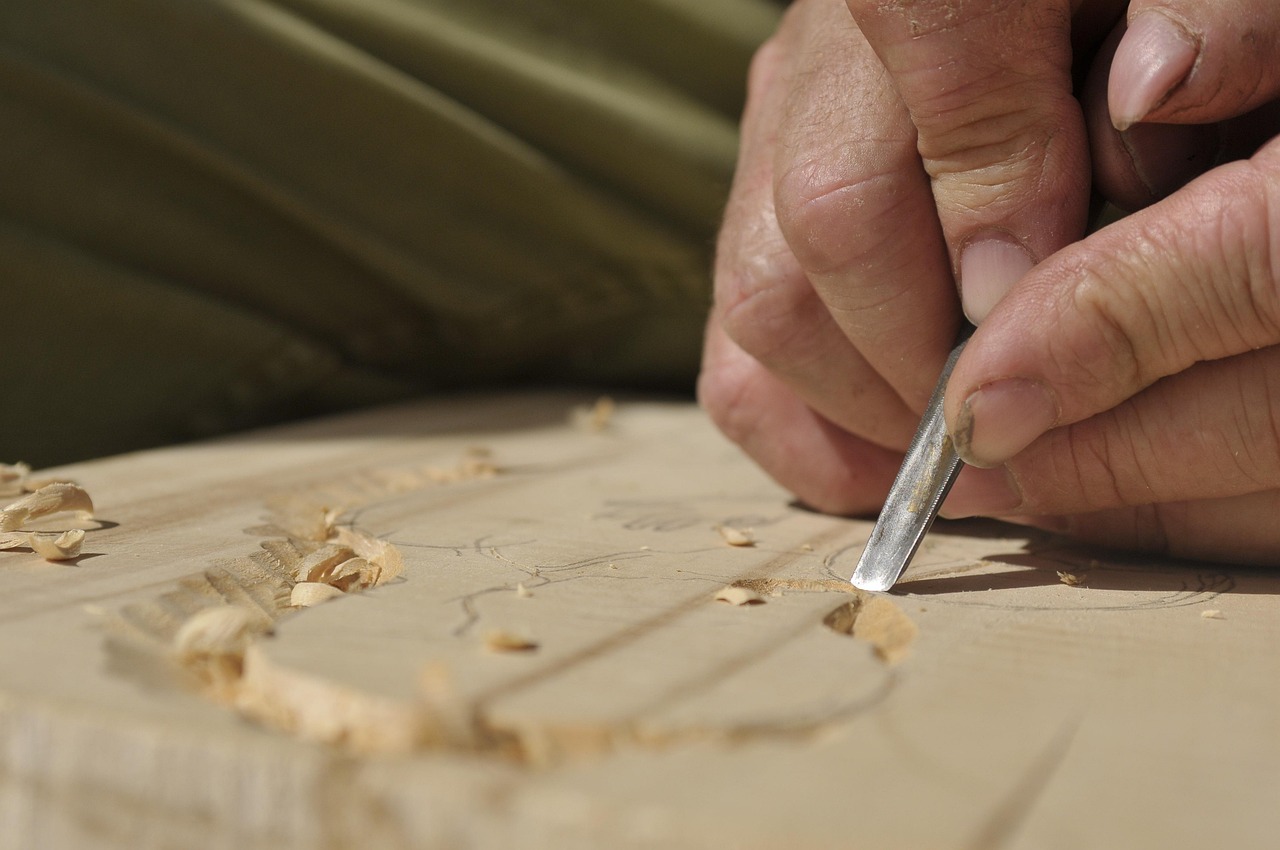
Chisels are used in almost every project in the workshop. Chisels have a blade made of steel and are used to pare, chop, and shape the wood. Woodworkers use bevel-edge chisels to cut into tight corners to remove wood fibers from places such as dovetails.
Mortise chisels are made to withstand the force of a mallet to hollow out a joint in the wood. The steel used to make the chisel is crucial to the survival of the tool; the blade should be sturdy to avoid chipping and strong enough not to dull quickly when used on hardwoods like maple. Woodworkers need to learn the direction of the grain of the wood to avoid splitting the wood fibers on the visible side of the cut project.
Many woodworkers state that chisels require the most patience from woodworkers because any mistake in using a chisel will be immediately seen in the finished project.
5. Hand Planes
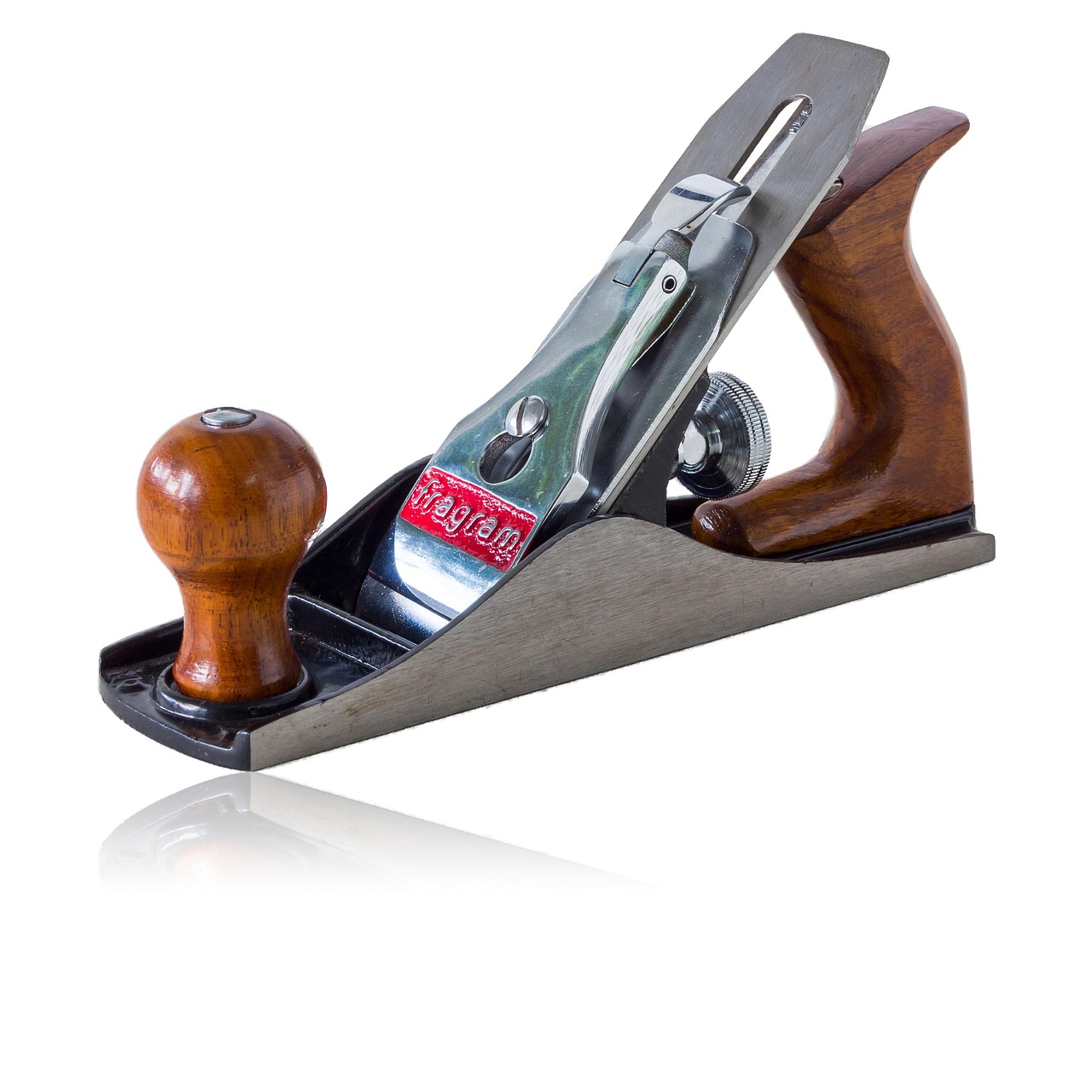
Hand planes are tools that smooth the wood and flatten it. There is satisfaction in the strip of wood that comes from using a hand plane to shave the wood.
Bench planes are used to remove the bulk of the wood from a project, while other hand planes are used to smooth the project to get a reflective surface on the wood. You can adjust the cutting angle and depth of the cut with a hand plane. To use a hand plane correctly, the tool must be tuned properly.
Once the hand plane is properly tuned to the wood project, the tool will guide itself to the next spot on the workpiece.
6. Power Saws
Power saws allow woodworkers to complete large projects. However, there is less control with power saws as with the hand saws.
7. Circular Saws
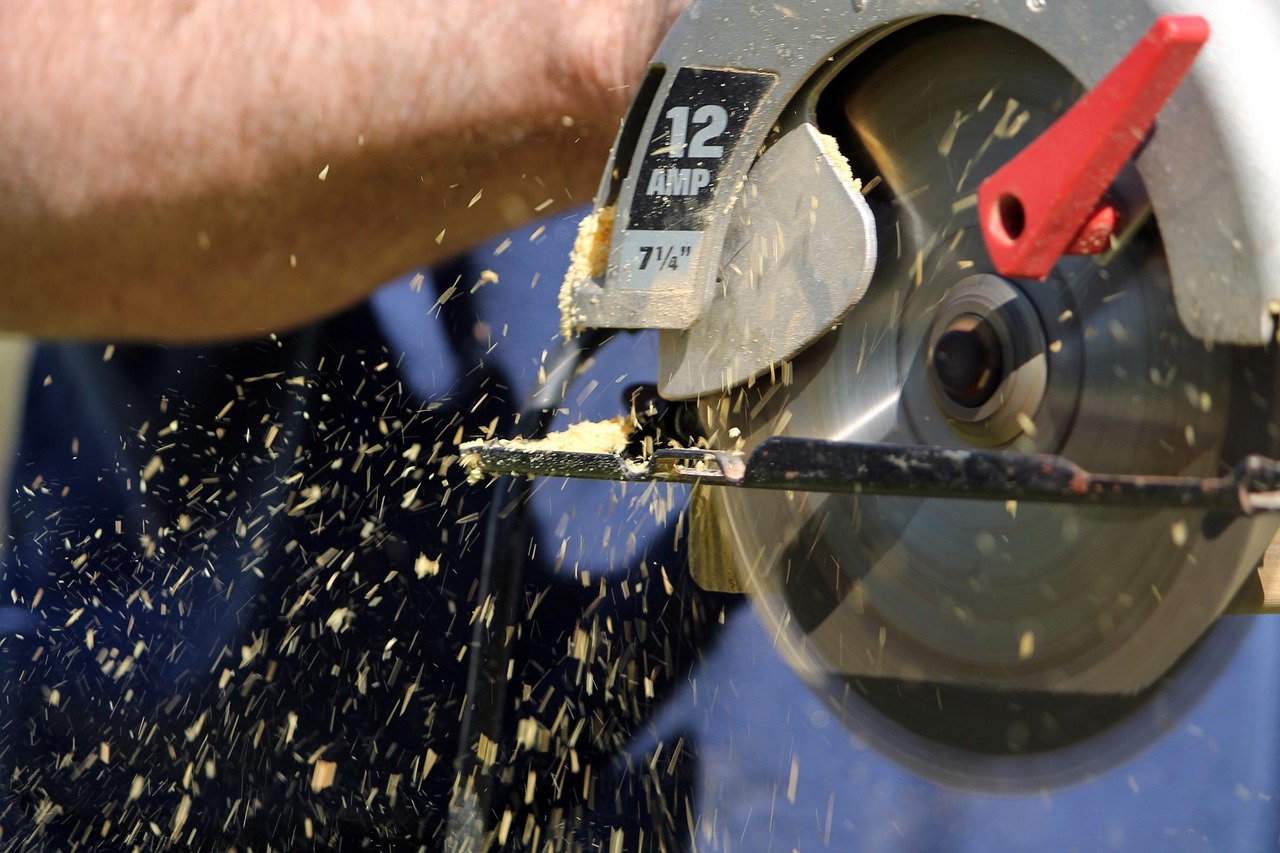
A circular saw can make straight cuts in sheet goods. The woodworker can use a straightedge to ensure that the saw makes a straight cut. Because of the portability of the power saw, a circular saw is an ideal saw for jobsites.
8. Compound Miter Saws
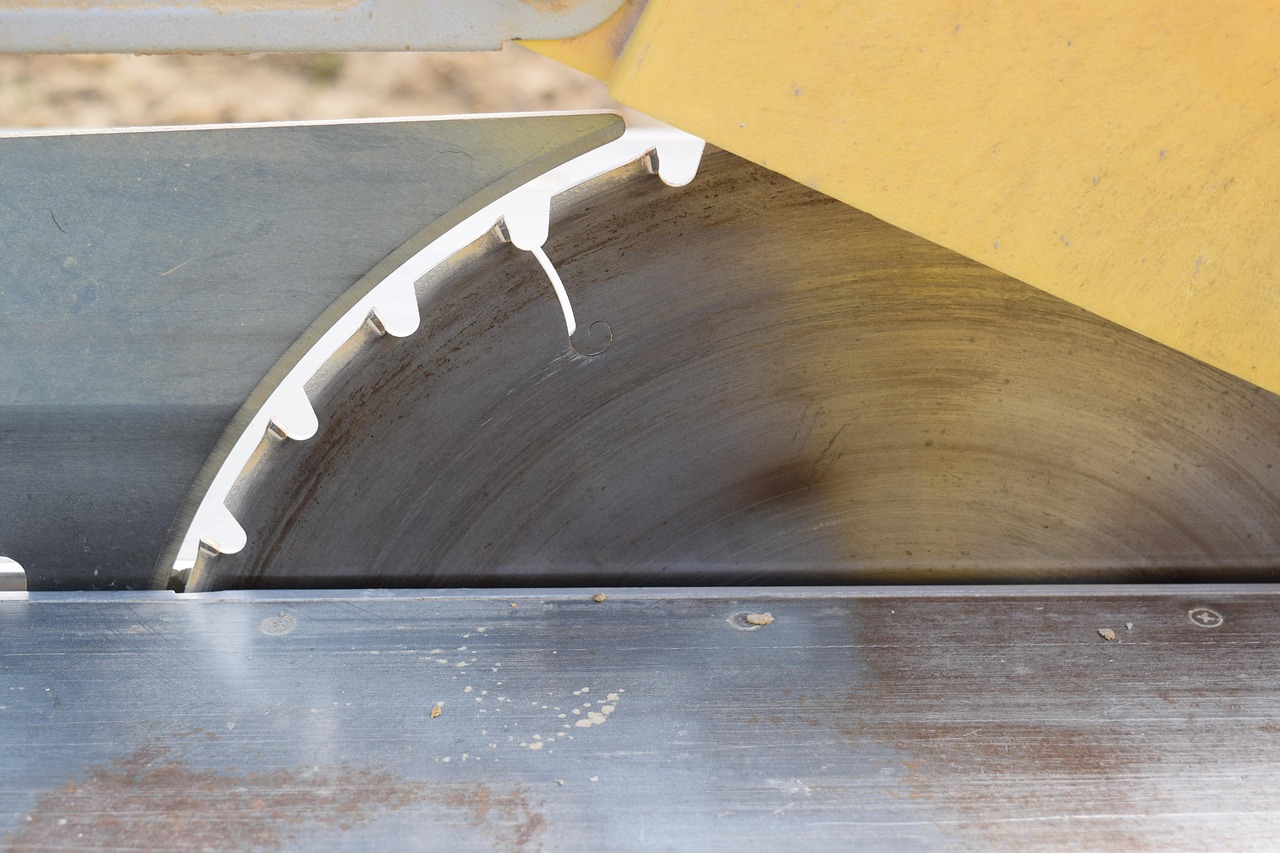
Compound miter saws are excellent for cutting pieces of wood to specific angles for trim or framing projects. Both the circular saw and compound miter saws will make dust and noise in the workshop that a hand saw will not. However, power saws can complete a task in a few minutes that a hand saw could take hours to complete.
The power of these saws is worth the distraction of wood dust and noise.
9. Bandsaws
Bandsaws allow wood to be cut in curved lines. Because the saw blade is continuous and loops through the bandsaw table, the woodworker can follow a pencil line with the saw.
Thick planks of wood can be resawn into thinner boards with a bandsaw. Bandsaw blades are narrow enough to cut a radius in the wood that other saws can not make. The saw is also able to make straight cuts with its wider blades.
Woodworkers must adjust the tension and tracking of the saw blade so that it does not ruin a project. The bandsaw is a saw that will become a woodworker’s most versatile saw once they understand the limits of that saw.
10. Jigsaws
Jigsaws are used to cut a freehand curve in an object that a bandsaw could not reach.
The narrow blade on a jigsaw saw allows it to start a cut directly into a project. The jigsaw saw is perfect for cutting openings into a piece of furniture. The orbital saw action of the jigsaw saw allows it to make quick, aggressive cuts into the wood.
However, the orbital action will leave the edges of the object that is being sawn. The variable speed of the saw allows the woodworker to make slow cuts with the saw for delicate projects or to make faster passes with the saw into hardwoods. Because the jigsaw saw is a portable saw, it can be moved to the workpiece being sawn instead of moving the workpiece to the saw.
A jigsaw saw will make a clean cut with a sharp saw blade with a steady saw blade.
11. Chainsaws
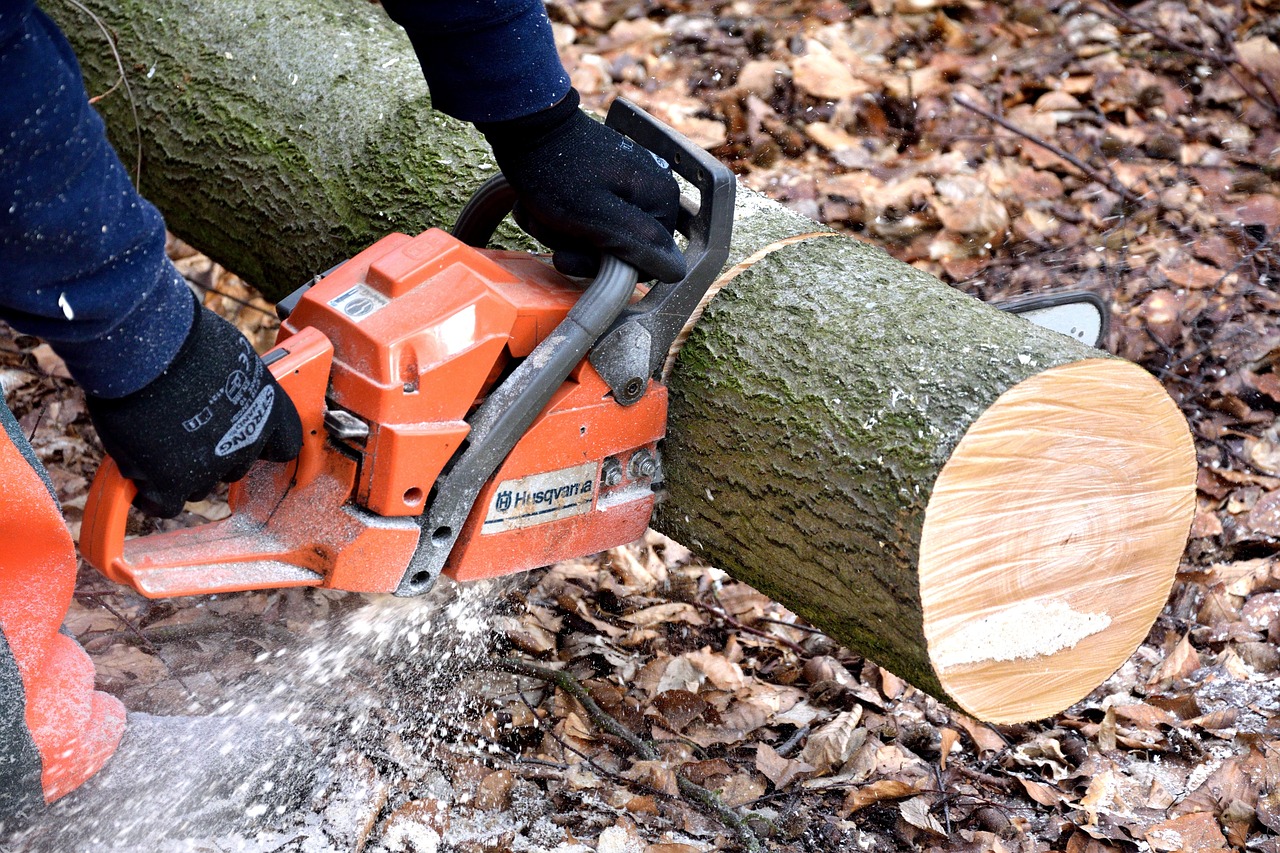
Finally, the chainsaw is the most powerful saw in a woodworker’s collection of saws. It is used for rough cutting of massive amounts of wood.
No other saw will clear massive branches off of a tree. Moddern chainsaws have anti-vibration handles to reduce the strain on the saw blade and automatic oilers to ensure that the saw blade is properly lubricated. Safety gear is a requirement when using a chainsaw.
The saw has to be kept sharp and well maintained for the saw to make a clean cut through the wood. Carvers will use a chainsaw to rough out massive sculptures that will later be finished with hand tools. The power that a chainsaw has commands the attention of a woodworker.
The power of the saw will reward woodworkers who show respect for the tool. The mastery of all these tools takes time. Each tool will teach a woodworker something specific about the wood that they are cutting.
They will also teach woodworkers something about themselves when they use these tools. Depending on the projects that the woodworker takes on, they may have a better start using some tools over others. Woodworkers must also invest time in learning how to properly maintain each saw.
By doing these things, woodworkers will find that cutting wood is not a chore but a craft. The grain of the wood is always talking to woodworkers. The right cutting tools only allow woodworkers to listen to the wood when they are sawing.
