
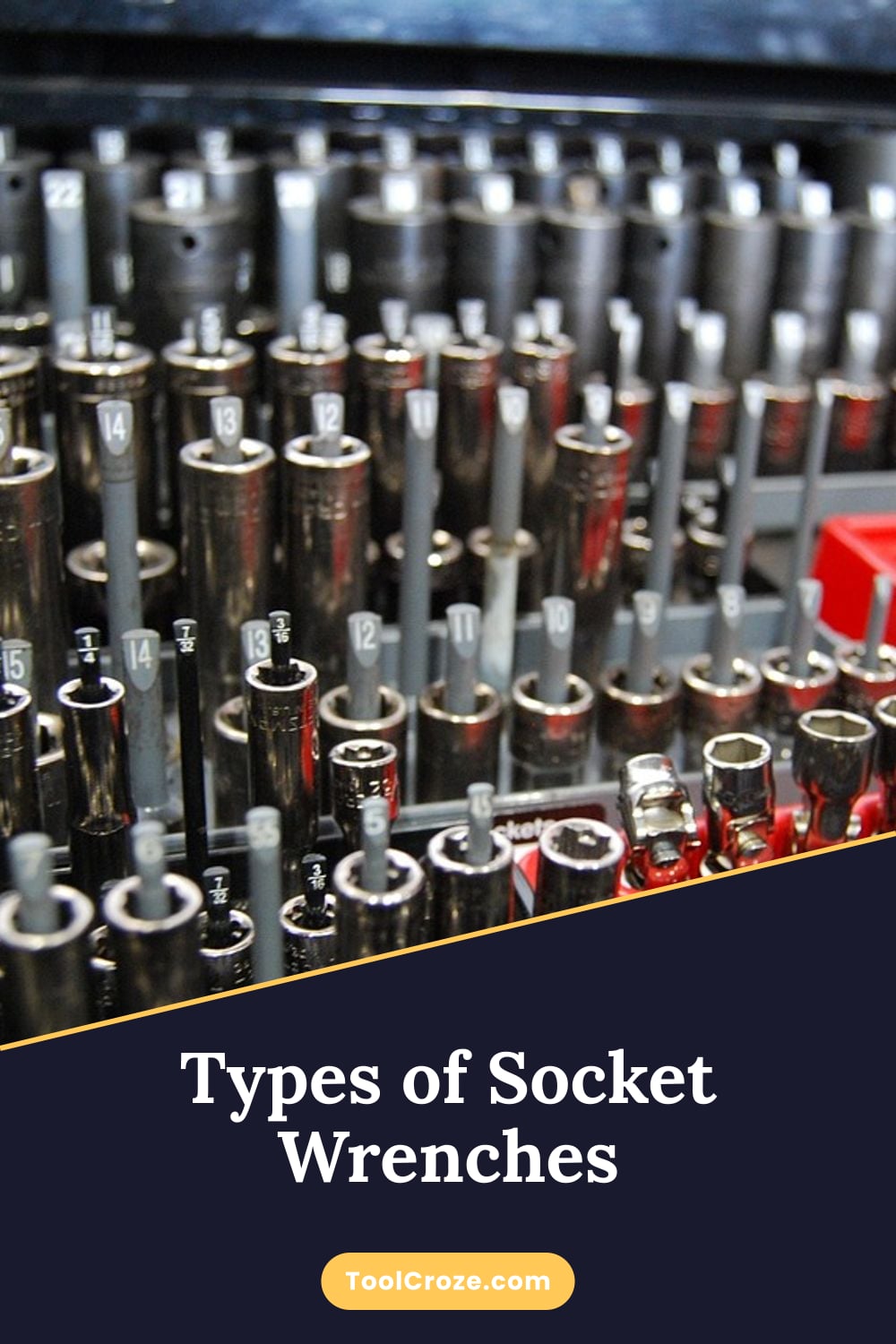
A socket wrench may seem like an small object; however, it becomes very important when an objects bolt are stuck in an awkward location and a persons knuckles is bleeding. It is clear that a persons choice of socket wrench can make the difference between completing a task or walking away because of frustration. People who work with socket wrenches on a regular basis, such as mechanics, weekend workers, or people who enjoy doing there own home repairs, use these tool many times every single day.
Despite the common use of these tools, people do not often take the time to learn which specific type of socket wrench perform best with the tasks that those individuals perform. By knowing the varieties of socket wrenches, individuals will save time, protect their wrist, and avoid making expensive mistake on their projects. A correct socket wrench can provide many benefits to the person who perform their tasks.
For example, a correct socket wrench can provide leverage to individuals who have limited access to the area where the fastener is located, provide speed to people who have many identical fastener to complete, or provide control over the fasteners for individuals who must place a specific amount of torque on those fasteners. Each tool has been created to offer one benefit while sacrificing another benefit. By understanding each tool and the benefits of each, people will no longer purchase tools that they will not use and will embrace the correct tool for each task.
The following list of socket wrenches will explain the different varieties of these tools, the benefits of each variety, and under what circumstance people will want to use each of these tools.
Common Types of Socket Wrenches to Use
1. Ratchet Wrenches
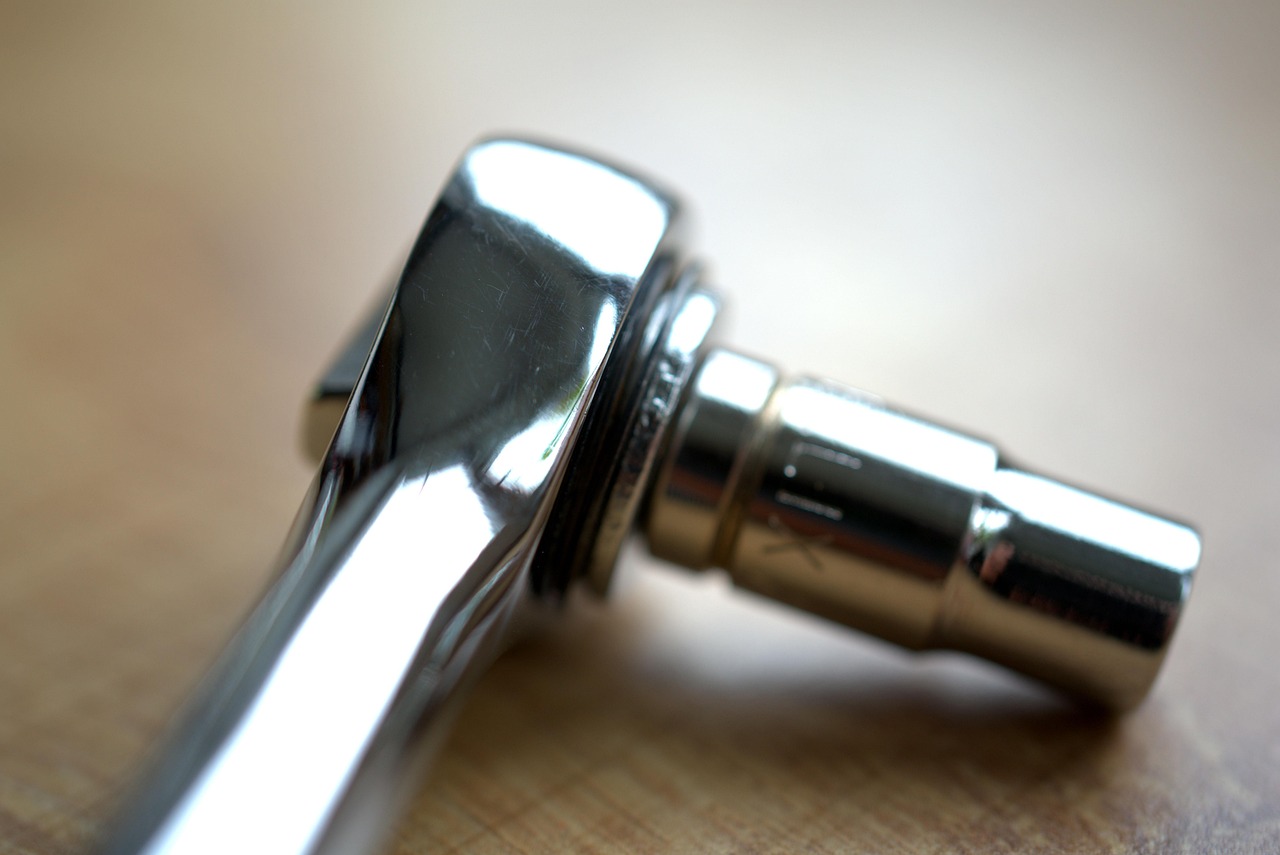
Ratchet wrenches are the first set of tools that most individuals will think of when the term socket wrench is mention. These tools are created with an internal gear and a pawl system that allow individuals to rotate the socket in one direction while the tool can rotate in the other.
Because of this, individuals do not have to continually lift the tool out of the bolt or reposition their body to complete the task. High-quality ratchet wrenches will make a clicking noise when an individual turns the handle, signaling to the person that the ratchet wrench is lock in place. Three-eighths inch drive ratchet wrenches are a good starting tool for most individuals who use hand tools in their home.
These tools can take high amounts of torque over time, which will wear down the components of the ratchet. Individuals who perform more heavy work on their trucks will use the larger drive size for the ratchet to avoid wearing down the components of the tool. These tools are a must-have in every toolbox.
2. Flex Head Ratchet Wrenches
Flex-head ratchet wrenches are used to solve the problem of fasteners whose sockets cannot be accessed due to another object being in the way. The head of these wrenches features a hinge that allow individuals to access the bolt from any angle while maintaining the strength of their wrist. Mechanics often use these tools to work on exhaust manifolds and car dashboards as the straight tool might damage the paint on these objects.
The hinge on the flex-head wrench allow for some flex when a lot of force is used to loosen a fastener. Professionals will own both types of these wrenches. Once individuals have used a flex-head wrench, they will not use extensions to access a fastener because the flex-head wrench can provide the same benefit in a more controlled fashion.
3. Torque Wrenches
Torque wrenches are similar to the ratchet wrenches but feature a scale that allow the user to measure the amount of force that is being applied to the object. There are two different common types of torque wrenches. The beam type of torque wrench features a steel pointer that will bend when force is applied to the tool.
The beam type is inexpensive but is difficult to read when the task is being performed in low light. The other type of torque wrench is the click type that makes an audible and tactile sound when the correct amount of torque is applied to the fastener. These tools are used by engine builders, brake technicians, or anyone who work with aluminum parts.
If the torque wrench is used incorrectly, individuals run the risk of overtightening a component which can destroy the threads or a gasket. Using a torque wrench will ensure that individuals do not undertighten a component as well. It is important to store a torque wrench when it is not in use so that it will last for many decade.
4. Speeder Handles
Speeder handles, also known as breaker bars without the ratchet mechanism, are long bars with a square drive on one end. These tools are used to loosen stubborn fasteners with a ratchet wrench by providing the user with more leverage. These tools are used to loosen lug nuts on cars that have been in place for years or to remove the head bolts from an old iron engine.
The length of the breaker bar allow for an increase in the user’s strength to be applied to the component while not stressing the components of the ratchet wrench. Many speeder handles will have a T-bar that allow the user to switch from the breaker bar to the ratchet handle once the fastener has been loosened with the breaker bar. The disadvantage to speed bar tools is that the user must use two hands to complete the task.
These tools should of been purchased in addition to, not in place of, ratchet wrenches.
5. Nut Drivers
A nut driver looks like a screwdriver but features a hexagon socket at the end instead of the blade that is used to turn screws. These tools are used for small fasteners on appliances, electrical boxes, and other furnitures.
The advantage to using a nut driver is that the handle and socket are one piece so that there is excellent control when the user is selecting the appropriate fastener. Electricians will have sets of nut drivers of different sizes; quarter inch to three-eighths of an inch. The limitation of a nut driver is that it cannot provide much leverage.
When a user needs more strength than their hand can provide, they will switch to a ratchet with an extension. However, having a nut driver set will allow individuals to complete many small task quickly.
6. Impact Sockets
Impact sockets are made of chrome-molybdenum steel and can take the beat of air tools.
The thicker walls of these socket wrenches and their black oxide finish will distinguish these tools from standard chrome wrenches. When an individual uses a standard socket on an impact tool, the steel of the socket will shatter. The impact sockets are slightly looser in their fit with the component so that the tool will allow for the small movements made by the air tool.
These tools are often used on suspension components, exhaust components, and any component that may be treated with thread-locking compound. Never use an impact socket for placing the final assembly of any component.
7. Spark Plug Sockets
Spark plug sockets feature a rubber sleeve that grips the insulator of the spark plug.
These tools is six inches in length to reach the spark plugs in the engine heads. Spark plug sockets come in three sizes to suit the spark plugs of different manufacturers. The rubber sleeve will wear down over time but is an inexpensive component to replace.
Any individual who changes spark plugs often will have sets of these tools for their projects. This tool may be single-purpose but is very useful in the garage for the first time.
8. Crowfoot Wrenches
Crowfoot wrenches are open-end wrenches that allow users to access fasteners in tight spaces that even a flex-head wrench cannot reach.
These tools are often used on hydraulic lines, fuel injectors, or transmission coolers. Because crowfoot wrenches do not have a square drive hole for a ratchet tool, they must be used with an extension. The crowfoot wrench sacrifices some strength but gains the ability of the tool to fit into tight spaces.
Professionals will have both metric and fractional crowfoot wrenches so that one difficult fitting will not force them to purchase just one set of these tools. Each tool mentioned is used for a specific need because there are different types of tasks to perform on different days. The ratchet tool is used for general tasks, the flex-head ratchet allows for a component to be reached from an odd angle, the torque wrench allows for a component to not be damaged by over-torquing, and the impact tool allows individuals to remove components that is covered in rust.
Having these tools in your toolbox will allow an individual to stop struggling with the task and to begin to flow through the job that they are performing. When an individual is faced with a task that requires the removal of a component under the dashboard or one that is covered in rust, they should not reach for the first tool that they find. They should think of which tool is best for that specific situation.
This type of thinking will provide an individual with the feeling of competence in their skills as makers, which is the feeling that motivates individuals to learn more about their tool sets.
