
When choosing the correct blade for a tile saw, a person must consider that the wrong type of blade will make a person look like a professional who dont understand the craft because a person will create a pile of cracked and expensive tiles. Conversely, a high-quality blade will allow for the smooth cutting of porcelain tiles with ease. Many people who do do-it-yourself (DIY) projects with a saw rental kit will use the blade that is included with the saw rental kit.
While this approach may work for the first few projects with a saw, this approach will eventually fail a person. Many different types of blades exist for a tile saw because each type are manufactured with specific features for cutting specific materials. By understanding the different types of blades available to those who rent tile saws, a person will save time, money, and the frustrations associated with cutting projects that dont turn out as well as they should.
Each type of blade features differences in the type of bond that holds the diamonds to the blade, the size of the diamond grit, the design of the rim of the blade, and the way in which the blade sheds heat during the cutting process. Each of these features will allow a persons projects to turn out as nicely as if a professional tile cutter had perform them. The following sections detail each of the main types of blades for tile saws.
Main Types of Tile Saw Blades
1. Diamond Blades
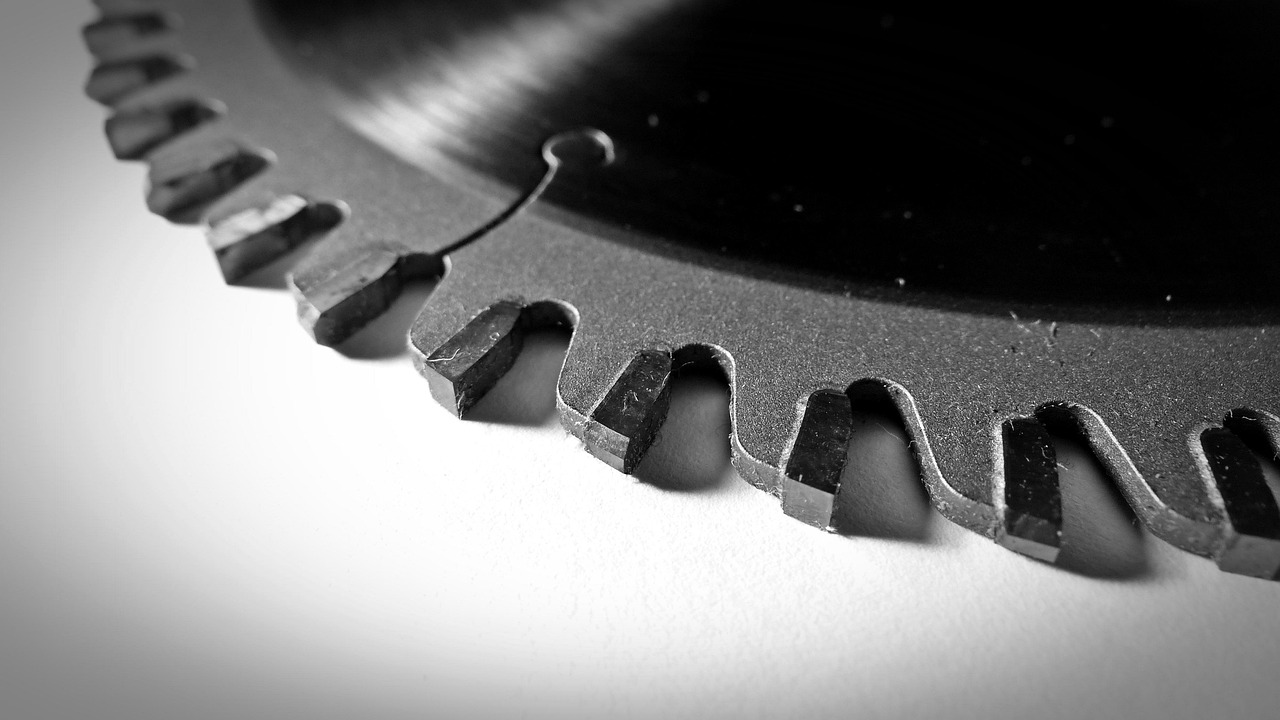
Diamond blades are the most common types of blades found on tile saw rentals because no other type of blade are capable of cutting through the hard materials of ceramics as well as the diamonds are. Each of the diamonds embedded within the metal matrix of the blade actually performs the work of cutting the ceramic material. The bond of the blade can be softer or harder to allow the diamonds to wear down over time.
With a softer bond, the diamonds will wear down and expose new cutting surfaces to the ceramic materials being cut. A harder bond will last the saw for a longer period of time, but if the blade is used on ceramic materials, the exposed bond will glaze over. Once the bond has glazed over, the blade will no longer perform its cutting function.
Many people who are unaware of this fact will think that the blade has become dull with use, when in fact the blade may simply have glaze over.
2. Segmented Rim Blades
Segmented rim blades have slots around the circumference of the blade to allow for the blade to be cooled during the cutting process, and to allow for debris to be cleared from the cutting edge of the blade. These slots, or “gullets” allow for blades to be used in cutting thick floor tiles and natural stone materials.
The segmented blade will produce a rougher edge than a blade with a continuous rim, which may require extra sanding of the tiles after the segmented blade has cut them. However, a segmented blade will allow a person to cut tiles at a faster rate then a blade with a continuous rim.
3. Continuous Rim Blades
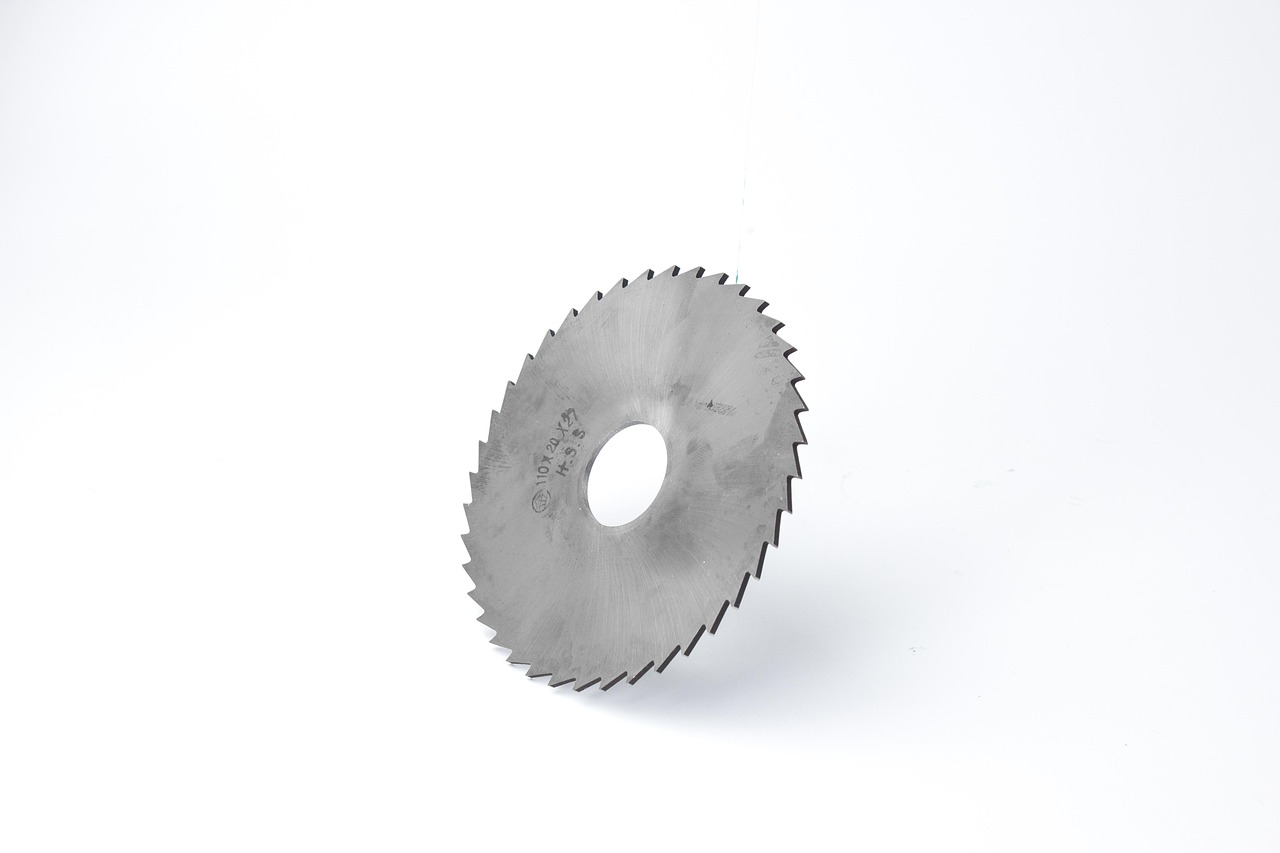
Continuous rim blades have a smooth, even edge around the circumference of the blade.
Continuous rim blades are used to cut glass and delicate wall ceramic materials. While continuous rim blades will cut at a slower rate than segmented rim blades due to the tendency of the blades to trap heat during the cutting process, the quality of the cut is worth the difference in cutting rate. With a continuous rim blade, water must be continuously fed to the cut to keep the blade from overheating.
4. Turbo Rim Blades
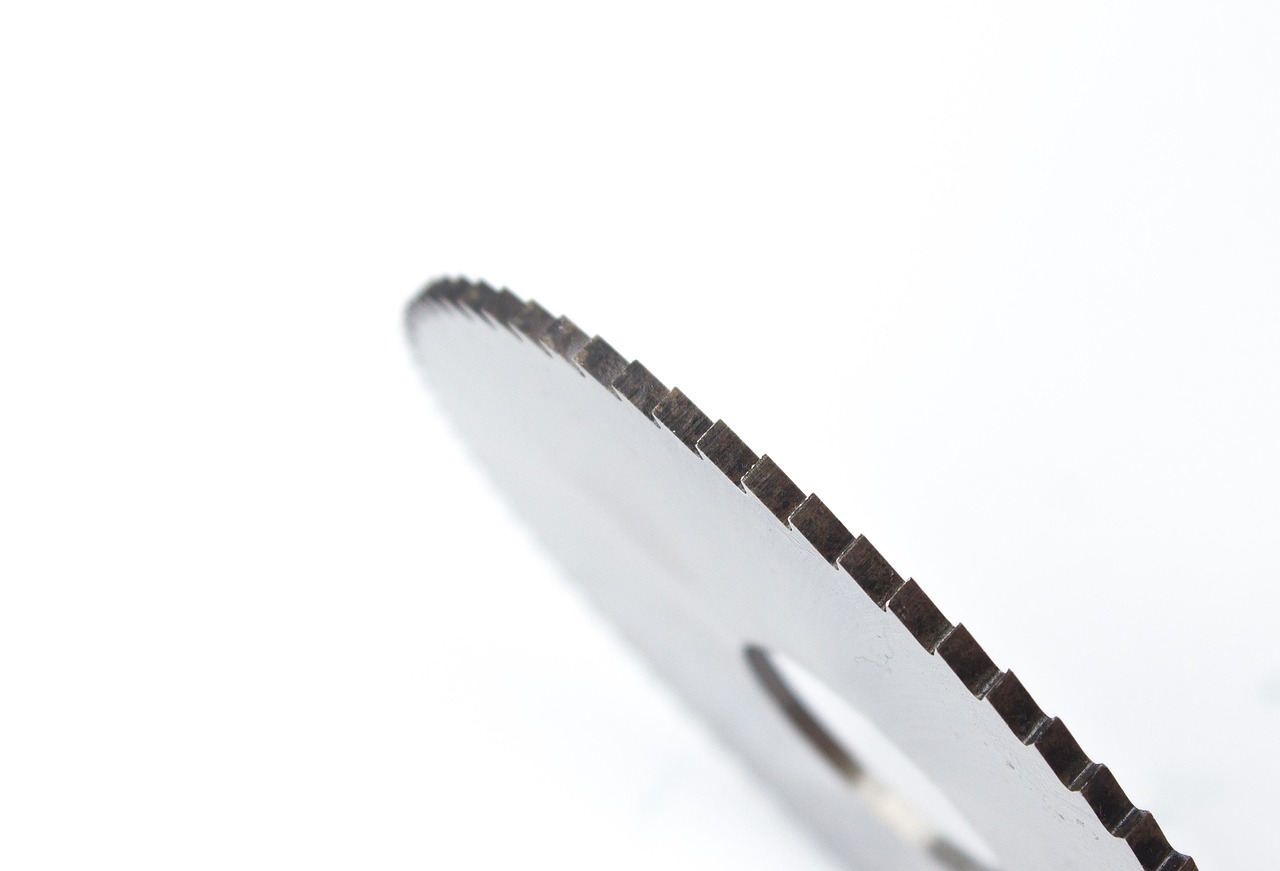
Turbo rim blades have a serrated edge and are a middle ground between segmented and continuous rim blades. The serrated edge of the blade will cut through porcelain at a faster rate than a continuous rim blade, and the serrated edge will leave an edge on the ceramic tiles that requires less additional touch-up work. A person who must cut both floor and wall ceramic material during a single weekend of tiling work may use a turbo rim blade.
5. Electroplated Blades
Electroplated blades have diamonds that are attached to the rim of the blade by a thin layer of nickel. With a fresh blade, the diamonds will cut aggressively at the ceramic material. Eventually, though, the diamonds will shed from the blade as the nickel wears down.
Once the nickel wears down, the blade will no longer perform the cutting function. Electroplated blades are relatively inexpensive blades that are often found at retail stores. While these blades are acceptable for occasional use in completing do-it-yourself projects, they must be replaced fairly frequently.
While the low price of these blades may be deceptive, a person must consider how many blade may be required to complete a single bathroom remodel project.
6. Sintered Blades
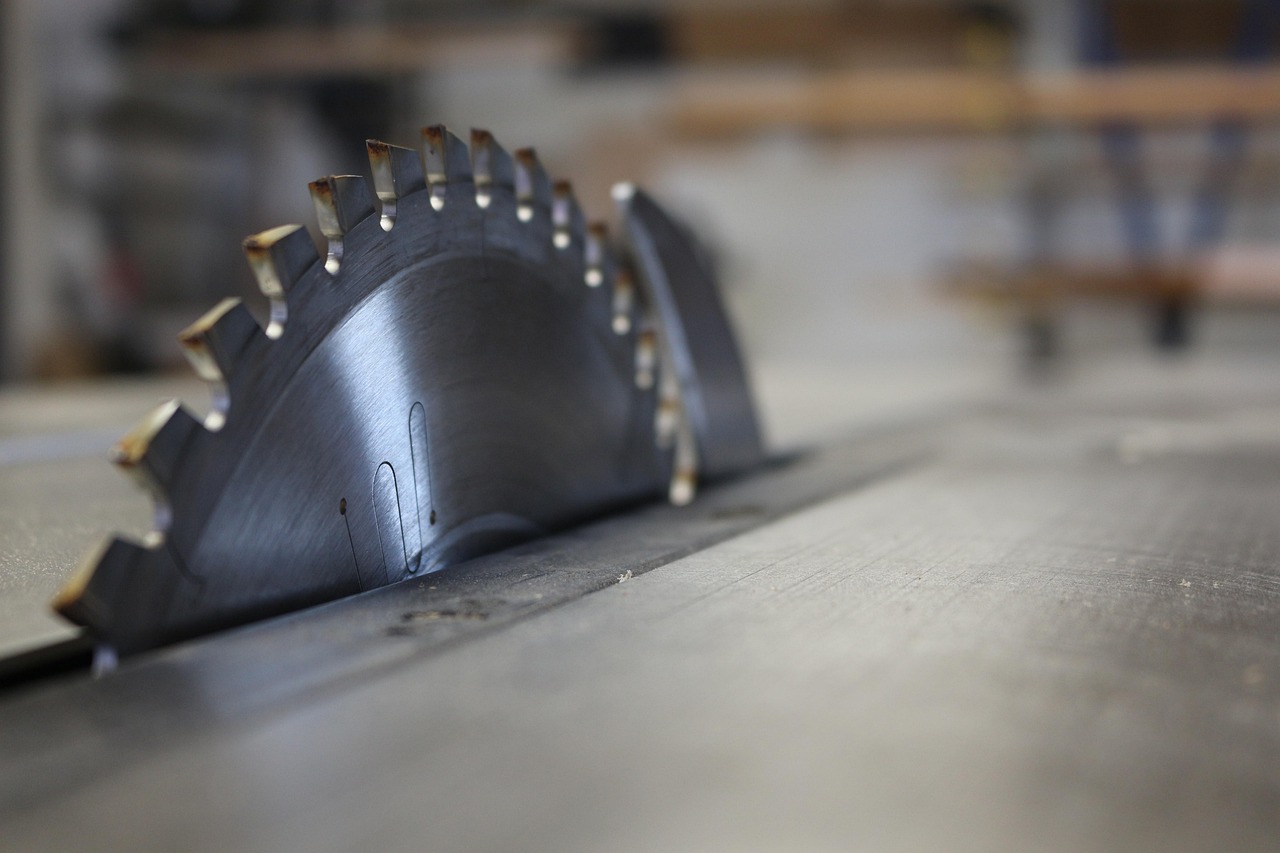
Sintered blades have diamonds that are embedded throughout the entire depth of the blade. The manufacturer embeds the diamonds into the metal by heating the metal and the diamonds together under high amounts of pressure.
Though a person will have to purchase sintered blades for an increased price up front, sintered blades will last longer than three or four electroplated blades. Professionals who cut tiles spend long hours at work cutting ceramic materials, and the time that it takes to replace blades is money lost to that professional. If a person is likely to tile bathrooms or kitchens frequently, sintered blades are an investment that will pay for itself.
Notched blades or blades that have holes in the blades allow for more water to be forced into the cutting area of the blade, and helps the blades to break apart the ceramic slurry that often gums up tile saw blades. Notched blades work well with the very hardest ceramic materials. Notched blades may be noisier than other types of blades, and the cutting edge may leave a chip on the bottom edge of the cut ceramic materials.
However, when cutting very hard Italian porcelain materials, the holes in notched blades are very helpful.
7. Notched Blades
Notched blades work well with the very hardest ceramic materials. Notched blades may be noisier than other types of blades, and the cutting edge may leave a chip on the bottom edge of the cut ceramic materials. However, when cutting very hard Italian porcelain materials, the holes in notched blades are very helpful.
8. Thin Kerf Blades
Thin kerf blades create less dust during the cutting process, create less ceramic waste during the cutting process, and place less strain on the motor of the saw. Thin kerf blades will cut at a faster rate than blades with a thick kerf; however, thin kerf blades may wander on the ceramic materials.
Thin kerf blades are best used in projects where precision in the placement and cutting of the ceramic materials is essential, and where the person using the saw has a steady hand. Blades with thick kerf will be more stable when the person using the saw has less precision with the saw, or when the rental saw has a wobbly blade. However, thick kerf blades will consume more of the ceramic materials, and require more strength in the motor that powers the saw.
9. Specialized Exotic Material Blades
Finally, there are blades that are created for specific exotic materials. For example, some blades have a finer grit of diamond that are used on polished marble because standard blades will scratch the marble. Other blades have unique chemical formulas within the blade that allow them to effectively cut metal-reinforced tiles that are used in the construction of commercial buildings.
Though these types of blades are relatively expensive and used in small numbers with the types of projects that are performed infrequently, having a few of these specialized blades in one’s toolkit will prevent the occurrence of costly projects with ceramic disasters. The correct blade for a tile saw will turn a frustrating project into a relaxing one. When a person understands the benefits of blades with segmented, continuous, turbo, and sintered rims, a person will no longer be guessing at which blade to use on a project.
Instead, a person will know the benefits of each type of blade, the materials that work best with those blades, and which will produce the best results for a given project. Each time a person rents a tile saw, a person should take thirty seconds to ensure that the blade chosen for a project is the correct blade for that project. In the end, a person will be happy with the results of a backsplash of tiles if they take the time to choose the correct blade for the ceramic materials that are to be tiled.
