
A Phillips screwdriver may seem like a very simple tool to operate. However, it can quickly become difficult to use if you choose the wrong size or the wrong type of Phillips screwdriver. Using the wrong size or the wrong type of Phillips screwdriver will result in the screw head becoming a mangled mess.
Phillips screwdrivers use a distinctive cross-shaped tip to spin the screw fasteners on numerous products since the 1930s. Many people only ever use one or two types of Phillips screwdrivers from the bottom of there toolbox. However, knowing the different designs of Phillips screwdrivers can come in handy when using the tool. The engineers designed the Phillips drive system as a solution to a common problem that was seen on the assembly line.
The engineers designed the Phillips drive system to allow the screwdriver to cam out of the screw head once the screw reached the proper amount of torque. This was to prevent splitting the wooden parts of the product or damaging the parts of the cars that were being produced on the assembly line. However, once the cam-out feature of Phillips screwdrivers became widely known, people complained that this was frustratingly to use with the tool with they hands.
There are several different versions of Phillips screwdrivers, each made for a specific job. Knowing the different versions of Phillips screwdrivers will help people to choose the correct tool for the job. The most common type of Phillips screwdriver is the standard Phillips screwdriver.
Common Types of Phillips Screwdrivers to Use
1. Standard Phillips Screwdriver
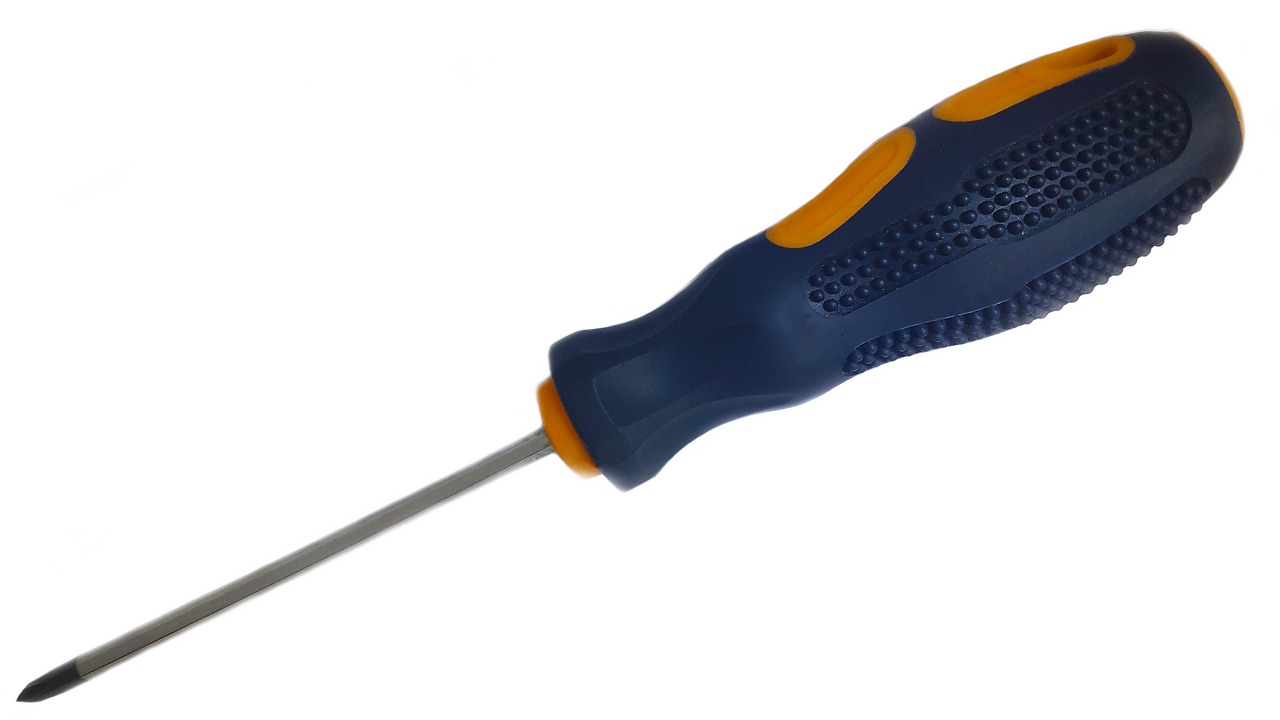
It has four simple flutes on the tip of the screwdriver to make a pointed cross shape. These are available in several sizes, ranging from size 0 to size 4. Size 2 Phillips screwdrivers are the most common among people who performs tasks in the home.
The design of the standard Phillips screwdriver allows it to self-center within the screw head. This feature is why it was introduced as a replacement for flathead screwdrivers. Use it to perform tasks like assembling furnitures from kits, installing outlet covers, or tightening door hinges.
However, if heavy torque is applied using this screwdriver, the blade of the screwdriver will ride up and out of the screw head. The engineers who created the standard Phillips screwdriver did this. However, it can be frustrating if a person is trying to use it to make a fastener very tight.
2. Pozidriv Screwdriver
The Pozidriv screwdriver is another variation of the Phillips screwdriver that is very similar to the standard Phillips screwdriver. Some people may even mistake it for a standard Phillips screwdriver. The Pozidriv screwdriver features four additional smaller grooves on the tip of the screwdriver that are set at a 45 degree angle to the main cross shape of the Phillips screwdriver.
These extra slots on the Pozidriv screwdriver provide a better grip on the screw head and allow people to apply more torque to the screw with the tool. Many European and British manufacturers have used Pozidriv screwdrivers many decades ago on products that required significant clamping force. These screws can be seen on electrical panels, on decks, and in offices.
However, a standard Phillips screwdriver will fit loosely within the Pozidriv screw head. Using the Phillips screwdriver on a Pozidriv screw will cause the screwdriver to chew up the edges of the screw quickly. However, if you have both types of screwdrivers in your toolkit, you will experience less wrist fatigue if you use the Pozidriv screwdriver.
3. Japanese Industrial Standard (JIS) Phillips Screwdriver
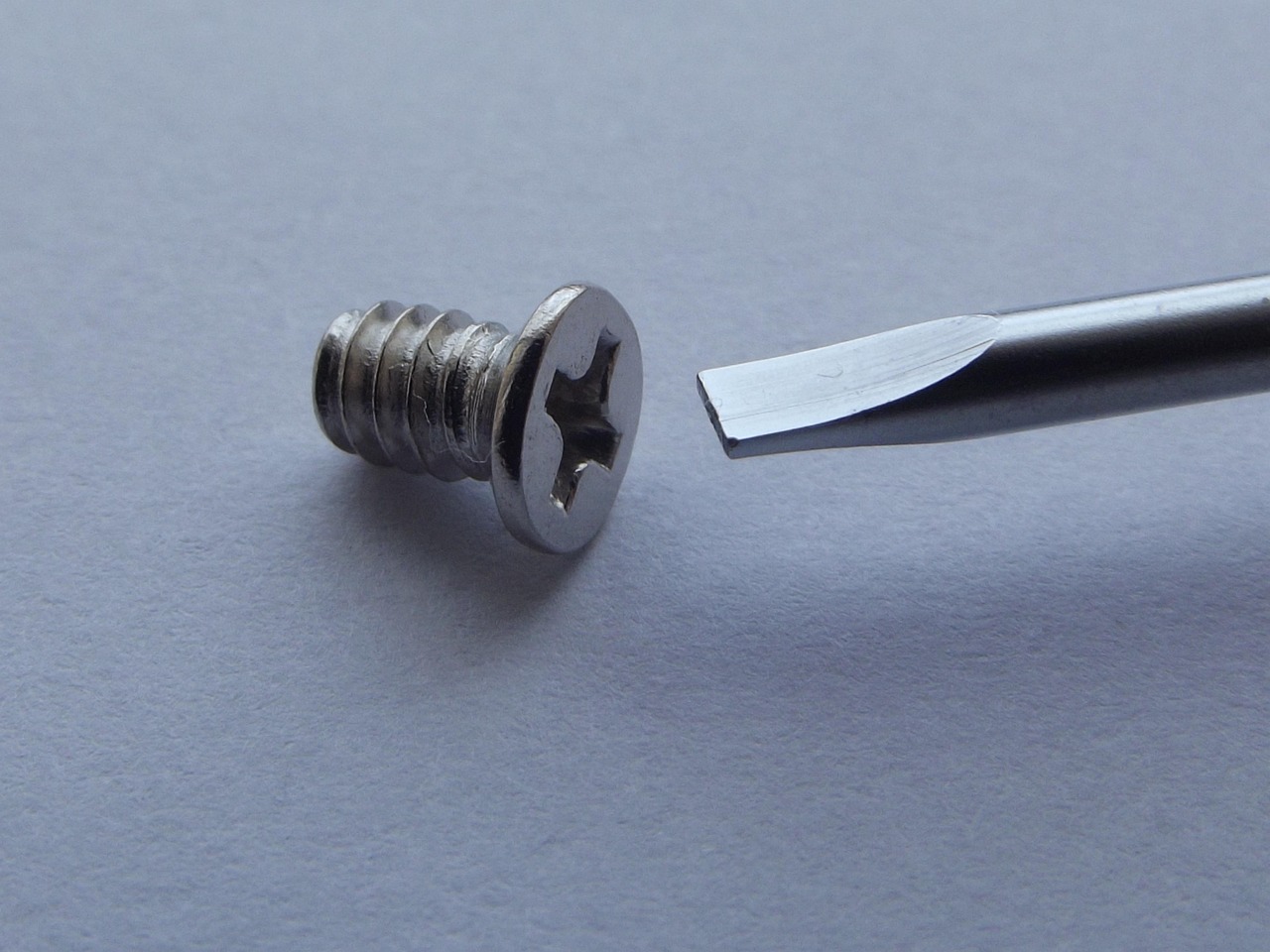
The other type of Phillips screwdriver is the Japanese Industrial Standard Phillips screwdriver, also known as the JIS Phillips screwdriver. Two specific industries in Japan used the JIS Phillips screwdriver: the electronics and the motorcycle industry. The tip of the JIS Phillips screwdriver is slightly more blunt than the standard Phillips screwdriver.
This design allows the screwdriver to completely seat into the screw without damaging it as it would with the standard Phillips screwdriver. JIS Phillips screwdrivers are used on Suzuki, Yamaha, and Honda motorcycles. If anyone tries to use a regular Phillips screwdriver on a JIS screw, they will quickly find that the screw driver will cam out of the screw.
The solution is for them to purchase a JIS Phillips screwdriver. However, one benefit of the JIS Phillips screwdriver is that they will work on any standard Phillips screw. Thus, they are one of the most versatile screwdrivers that a person can own.
4. Phillips Impact Driver
Another variation of the Phillips screwdriver is the Phillips impact driver. The Phillips impact driver is used for tasks that require significant strength from the person using the tool. This Phillips screwdriver has a thick shank and features a handle for receiving sharp strikes from a hammer tool.
Each strike will rotate the screwdriver slightly and provide the downward force necessary to seat the screwdriver into the screw head. Auto technicians will use this type of screwdriver to loosen suspension components or exhaust components that has rusted on the vehicle. The impact action will break the chemical bond of the thread locker or the rust on the component.
Do not use this tool on metals that are soft, such as on delicate electronics. It could damage the components. However, if someone has to remove a Phillips screw that has been in place for twenty years, this tool will be the only one that can accomplish the task.
5. Stubby Phillips Screwdriver
Another Phillips screwdriver tool is the stubby Phillips screwdriver. This tool was created to solve a different problem. The stubby Phillips screwdriver features a shortened shank and handle.
This design allows the user to place the tool into areas where a longer screwdriver could not reach. A stubby Phillips screwdriver may be used to tighten the screws behind a toilet tank or within a kitchen cabinet. Because the handle on this tool is shortened, it sacrifices some of the leverage that the user can provide with this tool.
The stubby Phillips screwdrivers are most commonly manufactured in size 2, but size 1 Phillips screwdrivers are also available. If a person purchases a stubby Phillips screwdriver, they will find it useful in there toolkit. It will pay for itself the first time they have to replace a switch plate within an electrical box that is cramped in size.
6. Long Reach Phillips Screwdriver
The long-reach Phillips screwdriver is the opposite of the stubby Phillips screwdriver. These screwdrivers can extend between 12 and 18 inches from the handle to the screwdriver tip. The reason for the length of the handle is to allow the tool to reach behind the installed panels or the machinery that is within a product.
An appliance repair technician may use a long-reach Phillips screwdriver to service dryers or washing machines. The longer reach of the tool allows the user to lose some of the control of the screwdriver. Hence, most long-reach Phillips screwdrivers feature a rotating handle cap.
Additionally, the tool may feature a magnetic tip for the handle to remain in line with the screw. There are other specialty versions of the Phillips screwdriver tool. One of these tools features a hex bolster.
7. Hex Bolster Phillips Screwdriver
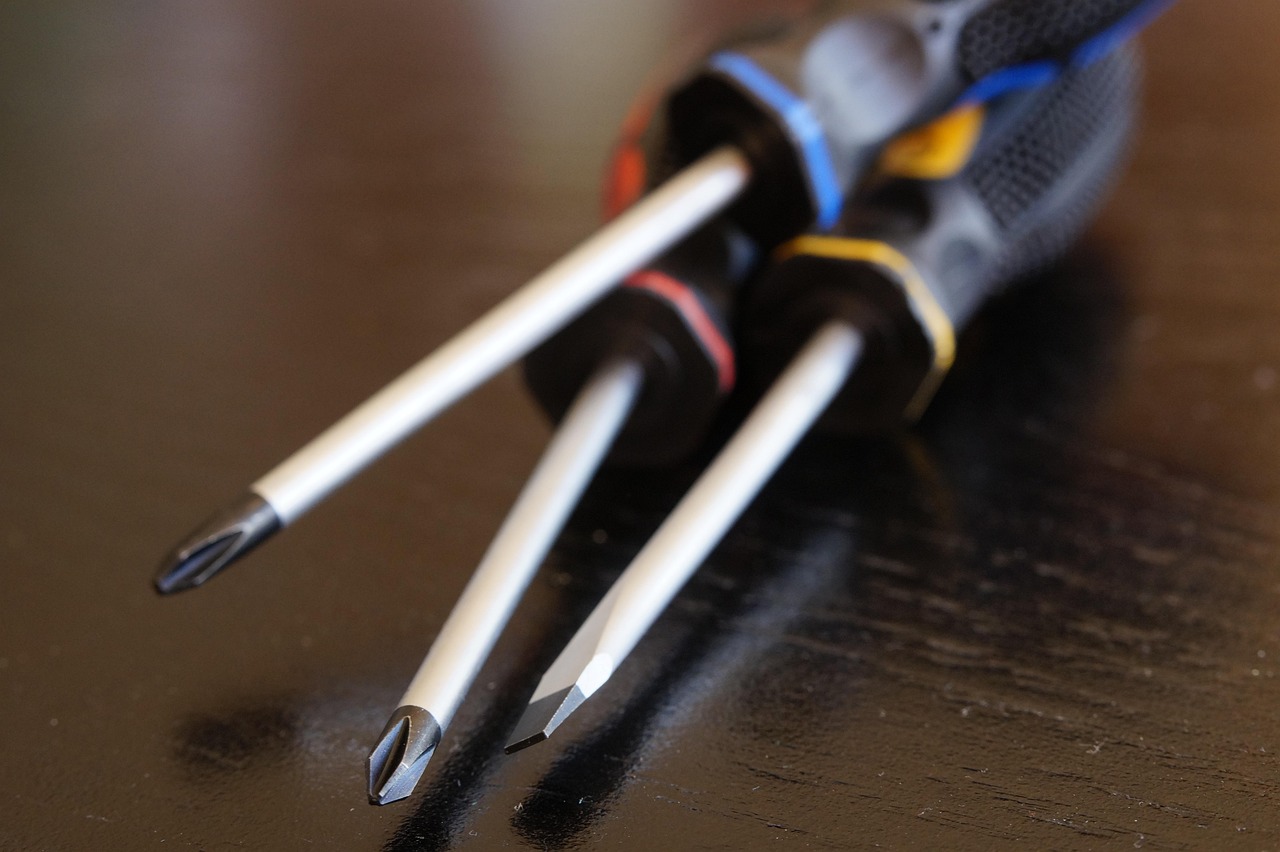
This design allows for a wrench to be placed over the tool to allow for the application of more torque to the screw. This tool is most commonly used on size 4 and size 3 Phillips screwdrivers that are used for the maintenance of heavy equipment. This design adds a small amount of weight to the tool.
However, it provides the leverage necessary to loosen the screws on the heavy equipment that would otherwise require the use of a Phillips impact screwdriver. Another tool that electricians may use is the insulated Phillips screwdriver.
8. Insulated Phillips Screwdriver
This tool features a plastic sheath that protects the person using the tool from shocks of up to 1000 volts.
This tool covers the Phillips screwdriver except for the tip of the screwdriver. This tool may be bulky in the handle because of the insulation. However, electricians will find it useful when performing tasks within electrical panels.
Another variation of the Phillips screwdriver is the precision Phillips screwdriver.
9. Precision Phillips Screwdriver
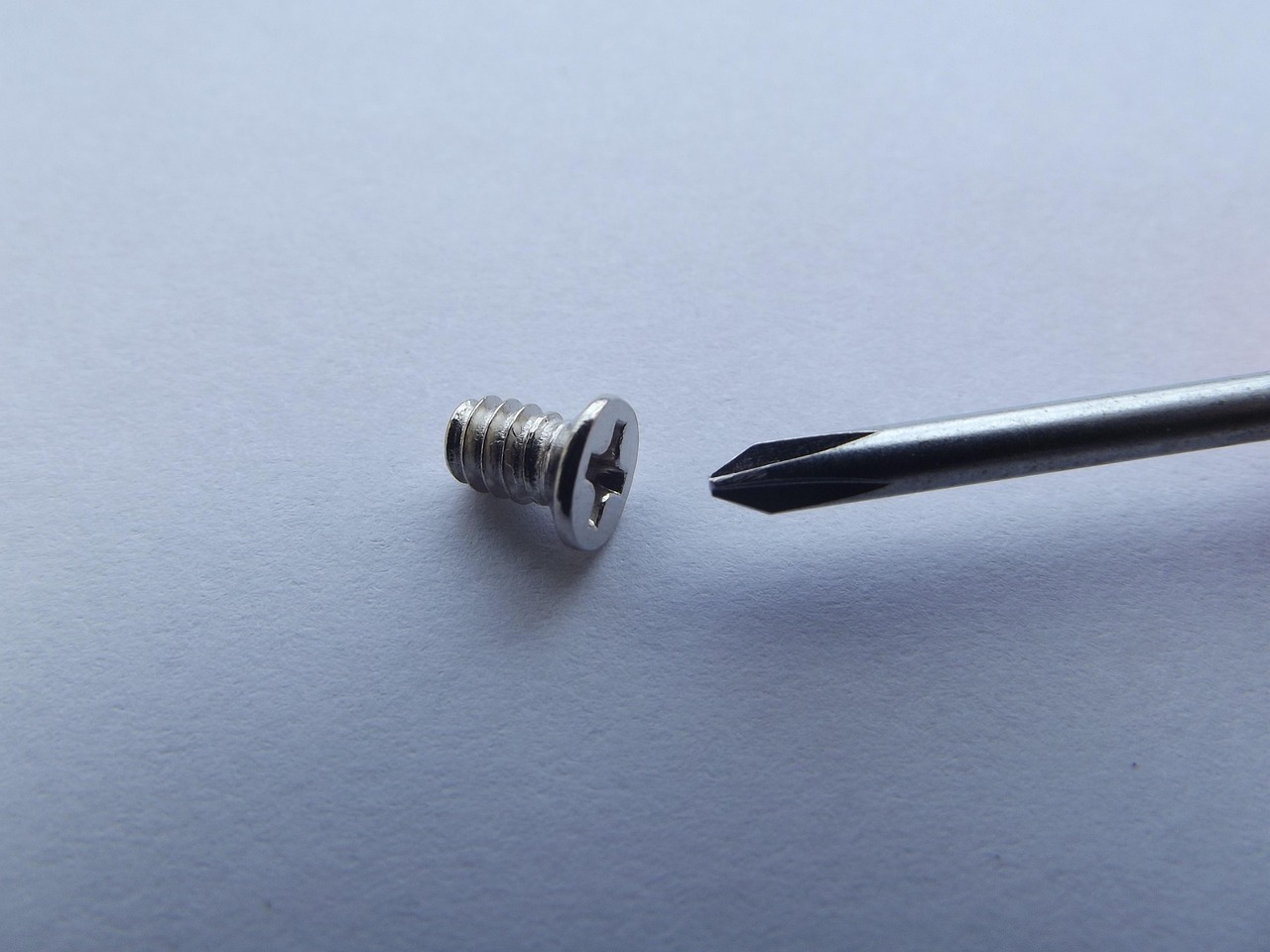
Precision Phillips screwdrivers are the tiniest of Phillips screwdrivers. Size 00 and size 000 Phillips screwdrivers can be purchased.
These tools will perform tasks on the products that have the miniature Phillips screws. These tools may look like jewelry relative to the Phillips screwdriver. However, the precision ground tips of the tool will allow people to avoid destroying the device they are trying to repair.
The handles of these screwdrivers are made of machined aluminum and may feature rotating end caps. These precision screwdrivers show the skill with which the Phillips screwdriver design can be produced on a smaller scale. Knowing which Phillips screwdriver to use on a given project comes down to knowing the screw, the material it will interact with, and the amount of force required for the task.
Using the wrong Phillips screwdriver can turn a five-minute task into a thirty-minute battle against a stripped screw. However, if a person creates a small collection of Phillips screwdrivers that will cover the most useful designs, they can reach for the appropriate tool without having to think about it. When the tool perfectly fits into the screw and turns as it should, it makes a big difference.
Having the right Phillips screwdriver in one’s toolkit when confronted with a project will make a difference in the users experience. They will not have to worry about applying too much force or too little. They can successfully drive each screw perfectly one at a time.
