
A loose chuck on a drill is more than just an annoyence for a person. A loose chuck can make precise work nearly impossible, waste drill bits, and sometimes even send drill bits flying across the workshop at high speed. However, a person can remove the mystery of the three-jawed mechanism that hold the drill bit by understanding the different types of chucks that are manufactured for these power tools.
Once a person understands the different types of chucks and what they are designed for, a person will finally be able to stop fighting against there tools and start choosing the right tool of the trade for a job. The chuck is located at the business end of every drill and come in both corded and cordless versions. A drill bit will clamp on the chuck to prevent the bit from slipping out of the drill when a person is forcing the drill into a particularly dificult piece of wood.
With so many different drill bits on the market today, tool manufacturers have developed several different types of mechanisms that will perform this job. Each machine trades convenience for strength or strength for convenience. The differences in these chucks matter to a skilled woodworker.
Common Types of Drill Bit Chucks
1. Keyed Chucks
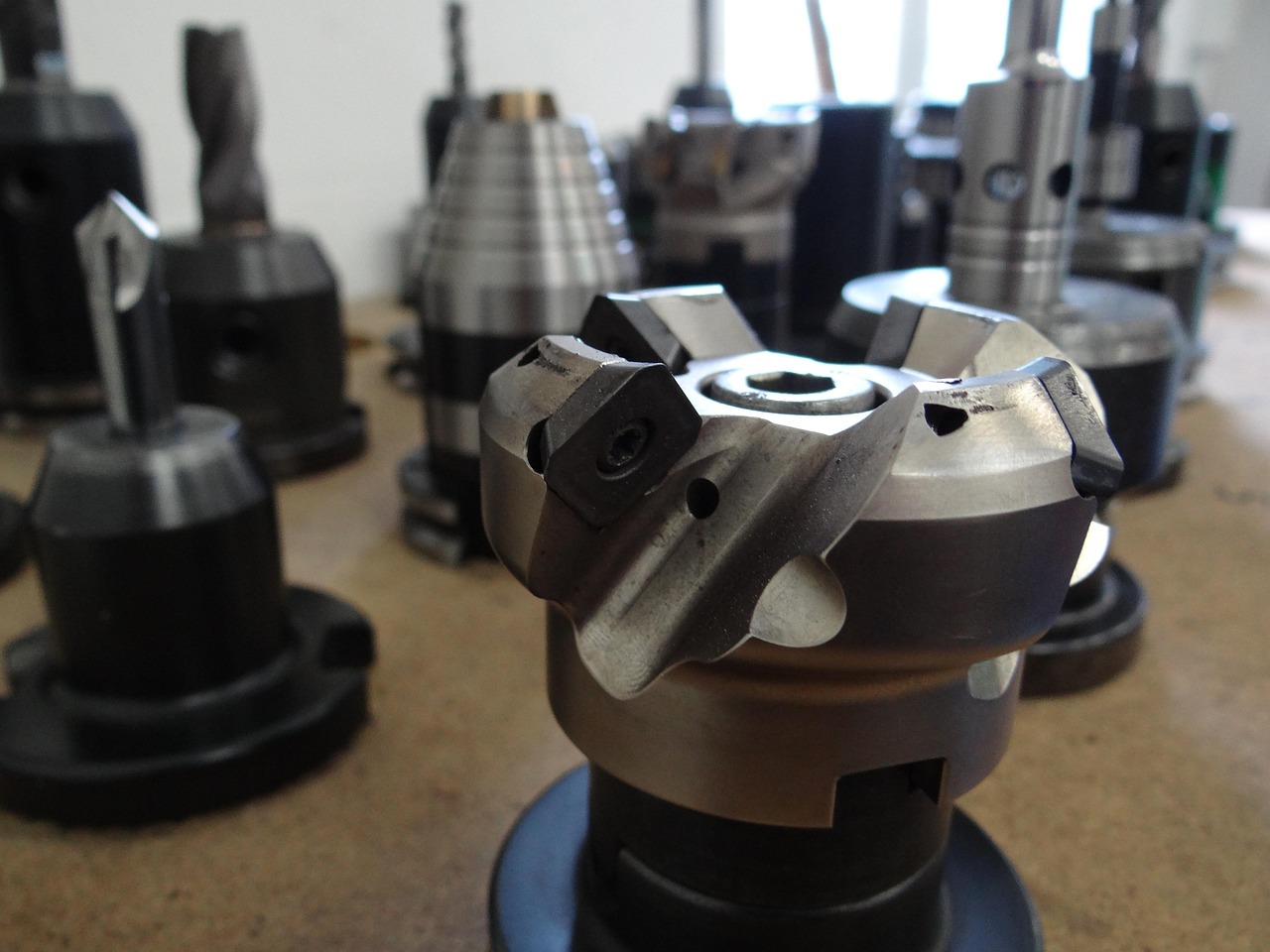
Keyed chucks are the standard for those who need maximum strength in their drill. A person must insert the drill bit into the chuck and then slip a keyed tool into one of the three holes around the chucks collar. After inserting the key, a person will twist the key until the jaws of the drill take hold with hundreds of pounds of force.
These chucks will hold large-diameter bits without slipping out of the drill. Keyed chucks are used for hammer drills and other heavy-duty tools. The trade-off for using a keyed chuck is that a person must find the key and hold it while twisting it to tighten the chuck.
If a person loses the key, they will be stuck until they find another key. However, for deep holes in treated lumber or concrete, the keyed chuck will be worth the hassle.
2. Keyless Chucks
Keyless chucks allow a person to tighten the jaws of the drill bit directly with their hand instead of having to use a separate tool to achieve this.
Early models of keyless chucks were weaker than keyed chucks and slipped out of place while in use. Todays models are much improved. With the keyless chuck, a person can change bits in seconds.
This eliminates the need to hunt for the key. The downside of a keyless chuck is that there is a small price to pay for convenience. With increased torque, there will be a slight hesitation with the bit as the bit starts to turn within the jaws.
This is because a person cannot produce as much strength as a power tool can with a key. However, unless a person is performing heavy-duty work, a quality keyless chuck on an 18-volt drill can perform ninety percent of the work that a person will use the drill for. The third type of drill bit is the SDS bit.
3. SDS Chucks
SDS chucks look different from the other chucks on the market. Instead of three jaws, an SDS chuck contains a spring-loaded splined receiver that accepts SDS bits that have grooves on the shank of the bits. Push the bit into place until it clicks in place.
Pull back on the chuck to remove the bit. The SDS chuck and SDS bits were developed for rotary hammers that deliver thousands of blows per minute. The SDS chuck does not require tightening or loosening of the bit.
It will hold the bit in place for hammering. If a person has ever had trouble drilling many holes in a block of concrete using a standard drill, the SDS bit will be useful for such jobs. SDS bits will only work in SDS chucks and will not work with conventional twist bits.
4. Self-tightening Chucks
Self-tightening chucks allow a person to change the bit without having to use a tool. These chucks use the rotational power of the drill to increase the grip of the drill bit on the chuck. The faster the drill bit spins, the more the jaws will grip the drill bit.
Self-tightening chucks are common on cordless drills. With these chucks, a person can change bits while using only one hand. A self-tightening chuck will loosen when a drill is set to reverse.
The bit may wobble or work out of the drill. A person who purchases a drill with a self-tightening bit can avoid frustration by knowing when to switch to a standard keyless chuck.
5. Hex-key Chucks
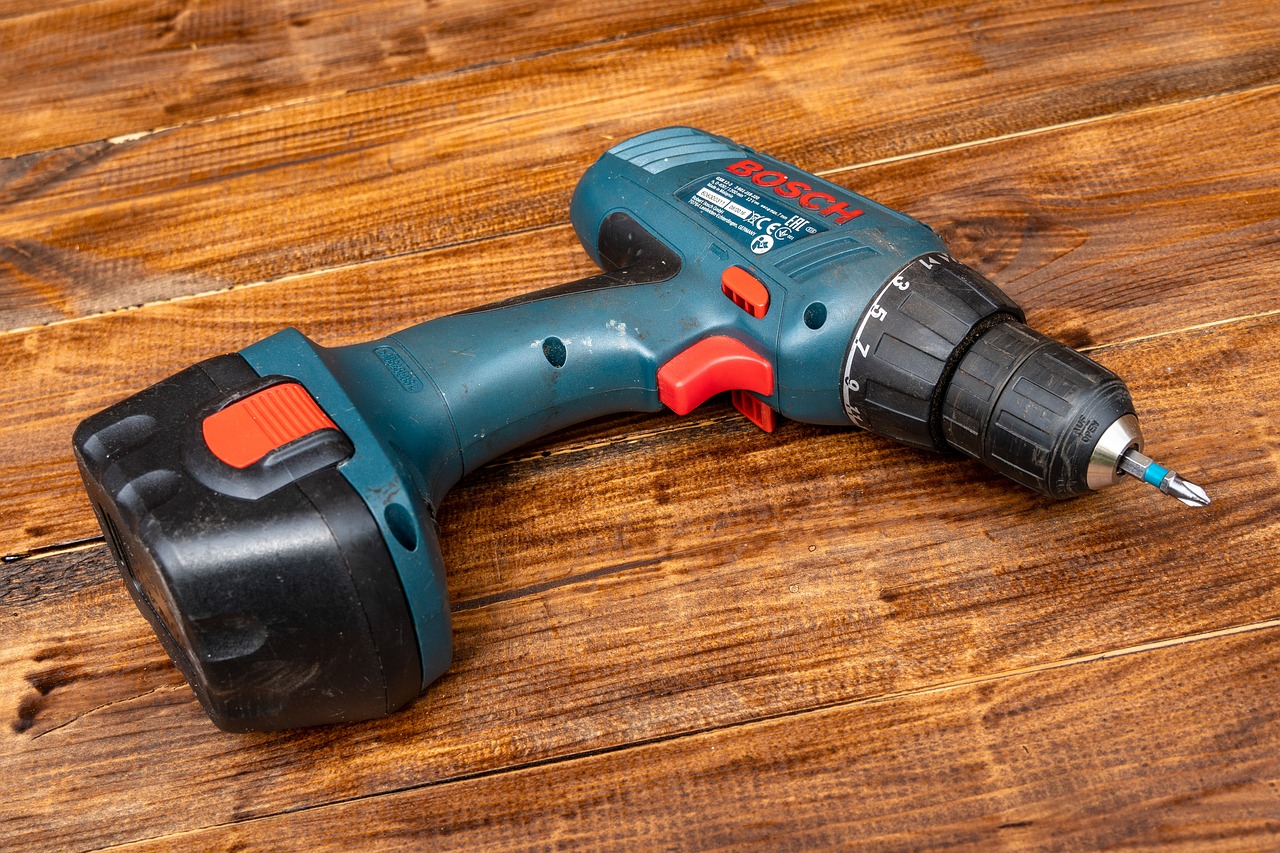
Hex-key chucks accept only bits with hex shanks the same as a screwdriver.
These chucks do not have jaws. Instead, the hex key bit will engage a magnetic socket or a spring-loaded socket within the drill. A person can change bits with almost no time at all.
Pull out one bit and push in another. The six-sided shank will prevent the bit from slipping out of the drill as it rotates. However, a person will be limited to drills with hex shanks.
A person will need another drill with conventional chucks for other bits like a half-inch spade bit. Many woodworkers will have a hex key chuck attached to their cordless screwdriver to drill pilot holes in the wood they are working on. For more serious projects, these woodworkers will reach for a larger drill.
6. Jacobs Chucks
Jacobs chucks are another name for keyed chucks. The Jacobs company invented the three-jaw chuck in the 1800s. The name of the company became synonymous with precision. A true Jacobs chuck will have jaws made out of hardened tool steel, exact tolerances for the threads on the chuck, and a finish that will stand the test of time.
Vintage Jacobs chucks will be located on older machines. The precision of the Jacobs chuck will allow it to hold the drill bit to within a few thousandths of an inch. There are replicas of these chucks that will hold their reputation for quality.
When restoring vintage tools or when a project requires precision in drillings, a person should purchase the genuine Jacobs or licensed Jacobs chuck. The quality will be noticeable right away when measuring drillings with calipers. Each type of chuck was created to solve a particular problem or frustration for the user.
A keyed chuck will not allow a person to lose their bit no matter how much torque they apply. A person will not have to slow down with a keyless chuck when framing a structure. The SDS chuck will save a person from wasting their energy on difficult wood or concrete.
A self-tightening chuck will allow a person to have the drill bit in place without having to set down their drill each time they change the bit. Knowing the different types of chucks allows a person to choose the appropriate tool for the job instead of having to fight against their tool. The next time a person reaches for a drill, they should take a second to examine the chuck.
A person can run their thumb over the knurling on the chuck or examine the bit for the presence of a key hole. These features will tell them the design and limitations of that tool. Choosing the apropriate type of drill bit will not make a person a better craftsman, but it will stop their tool from working against them.
Finding a way to eliminate a particular frustration in the workshop is a victory in itself.
