
Building your own furniture bring a deep sense of satisfaction. For most people, the satisfaction of building their own furniture is even more greater than the satisfaction that they feel when using store-bought furniture. When you make your own furniture, it will be made for your space, it will have your handprints in it, and it will last for decade instead of only a few seasons.
However, the difference between a furniture project that come out well versus a furniture project that causes frustration is often due to the tools that are used in the process of building the furniture. You dont need a shop full of expensive tools to get started in building furniture. Only a few tools will handle ninety percent of the furniture projects that most woodworker undertake at home.
The following tools are those that can have the largest impact on your furniture building endeavors. Each of these tools will be listed from the most essential tools to the furniture building tools that are less essential, yet still valuable to own. Each tool has earned its place on the list due to the fact that it will help solve a specific problem that may crop up in your furniture building endeavors.
Essential Tools For Building Your Own Furniture
1. Sharp Hand Saws
One of the most essential tools that you will need is a sharp hand saw. Before power tools became common in furniture building, hand saw were the only tools used to perform sawing tasks. A hand saw is irreplaceable in the performance of tasks like making quick cut, trimming tenons, and cutting within tight spaces in which a power saw cannot reach.
A crosscut saw with a few rip teeth filed for occasional ripping of board is the saw of choice, though an alternative is a Japanese pull saw. The saw must be able to track straight when sawing wood without forcing the saw to perform the task. A saw that is capable of cutting two boards of wood edge to edge without needing to sand either board is the saw that should be acquired for any furniture workshop.
2. Measuring and Marking Tools
Following the hand saw is a set of measuring and marking tools. While a tape measure may help you to determine the length of a board that you need, tools like a combination square and a marking knife will allow you to make accurate measurements on the wood. These tools can help you ensure that angles are set to ninety or forty-five degrees, angles that are essential in the creation of furniture that is both stable and balance.
These tools may seem less essential to furniture artisans than others on this list, but the frustration that can result from inaccuracies in furniture projects that are created using inaccurate measurements will likely cause beginners to reconsider their underestimation of these tools. These tools should be purchased once and treated gentle over the life of the project in which they are utilized, ensuring that they will stand the test of time. A third essential tool set in the workshop consists of clamps.
3. Clamps
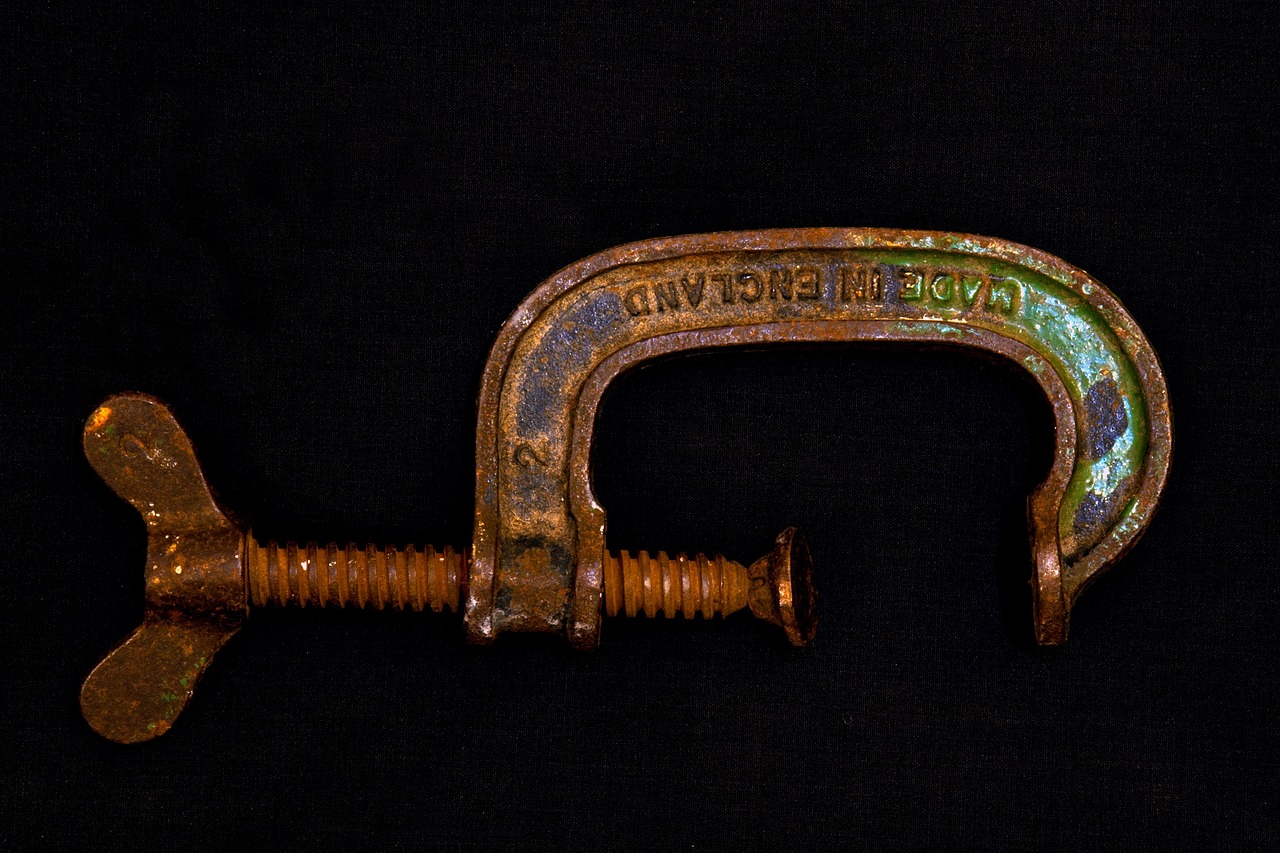
While there may never be too many clamp in the workshop, there are only a few different types of clamps that are needed. Options for clamps include pipe clamps, bar clamps used for large projects, quick grip clamps, and C-clamps for other types of projects. Understanding the importance of clamps in furniture building will ensure that a carpenter understands that clamps performs two jobs; they clamp pieces of furniture together while they are drying with wood glue, and they keep the pieces motionless while the glue sets.
If there are not enough clamps in the workshop, an artisan will likely find themselves either rushing the glue up process, or resorting to non-clamping props for specific projects. The best choice would be to start with four bar clamps that range to forty-eight inches in length, and to buy additional clamps as furniture projects increase in size. Following the clamps are a decent hand plane.
4. Hand Planes
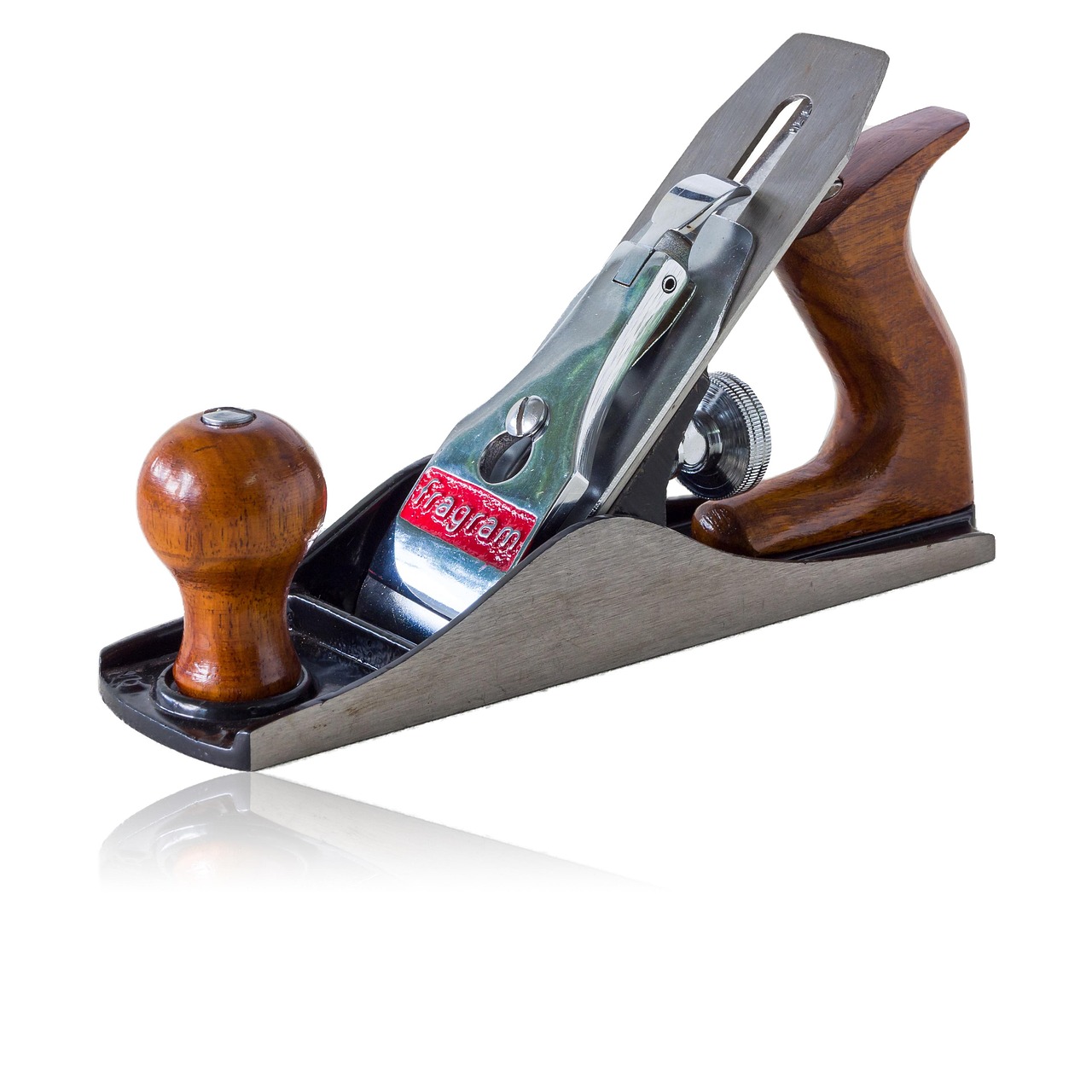
While hand planes may appear outdated to those who are familiar with power tools, there is a satisfaction in utilizing a plane to sand wood until it is perfectly flat, edges are trimmed to desired sizes, or the furniture has a smooth sanding of the wood. A number four smoothing plane will perform the majority of the task associated with furniture building; it can level boards that have been glued together, and it can ease the sharp edges of boards to create a smooth feel to the furniture. While using a hand plane may take some getting used to, there is a high degree of satisfaction in the results that can be achieved.
In order to achieve these results, it is important to learn how to sharpen the iron of the plane properly. A set of chisels is a tool set that will be utilized for a variety of tasks within furniture building. Chisels are used to cut mortises, pare the edges of tenons, and remove waste material from dovetails.
5. Chisels
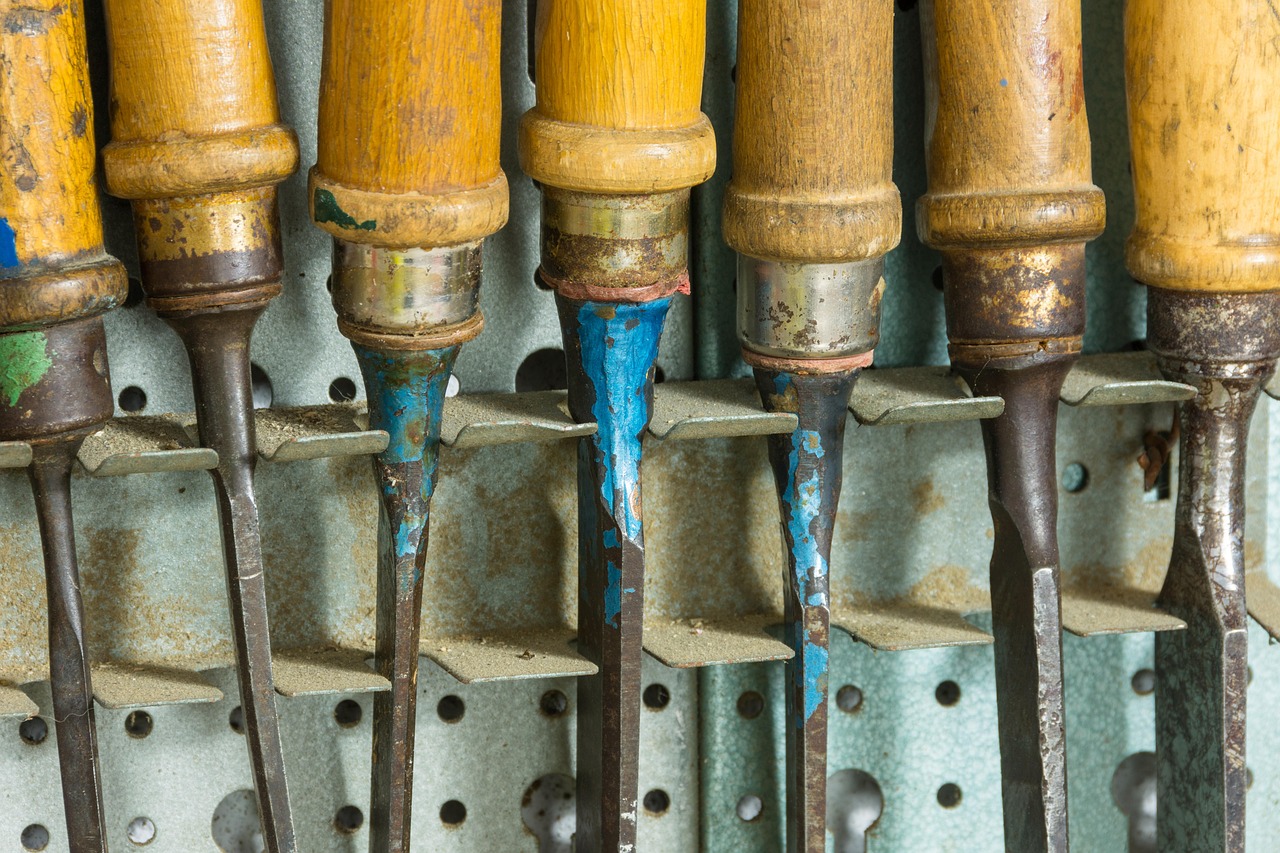
A set of four bevel-edge chisels ranging in size from one-quarter inch to one inch will likely cover the majority of tasks that are required in furniture building. Factors to consider in purchasing chisels include the fact that the chisels should have a sturdy hardwood handle that can take mallet strikes without splitting the wood handle. If they are kept razor sharp, these tools can replace many of the tasks that power tools would normally accomplish.
The next tool choice consists of purchasing a random-orbit sander. While sanding tools are essential in furniture building, the random-orbit sander can save many hour of sanding tasks. When buying a random-orbit sander, ensure that it is variable in its speed so that it can perform both rough sanding of lumber, and fine sanding of veneers or other delicate projects.
6. Random Orbit Sander
Because the random-orbit sander is less likely to create swirl marks on the sanding of the wood, it is essential for those who would like to stain or paint their furniture. The random-orbit sander will emit a significant amount of dust during use, so ensure that it is paired with a good dust collector, or that the individual is wearing a mask in the workshop. Following the random-orbit sander are a power drill and driver set.
7. Power Drill and Driver Set
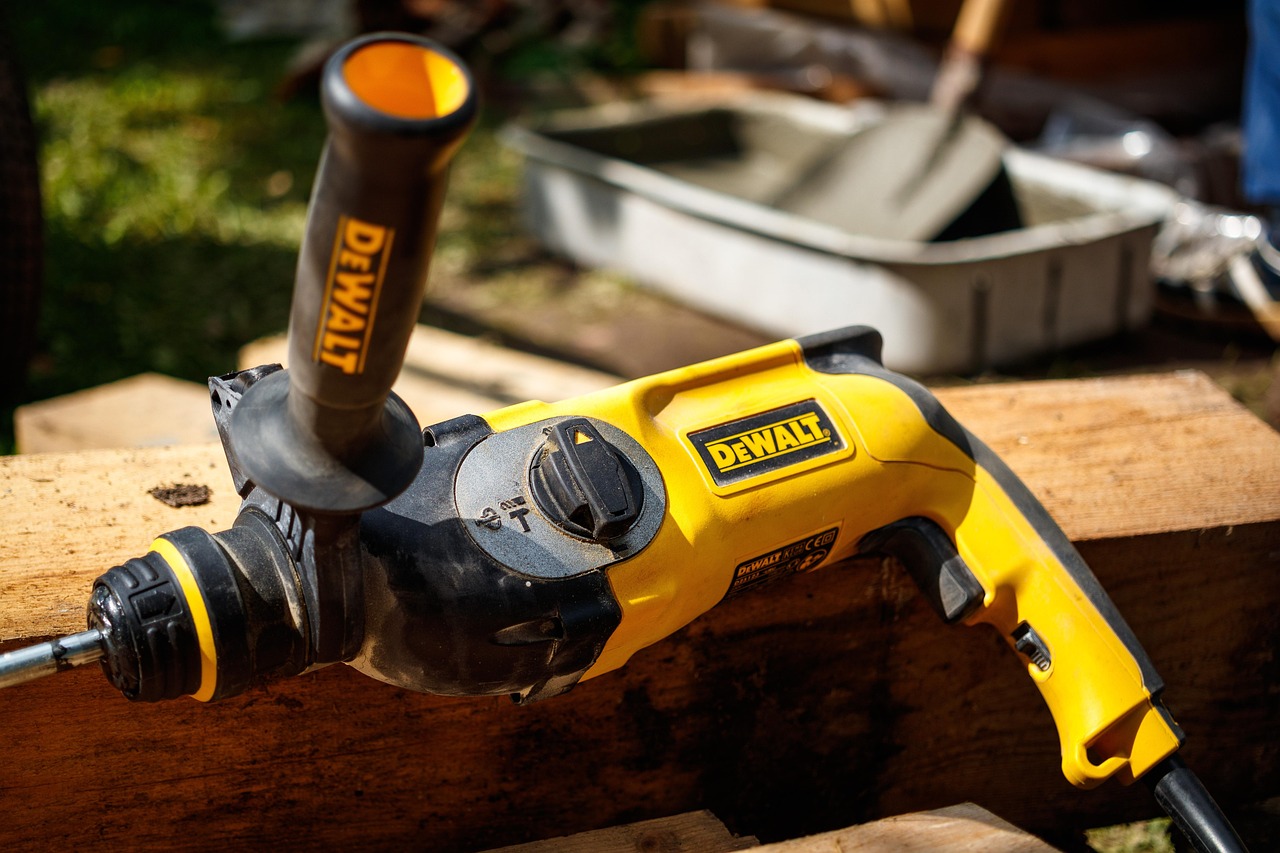
Both tools are essential in many furniture building projects; furniture artisans often need to drill pilot hole into various pieces of furniture, perform countersinking of the various wood pieces, and drive various screws without stripping the wood screws. An impact driver will handle the last of these tasks beautifully, and will help the individual to avoid strain to their wrist after the completion of many furniture projects. Following the power drill are the workbench tools.
8. Workbench and Workbench Tools
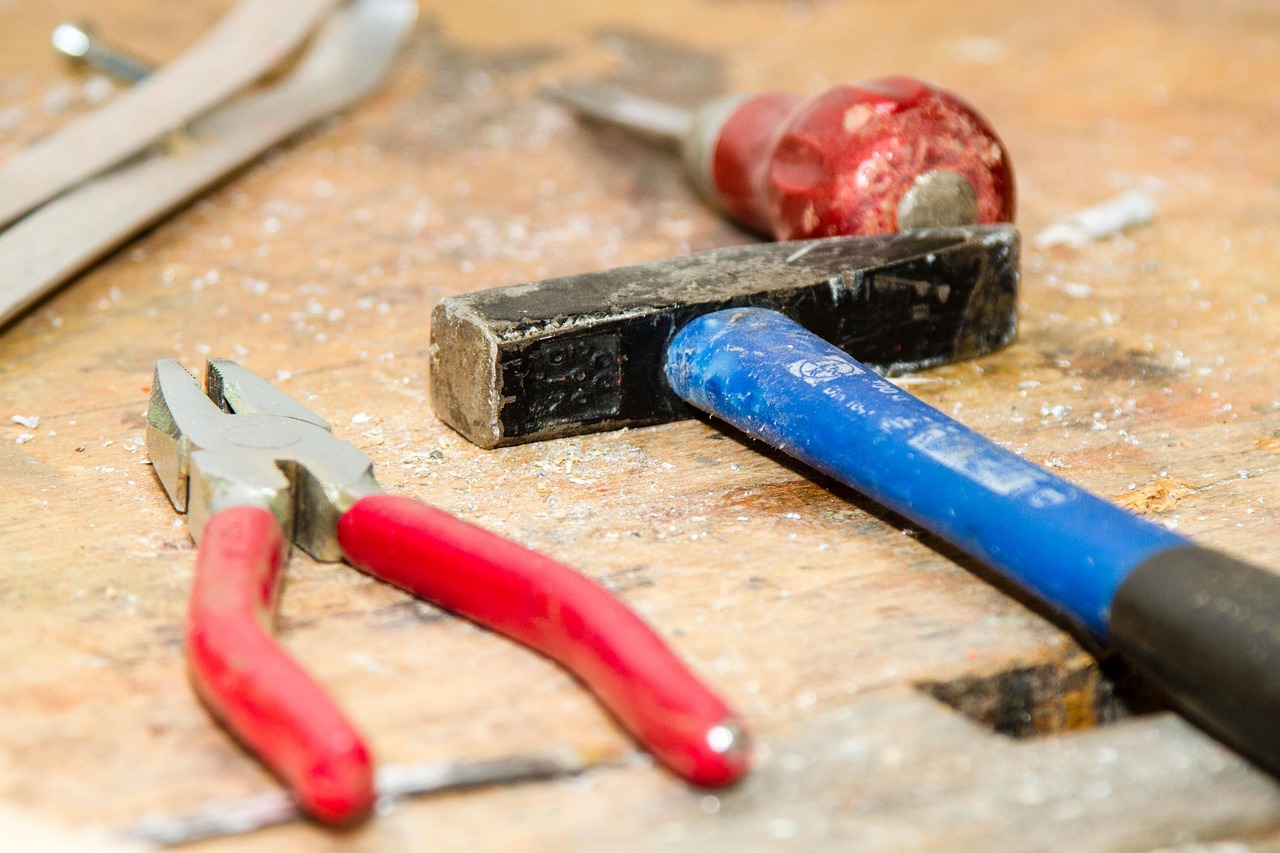
While there may not be an immediate need for a workbench and workbench tools when you begin to build furniture, there are a few options for purchasing a workbench. A solid workbench may be constructed with a plywood top on sawhorses for the initial projects. However, a workbench that has at least one vise and a row of dog hole will save the furniture maker from performing many clamping tasks with hand clamps.
The workbench will be the heart of the workshop. When it is rock solid, all other tools will perform better. Following the workbench is the purchase of a marking gauge and cutting gauge.
9. Marking and Cutting Gauges
These two tools are used to make sure that lines are even and scribed to the edge of the furniture piece that is being built. These tools are used to make mortises and tenons, and other feature of furniture that require accuracy in the cutting of the wood. The wheel-type cutters of the marking and cutting gauge will hold their edge longer than other marking tools, and will roll across the wood grain rather than cutting against the grain; both of these features ensure that the line will be even and even with the intended cutting lines.
Finally, a set of sharpening supplies needs to be purchased. Sharpening stones (both water and diamond plates), a honing guide, and a strop will allow the furniture artisan to properly prepare tools like chisels and hand planes to cut through the wood easily. Using sharp tools is the best way to ensure that the carpenter’s safety, the success of each project, and the enjoyment in the furniture building process.
10. Sharpening Supplies
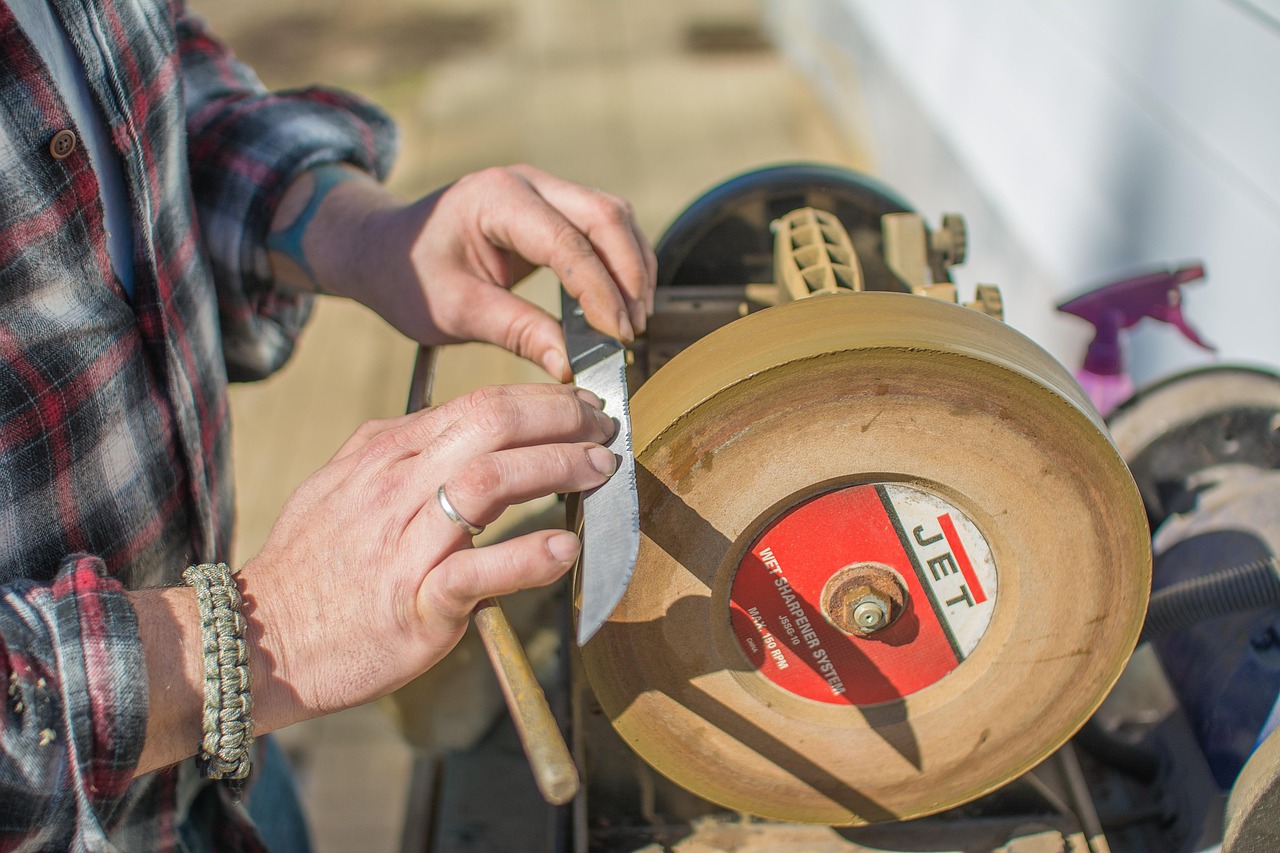
When the chisel begins to slice end grain rather than crush it, the importance of properly sharpening the tools becomes immediately apparent. By respecting the process of building furniture, each person will feel the deep sense of satisfaction that comes with the successful creation of a project of their own design. Each tool listed will help the carpenter to reduce frustrations and to increase their possibilities for creating the pieces of furnitures.
Those who take time to learn the proper use of each of these tools will ultimately open a world of possibilities in the design of their own furniture creations. That deep sense of pride will be felt when each persons creation is completed. This feeling of pride in the creation of a project of their own design is the reason that these tools are purchased in the first place.
