
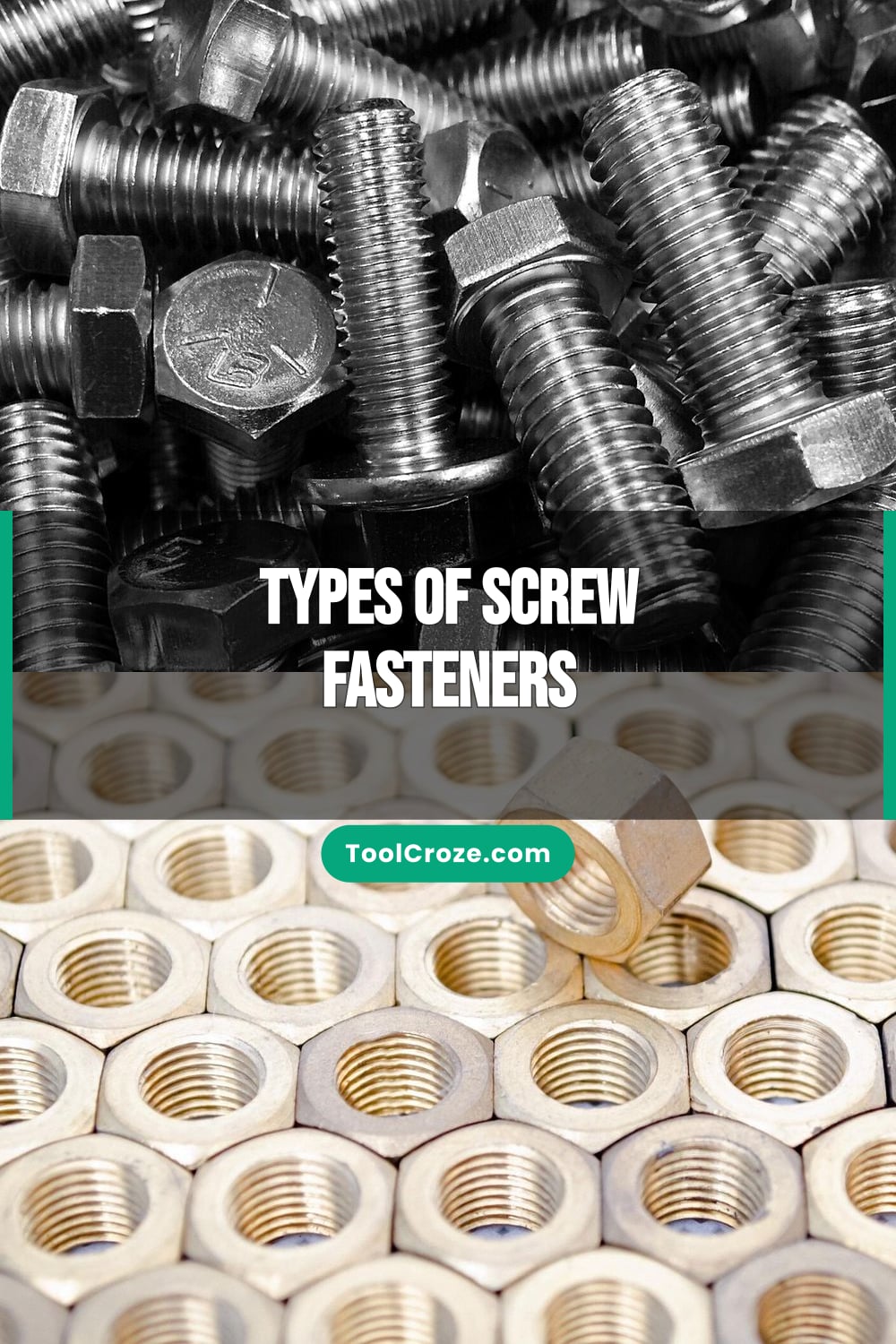
Screws are the unsung heroes of the world, holding things together in ways that people rarely notice until something fall apart. From the chair that you sit on to the car that you drive, screws performs some of the most important jobs in the world. However, not all screws is created equally.
Their different designs allow them to serve specific purposes and work with specific materials. Understanding the various screw families enables people to make informed decisions when purchasing the correct screw for the item that they will be attaching the screw to. These differences have been perfected over the centuries for specific materials and purposes.
Once people understand the different types of screws and what they are for, they will no longer have to guess at the correct screw for they project.
Common Types of Screw Fasteners to Know
1. Wood Screws
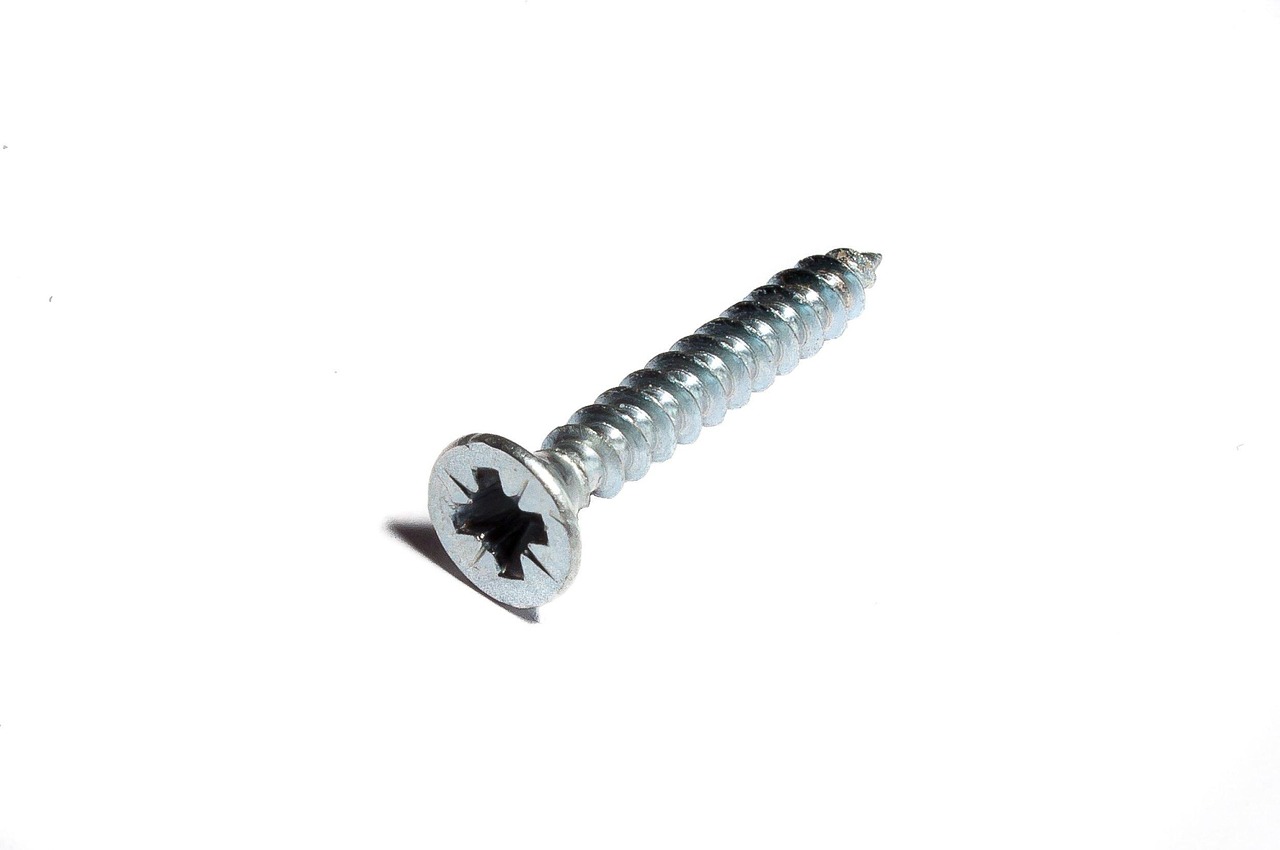
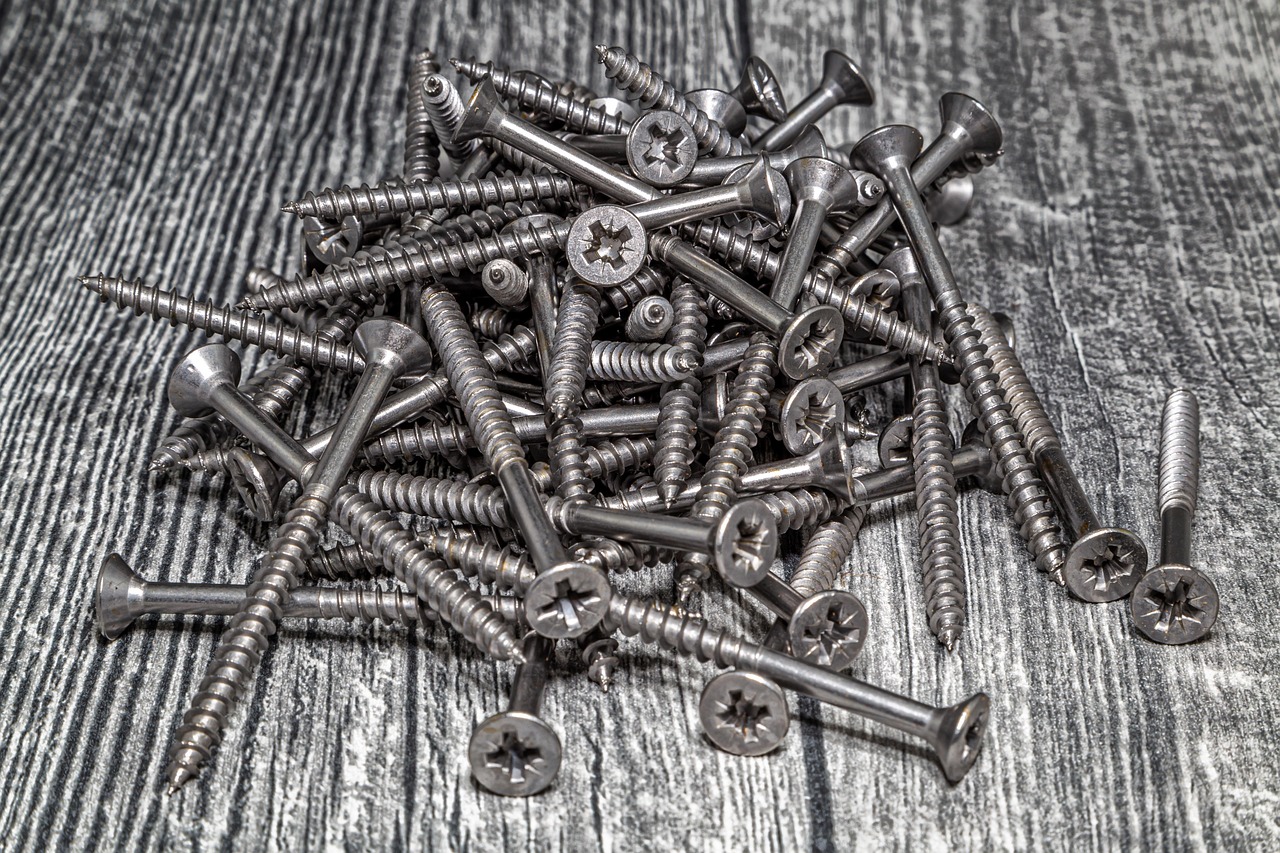
Wood screws feature a sharp point and coarse thread. The coarse threads allow the screw to grab onto the soft material of the wood.
The head can be flat, Phillips, or square drive, with the latter two resisting cam-out when being driven into the object. People will use wood screws whenever they is joining two pieces of wood together. The downside of using wood screws is that they will snap if used on very hard types of wood.
2. Machine Screws
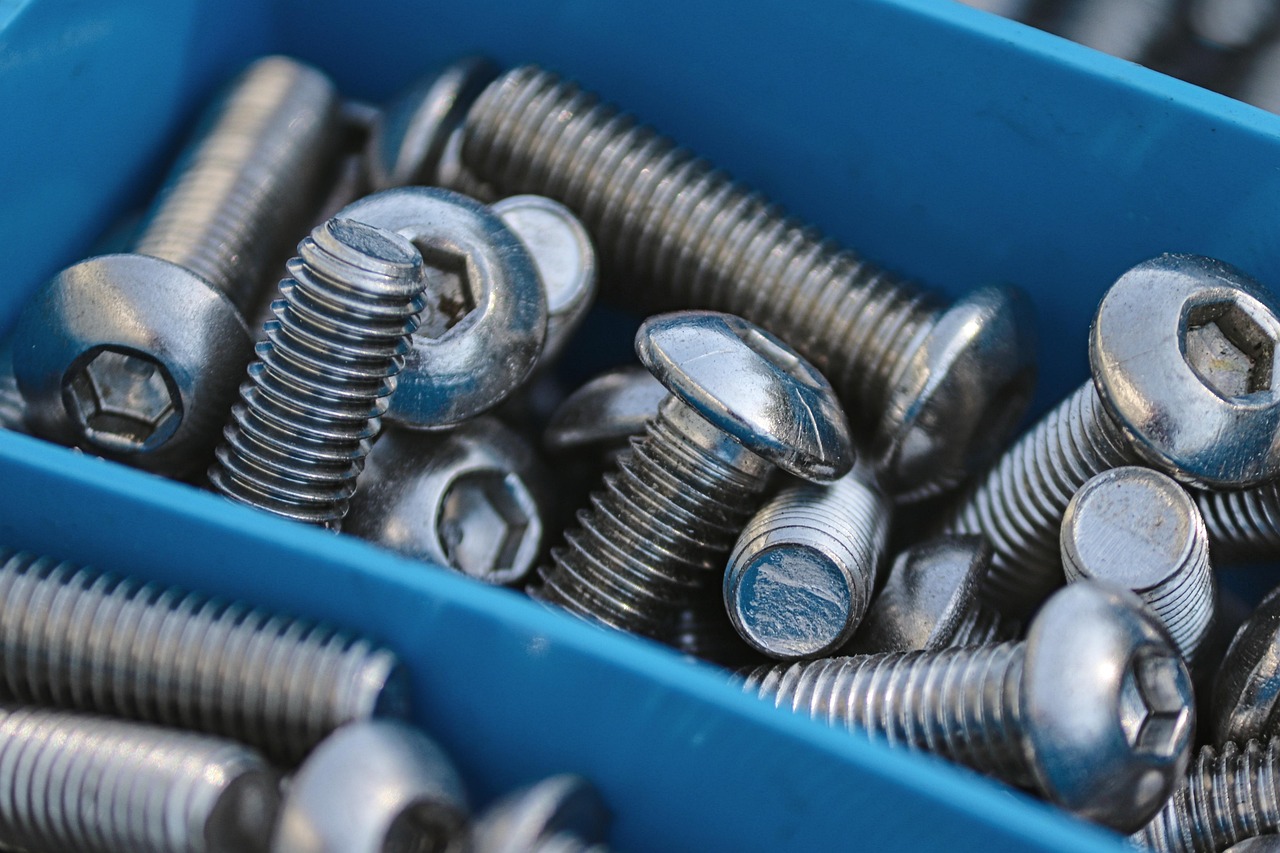
Machine screws are used whenever precision and reusability of the items are necessary. The screw features a uniform diameter along its length and is inserted into a nut or threaded hole. The threads on machine screws are much finer than those on wood screws and offer superior holding power with metal and plastic component.
The screw head can be a variety of different shapes and sizes. The benefit of machine screws is that the components can be separated without damaging the screw threads, unlike self-tapping screws.
3. Self-Tapping Screws
Self-tapping screws feature a hardened point that allow them to cut into the materials that they are being driven into.
These screws is helpful with sheet metal, plastic, and wood. The downside of self-tapping screws is that chips of the material will be created when the screw is driven into the materials. Self-tapping screws are commonly used in HVAC systems and for attaching hinges to metal components.
4. Sheet-Metal Screws
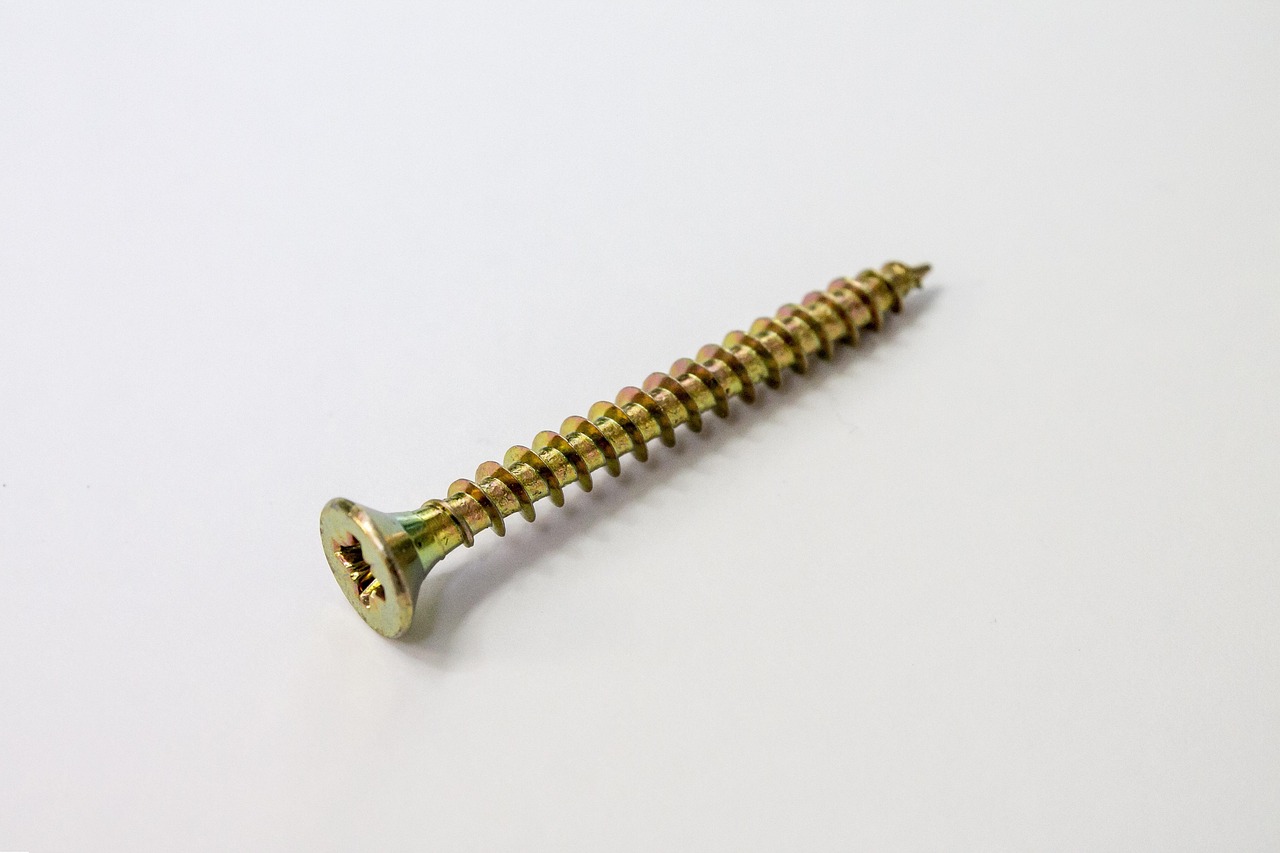
Sheet-metal screws are similar to self-tapping screws but have even sharper points. These screws are used for thin metal like 20-gauge sheets of metal. Sheet-metal screws have a wafer head that allows the painted component of the sheet metal to remain looking smooth and even.
The sharpness of the threads allows sheet-metal screws to easily slice into 20-gauge metal while leaving some material behind to prevent the screw from being pulled out of the metal. These screws are often used in the building of roofs, gutters, and the panels of household appliance. Sheet-metal screws are not meant for heavy use or for areas where vibration could loosen the screws over time.
5. Lag Screws
Lag screws or lag bolts has thick shanks with a hex head that allows them to be driven into a pilot hole in the wood or metal bracket into the masonry. The coarse threads extend only part of the way up the lag screw shank and provide tremendous shear strength to the screw. Lag screws are often used in wooden decks, pergolas, and barns.
Because lag screws are so thick, they can split the wood if they are not driven into properly drilled pilot holes in the wood. Concrete screws are used to attach other items to concrete. The brand name for many of the best concrete screws is Tapcon, although there are other brands of these screws available.
6. Concrete Screws
The screw features a high-low thread pattern and a hardened tip to allow the screw to cut into the concrete. The head of the screw can be either a hex washer or a flat Phillips head. The diameter of the carbide bit that is used to drill into the concrete must match the specifications of the screw brand that is being used.
Using another sized bit will cause the screw to spin uselessly within the concrete or snap off the screw within the concrete. These screws are often used for installing shelves in basements and siding on the exterior of the buildings. Drywall screws have bugle-shaped screw heads that allow them to sink into the paper that covers the gypsum drywall without tearing the paper.
7. Drywall Screws
The coarse threads of drywall screws allow them to secure the drywall to the wooden studs within the wall. The screws are often black oxide coated to protect them from moisture. Drywall screws can be driven quickly into drywall with an electric screw gun.
Fewer workers is required to install drywall panels than with drywall nails. The downside to drywall screws is that they is brittle. They will snap if any of the drywall is removed.
8. Security Screws
Security screws are used for items that should not be removed. The drives for security screws may be Torx with a center pin, snake-eye screws with two prongs, or tri-wing screws. These screw types will not work with a standard screwdriver.
Security screws are used on subway systems, in prisons, in outdoor electrical boxes, and in some consumer products. The downside to security screws is that the specific screwdrivers for these screws must always be on hand. Set screws do not have any head.
9. Set Screws
These headless screws thread onto the component to which they are being attached. Set screws may have a flat head, a cupped head, a cone-pointed head, or a nylon patch on the head. Set screws are used in timepieces, machine components, and bicycles.
The length of the set screw must be correct so it will properly thread into the component but not bottom out when being tightened. Thread-forming screws are similar to set screws but instead of cutting into the material, they displace it and form the threads in softer metal. The thread-forming screws create a stronger bond with the component than cutting screws.
10. Thread-Forming Screws
Thread-forming screws are often used for components in the automotive and electronic industries. Thread-forming screws require more driving torque than other types of screws and will damage the threads if driven with a standard screwdriver. Deck screws have a stainless steel or coated metal composition to ensure that they do not corrode from exposure to the weather or treated lumber.
11. Deck Screws
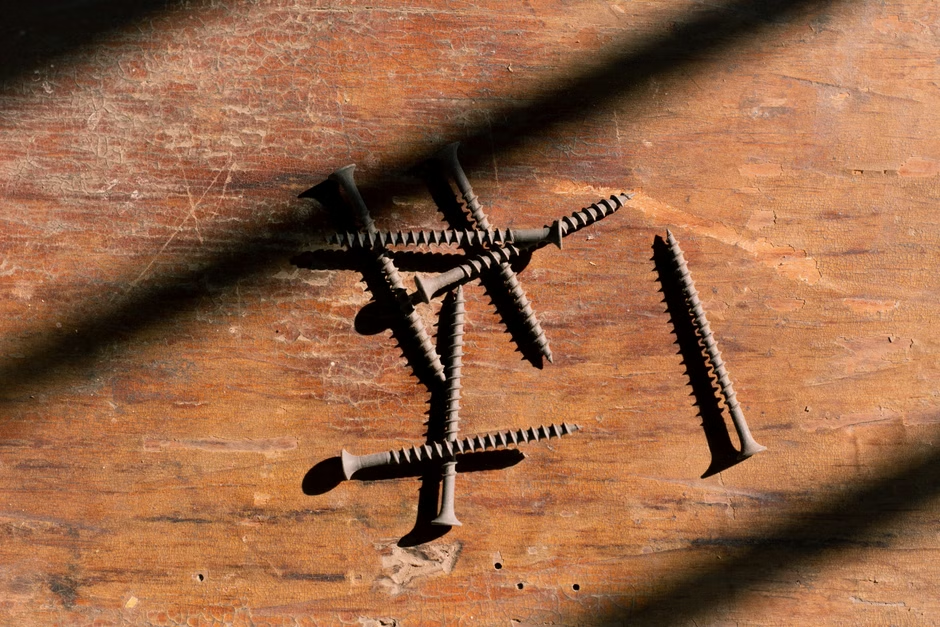
The bugle heads of deck screws allow them to sink into the decking boards. Some deck screws has a self-drilling point so they dont have to be predrilled into the wooden decking boards. The threads of deck screws are cut short of the head of the screw so the top wooden decking board will pull down tight against the wooden joist beneath it.
Deck screws have made it easier for people to build wooden decks. There are a variety of specialty screws made for very specific applications. Eye screws are used to hang decorations or allow for a clothesline to be built.
12. Eye Screws
U-drive screws are used to anchor nameplates to metal components. Captive screws hold computer panels to the computers even if the panels are open fully. These different types of screws all has specific uses and can be purchased in a variety of sizes.
13. U-Drive Screws
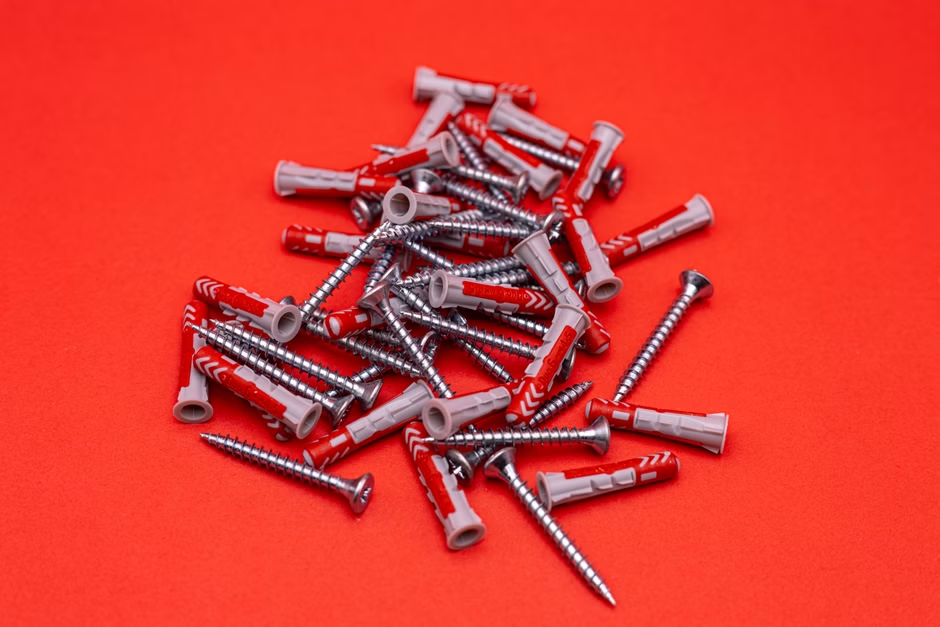
Captive screws hold computer panels to the computers even if the panels are open fully. These different types of screws all has specific uses and can be purchased in a variety of sizes.
14. Captive Screws
When purchasing a screw, people should consider the materials they are dealing with and the forces that the screw will have to stand up to. The extra few minutes that people take to read the specifications of the screw will save people from having to deal with broken joints in the future. The next time people reach into the tool shed or the fastener bin for a screw, they will not see the same unidentifiable metal items anymore.
Instead, they will recognize each screw for what they are, solutions to the challenges that things fell apart in the past century of engineering innovation. Each screw will be quietly waiting for its moment to do what it was born to do.
