
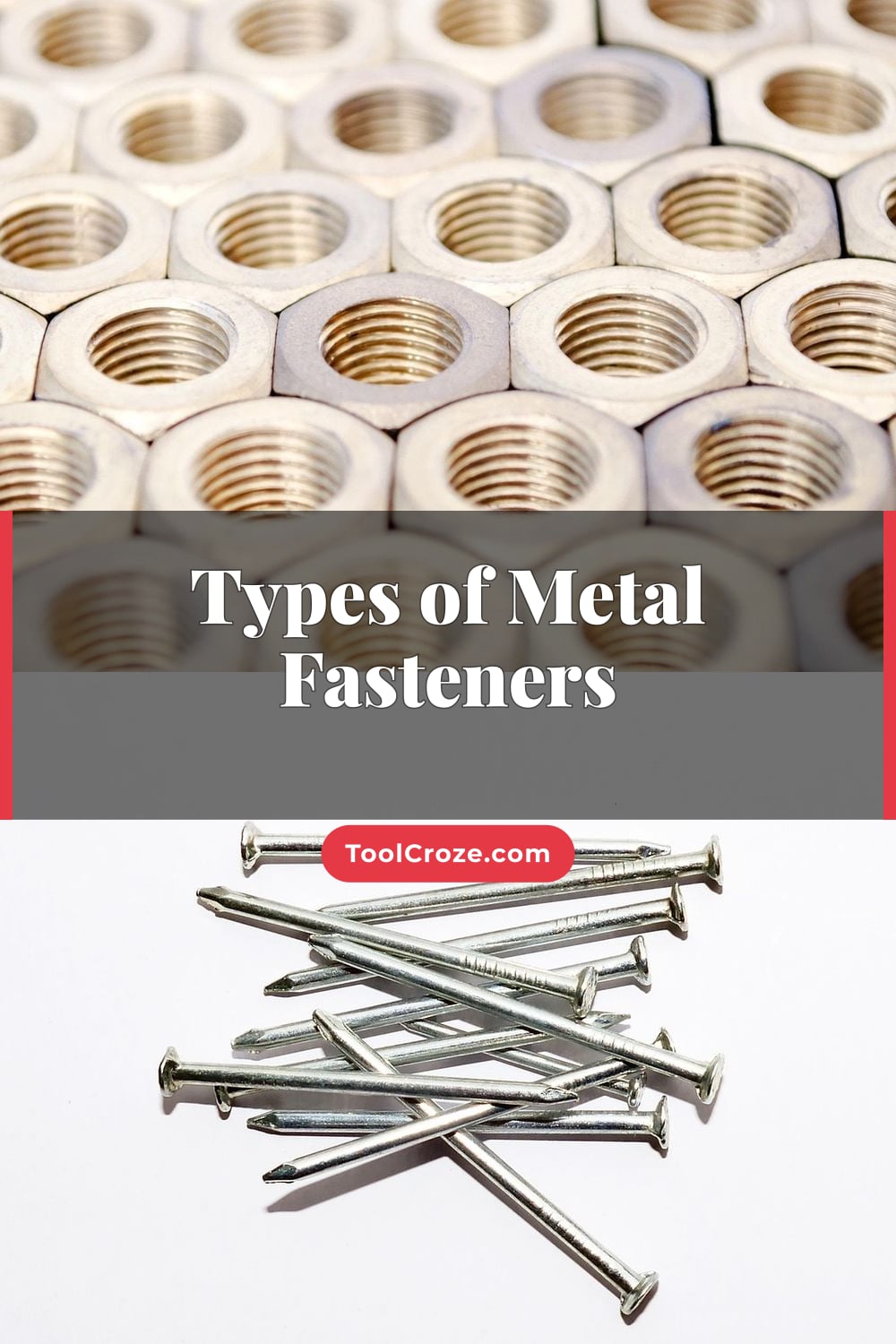
Metal fasteners hold the world together in ways that a person rarely notices. From chairs to bridges, metal fasteners are present in a variety of objects. Many people may not even notice them, but they is constantly holding the world together.
When a person goes into a local hardware store, there is a wide variety of metal fasteners. In order to easily find the right fastener for a project, it is important for a person to understand the different types of metal fasteners that exist. By understanding these metal fastener types, a person can easily avoid frustrations with there projects.
There are a variety of ways to categorize metal fasteners. The differences between metal fasteners include their shape, the threading of the fastener, the material of the fastener, and the type of load that the fastener will carry. Some fasteners are design to bite into soft materials, others are for clamping purposes and a few are for locking items into place so that they will never move again.
Choosing the wrong metal fastener for a project can cause frustrations for a person and it can even lead to the project failing altogether. There are a variety of metal fastener types that are commonly used and each have a specific use for which they are best suited. Screws are one of the first families of metal fasteners that a person should consider for a project.
Common Types Of Metal Fasteners To Use
1. Wood Screws
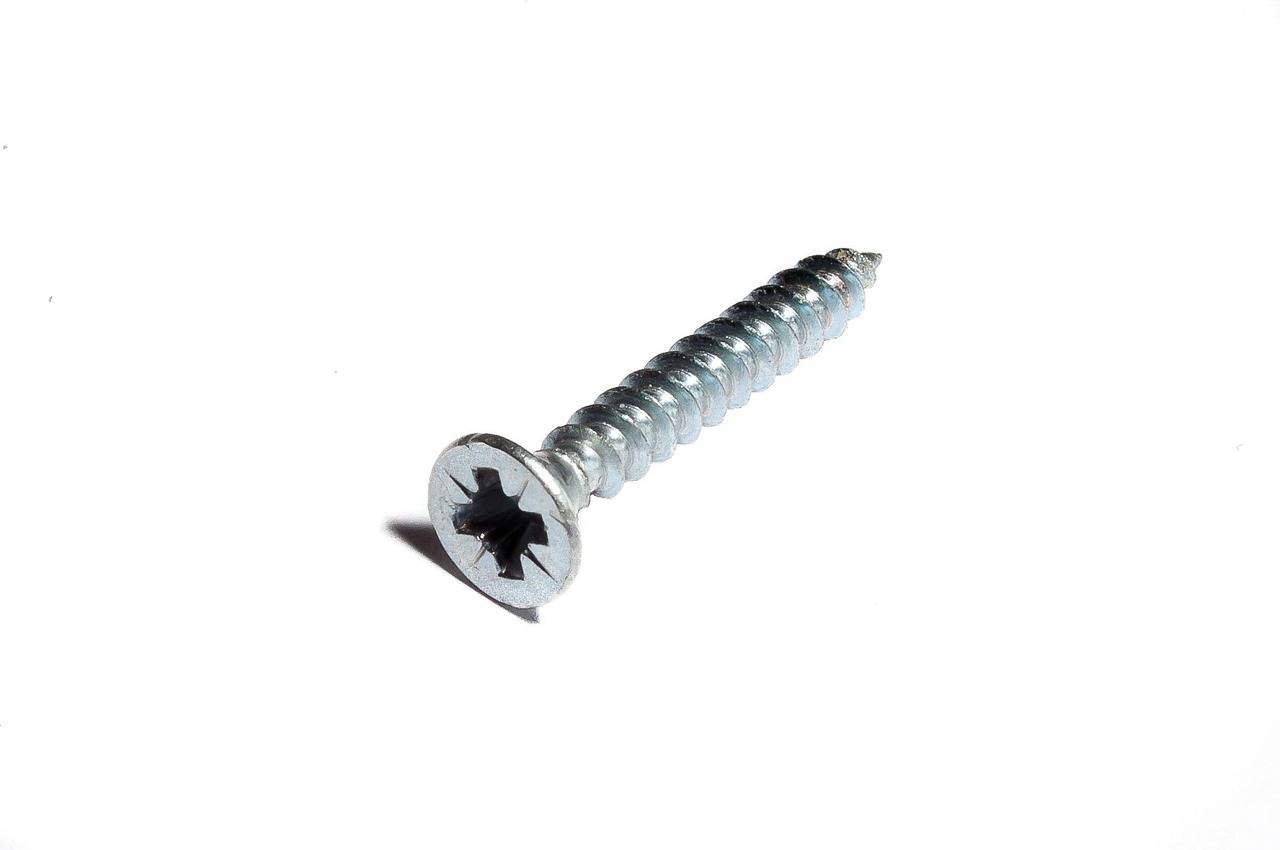
Within the screws family, wood screws is the leader. Wood screws have a tapered point and have coarse threads that allow them to grip the wood fibers without splitting the wood. Additionally, wood screws come in a variety of heads, such as flat head and Phillips heads that allow the wood screw to sit flush with the materials it is inserted into.
Wood screws can hold a deck board for decades if driven into hardwoods. However, if the person drives into hardwoods without pre-drilling, they may find themselves splitting the wood and replacing the lumber. The next type of fastener that is produced are machine screws.
2. Machine Screws
Machine screws have a blunt end and have even threads. They are used to mate with a nut or a tapped hole in metal. They are used in a variety of applications, such as holding together engine covers, electronics and furniture.
Machine screws rely upon precise threads to mate with other machine screws to ensure the connection holds true. Because of the need for precision and tight spaces, machine screws will require that the receiving metal part be tapped or that nuts be provided for the screws. However, if an object will be disassembled later, the use of machine screws is the best choice.
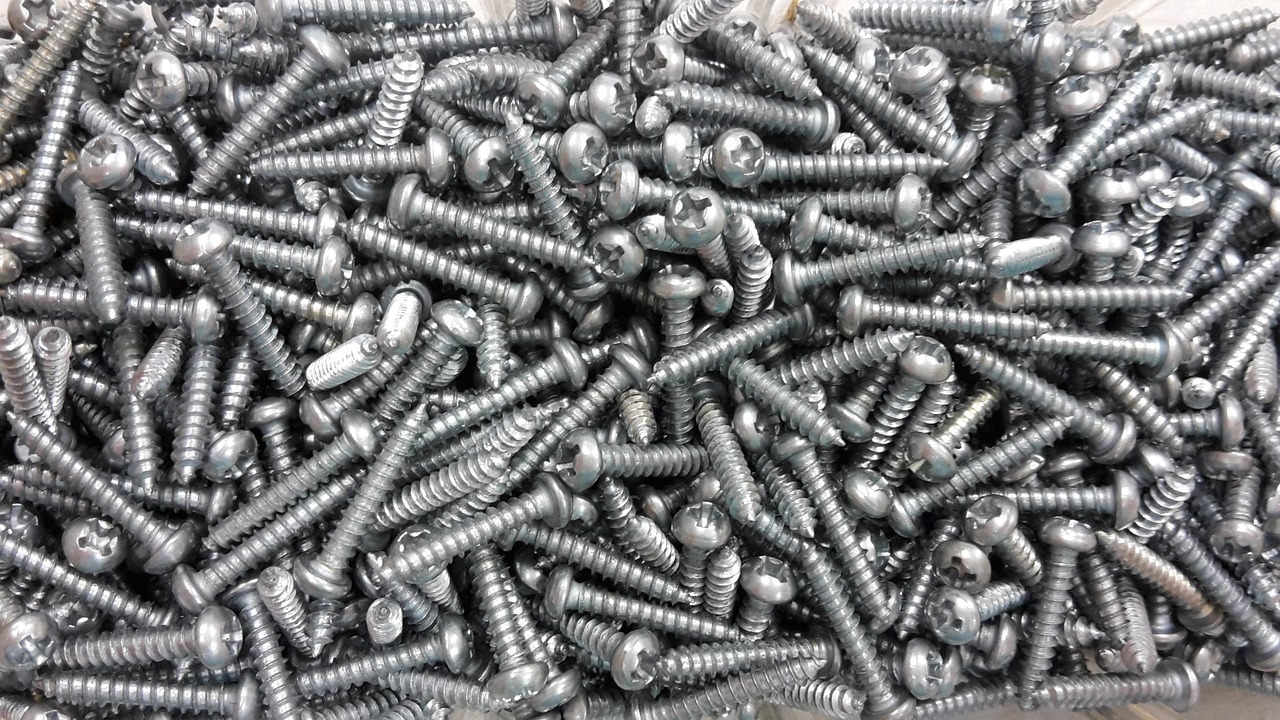
Self-tapping screws were created to avoid the need to pre-drill holes into objects. The self-tapping screw has a sharp point and a flute that allows it to cut its own threads as it is inserted into sheet metal or plastic materials. Self-tapping screws are used in a variety of facilities for installing sheet metal into structures or for installing light fixtures.
3. Self-tapping Screws
However, caution must be taken when installing these screws in electronic devices because the metal chips that are created from the self-tapping screws can create short circuits in the electronics. Additionally, because they are designed to cut into materials, the self-tapping screws will lose their holding strength if they are removed from the material a few time. The next type of metal fastener is the bolt.
4. Bolts
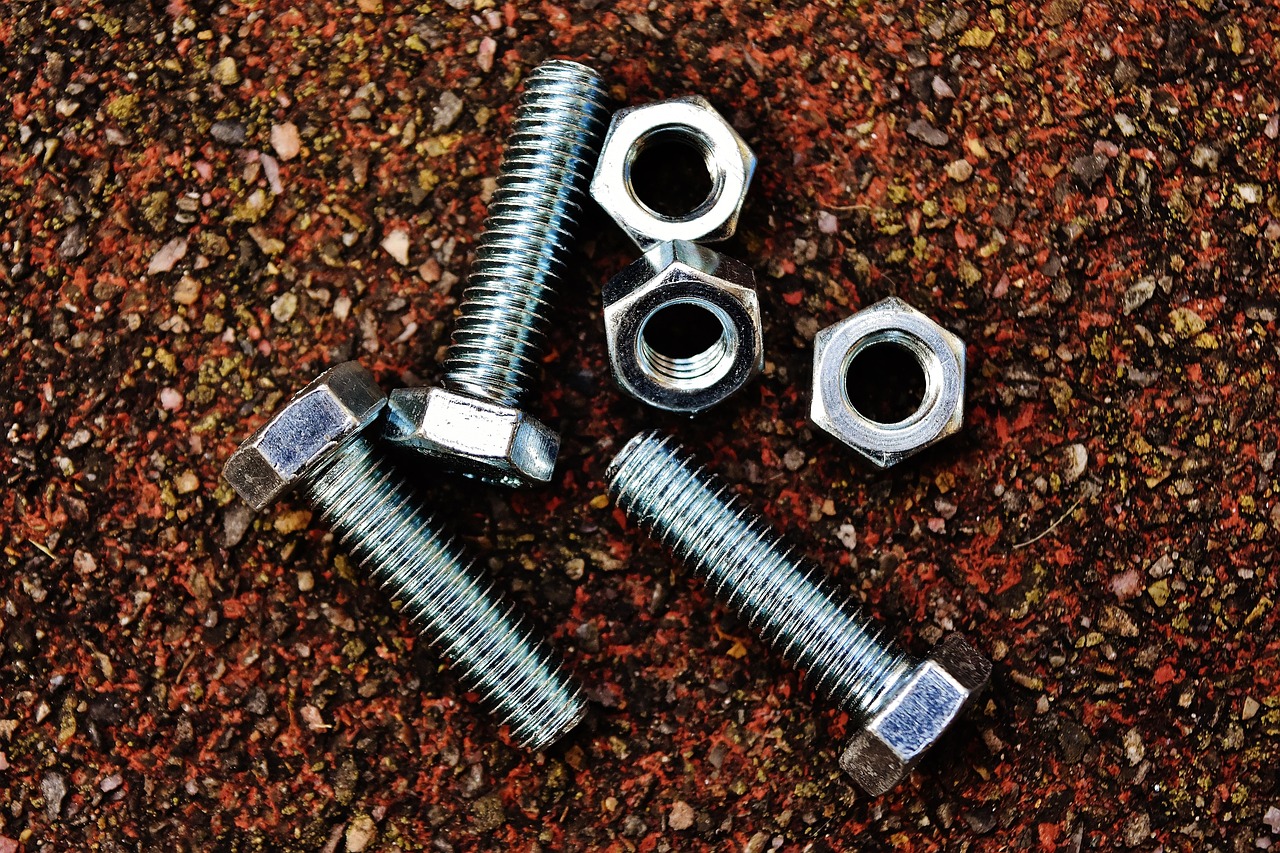
Bolts have a flat shank and a head that allows them to be easily tightened with a wrench. They are used for a variety of projects, such as for clamping two beams of a bridge together to hold the bridge together. Bolts are used for applications that require more strength than a screw can provide because the unthreaded shank portion of the bolt can handle shearing forces more better than a screw.
Additionally, if the bolt is tightened to the correct amount of torque, it will not work loose, but if it is over-tightened it can be snapped in half. Mechanics are trained to use calibrated wrenches to ensure the bolts are tightened properly to the specified amount. Carriage bolts have a square neck under the head of the bolt that locks into the material being screwed into.
5. Carriage Bolts
This prevents the bolt from rotating while the nut is being tightened on the other side of the object. These types of bolts are used in barn doors, wagon wheels and gate designs. Additionally, the smooth head of carriage bolts can provide a more even look to a project than hex head bolts.
If the square neck is not inserted into the material being secured, the anti-spin feature of the carriage bolt will fail. Lag screws, also known as lag bolts, are similar to both screws and bolts. Lag screws have a hex head and lag screws have coarse threads, but they do not use a nut to secure the item.
6. Lag Screws
Instead, lag screws have a pilot hole that allows the lag screw to bite into the material being used. A lag screw can be used to hang a swing set from a branch of a tree for decades. In order to properly install a lag screw into wood it is necessary to drill a pilot hole that is slightly smaller than the lag screw and to lubricate the threads with a substance like wax.
If not lubricated or if installing into dense lumber the lag screw may snap in half and cause an injury to the person driving the lag screw into the wood. Eye bolts are created to allow objects to be hung from them using a rope or a cable. The loop of the eye bolt allows a person to hook a carabiner or tie a rope to the eye bolt instead of potentially damaging the rope by wrapping it around the edge of the eye bolt.
7. Eye Bolts
Additionally, these types of bolts come in a variety of metals, including stainless steel for marine projects. If the load is to be applied to the eye bolt at an angle the strength of the bolt will be significantly reduced. Therefore a load should be applied to the bolt in the same plane as its axis.
U-bolts have a hairpin shape with threads on both ends. They are used to clamp onto objects, such as pipes, ropes or leaf springs to secure those items to another flat surface using a pair of nuts. Mechanics often use these types of metal fasteners to secure exhaust pipes under heavy trucks.
8. U-Bolts
Additionally, the rounded bend of a U-bolt allows it to distribute even forces onto the object being secured so that the object is not crushed. Rivets are metal fasteners with a solid metal shaft that have a head on one end. The head is not threaded.
9. Rivets
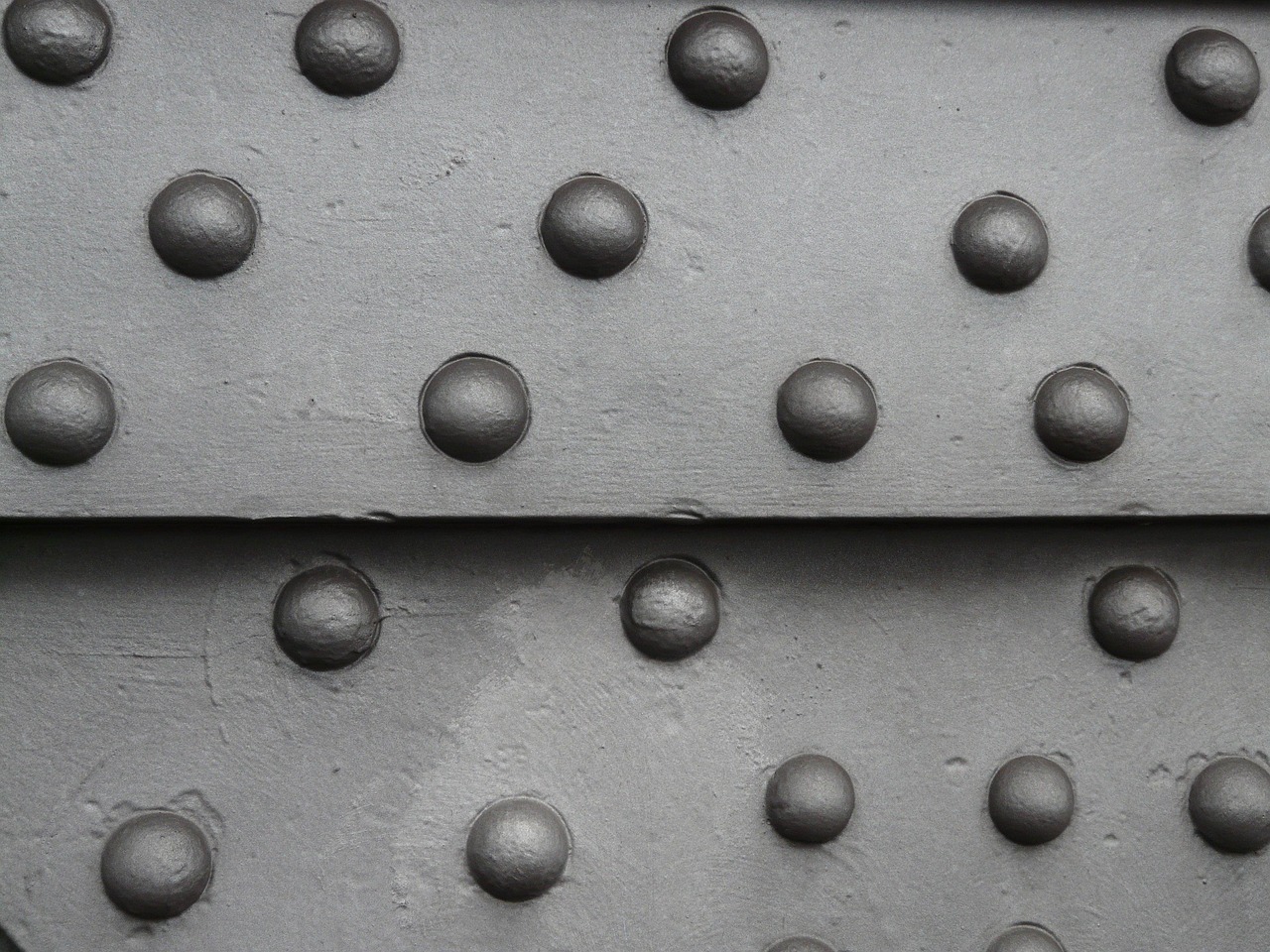
Rivets are inserted into the materials to be fastened and the tail of the rivet is deformed using a rivet gun or hammer to create a second head that secures the rivet into the materials. Aircraft manufacturers use rivets for their wings as they add little to the weight of the aircraft and provide a reliable joint. Once a rivet is deformed to create the second head the rivet is permanent and cannot be removed from the materials.
Blind rivets, also known as pop rivets have a mandrel that remains inside the rivet body but snaps off the tail of the rivet once the rivet is inserted into the blind side of the material. Sheet metal manufacturers use blind rivets to fasten metal sheeting as they do not have access to both sides of the sheeting. Blind rivets are fast to install and cost little in materials but cannot provide the same strength as a solid rivet or bolt.
10. Blind Rivets
Blind rivets are used in the creation of light furniture and doors that are used in weather seals but should not be used in hinges. Nails are fasteners that are the fastest way to join pieces of wood. Common framing nails have flat heads and a shank that includes a ring that locks into the grain of the wood.
11. Nails
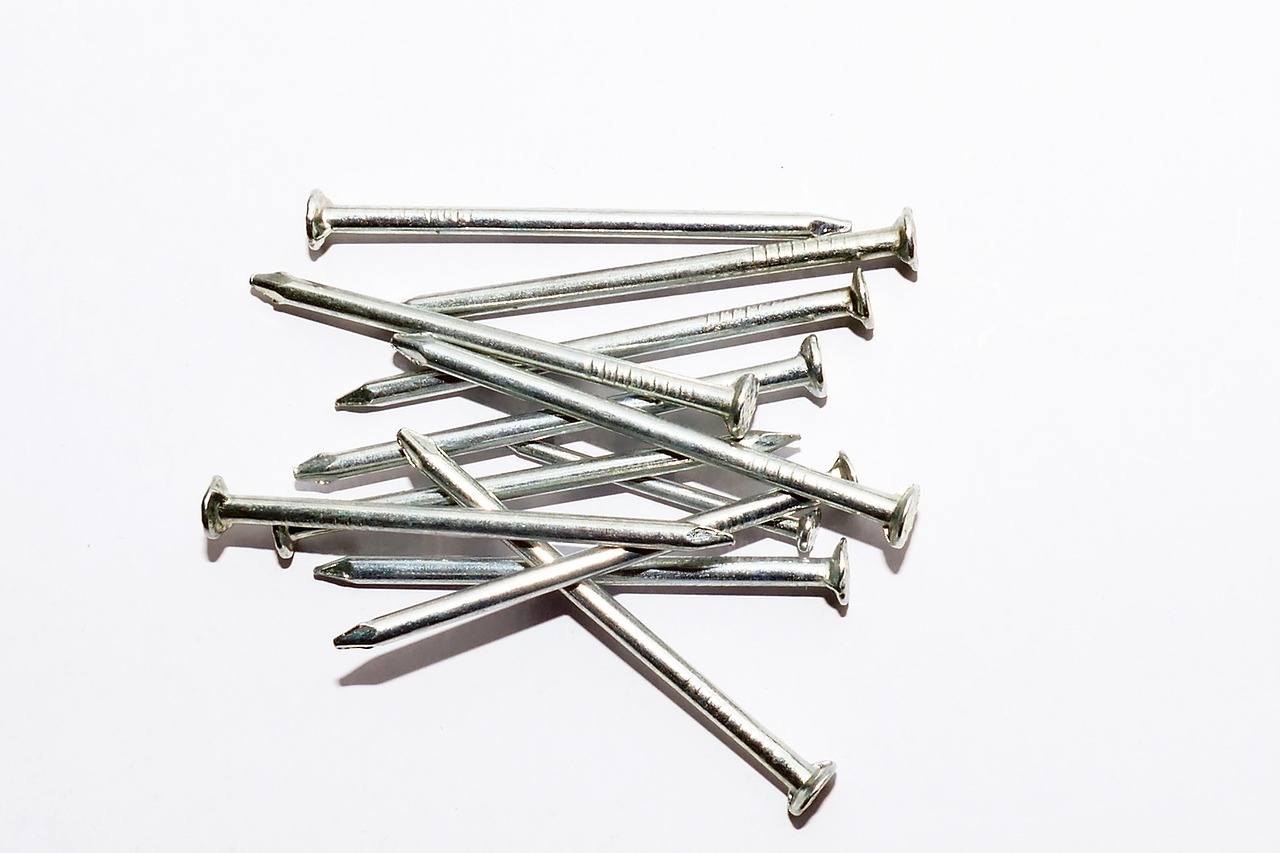
A pneumatic nail gun can drive nails into the wood at a rapid rate so that a builder can sheathe an entire house in one day. However, the disadvantage of using nails is that they can pull out of the wood if subjected to tension. Therefore, deck builders use both nails and screws as they are subjected to high winds.
Cotter pins and hitch pins are used to secure a wheel to its axle. The pin is inserted through a drilled hole in the axle and the pin is either bent or snapped to secure it into the axle. Both the car and farm industries use cotter pins for both structural and moving parts.
12. Cotter Pins
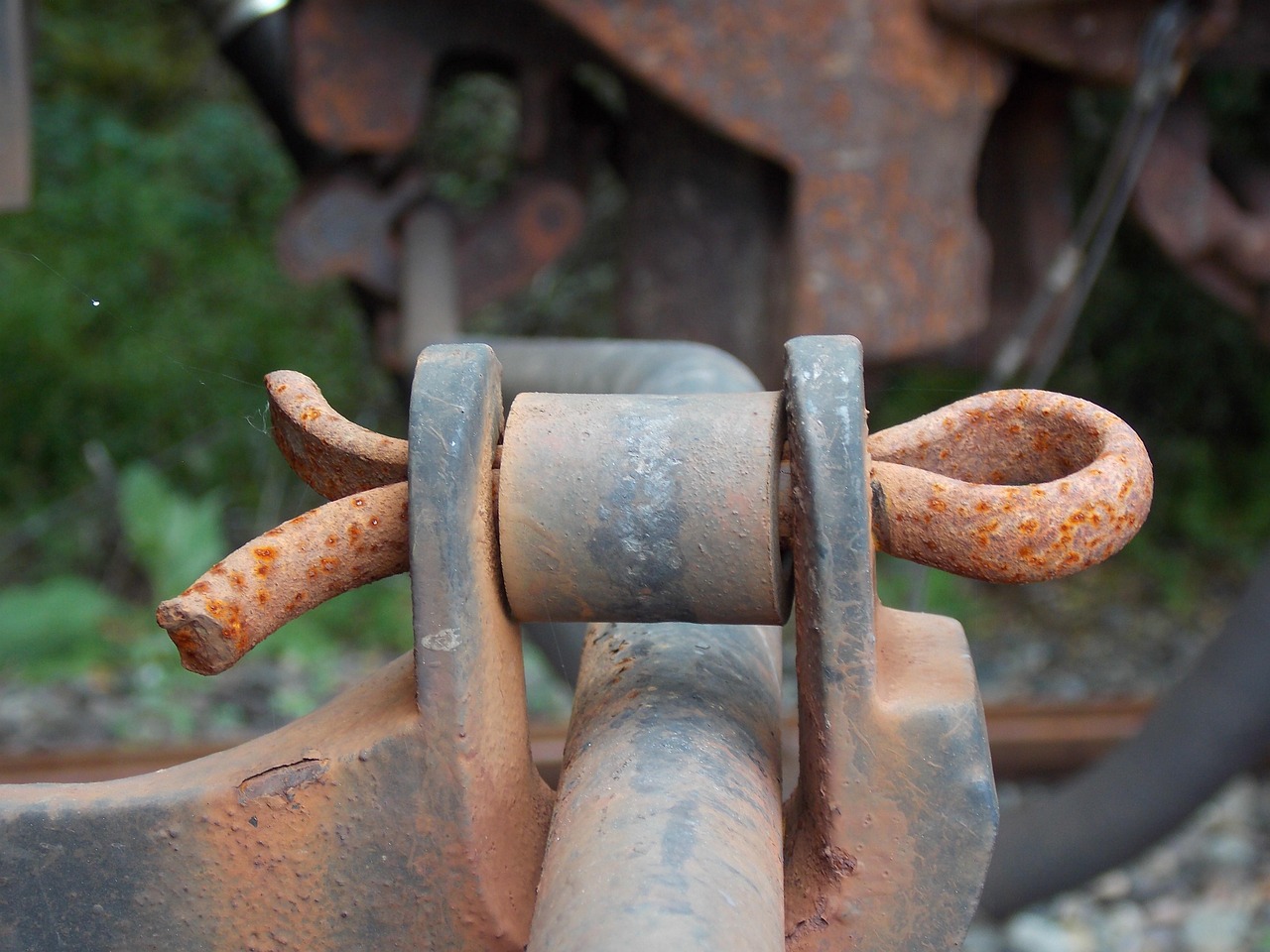
Cotter pins are inexpensive, visible and easily replace so they are used in manufacturing equipment. Cotter pins are not used to carry heavy loads but to act as a fuse so that if the cotter pin is sheared it indicates that the component it secured was overloaded. Washers come in a variety of sizes and shapes.
13. Washers
Flat washers are used to distribute the strength of a metal fastener so that soft materials are not crushed. Lock washers are used on nuts that are subjected to vibrations so that the nut does not rotate on the metal component. Star washers are used to provide grounding in metal components that have paint layers or oxide coatings.
Using the right type of washer is as important as the metal fastener selected for a project. Threaded inserts allow machine screws to be used in materials other than metal. The insert is placed into a pre-drilled hole in the materials and then machine screws of any size can be used in the threaded insert.
14. Threaded Inserts
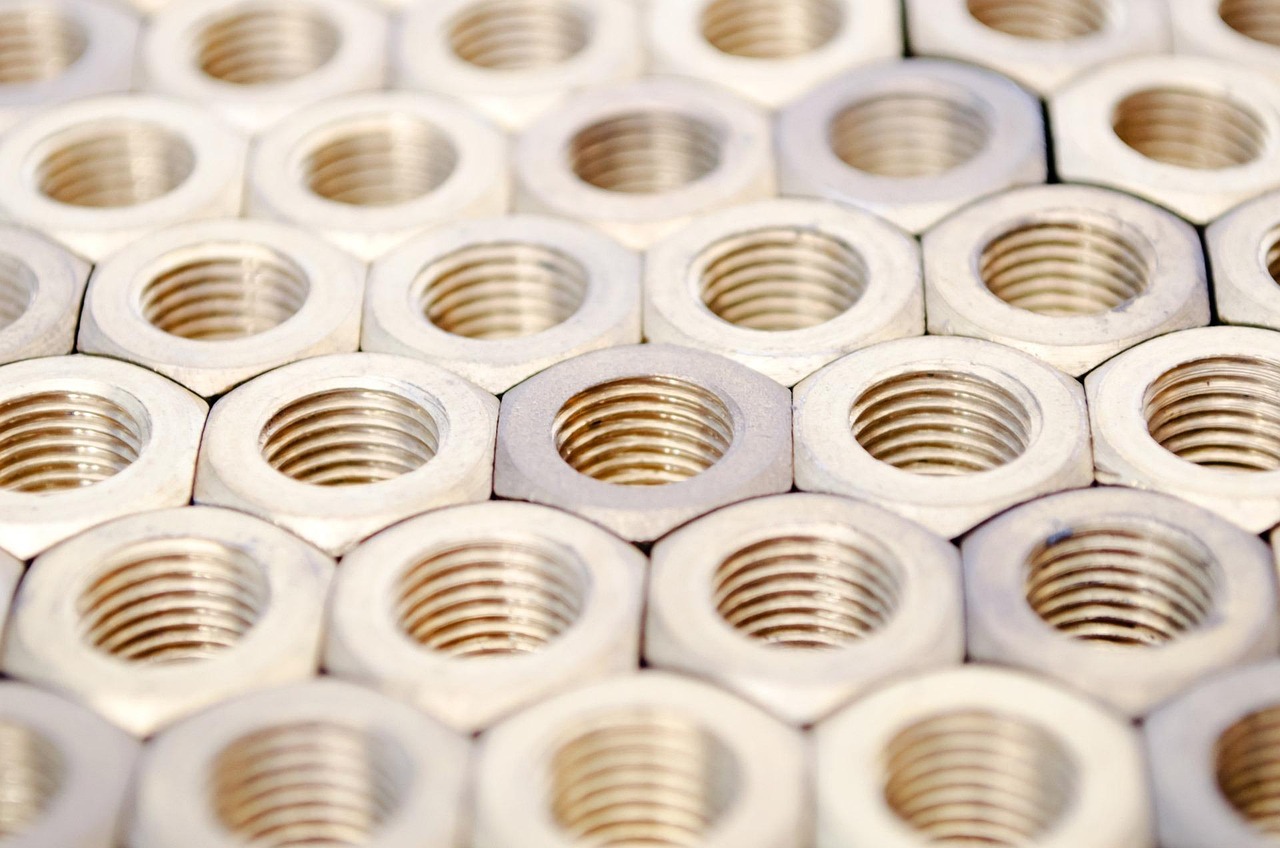
Furniture manufacturers use threaded inserts to allow items of furniture to be disassembled for transportation. Additionally, if someone strips the wood and holes of a piece of furniture a threaded insert can be placed into the area to allow it to be reassembled with full strength. Security screws are used for metal fixtures and electronics to prevent vandalism.
15. Security Screws
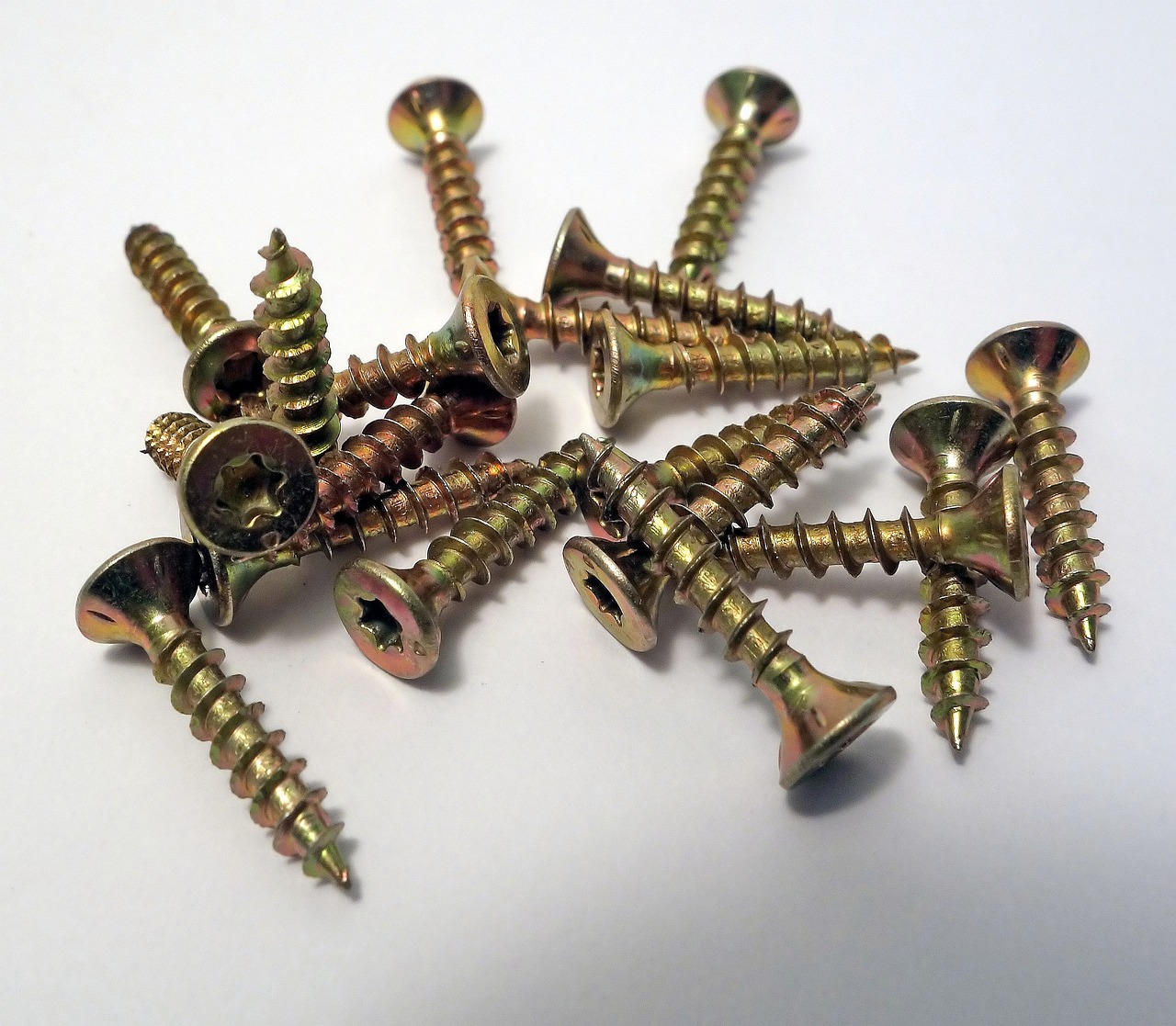
Examples of security screws include Torx screws, snake-eye heads and breakaway heads. Locations like subways, parks and data centers use security screws on their facilities to prevent vandalism. Only maintenance personnel have the proper tool bits to remove the security screws and these screws add to the safety and security of the location.
Every fastener listed has a specific use for which they were created by a person. The next time someone searches for a fastener they can use in a project they should take a moment to think of each of the uses for each of the fasteners. Taking a few extra seconds to find the proper type of fastener will save a person from frustrations and ensure the project is completed to last for decades.
In this way, the world is held together by metal fasteners one at a time.
