
Welding electrodes may appear to be same across the welding industry; however, the type of welding electrode that is used can make the difference between a welded joint that will last for many decade versus one that will crack apart before the paint is dry. Regardless of the type of project that is being performed, whether it is in the maintenance of farm equipment, the fabrication of motorcycle frame, or the welding of sections of a pressure vessel, the welding electrode that is used will have an impact upon the weld’s ability to resist corrosion and wear. Using the wrong welding rods can lead to welds that fails during the use of the implemented metal.
The welding industry has developed a handful of different categories of welding rods that can be utilized to complete the majority of welding jobs that are performed each day within shops and on job sites across the country. Stick electrodes used with carbon steel metals can contain either rutile or basic rods. The type of electrode that can be used the most often in most welding jobs is the rutile rod, which is typically manufactured in the E6013 composition.
Common Types of Welding Electrodes to Use
1. Rutile Rods
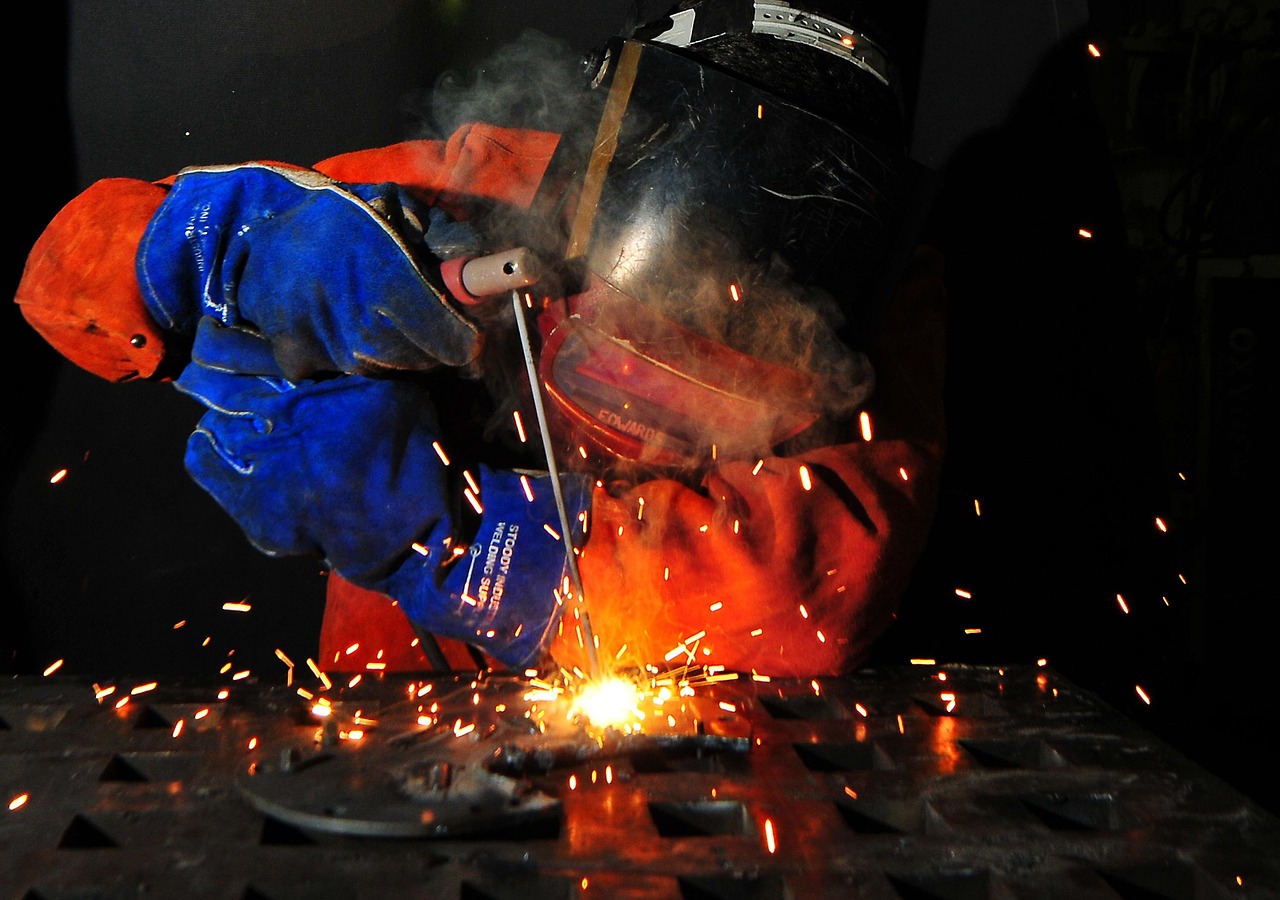
E6013 welding rods contain a high percentage of titanium dioxide within the flux material for the rods. This titanium dioxide allows for the welding rod’s flux to be dragged over the metal being welded, which makes using rutile rods a good choice for individuals that are new to welding, or for welds that must be performed in any position upon thin metals. Because the arc created by rutile rods is relatively soft and the penetration of the metal is relatively shallow with E6013 welding rods, these types of welding rods are best used for sheet metal, auto body and ornamental iron repairs.
E6013 welding rods can function with both AC (alternating current) and DC (direct current) welding machines, so the welder does not require an inverter welding machine to be purchased. However, because these welding rods have low penetration, they are likely to experience a lack of fusion with thicker metals, and the weld metal that is produced with these rods will contain more oxygen inclusions than other welding rods that are used for similar jobs. Therefore, E6013 welding rods should only be used on projects where the welding rods do not need to carry the maximum load of the metal that is being welded.
2. Basic Low-Hydrogen Rods
For metals that are required to experience heavy vibrations, heavy impacts, or that which must exhibit high levels of tensile strength, the best type of welding rods are those containing the basic low-hydrogen rods, such as E7018 welding rods. Welding rods of this type contain calcium carbonate and fluoride materials within their flux materials. These metals produce a relatively stiff arc that can penetrate the metal that is being welded, and the weld metal that is produced with these welding rods tends to be dry.
Because hydrogen atoms cannot hide within the slag of these welding rods or within the weld metal puddle that forms during the welding process, the weld will not crack under heavy use. However, these welding rods must be stored in a sealed container until a few minutes prior to use. Once opened, the rods will absorb moisture from the air in a few hours, which will significantly reduce the life of the welding rods.
To combat this moisture-absorptiveness, welding shops that utilize these types of welding rods often store them in rod ovens at 250 degrees Fahrenheit. Additionally, the slag formed by these welding rods is relatively heavy so it does not easily peel away from the metal being welded. However, the ability of these welding rods to form welds that can stand up to heavy loads from metal parts that are crucial to the movement of trucks, cranes, or even human lives makes up for the additional steps that must be performed prior to welding and after welding is performed.
3. Cellulose Welding Rods
For metal sections that contain sulfur and phosphorus within the metal, or for pipelines, for instance, the welding rods that are used are those that contain cellulose, materials such as E6010 or DC-only E6011 welding rods. The hydrogen gas that is released from these welding rods creates a relatively tight arc that “dig” into the metal being welded, allowing skilled welders to weld vertical sections of metal with high speeds of travel. This type of welding rod is used in cross-country pipelines of 100 years of use.
However, because these welding rods contain high levels of diffusible hydrogen, they should not be used for thick metals, metals that contain sulfur and phosphorus, and those sections of metal that are prone to cracking due to those elements. Additionally, because of the relative roughness of the weld metal that is created with cellulose welding rods, grinding is required prior to any additional welding passes. However, the benefit of using cellulose welding rods is that they can burn through rust, paint and mill scale on the metal without stopping to clean the metal prior to welding.
4. Aluminum Welding Wires
For metals of aluminum, the oxide layer that forms on the metal melts at a higher rate than the metal itself melts. Therefore, welding rods for metal of aluminum use a different system than the others. Instead of rods of aluminum, solid metal wires of aluminum are fed into a spool gun.
The welding rods of aluminum tend to be either the ER4043 alloy or the ER5356 alloy. The silicon content in the ER4043 welding rods increases the fluidity of the melted metal so that it does not crack during the welding process, especially in metals of the 6xxx series. The magnesium content within the ER5356 alloy increases the strength of the weld in metals of the 5xxx series.
Additionally, aluminum metals are quickly transferred as heat to the welding rod, so the welding process for aluminum uses direct current electrode positive currents with a pure argon atmosphere surrounding the welding rod. The welding rod does not touch the metal being welded. Because aluminum metal heats quickly, even a slight increase or decrease in the speed at which the welding rod is moved along the metal will result in either the metal being burned through the welding rod or failing to weld with the metal.
Consequently, many fabrication shops outsource their aluminum welding work to those who have performed a sufficient number of welding hours using aluminum metals so that they can develop a better understanding of the required travel speeds for welding aluminum metals.
5. Stainless Steel Welding Rods
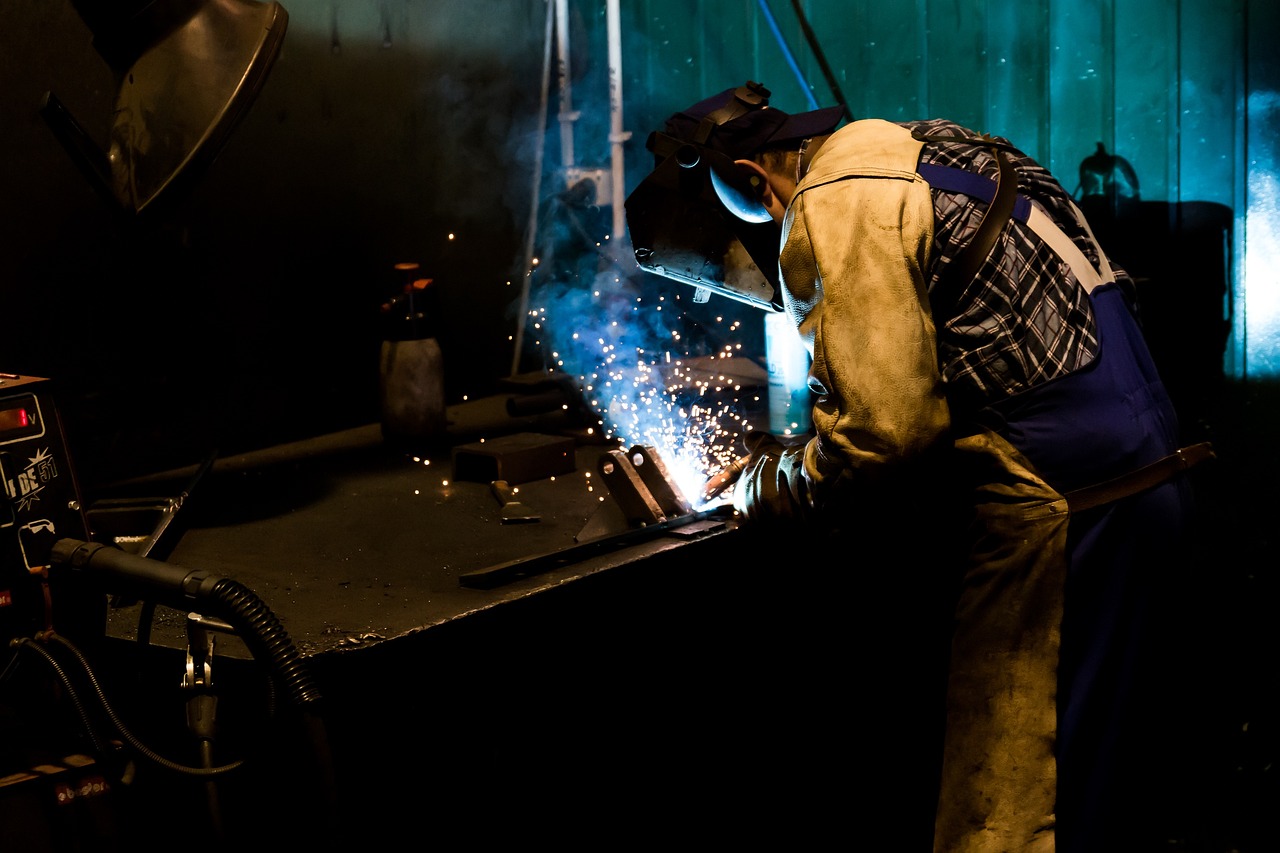
Stainless steel welding rods use the same AWS (American Welding Society) numbering system as other welding rods; however, the welding rods contain additional chemicals that are compatible with the type of stainless metal. Metals of the 308L welding rods, for instance, contain low levels of carbon within the weld metal that is created when the welding rods are employed.
The “L” in 308L means that the carbon levels should be below 0.03%, which prevents the chromium content from being depleted in the stainless steel weld. Additionally, the arc for stainless welding rods is relatively soft. Welders must typically reduce the amperage levels by five or ten amps when welding stainless steel as compared to mild steel of the same thickness.
Furthermore, the slag formed by stainless welding rods can be more tenacious than others, so a wire brush must be used between weld passes for stainless steel welding rods. The welding rods are used for creating welds that exhibit the same shine as jewelry metals and metals that will be exposed to corrosive chemicals, weather, etc.
6. Hardfacing Welding Rods
For metals that are to be treated for increased durability, metal that is exposed to wear, abrasion or impact, hardfacing welding rods are used. Hardfacing welding rods contain metals like tool steel, chromium carbide or tungsten carbide.
These types of metals are used in creating layers that can stand up to abrasion, impact or both. Additionally, the carbon content in these welding rods is around 0.7% with several percent of chromium content. The layers of metal that are created with these welding rods cannot be machined after they are cooled to their surface temperatures.
The type of hardfacing welding rods that should be used can depend upon what type of wear the part will experience. For instance, welding rods used in rock crushers will need some impact resistance but also abrasion resistance. Buldozer blades require the opposite type of wear resistance.
In many cases, manufacturers have applied two or three different types of alloys to the metal in such a way that the metal can absorb some of the shock from the wear while the outer layers remain hard enough to allow it to cut through the materials it encounters.
7. Cast Iron Welding Rods
Cast iron welding rods are required because of the high levels of carbon within the metals, high levels of carbon lead to brittleness of the metal. Additionally, welding rods are brittle thus they can crack when fast cooling metals rapidly.
Welding rods that are based upon nickel, such as ENiFe-CI or pure nickel welding rods, work to even out the carbon content in the welded portion. These welding rods are relatively cool and slow in the welding process. The metals are generally preheated prior to welding but the nickel within the welding rods allows it to endure the thermal shock.
The weld portions of the metals are typically left as-welded because machining the weld portion of the metal can lead to the soft graphite content being pulled from the metal. Therefore, when reinforcement metal is welded into the cast metal portion, it is ground to the same level as the rest of the metal. The weld portion is “finished” and the metal can be returned to service.
Each of the welding rods that exist in the industry exist due to the fact that there is a type of metal within a specific environment that requires a welding rod type that can last within that environment. Welding rods containing rutile metal are used for metals of thin composition that are welded in various positions. Low-hydrogen welding rods are used for high tensile strength metals since the dry weld metal will not crack within that structure.
Cellulose welding rods are used in pipelines since the high travel rates are required to weld those long lengths of metal without cooling. Welding rods for metals of aluminum are used since they are required to contend with the high melting point of the oxide layer covering the metal. Stainless welding rods are used for metals that must exhibit corrosion and weather resistance.
Hardfacing welding rods are used to protect metals from wear. Welding rods based upon nickel are used in metals of high carbon levels to produce non-brittle weld metal portions. Welding rods used for these various metals allow for increased strength, evenness, reduced cracking and longevity of the metals to which they are welded.
Should an inappropriate welding rod be used, weld failures will occur, the weld will fail during the use of the metal. Using the appropriate welding rod, however, will allow for the weld to be successful, the slag from the metal will fall cleanly from the weld portion of the metal, and the weld will be virtually invisible within the parent metal. Welders use boxes of these various welding rods to learn how to create the best possible welds for specific metals of specific types of applications.
Thus, the metal does not lie but it will tell the welder which welding rod to use for the metal that is to be welded.
