
A circular saw is a power tool that can be intimidating to a beginner. However, once you understand how a circular saw work, it can feel as if the power tool is an extension of your arm. You might find yourself using a circular saw to frame walls.
Or, perhaps, to build deck. Or even to trim plywood in the workshop. Regardless of the specific use of a circular saw, the tool is used to transform raw lumber into lumber of specific dimension.
Furthermore, a circular saw can accomplish these tasks at a rate that would leave a man with a hand tool behind. The circular saw either delivers precise cut or ruins lumber due to a lack of understanding of the function of each part of the tool and the reason for the importance of each component of the saw when the saw’s blade is spinning at 5000 rpm. Understanding the anatomy of a saw is beneficial for several reason.
First, knowing the anatomy of the saw will allow you to purchase the correct saw for your projects. Additionally, understanding the anatomy will make it easier for you to maintain the saw properly. Finally, you will have an easier time diagnosing any problem with your saw if you understand each component and its function.
Each part of the saw exist to solve a problem that woodcutters have faced since time immemorial. Once you understand how the saw’s components work together to accomplish a task, you will have more confidence when making your next cut with the saw. Furthermore, you will experience fewer injury due to a better understanding of the saw’s anatomy.
Key Components of a Circular Saw
1. The Circular Saw Blade
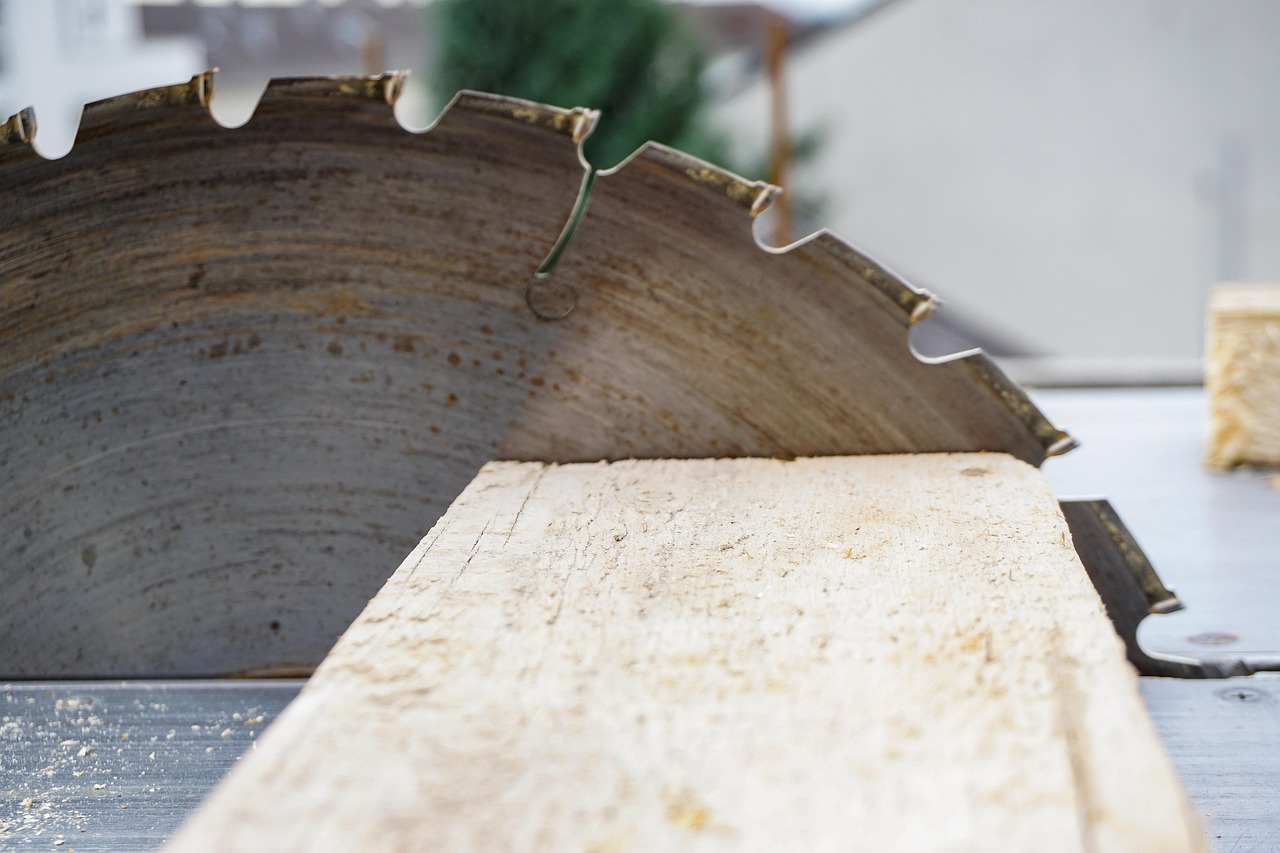
The blade of a circular saw performs the cutting function of the saw. This is the only part of the saw that comes in contact with the wood. Most circular saw blades are 7 ¼ inch in diameter.
However, saws with larger blades are available for those who need to perform heavy-duty task. The teeth of the blade perform the cutting function of the saw. The design of the saw’s teeth impact the rate at which the saw performs its cut.
Furthermore, the teeth impact the quality of the saw’s cut. A combination blade can perform both functions, and is, therefore, the default blade for most saw user. However, a dedicated rip blade with fewer cutting teeth can increase the rate of the saw’s performance, as the motor does not have to work as hard to move the blade at such high rate.
2. Understanding the Kerf
Many people do not realize the function of the kerf in a saw. The kerf is the width of the cut that the blade make in the wood. Using blades that have a thinner kerf removes less wood from the material.
Because the saw motor does less work with thinner kerf saw blades, the motor experiences less strain. Less strain on the motor allow battery-powered saws to work for longer period of time without recharging. This seemingly small component of a saw is the reason why contractors argue over the brands of saws they will use on job site, often late into the evening.
3. The Blade Guard
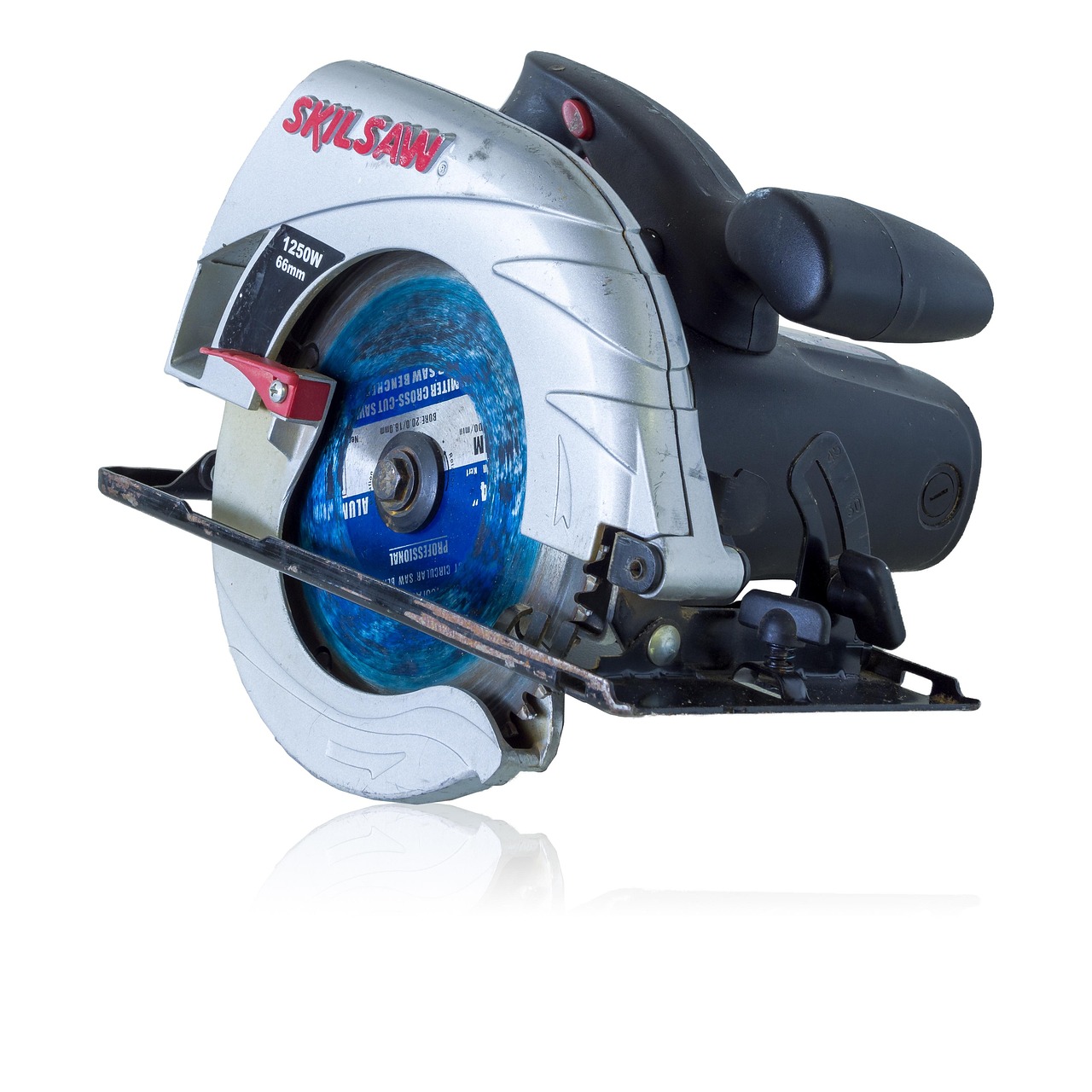
The blade guard is located directly behind the saw blade. This guard is a spring-loaded guard made of metal or plastic. It covers the saw blade when the saw is not in use.
Once the saw blade begin to move through the wood, the guard automatically rides up over the blade. Once the saw completes its cut, the blade guard snaps back into place. This simple component of a circular saw has prevented numerous accident and injuries to saw operators.
However, it is easy to become lazy with the guard. It is common for individuals to attempt to tape the blade guard into place or even to remove the guard when making plunge cut. However, you should never remove the guard from the saw.
The guard is used for a specific reason, and by removing the guard from the saw blade, the saw is transform from a safe power tool to a potential hazard that can cause injuries.
4. Depth Adjustment Lever
The depth adjustment lever allow the saw operator to adjust how much of the saw blade protrudes from the saw. For most project, most saw blades should extend about a quarter of an inch from the workpiece.
If the depth of the saw blade is adjusted to extend more than a quarter of an inch from the saw shoe, the extra blade will create friction with the workpiece. Furthermore, the extra friction will cause wood splintering at the bottom of the cut. It will also introduce an additional risk factor for the saw operator when making a cut.
The depth adjustment should also be used to adjust the saw if the blade becomes stuck in the workpiece. By adjusting the depth to a shallower angle, less of the blade will extend beyond the workpiece and become a potential hazard if the blade gets stuck on another piece of wood during the saw’s operation. Seasoned saw user adjust the depth on the saw before they begin work, as the depth will change when the thickness of the wood to be cut changes.
5. Bevel Adjustment
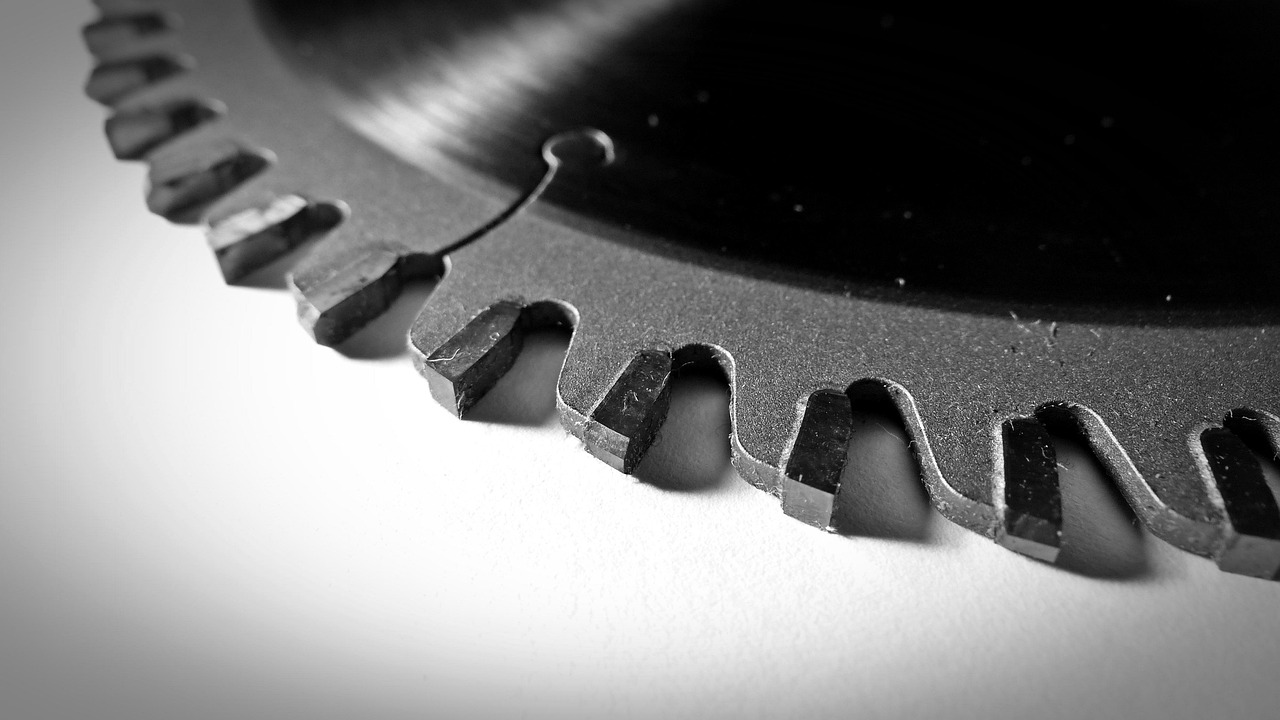
The bevel adjustment is the component that allows the saw’s blade to be tilted relative to the saw shoe. Most saws allow the blade to be beveled between 45 and 50 degree. This is used to make miters in rafters and trim.
Most saws do not have perfectly calibrated bevel adjustment. Skilled carpenters will make a test cut and use a protractor to measure the angle of the saw’s blade relative to the work surface before they begin cutting expensive project lumber. The saw’s bevel lock knob should be tight to the saw blade.
If it is not, the saw blade could change angle during the saw’s operation. This could ruin the work the saw was performing on the project. While this is a small component of the saw, it is the difference between professionals and weekend woodworker.
6. The Shoe or Baseplate
The shoe, also referred to as the base or footplate of the saw, is the metal platform that the saw rests upon the workpiece. Good saw shoes are both sturdy and light in weight. Furthermore, the shoe should have a smooth underside.
Many saw shoes have marks at the front of the saw. These marks are aligned with the position of the saw blade. These marks allow the saw operator to make even cuts without having to look underneath the workpiece to check the alignment of the saw blade with the cut being made.
These marks save time and reduce the opportunity for mistake when sawing with the circular saw. Manufacturers include these marks to save saw operators time in the workplace.
7. The Saw Motor and Trigger
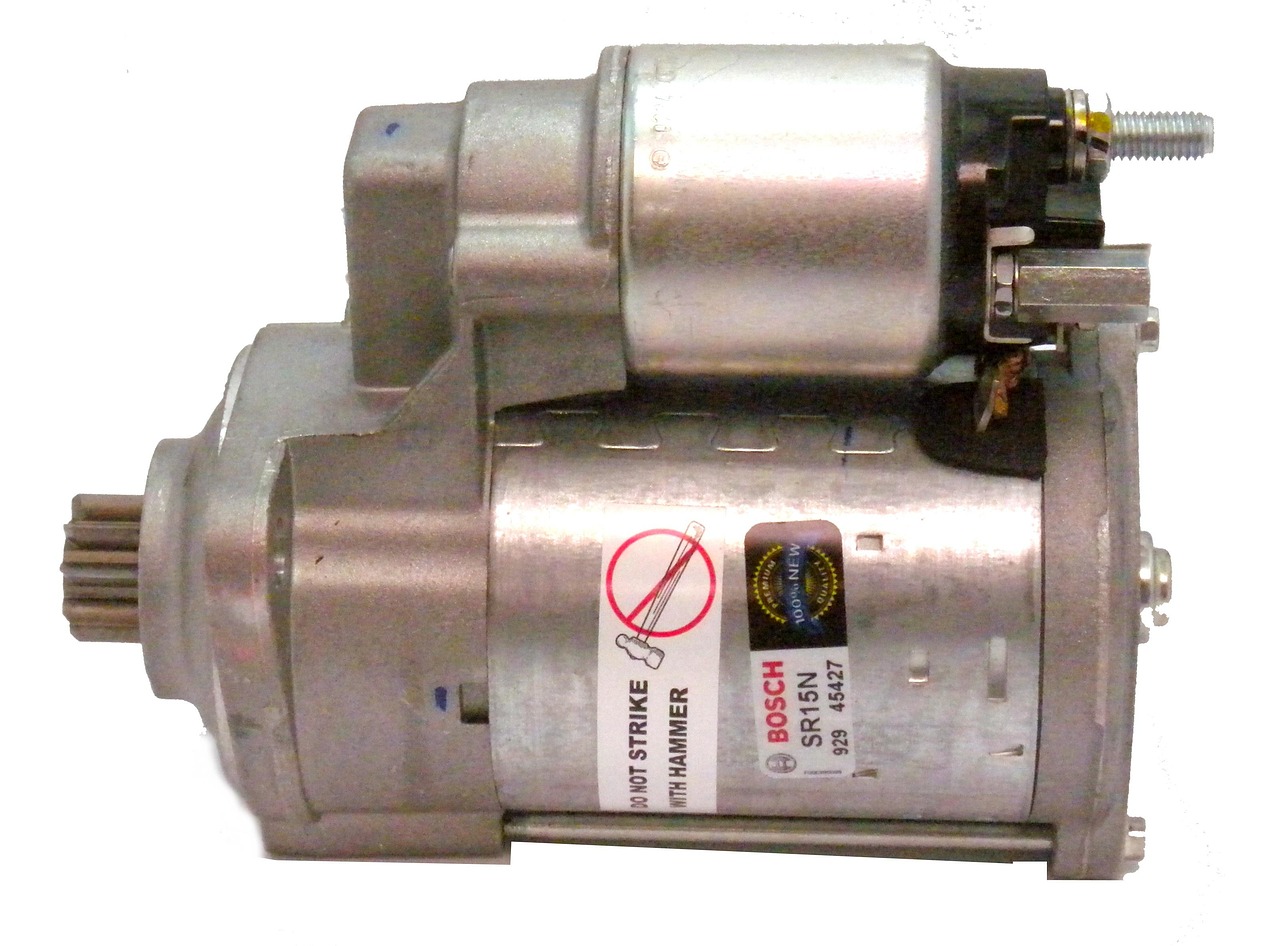
The trigger switch control the saw motor, which powers the circular saw.
Most saw motors use a universal motor design to allow the blade to spin at high rate. Corded saw models will have motors that draw between 12 and 15 amps of power. The motor contain carbon brushes that wear down over time.
The carbon brushes will need to be replaced sometime during the life of the saw. If the saw motor experiences a decrease in the power that it deliver to the saw blade, or if sparks are ejected from the motor housing, the carbon brushes are failing and need to be replaced. Replacing the carbon brushes will prevent the motor from burning out.
It is far better to spend the time and money to replace the brushes than to deal with the saw being out of service for another few week due to the motor failure.
8. The Arbor and Nut
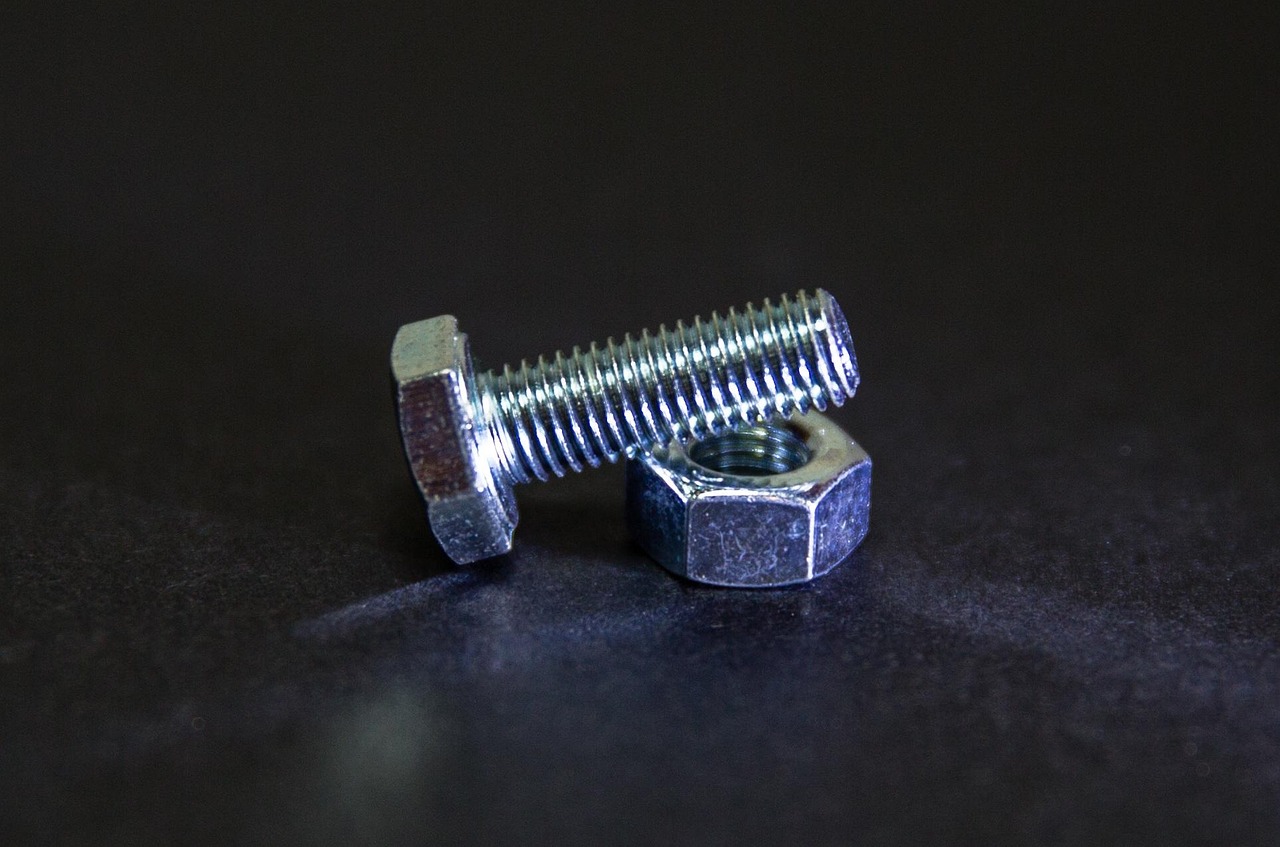
The arbor holds the saw blade. It rotate inside the saw motor housing.
A threaded arbor nut accept the arbor to secure the saw blade in the saw. Most circular saw arbors are 5/8 inches in diameter. However, saws that are used to trim wood post have a different sized arbor.
A clean arbor that is lightly lubricated will allow saw operator to change the blade without encountering resistance. A dirty arbor will lead to a blade that is out of alignment and will create fatigue in the saw operator’s hand after a few hour of cutting.
9. Main and Auxiliary Handles
The handle, which is attached to the motor housing, may have two part.
Most saws have a main handle and an auxiliary handle. The main handle, located at the rear of the saw, contains the trigger that starts the saw. Furthermore, the main handle will also have a handle that lock the saw motor while the saw blade remains in use.
This is used to make rip cut. The saw’s handle should be comfortable in the saw operator’s hand. If it fit the operator’s hand size, it will reduce the fatigue in the saw operator’s hand as they make a variety of cut in their project.
A saw blade will be easier to control in the cutting of pressure-treated lumber if the handle is the proper size for the saw operator.
10. The Power Cord
Many saw operator ignore the saw’s cord. They will be aware of it when it is sliced with the saw blade, or when the cord wraps around their foot while they are sawing.
Most saw brand use rubber cord that can take more abrasion than plastic cord. Some professionals will tape a section of old garden hose over the first foot of the saw’s cord. This protects the saw’s cord and increase the lifespan of the cord.
Furthermore, it is an easy and cheap way to do so. A saw with a frayed cord is not only unattractive, but it also present a fire hazard. Additionally, a saw with a frayed cord pose a threat to the saw operator’s power to perform their task.
11. Dust Port
Finally, circular saws have a dust port. This port allow for the attachment of a shop vacuum or a sawdust bag. Those working on job site will ignore this portion of the saw.
However, the sawdust port make a difference in the quality of the air that the saw operator breathe. It also make a difference in how well they can see their project when they are sawing. Breathing sawdust for many year can have health effect.
Using a shop vacuum to remove the sawdust will benefit the saw operator. Furthermore, it will benefit the health of the saw operator by removing sawdust that could otherwise enter the saw operator’s lung or workspace.
These saw component allow a circular saw to appear simple. However, each component reveal the thought that went into the design of the saw. When you next use a circular saw, take a second to inspect each component. Run your thumb over the depth adjustment lever. Ensure the blade guard is in place. Ensure the saw shoe is flat against the workpiece. These small habit will transform the intimidating saw into a trusted tool that can accurately cut many project.
Furthermore, a circular saw will not perform its function of cutting wood through magic. Instead, the saw is accurate in its function because every component of the saw has a specific job and performs its job. If you learn the job of each component of a saw, you will find yourself spending less time fixing mistake with the saw.
You will have more time to cut the piece of wood needed to build the projects you would like to complete.
