
Reciprocating saws are tool that are commonly seen at job sites and workshop. This is due to the fact that reciprocating saws are tools that can slice through many different materials. Whether it is wood studs, nails, plumbing, or even cast iron using the correct blade, a reciprocating saw can perform these task.
Not all reciprocating saws have the same features or performance once the trigger is pulled on the reciprocating saw. There are difference in power, stroke, and use between reciprocating saw models. Understanding these difference will allow someone to buy the correct reciprocating saw for they needs without either underperforming or purchasing one that is too powerful for their needs.
A reciprocating saw will allow someone to easily complete demolition task. The saw will save hours of time when someone must make a precise cut in a tight space or when the object being cut is high off the ground. There are several type of reciprocating saws available, each with its pros and cons.
As will be discussed, there are corded, cordless, compact, heavy-duty, variable-speed, orbital, and one-handed reciprocating saws. Each type can solve specific problems but comes with sacrifice with every type. As will be discussed in the following text, there are several types of reciprocating saws with there own specific feature.
Different Types of Reciprocating Saws to Know
1. Corded Reciprocating Saws
Corded reciprocating saws are the dominant tool choice at job site due to one simple reason. They will not interrupt your demolition work due to the battery dying in the tool. The motor on the reciprocating saw is rated at 15 amp, which will provide enough power to cut through pressure-treated lumber or plaster.
These saws will allow a crew to work all morning without needing to worry about the battery dying. These reciprocating saws will typically weigh more than cordless reciprocating saws. However, the extra weight of these saws will help you push the reciprocating saw through dense material.
The extra weight will help the reciprocating saw to maintain a straight line in its movement. Compared to the lighter saws, you will not experience as many problems cutting along a long 2×12 board. The cons of the excessive weight of these saws will manifest itself when you need to move the reciprocating saw from one floor to another, and you dont want to be dragging fifty foot of extension cord behind you.
2. Cordless Reciprocating Saws
However, if the job site features many electrical outlet, a corded saw is the better tool for the job. Cordless reciprocating saws changed the game for worker once the batteries for these saws became powerful enough to rival the power of the corded reciprocating saws. Today’s 18-volt cordless reciprocating saw models feature high-capacity battery that will provide almost the same number of stroke per minute.
These saws will allow the worker to walk anywhere on the job site without having to search for power outlet. Framing carpenter, for instance, will find cordless reciprocating saws very useful as they will be able to stand on the joists and work without a cord getting in the way. Cordless reciprocating saws will also help workers in the event of rescue work or remodeling job in people’s homes.
These saws will not require running cord through the doorway where people are walking through. Additionally, cords will not get in the way of finished floor that could be scratched up. The runtime of cordless reciprocating saws has significantly improved over time.
However, having spare battery will come in handy when working on larger job. Additionally, the lighter weight will reduce the amount of fatigue required of the worker when cutting task above his head. The cons of the lighter weight will show up when maximum stability is required during a heavy cut on a piece of timber.
However, most worker will adjust to this over time.
3. Compact Reciprocating Saws
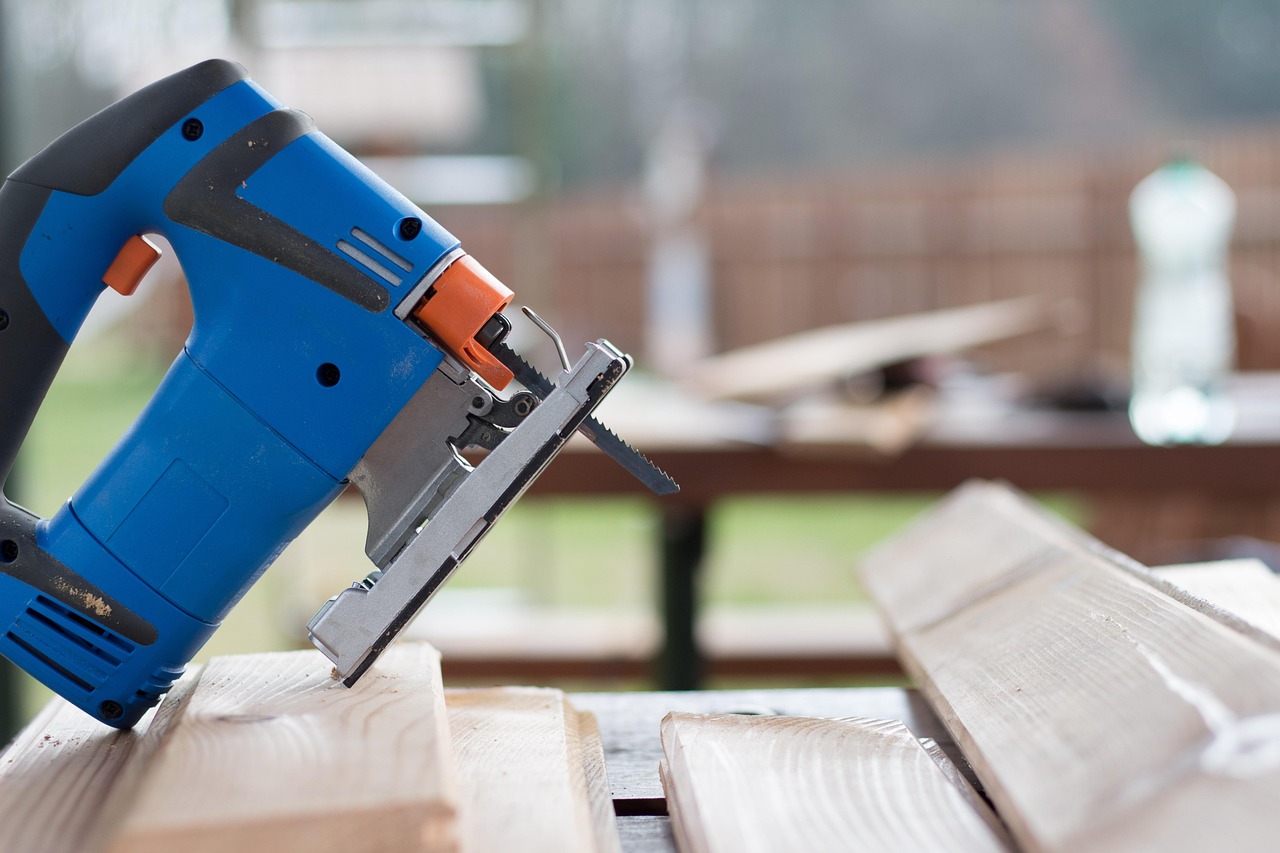
Compact reciprocating saws, also known as sawzalls in smaller body, target electricians, plumbers, and anyone else who might be working in a tighter space. These compact reciprocating saws are only around fourteen inch in length and will weigh less than six pounds.
The short nose of these saws will allow worker to reach into spaces between studs that sixteen inches on center. Additionally, it will allow them to push the blade into a pipe without having to dismantle the wall. Compact reciprocating saws sacrifice some of the raw power of the tool to gain the agility that these saws offer.
These saws excel at task like trimming copper pipe, notching the joists for a new duct, or even removing a single bolt from a car engine. Compact reciprocating saws will struggle to cut through thick timber, just like a full-sized demolition saw. But for those who work in tight space, compact reciprocating saws are the tool of choice rather than one that sit in the toolbox that gathers the dust.
4. Heavy Duty Reciprocating Saws
The opposite extreme of compact reciprocating saws are the heavy-duty reciprocating saws. The blade on these saws have a full 1-1/4 inch stroke and will chew through the material faster due to the increased power. These saws are used by demolition crew who have to remove heavy walls or flooring.
Because these saws feature such aggressive blade, there is less rubbing action on the blade, which means less heat and blade wear. These saws will weigh more than nine pounds and put more strain on the worker over time. A worker might have to be physically fit to use these tool as much as possible.
Manufacturers put counterweight into these saws to even out the vibration caused by the heavy blade. However, after a few hour of use, the worker will feel the vibration in his forearm. These saws are used when worker need to get the job done in half the time that a standard saw can take to complete the same job.
5. Variable Speed Reciprocating Saws
Some reciprocating saws feature variable speed to allow the worker to adjust the saw to the material they are cutting. For materials like cast iron or ceramic tile, the worker must slow the saw to avoid shattering the material or ruining the blade. For materials like soft pine or drywall, workers will find it easier to increase the speed at which the reciprocating saw move.
Using a single-speed saw will destroy three blade trying to cut through rebar. The electronic that allow these tools to feature variable speeds will help improve the control that the saw offers. Workers can slowly start the saw to position the blade exactly where they would like it.
Then, they can increase the speed at which the saw moves once the blade has bit into the material. This will be of much help for workers who is standing on a ladder with one foot on the edge. Additionally, the added electronic will increase the price of the saw.
However, the amount of money saved on ruined cut and broken blade will pay for the tool within one work season.
6. Orbital Reciprocating Saws
Orbital reciprocating saws will feature a slight rocking up and down motion to help saw chip out of the workpiece at a faster rate when cutting wood. These saws will make it easier for the worker to progress through dimensional lumber or tree branch.
The orbital feature will allow the saw to be adjusted from zero to maximum orbital motion so that a worker can switch between woodworking and metal work without having to change tool. The cons of orbital saws will show up when cutting thin material to a precise measurement. The rocking motion of the blade will cause the saw to make a wavy cut in the material.
For this reason, finish carpenter will use orbital saws for rough work and standard reciprocating saws for the work that requires a precise cut. However, for most work with softer material, the worker will not notice the advantage of this feature until they try to buy one of these tool.
7. One Handed Reciprocating Saws
One-handed reciprocating saws are designed with a smaller handle and balance point that allow the worker to operate the saw with one hand.
These saws weigh around four pounds and are barely a foot in length. These saws will be perfect for working in the attic,
