
Drill bits may appear to be simple object that can be easily incorporated into a power drill and used to accomplish a variety of tasks. However, when using different material or when precision in drilling is required, the metal shaft of the bit becomes more important. The shank of the drill bit is the part of the bit that the chuck of the drill grip, and the design of the shank dictates in what ways the bit will perform when it is in use.
For instance, the design will determine if the bit will spin in a drill proper, if it will slip within the chuck of the drill, and if it will damage the valuable chuck of the drill. If the wrong shank is used for a specific task, metallic sound will be heard from the drill, as well as the sensation of wasted effort applying to the drill bit. Most individual do not consider the shank of the drill bit until the bit is moving across the workpiece or until the drill begins to make loud noise.
By this time, the damage to the tool or the workpiece has usualy been done. However, there are only a few different shank design for the tasks that most individuals will perform in their homes or work environments. If individuals learn the different shank designs for drill bits, they will not have to guess what drill bit should be used for a specific tool.
Instead, they will know which drill bit should be performed in which tool, and they will understand the reasoning for using that specific drill bit within that tool. The first type of shank that we will discuss is the straight shank. Straight shanks are the most common and plain shank design.
Common Types of Drill Bit Shanks
1. Straight Shank
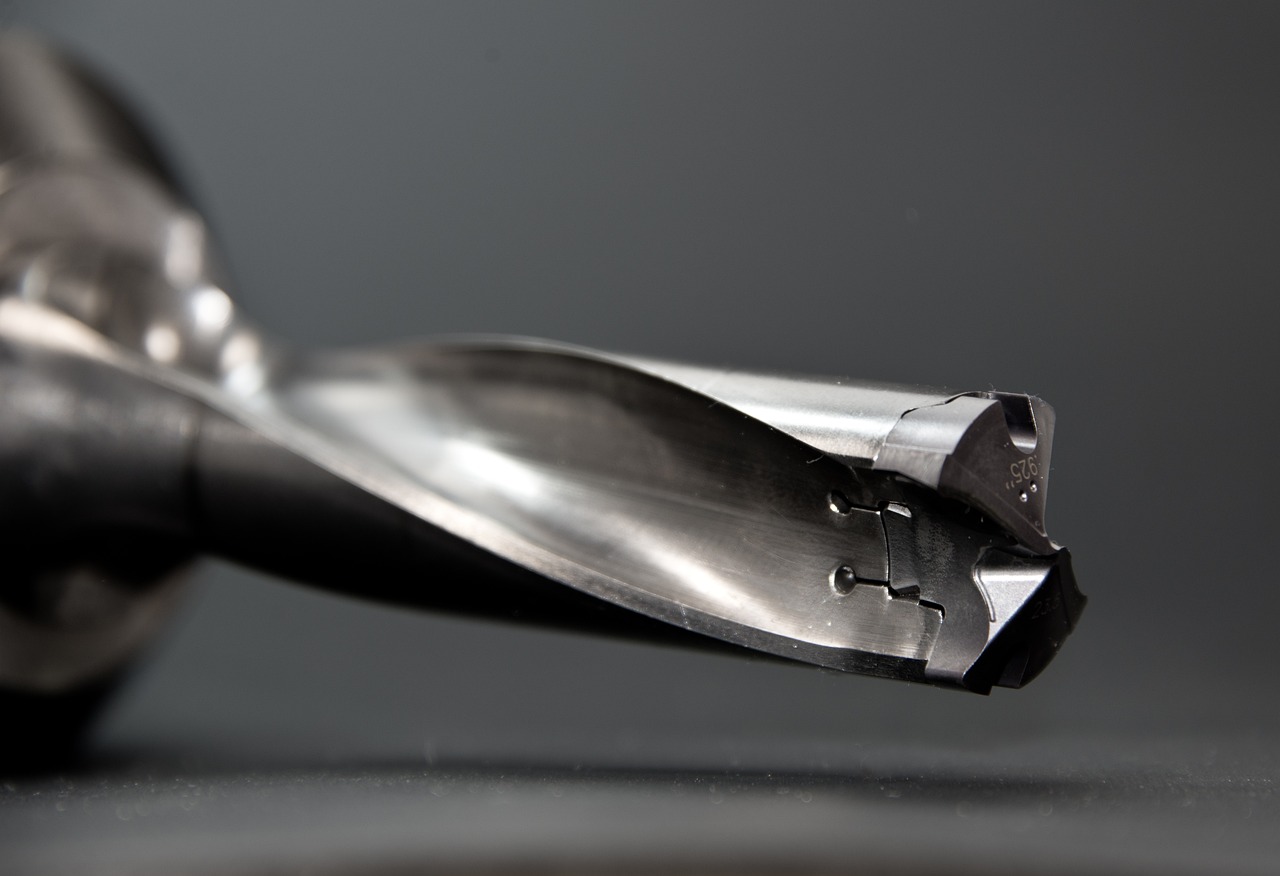
Straight shanks are used for the majority of twist bits. The straight shank rely upon the three-jaw chuck of the drill to secure the bit to the drill. For these types of bits, the condition of the three-jaw chuck will have a significant impact upon the performance of the drill bit.
The straight shank is inexpensive to manufacture, easy to center within the drill, and available in a variety of size. The reason that most tool manufacturers use this type of shank is that it is universal and can be used in most application. However, if too much pressure is placed upon the tool with a straight shank, the bit may spin within the chuck jaws.
This spinning may lead to the formation of polished flat spot on the shank. Such wear and spinning can be frustrating for the individual using the drill. A straight shank bit is useful for most cutting operation in wood, plastic, and metal.
2. Hex Shank
The next shank design that we will cover is the hex shank. The first time an individual encounters a drill bit with a hex shank, it may feel as though they have discovered something new. The hex shank feature six flat sides to the shank, as well as a small groove that is created near the end of the shank.
These types of shanks became popular with the production of quick change bit holder for cordless drills and impact drivers. These flat sides of the shank allow for the drill tool to hold the bit securely, even with the force of an impact driver. If an individual has ever driven a screw into wood without the bit slipping or the shank spinning, it is likely that the tool being used was one that features a hex shank.
Most moddern drill also feature a quick release collar for the bits, which is why the use of the hex shank is so popular in the trades. The only limitation of the hex shank is in the availability of sizes for the shank. For instance, there are no ¾-inch spade bits with a hex shank design.
However, the design is effective for bits up to ⅜ inch in size. The next shank design to review is the SDS shank. SDS stands for Slotted Drive System, though most will refer to it as an SDS-Plus or SDS-Max shank if it is in a specific size.
3. SDS Shank
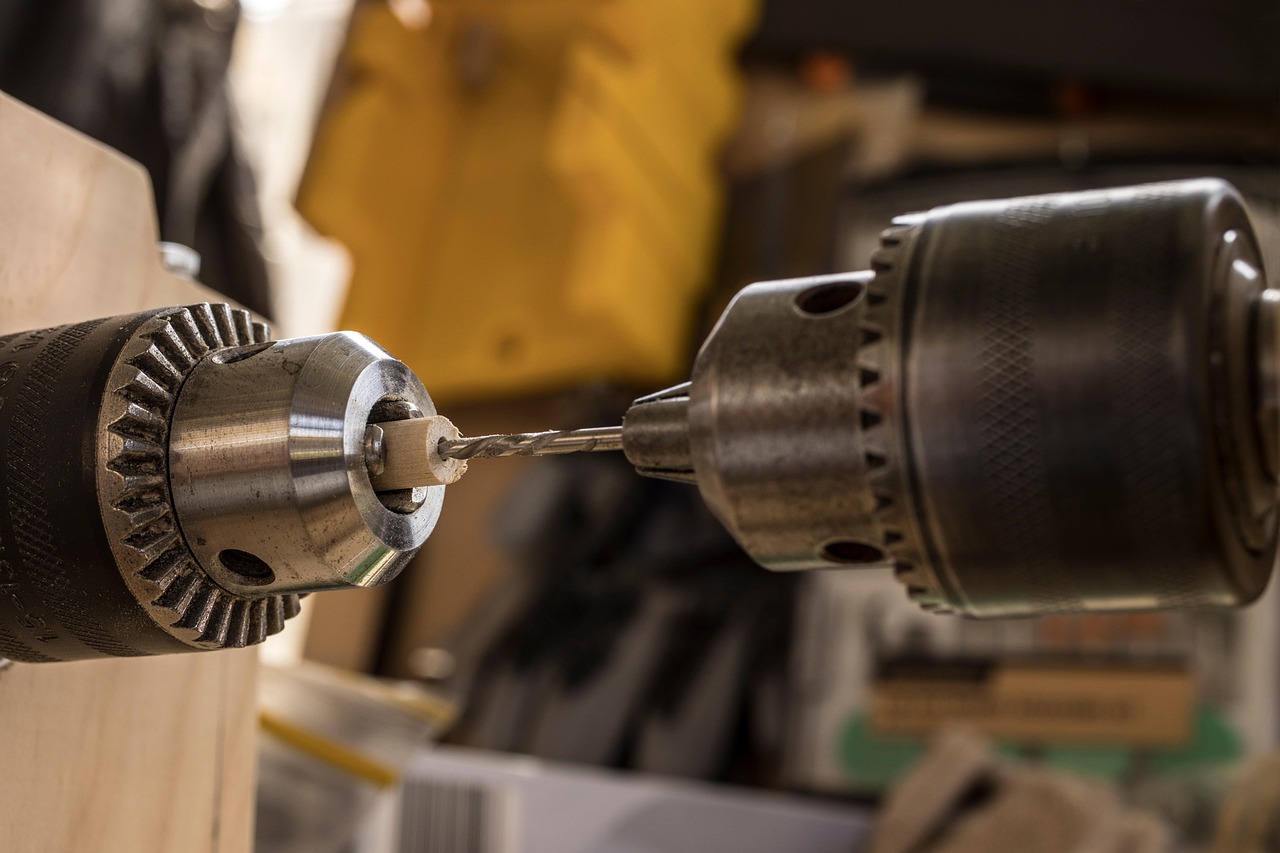
These shanks are used in large bits for rotary hammers, as they are used to drill into concrete. These SDS shanks has two or four grooves in their design. When inserted into a rotary drill, the shank of the bit locks into splines created within the drill chuck.
The SDS shank allows for the bit to slide in relation to the drill bit while still allowing it to rotate. This allows for the piston within the rotary drill to strike the bit at a rate of thirty strikes per second, which prevent the destruction of the motor. If an individual attempts to drill into cured concrete with a conventional drill with a straight-shank bit, they will notice the difference in performance.
An SDS shank allow for easier drilling into concrete. However, there are some disadvantage to this shank. SDS bits and chucks are expensive.
Additionally, the SDS bit cannot be used in a regular cordless drill. Each of these shank designs have their own specific category for their tools; each design is created for a specific reason. The next shank design will be discussed is the reduced-shank bit.
4. Reduced Shank
These types of bits were created to overcome a specific problem. Specifically, when large diameter drill bits are required, the chuck of the drill may not be able to accommodate the size of the bit. A reduced-shank bit features the correct size of bit at the cutting end, but its shank reduce in size to one that can be accepted by the drill bit.
These types of bits may appear as if they are small rocket; they have a large cutting end and a thin shank. These types of bits allow for individuals to use large sized bits in smaller drill. However, due to the thinner diameter of the shank relative to the cutting end, care must be taken when using these bits.
The shank may whip or bend if too much pressure is placed upon the bit. The feed rate must be controlled when using these bits, as well as the strength of the drill. As long as they are used with care, these types of bits are very useful.
If misused, they will become scrap metal. The next shank design to review is the tapered shank. Tapered shanks are an older shank design.
5. Tapered Shank
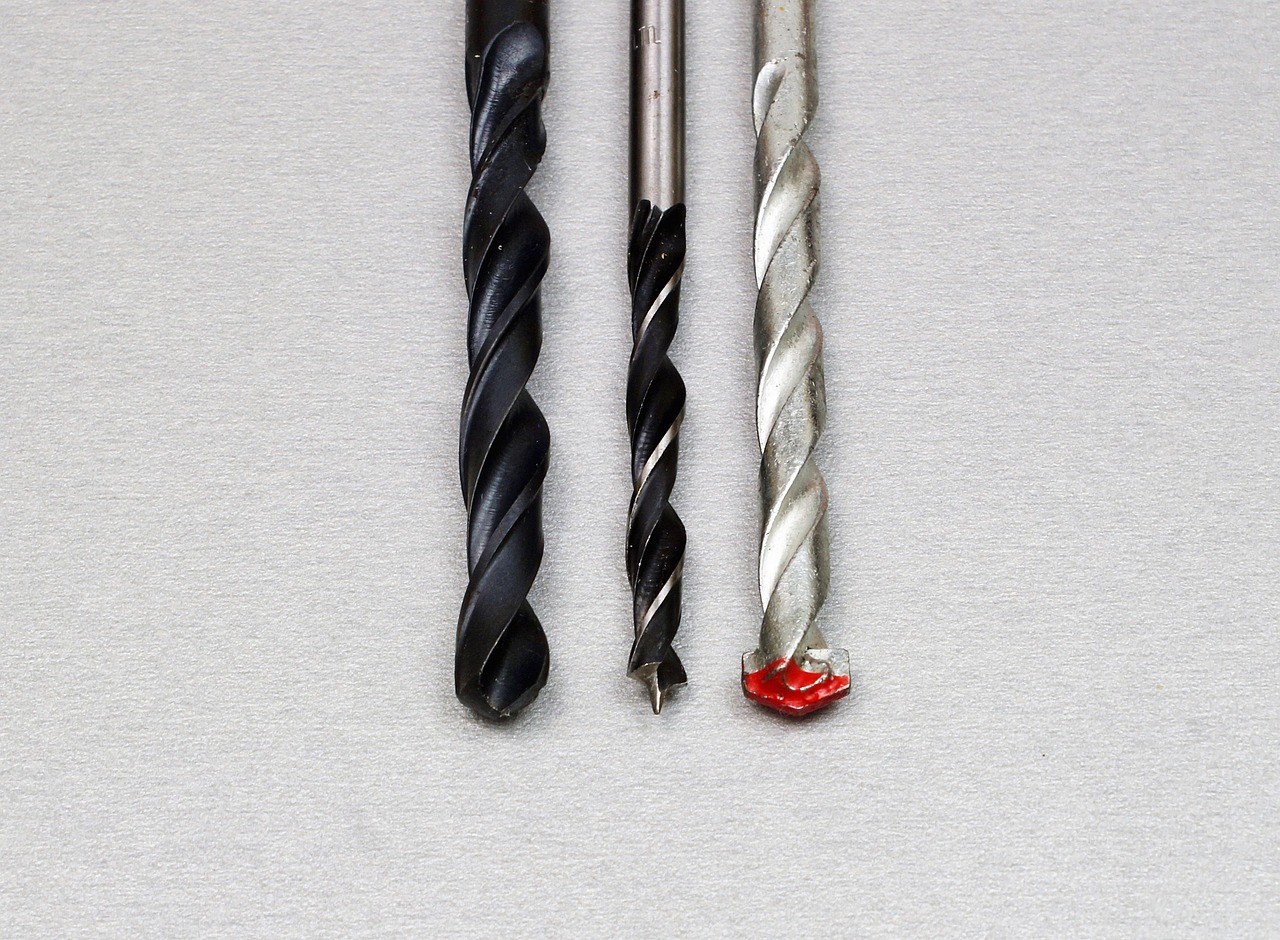
Many drill press and many of the older milling machines featured a tapered shank for drill bits. These shanks are created in a way that is cone-shaped, or tapered. They are labeled from Morse Taper #1 through Morse Taper #6 for different sizes of drill bits.
To use a drill bit with a tapered shank, the bit is tapped into a female taper created within the milling machine or drill press. The friction between the tapered shank and the female taper within the tool will hold the bit in place. The bit will seat more fully into the machine as it performs more demanding milling task.
The bit can be released by hitting the shank with a sharp strike from a drift pin. Machinists use drill bits with taper shanks because they tend to run in a straight line, and because the bit does not require a chuck to accept the bit. Woodworkers may encounter tapered shanks on tools such as the antique brace and bit set tools, which use a square taper shank to allow the bits to enter the brace.
By restoring antique tools, individuals will encounter tools with a tapered shank. Such shanks are a curiosity for most other individual, though. The next shank design that we will discuss is the tri-flute shank.
6. Tri-flute Shank
This is a newer shank design for drill bits, and it has been created to overcome one specific frustration. Tri-flute shanks are mainly used for hammer drill that are working within masonry. These shanks have three rounded flute along their length.
The three flutes allow for the dust to escape from the hole that is drilled, and the rounded edges of the shank allow the tool to withstand the forces of the masonry without developing notches that may destroy the bit. For individuals who perform masonry task, using a tri-flute shank will increase the life of their drill bits. Additionally, the bits have been manufactured in a way that allows them to work within both SDS-Plus chucks and three-jaw chucks.
This versatility of the tri-flute shank cost more money than other bits. However, for those individuals who perform masonry work, the additional cost is worth the price. The last shank design to be discussed is the specialty shank.
7. Specialty Shank
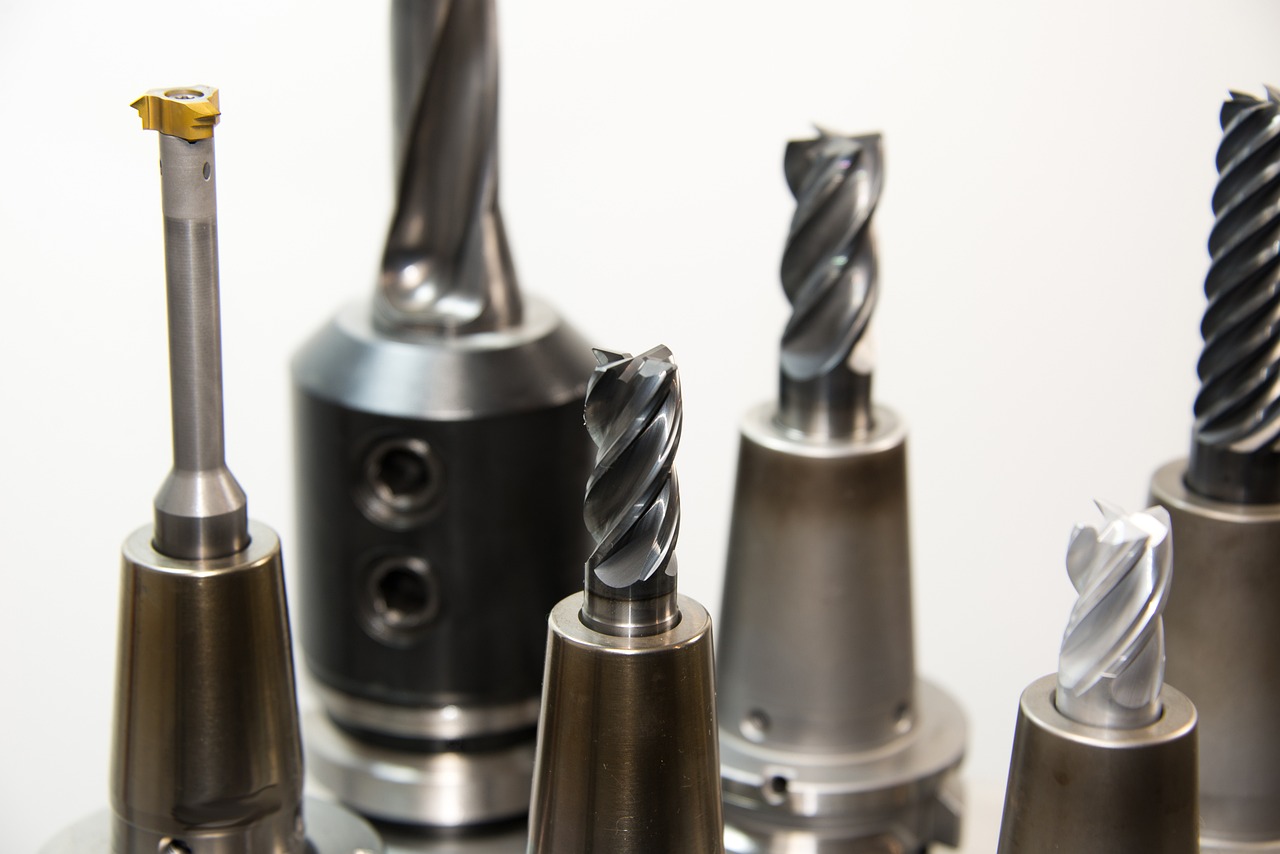
There is no single category for specialty shanks. For instance, auger bits has square shanks and are used with hand braces. Additionally, screwdriver bits have double-hex shanks for bits that are used in an impact drill.
Finally, very large bits used for demolition have splined shanks. These specialty shanks were created to overcome a need for a tool to solve a specific problem. For instance, the square shank will not spin within a wooden brace, no matter how much force is applied.
The splined shank of a drill bit for a rotary hammer can take the heavy force of a ¾-inch rotary hammer drilling into rebar-reinforced concrete. By learning to recognize the different type of shanks, individuals can avoid forcing one into another machine. The results of forcing one into another will likely be the destruction of the bit and the chuck.
The most important task is to ensure that the shank of the drill bit match the appropriate tool, the appropriate material, and the appropriate task for which the tool is intended. Using the wrong type of drill bit for a task will lead to frustration for the individual. For instance, a drill bit with an SDS shank is useless within a cordless drill.
A twist bit with a straight shank will become frustrating in an impact driver. Each of these design have specific reasons for their creation. By mastering the knowledge of each shank design, individuals can feel confident when purchasing tool at the hardware store.
The next time that an individual hears metallic chatter from a drill bit or sees a drill bit spinning without any work being performed, they should remember the information about the shank of the drill bit. By listening to the sound that are made by the drill bit, individuals can quickly recognize which shank design is performing poorly, if at all. With the proper understanding of the different shanks of drill bits, individuals will be able to complete their project more easly.
The small, cylindrical portion of a drill bit that accepts the drill tool is the part of the drill bit that will decide how well their project is completed.
