

The proper selection of an tile saw can make the bathroom remodeling process that difficult task become a smooth project. These saws can clip through porcelain, ceramic, and stone materials with precision. Additionally, the precision that a tile saw can provide is much better than a manual tile cutter can produce.
When a person enter a store, though, there are many different types of saws for tile. It is helpful for a person to understand the different types of saws so that a person dont end up with one that is too large for the work that a person will do or one that cannot complete the projects that is needed. The different types of tile saws can differ in many aspects.
A person can consider how the saw is built, how it moves, and the types of projects that the designers conceptualized for these saws when the designs were made. Each saw has its strengths and limitations. Once a person understands what each saw can do, its easy for a person to determine which saw is appropriate for their needs.
Common Types of Tile Saws to Know
1. Wet Tile Saws with Sliding Rails
The first type of saw that a person should consider is the wet tile saws that feature sliding rails. These saws are the workhorses of the wet saw category. A wet tile saw features a motorized diamond blade, and a pump sends water over the tile saw.
A person can push the tile through the saw, or the person can move the saw along a rail while the tile remains in place. The water cools the saw, minimizes the amount of dust that is created during cutting, and ensures that the cut edges of the ceramic or stone materials isnt chipped. These saws can cut many types of materials, including 12-inch floor tiles and glass tiles.
However, the size of the saw can be a disadvantage for some projects. A person will typically need a large workspace and will have to water the saw. This saw can be too large for one backsplash tile project.
2. Portable Wet Tile Saws
A second type of saw is the portable wet tile saws. These saws use many of the same features as the saws with sliding rails. However, the portable saws are smaller and one person can carry them with one hand.
These tools are also lighter in weight and take up less space in the car trunk. Since one person carries these saws to the work site, they are popular among those who will only be working with one floor at a time. However, there is a trade-off for the convenience of being able to move the saw from location to location.
A person will find that the capacity and the precision of the saw will be limited. Most portable saws will have a maximum cutting capacity of 24 inches and will require a bit more effort to ensure that the edges are even on the tile. However, for backsplashes in the kitchen or small bathroom floors, a person can achieve professional results without having to set up a stationary saw.
3. Tabletop Wet Tile Saws
The third type of saw is the tabletop wet tile saws. These saws are somewhere in the middle in terms of size and portability. A tabletop saw features a larger tray for the water and a more powerful motor.
The saw does not move and is positioned in one spot on the workbench. Additionally, there are dual rails on which the saw rides that provide more even movement than a portable saw. These saws often have miter guides to allow people to cut tiles to a specific angle.
The tabletop saw is perfect for doing a few projects in the garage or on the driveway where the saw wont need to be moved often.
4. Manual Tile Cutters
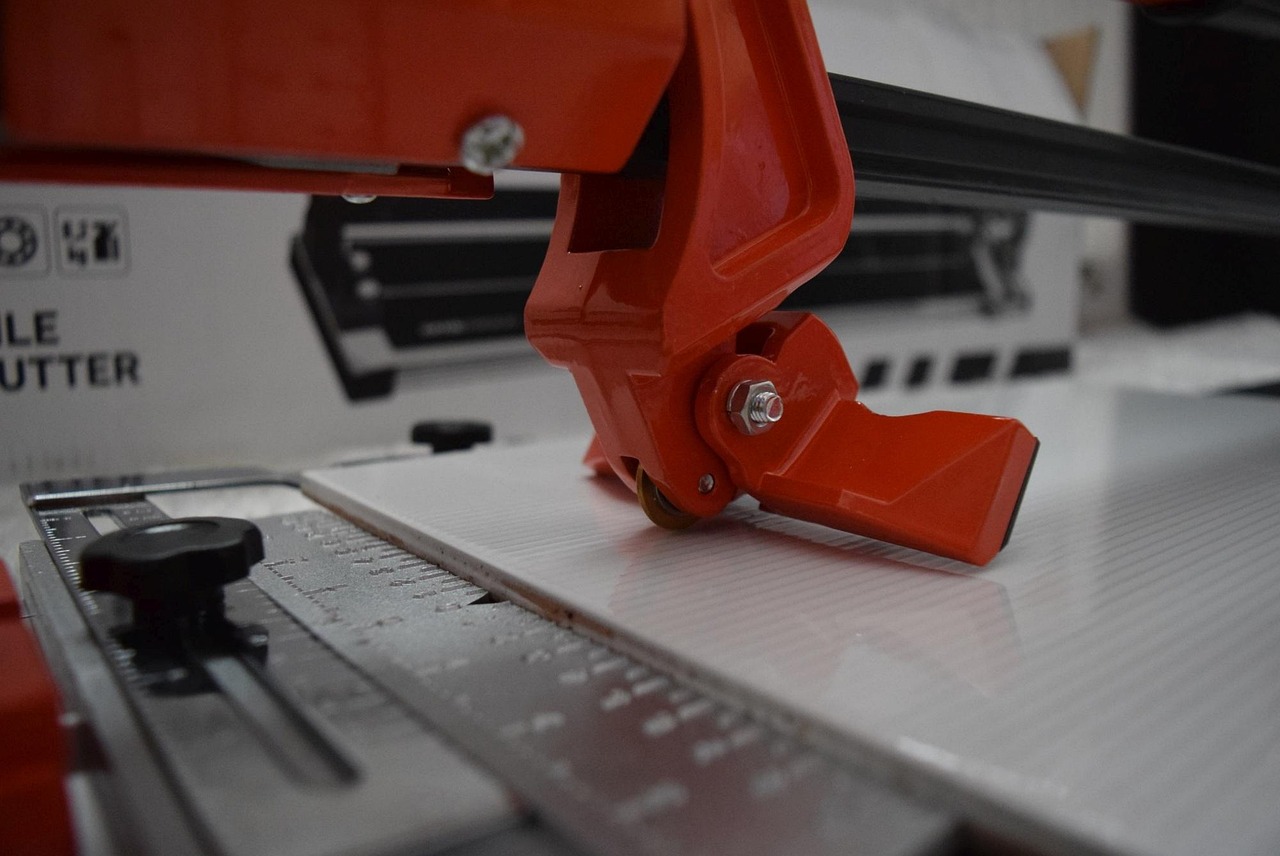
The fourth type of saw are manual tile cutters. These cutters, also known as snap cutters, dont require the use of water or electricity.
With these cutters, a person pushes a hardened metal scoring wheel against the tile along a guide. A lever on the saw snaps the tile along the scored line. Manual cutters are used for soft ceramic wall tiles up to 24 inches in width.
The benefits of these tools are that they produce no dust, require little maintenance, and are low cost. However, a person can only cut the tile along a straight line. They will struggle to cut porcelain, stone materials, and will find that any cut other than a straight one will strain the tool.
For these reasons, any project that a person has that includes these difficult materials will require the purchase of a powered saw.
5. Bridge Saws
The last type of saw to discuss are the bridge saws. Bridge saws are common among professional stone and tile fabricators.
These saws utilize a massive steel bridge across a stationary table. A motor mounted above the table moves along the bridge in two separate axes. The saw blades cut slabs of stone and tile materials that is 60 inches in size.
Additionally, the saw must have access to water to cool the blades and you can program it to cut multiple projects at once. The initial purchase cost and the required space to set up a bridge would of been a factor.
