
Wood fasteners is the tools that hold many different items together. Wood fasteners hold together the wooden items that are under your feet, as well as the chair that you are sitting in right now. If you do not choose the proper type of wood fastener for the job, then the items may become loose, the wood may split, or the entire project may fail altogether.
Many people just reach for any type of wood fastener that they can find in the hardware store, and hope that everything works out for them with that particular tool. By understanding the different types of wood fasteners, though, people can make certain that they are working with the material, rather than fight against it. The differences between wood fasteners include their holding power, the appearance of the finished project, the ease of installing the particular type of fastener, and how the wood fastener will expand and contract within the wood over time.
Some types of wood fasteners will have a strong holding power with the wood that they is installed in, while other types of wood fasteners will leave large hole in the wooden item. Other types of wood fasteners will dissapears from the project entirely, while other types of wood fasteners will require more skill to install correctly. Additionally, some types of wood fasteners will fix a problem that the individual did not even know they had in the item that they were about to fasten.
The following list describes the many types of wood fasteners, from the most common to the more specialized types of tools.
Common Types of Wood Fasteners to Use
1. Nails
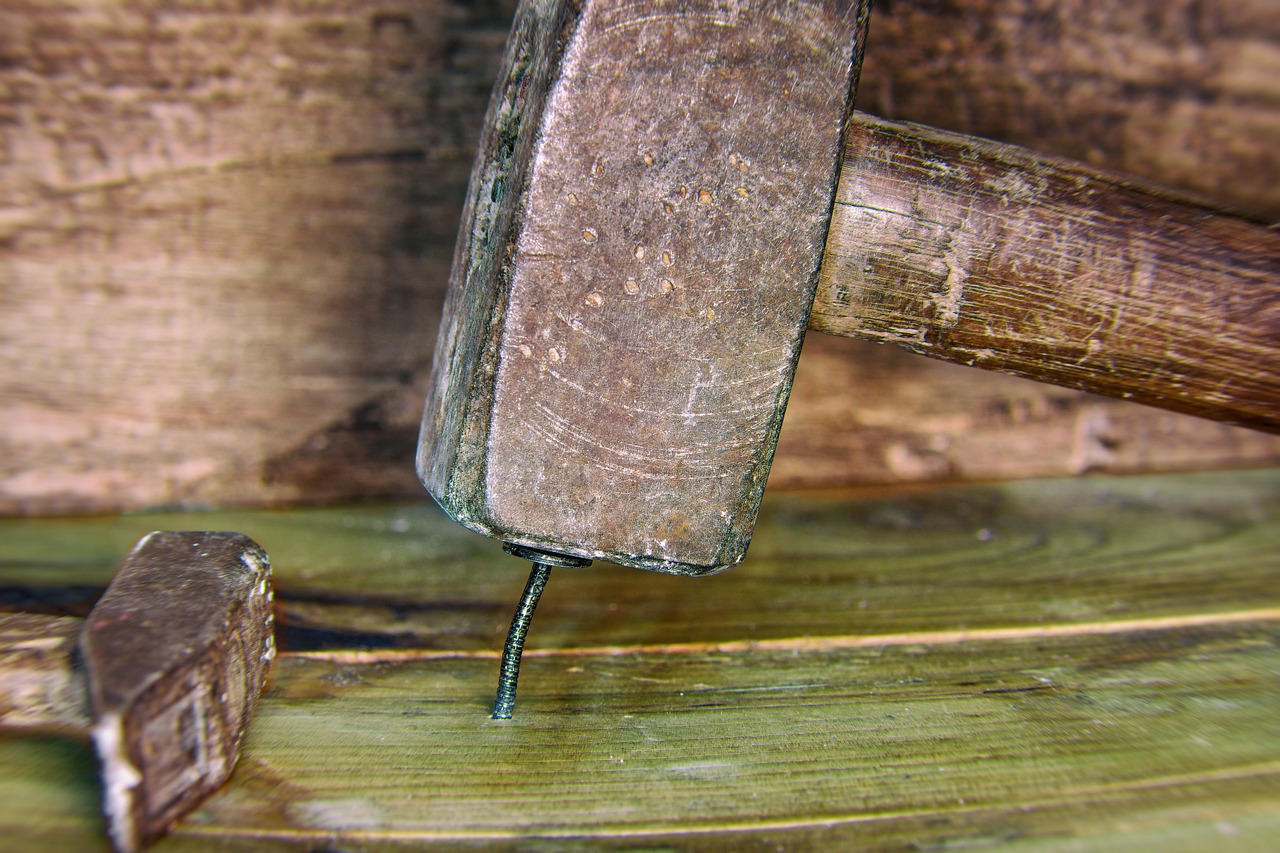
Nails are the original type of wood fastener, and a hammer or a pneumatic tool drive them. These fasteners have strong holding power within the wood items.
2. Common Nails
Common nails have large flat heads, and they have the strongest holding power of the nails, but they leave a dimple in the wood. Finish nails are thinner than common nails, and have smaller heads. The finish nails are used to fill in the hole where another piece of wood will be joined to the item with the finish nail.
3. Ring Shank Nails
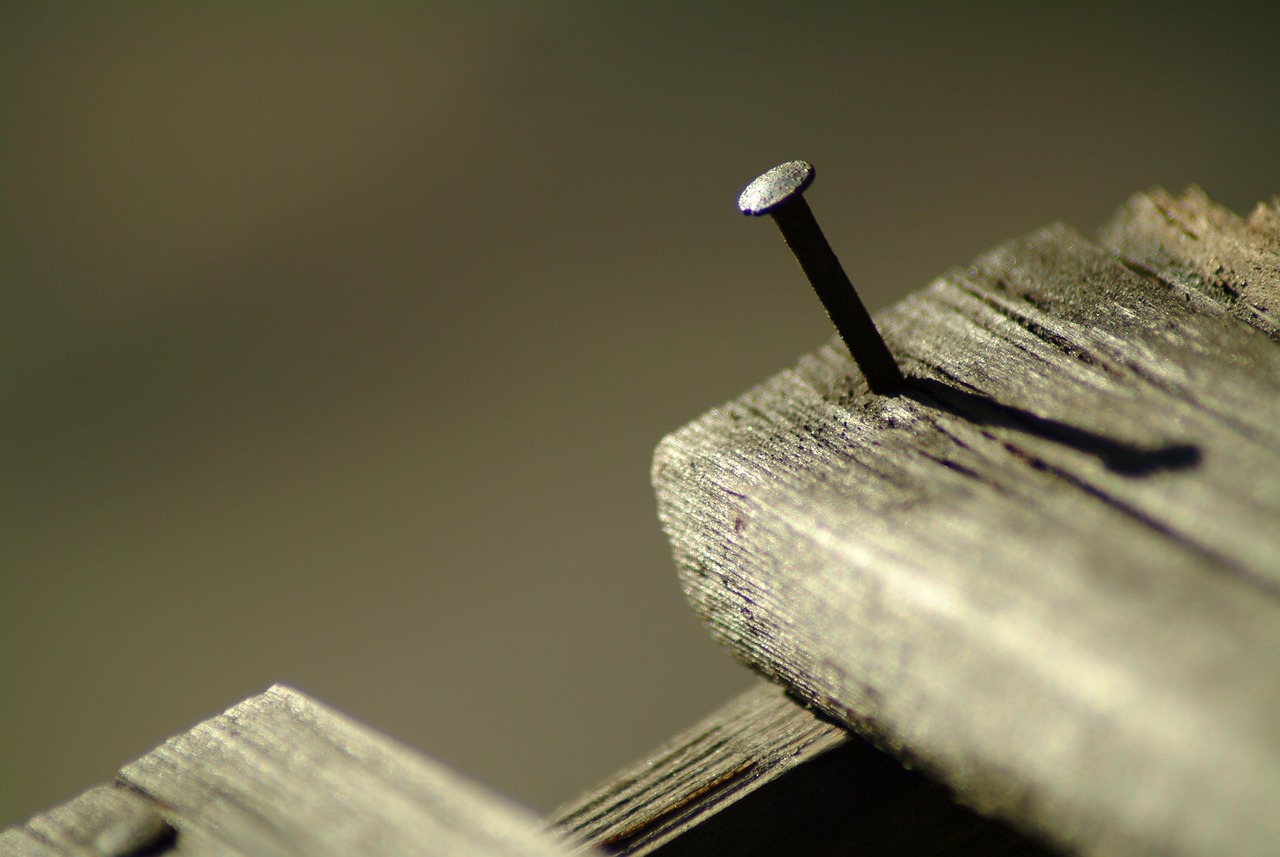
Ring-shank nails have ridges on their shanks that allow them to grip the wood fibers, and are often used for wooden floors or siding on a building. The tradeoff for their design is that they may split the wood if not pre-drilled in thin pieces of wood. Finally, nails are permanent.
They cant be easily remove from the item that they are holding together. Screws allow for a capability to the wooden items that wood nails cannot achieve. There are many different types of screws in the lumberyards, but there are only two types of wood screws that is seen as the dominant types in the world of woodworking.
4. Deck Screws
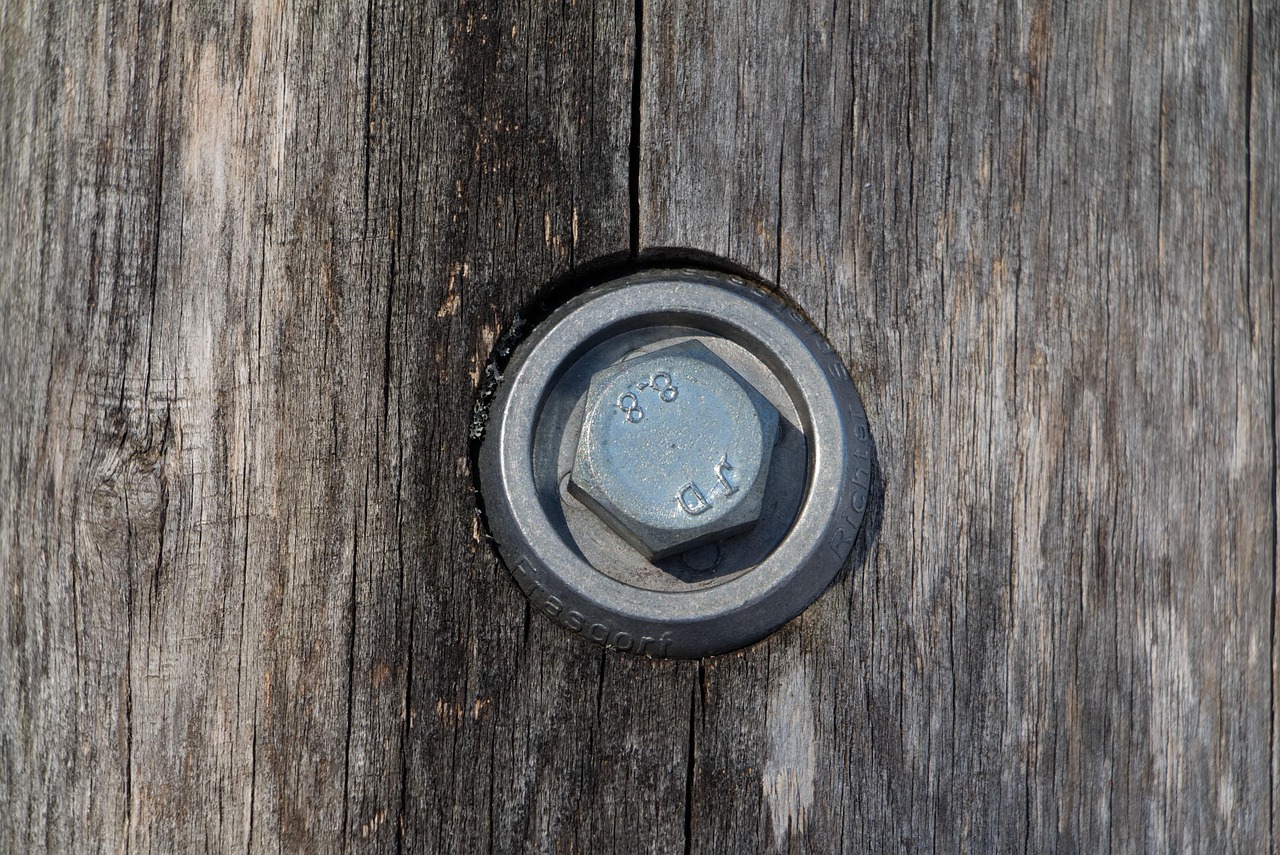
Deck screws have coarse threads, sharp points, and bugle heads that counter sink into the wood. Additionally, the coating of the screw (typically ceramic or galvanized) resists corrosion in the outdoor environments.
5. Wood Screws
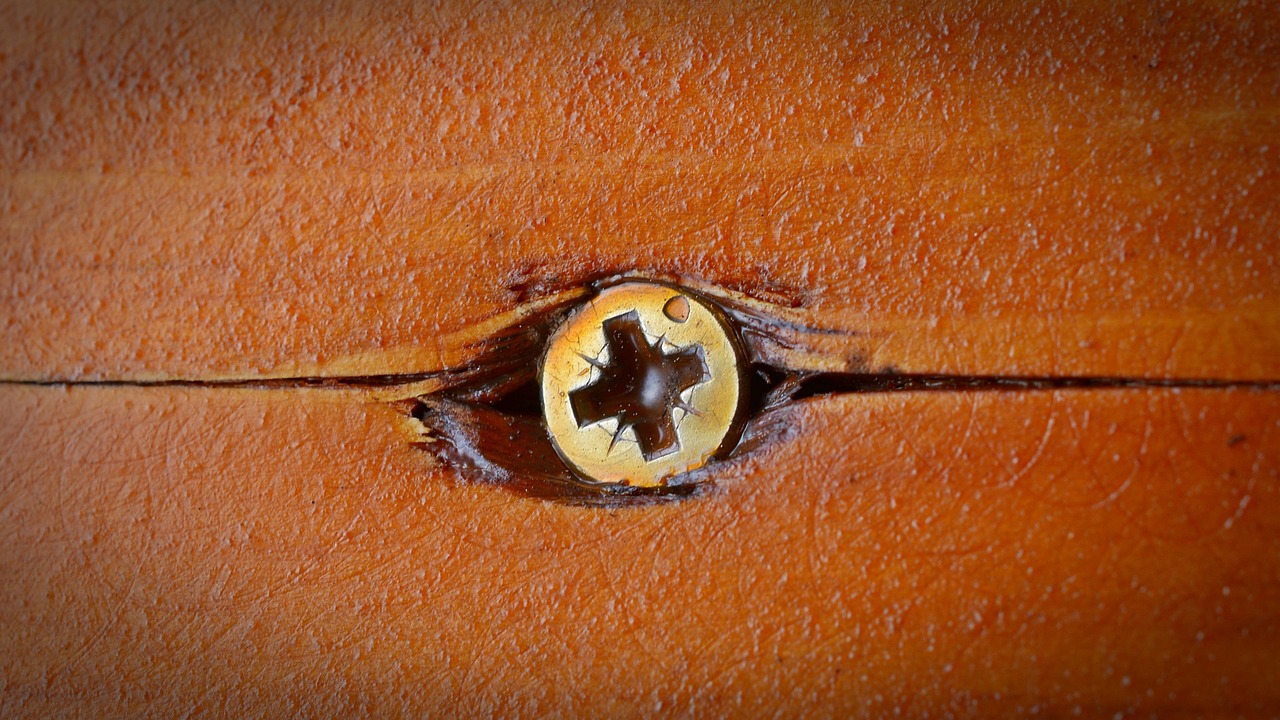
Wood screws have deeper threads near the point of the screw, and are used for hardwoods.
Wood screws require a pilot hole to be drilled into the wood to avoid splitting the wood fibers. The advantage of using screws is that they are removable. If a project becomes crooked or requires adjustment, you can remove and reinsert the screws to correct the problem.
6. Lag Bolts
Lag bolts are thicker than screws, but they work similarly to miniature bolts that go through an item. Lag bolts are heavy with a hex head, and typically are at least half an inch in diameter. Lag bolts are used to secure wooden beams to wooden posts, or ledger boards to wooden housing for the buildings framing structure.
To install a lag bolt, the craftsman must drill a clearance hole through the top wooden board, drill a pilot hole into the second wooden board, and then use a wrench to push the lag bolt into the second board. Lag bolts have coarse threads to grip into the wood, and the hex head of the bolt allow for the application of a great deal of torque when installing the bolt. Lag bolts can handle large amounts of shear loads.
Additionally, a washer must be placed under the lag bolt to even ensure that the lag bolt will not crush the wood fibers against the wooden beam.
7. Carriage Bolts
Carriage bolts are used in situations where the wood may be difficult to access from both sides of the joint. The carriage bolt has a smooth head that sits flush against the wood, and a square shoulder beneath the head of the bolt that locks into the wood.
The carriage bolts are often used for wooden beams and support posts for decks, for instance. The carriage bolt will leave a decorative dome on one side of the wooden project, and only requires the use of a wrench to secure the bolt. However, it is possible for the carriage bolt to pull through soft types of wood if it is overtightened without the addition of a large wood washer beneath the bolt head.
8. Brad Nails
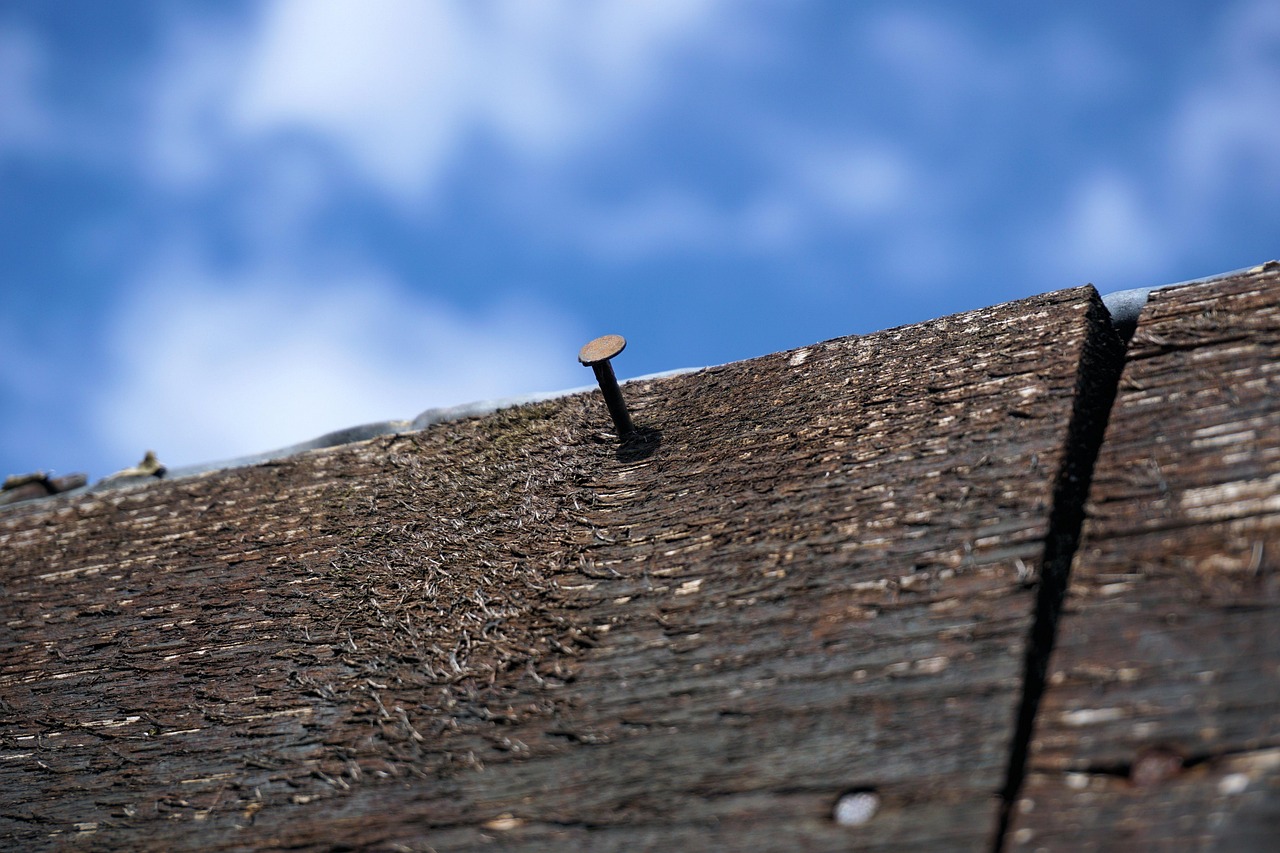
Brad nails are thin and small in diameter, with nearly invisible heads. Brad nails are used for trim and wooden cabinet faces. Because brad nails are thin, they will not split the wood with their installation.
Brad nails hold well to the type of shearing forces that are placed on the wood when the grain of the wood is perpendicular to the brad nail. Brad nails are typically fired from an electric brad nailer. The downside of brad nails is that they may pull out of the wood if subjected to a large shearing force.
Brad nails should never be used as the only type of nail for a chair rail, for instance, where children may pull on the rail.
9. Pocket-Hole Screws
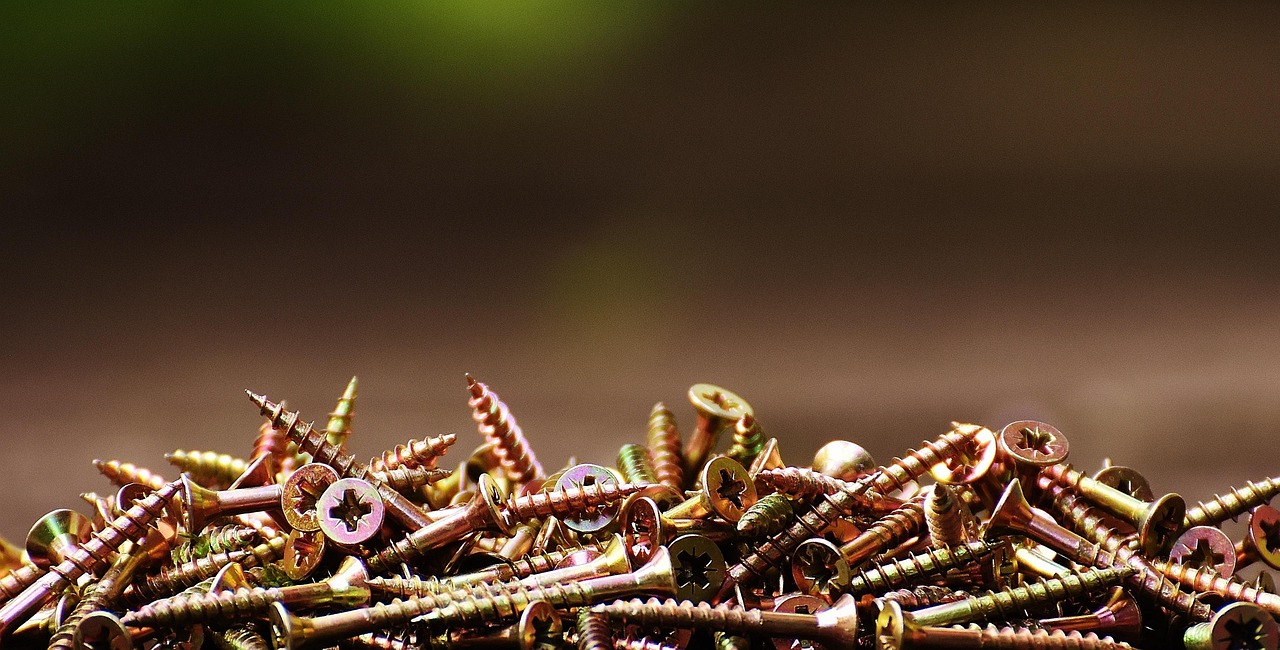
Pocket-hole screws are installed with a jig that allows for strong joints without the need for complex wooden joinery. Pocket-hole screws allow for wooden joints to be made that will not be seen from the finished project, but will securely join the two wooden items together.
Furniture makers often prefer pocket-hole screws for their speed of installation and the strength with which they join the pieces. Additionally, pocket-hole screws allow the craftsman to avoid needing clamps for lengthy periods. The screw itself has square drives and flat bottoms to avoid splitting the wood fibers when installing the screw.
The downside to pocket-hole screws is that the pocket will be visible in the inside of the created wooden object, but many people consider this to be worth the effort to accomplish the screws goal.
10. Dowels
Dowels are small, hardwood cylinders that are inserted into wooden objects that have been drilled to create holes for the dowel to fit within each item. The dowel will ensure that the wooden objects line up perfectly with one another, and will add glue surface between the two objects.
Spiral-grooved dowels will allow excess glue to emerge from the dowel, preventing the glue from splitting the wooden object. Additionally, dowels can be used in wooden panels, in chair rungs, and for any other wooden project where reinforcement is desired. To install dowels, jigs can be purchased for the first time that an individual attempts to use dowels, but thereafter become a required purchase for all that follow.
11. Timber Screws
Beyond the types of wood screws and wood nails are a variety of specialty wood fasteners. Some of these include timber screws, which are also referred to as construction screws. Timber screws are often giant deck screws, but can take specific shear and withdrawal loads.
One six-inch timber screw can replace an entire bolt assembly, saving time and labor for the craftsman. Other specialty fasteners include metal hurricane ties or wooden post bases. Additionally, structural anchors may include steel plates that are attached to the wooden object at multiple points.
These specialty fasteners will not be used for wooden projects for birdhouses or wooden toy chests. However, when the building inspector arrives, these fasteners will be the only ones that the craftsman will need to worry about. When choosing between wood nails and wood screws, the craftworker should consider a few factors.
First, the type of force that will be placed onto the joint with the wood fastener. Additionally, whether the wooden item is to be used as an indoor or outdoor project, and whether the appearance of the joint will be important to the end product. Based off these questions, the wood fastener that will be chosen will become almost automatic for those craftworkers who has a firm understanding of the different types of wood fasteners.
The next time you reach into the bin of wood fasteners at the hardware store, take a second to think about what type of wood fastener would best accomplish the goals of the project. The right type of wood fastener will create a quieter, stronger wooden project for longer periods of time, and will be more satisfying to utilize for those many years to come. Your choice of a wood fastener will determine if your project becomes furniture or firewood.
