
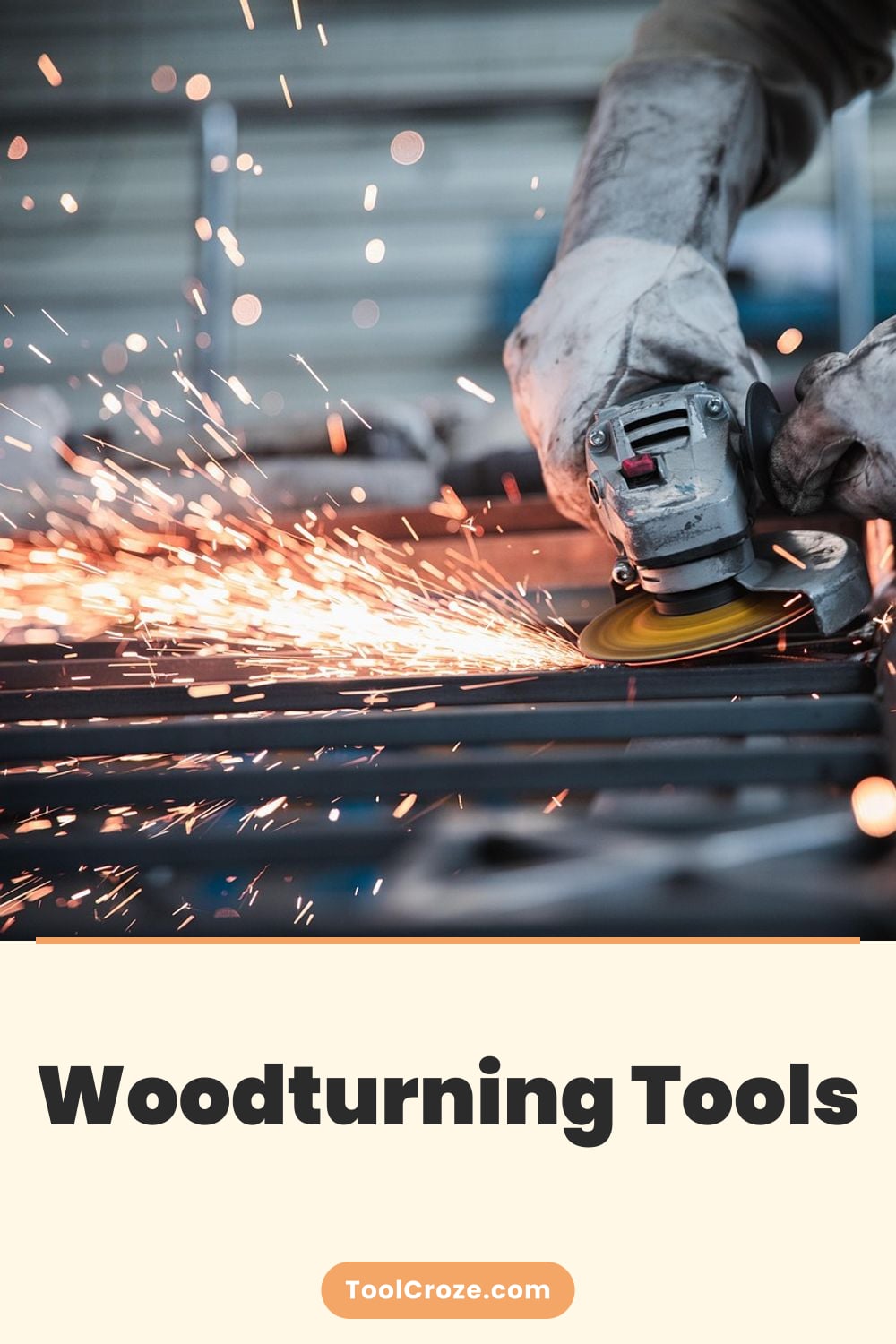
Woodturning can seem like magic to the onlooker who sees a piece of wood being transformed into a stunning decorative piece. A sharp tool removes curls of wood shavings from a spinning block of wood. However, the magic behind woodturning require the craftsman to have the correct tools.
Without the appropriate tool, even the finest woodturning lathe will make it difficult for the craftsman to complete any projects. Woodturning does not require a significant collection of tools to get started or to continue to improve skill over the years. All that is required is a good understanding of each tool that will be used and when to use each tool.
The tools that almost every woodturning project uses are listed in this article, from the tools that are used the most to the specialized tools used for more challenging projects.
Essential Woodturning Tools for Every Project
1. Bowl Gouge
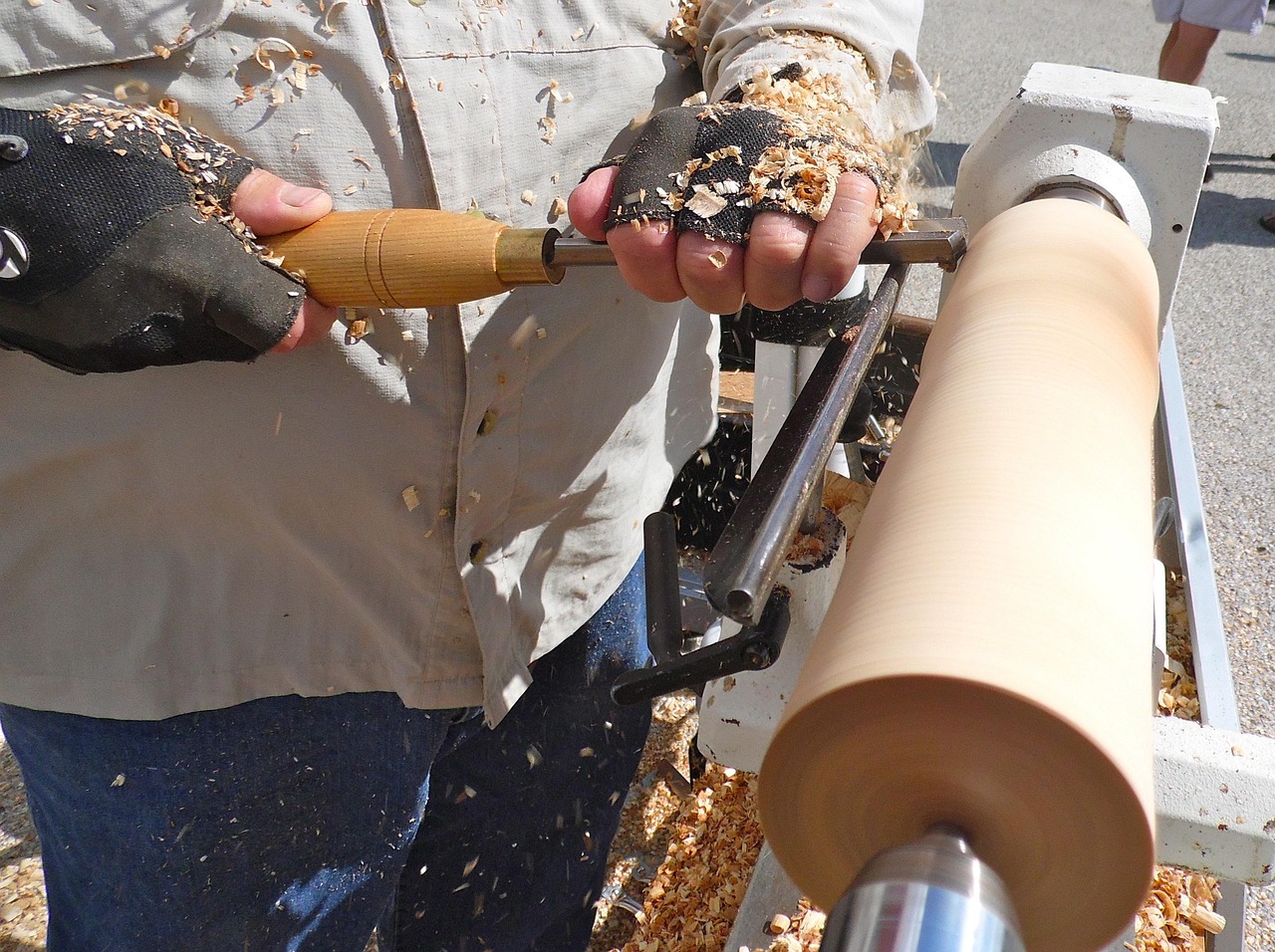
The first tool that should be purchased is a bowl gouge. This tool is used to hollow out the interior of the bowl and also to shape the exterior of a bowl.
A good bowl gouge will have a deep flute that will allow for any chips removed from the wood to be removed from the tool so that the tool does not get caught on the wood. Additionally, a bowl gouge can be designed with a different bevel angle that will allow the craftsman to ride the rest of the tool so that there is less fight with the wood when using it. The most common size of a bowl gouge are 5/8 and 3/4 inches in size.
A bowl gouge is used to create a rough blank of the desired size in a few minute. Once complete, the craftsman can use the same tool to create a refined curve on the bowls edge. A bowl gouge is the most important tool because it can perform 90% of the necessary task to create a bowl.
2. Spindle Roughing Gouge
The next tool that a woodturner should acquire is a spindle roughing gouge. This tool is used for turning a piece of wood between the centers on a lathe. The tool’s broad sweep allow the craftsman to quickly create a cylinder from a piece of stock without leaving flat spots along the piece.
This tool is used for making long turnings like table leg or tool handles. The spindle roughing gouge will remove more wood than any other tool in the initial turning of a blank. However, the tradeoff for the spindle roughing gouge is that this tool is not used for detail work or hollowing.
If kept sharp, the craftsman will use this tool every time they mount a new piece of wood between the headstock and the tailstock of the lathe.
3. Parting Tool
A parting tool can be seen as a very versatile tool for a woodturner’s toolkit. The parting tool may look like a tool that is used only to separate pieces of wood from the lathe.
However, the parting tool may also be used to create shoulders on the wood, to create tenons, to mark the different part of a project, and even in hollowing the project if used carefully on the side of the turnings. The best parting tools will have a slight diamond profile that will allow for the tool to not bind when cutting through the wood. The parting tool can be used to separate thin piece from the blank of wood.
The parting tool will be seen as a valuable tool in a woodturner’s collection because many of the details on the completed projects will be impossible to create without a parting tool.
4. Skew Chisel
A skew chisel will not be the first tool that a new woodturner will want to learn how to use, as it has the potential to catch into the wood if the craftsman does not hold the tool at the right angle. However, once the craftsmen becomes accustomed to using a skew chisel, the craftsman will have wood turnings that do not require sanding.
The skew chisel will plane an entire piece of wood or cut a V-groove into the piece of wood. A skew chisel is held so that the bevel of the tool is in contact with the wood while the blade is held at a 30-degree angle to the piece of wood. Although it may take some time to learn how to hold the skew chisel correctly, the results will be worth the effort.
The glass-like finish on wooden pen or chair legs is another use of skew chisels.
5. Scrapers
To hollow out deeper vessel, a set of scrapers will be needed. Scrapers have ground edges that are particularly good for refining the surfaces of a piece of wood after using a goucing tool to remove most of the wood.
Goucing tools work best with the bevel of the tool to cut the wood, while scrapers work best with the burr on the tool to shear the wood. A round-nose scraper can be used to clean the inside curve of a bowl, while a square scraper can flatten the bottom of a hollow turned vessel. The secret to using scrapers well is to always keep the blade razor sharp and presented at a negative rake angle to the piece of wood.
If used correctly, scrapers will only require a light sanding to be complete. If used incorrectly, scrapers will make dust instead of shavings and may tear the grain of the wood. This difference in outcome is why scrapers are treated with the same respect as gouces.
6. Beading and Parting Tool
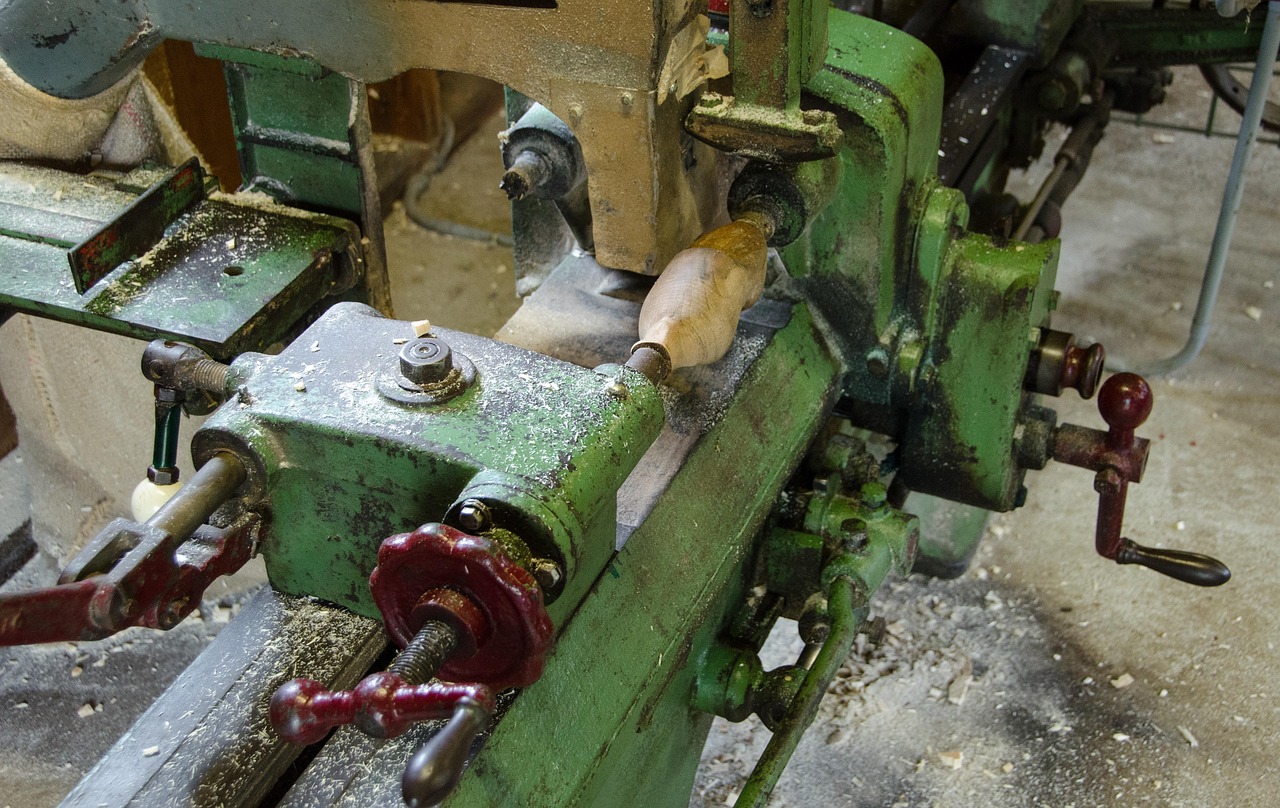
A beading and parting tool is a tool that is somewhere in between a skew chisel and a parting tool. A beading and parting tool has dual bevels that make it easy to cut beads and coves into the turnings of a project. Once the craftsmen has produced several sets of chair turnings, for example, they will appreciate having a tool that ensure that each turning has the same profile.
New woodturners dont require the beading and parting tool on their first day in the shop but it becomes an indispensable tool when producing projects that require the same turnings. The small additional cost of buying a beading and parting tool compared to buying only a parting tool will pay for itself the first time the craftsmen produces two identical turning.
7. Bowl Hook or Ring Tool
If you woodturn bowls from green (unseasoned) wood, a bowl hook or a ring tool will change the way you approach your project.
These tools will allow for hollowing into deep area of the bowls that would otherwise be challenging for a craftsmen to hollow these areas. Additionally, a bowl hook will pull the wood chips out of a narrow opening, and a ring tool will make a shear cut into the end grain of the wood. These two tools will require a different grip on the wood to use effective.
They will also require the craftsmen to pay more attention to the height of the tool rest. However, they will allow the craftsmen to create turnings and hollowings that would otherwise require several glue-ups of the wood. Therefore, if you make natural-edge bowl or hollow closed forms in your project, a bowl hook and a ring tool will change from a luxury to a necessity for the woodturning craft.
8. Carbide Insert Tool
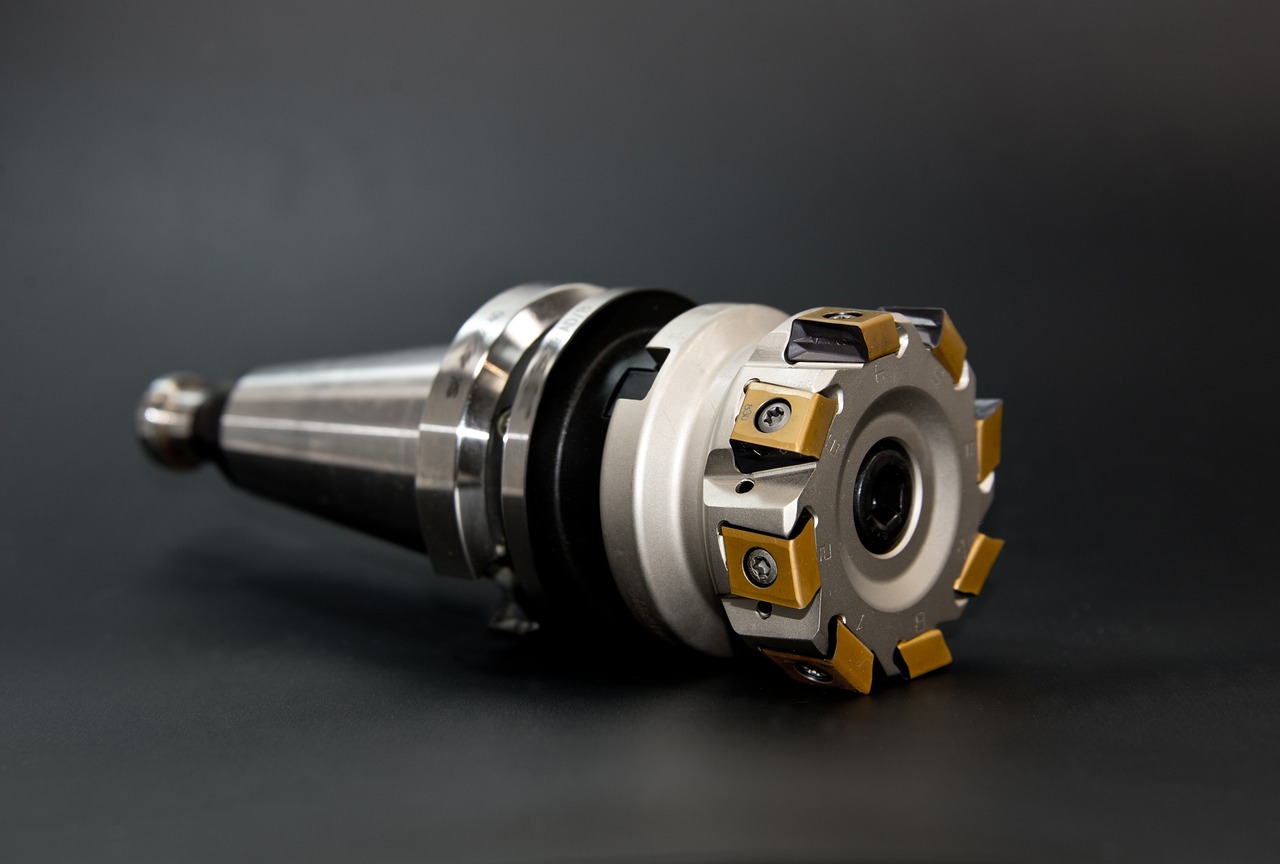
The last tool that can be purchased for a woodturner is a set of carbide insert tool. Many woodturners who are newer to the craft may be fearful of the carbide insert tools because they are relatively new in the world of woodturning. However, carbide insert tools do not need to be honed like high-speed steel tools as often.
Additionally, the carbide insert tools will not dull as quickly when cutting abrasive woods like rosewood. A set of carbide insert tools is helpful for roughing in the initial stages of a project, especially for exotic wood that contain silica. The tradeoff for carbide insert tools is that they will make more dust than ribbons of wood when cutting the project.
Additionally, they can be expensive to purchase and replace when dulled. However, the utility of carbide insert tools is enough to make them a valuable tool for any woodturning shop, even for those who have joint issues that make it challenging to sharpen their tools often. The woodturner’s toolkit is never finished.
Additional tools can be purchased along the craftsmen’s journey to woodturning mastery. However, if you start with the tools listed in this article and learn how to use each of them correctly and efficient, you will find satisfaction in your craft that does not come from having purchased new tools for your toolkit. The curls of wood that are cut from your pieces, the challenges of transforming a block of wood into an object of beauty, and the joy in your eyes when you have finished a project are the true reasons that woodturning will continue to inspire enthusiasts from around the world.
Therefore, start your journey with the tools listed in this article and practice on a pair of forgiving wood before diving into your project of choice.
