
A saw is a tool with a simple name but immense complexity behind it. Using the wrong saw will make it imposible to successfully complete the project in question and will take up valuable hours of your workday. When you enter a hardware store, there are various saw options that one could find, like a metallic zoo.
However, by understanding the different types of saws, you can remove the mystery of these tools. Understanding the tools will allow you to confidently complete every project you undertake. The difference between saws will include the teeth, the blade, and the force that is used to make the cut.
Some saws will be ideal for ripping the material along the grain of the wood. Others will specialize in making cuts across the grain of the wood. Others will focus on making curves in the material.
By understanding each saw and what it can do best, you can avoid purchasing several saws you will not use. This saw will ultimately improve every project you create.
Common Types Of Saws You Should Know
1. Hand Saws
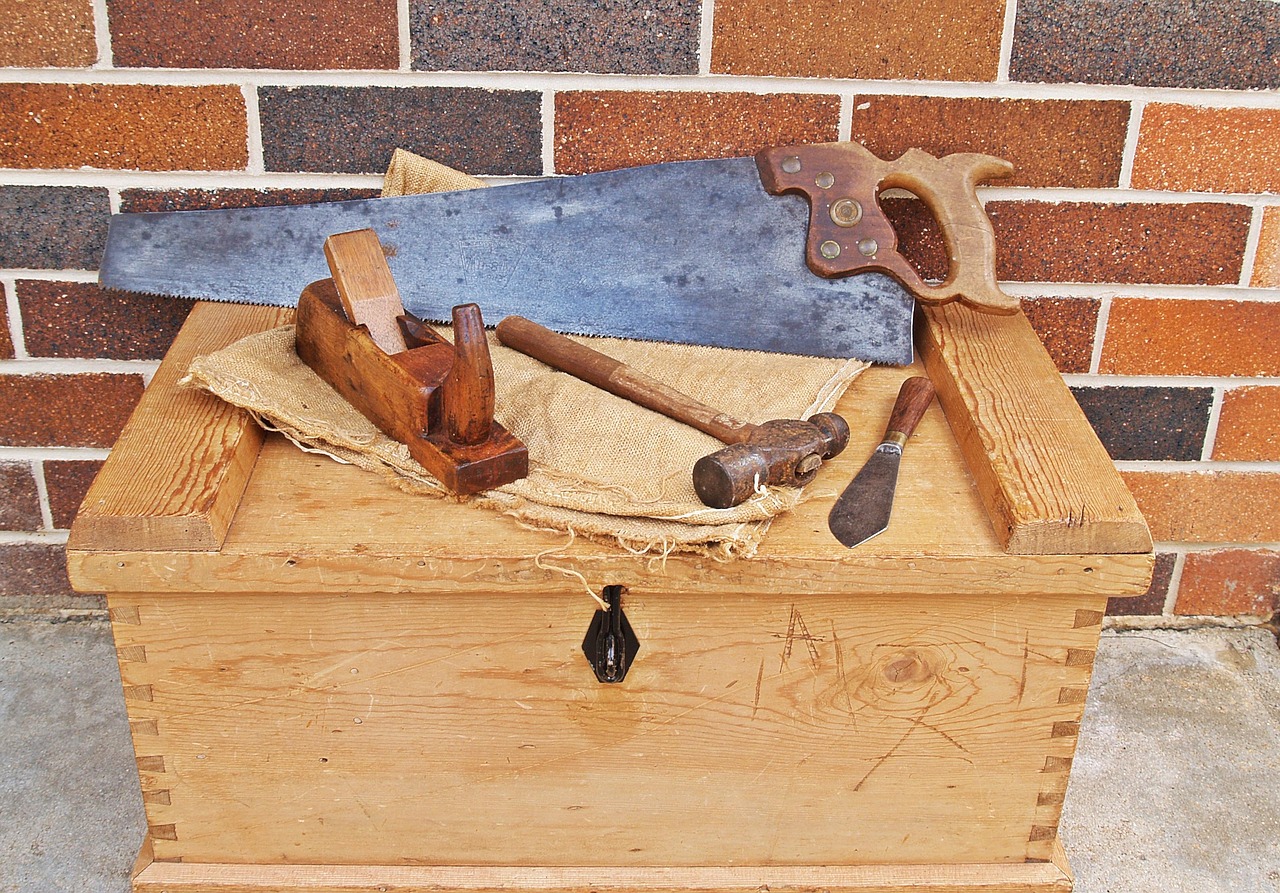
Hand saws are useful for those who work with wood and dont want the noise of a power tool in their workshop.
These saws are lightweight and easy to transport but require more skill when compared to power saws. If a woodworker tunes a hand saw well, a woodworker can feel when the saw is biting into the wood correctly. There is the added benefit of being able to adjust the pressure applied to these saws while they are sawing on the wood.
2. Power Saws
Power saws, however, give up that level of control to provide the speed and repeatability required to cut several boards at once.
3. Circular Saws
The invention of the circular saw changed the construction world when these tools first emerged. These saws feature a spinning carbide blade that can quickly cut through dimensional lumber that would take a construction crew several minutes to cut by hand.
The saw can be moved freely to make a freehand cut or one that lines up to a straightedge tool. These saws have become the primary tool for cutting sheet goods. However, circular saws can be dangerous as the blade can snap backward or move from the saw if not used correctly.
Proper stance and depth adjustments for the saw must become second nature to those who use these tools regularly. A circular saw holds a place near the top of every construction workers toolkit because it can handle many different projects using softwood or plywood. A carpenter will use a circular saw to cut a 2×4 to their desired length.
The same individual will use a circular saw to cut a sheet of OSB to the appropriate size for the flooring of a new home. A circular saw’s advantage for carpenters is that the saw can be taken to the wood instead of having to move several lumber boards to the saw. It should be noted, however, that the saw’s spinning blade will cut the top of the wood.
The reason many finish carpenters will flip the good side of the material down when they are making marks on the wood for a circular saw.
4. Table Saws
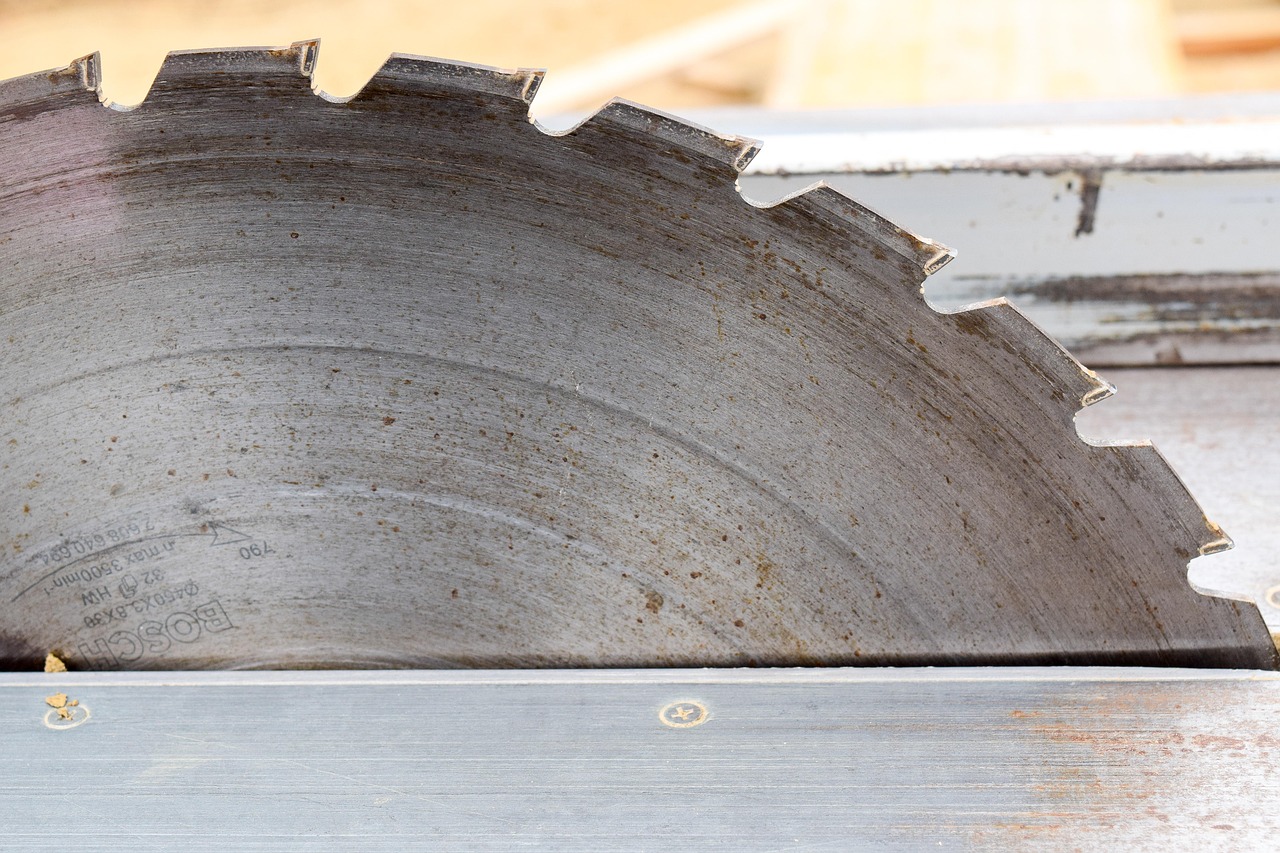
Table saws are a step beyond the capabilities of the circular saw. A table saw allow the carpenter or woodworker to mount a circular blade on a fixed table.
These saws allow for the alignment of the saw to make identical cuts over and over again. Because table saws allow woodworkers to create complex furniture parts, they are the favored saw of furniture makers. A table saw also features dado stacks that will allow the woodworker to make grooves along the lumber.
These saws have become the centerpiece of a workshop that features skilled woodworkers. Table saws appear to demand alot of up-front preparation before beginning the sawing process. The saw must be adjusted to make sure that its blade will cut smooth in the wood that will be sawn.
Once the table saw is properly adjusted, a woodworker can achieve glass-smooth edges in hardwood. These sawn edges will require almost no sanding before use. The benefit of a table saw is the difference between DIY products and professional wood shop products.
5. Miter Saws
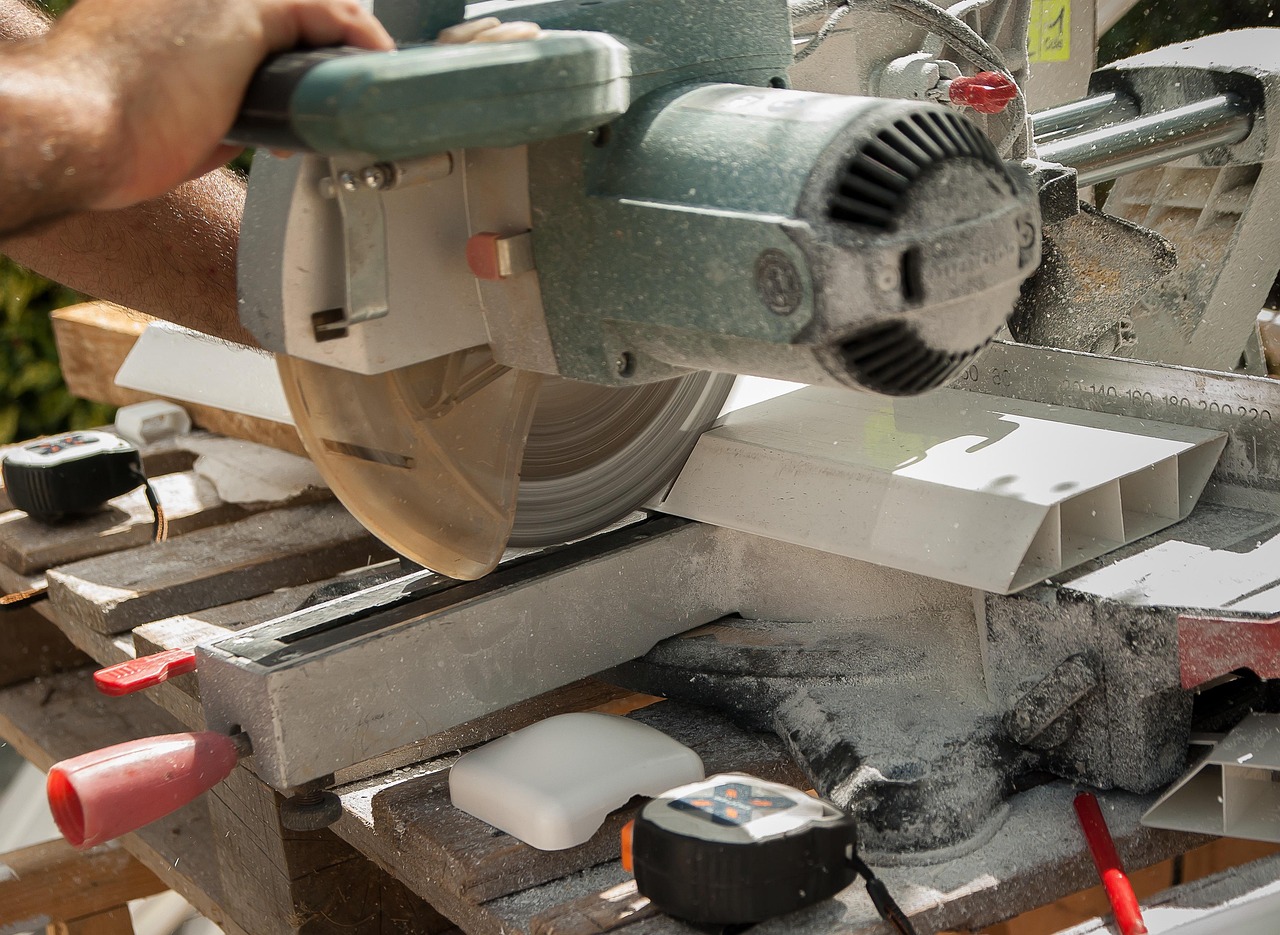
Miter saws will allow a carpenter to make crosscuts in precise angles. These saws will feature a pivoting arm that allows the saw’s blade to drop into the workpiece. The saw can make compound cuts, like those needed for crown molding.
Anyone who installed trim on various parts of a building will appreciate the usefulness of a miter saw. A compound miter saw will extend the range of travel of the saw’s blade and allow it to cut wider boards. One of the advantages of a miter saw will allow a carpenter to make sixteen identical cuts in a project.
The same saw can be used to make sixteen identical picture frames. However, the miter saw will struggle to cut long boards or sheet goods. This limitation on the miter saw is the reason it is located beside the circular saw and the table saw in a workshop.
6. Jigsaws
Jigsaws allow carpenters and woodworkers to make precise curves in the wood. The narrow blade on a jigsaw saw will follow a line drawn with a pencil. Using a fine-tooth blade on a jigsaw saw and cutting slow with the tool will help the saw make these curves.
Jigsaw saws are used to make decorative cutouts in the wood. Other uses for jigsaw saws include cutting coping joints on trim or cutting organic shapes into plywood. However, because the blade on a jigsaw saw can move from its place if using too much force, the tool should be guided, not forced.
7. Band Saws
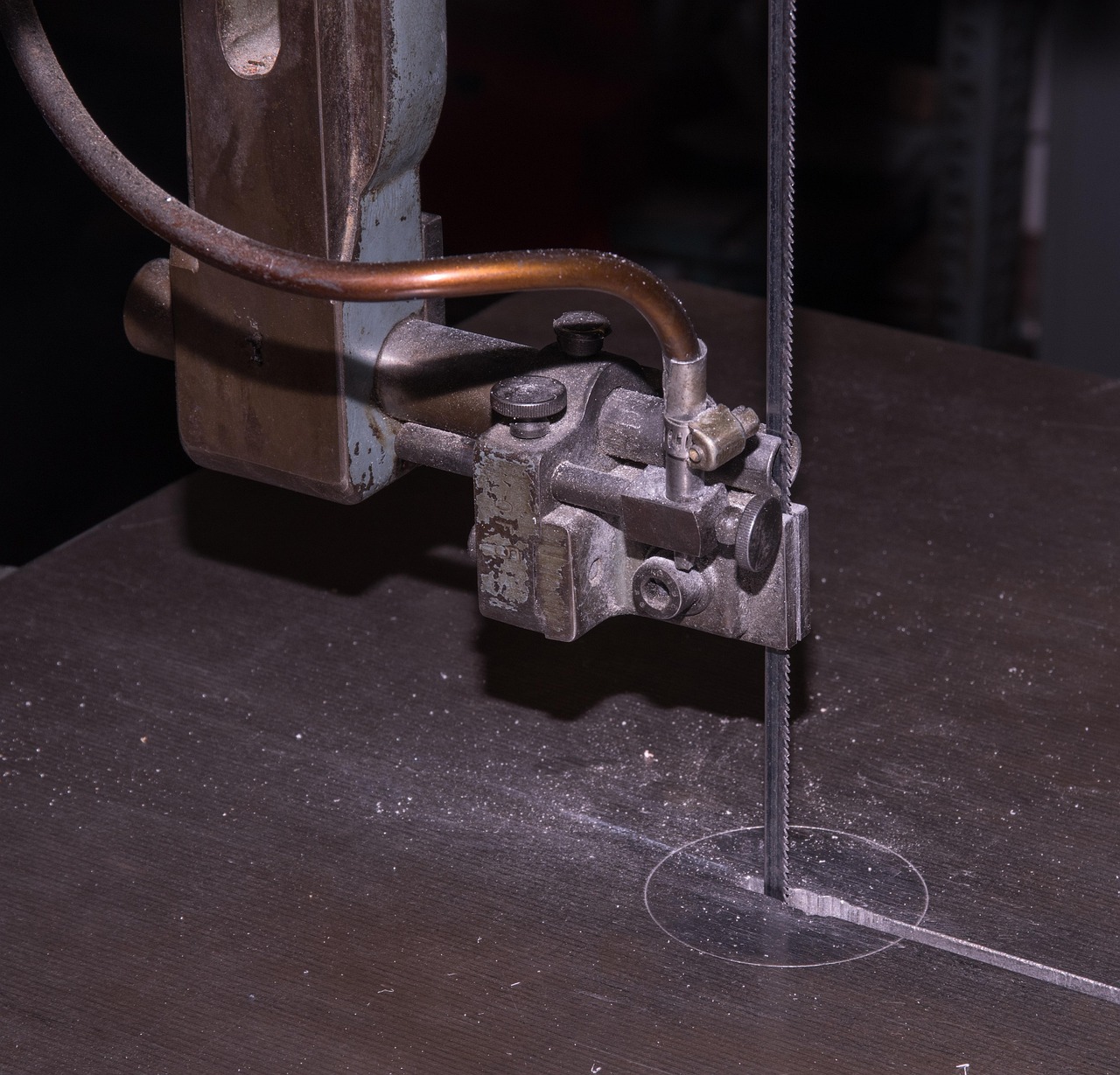
Band saws have a continuous loop blade that passes between two saw wheels. This saw will keep the blade perfectly vertical. It can be used to resaw thick lumber boards into thin veneer.
This saw can also cut tight radii in the wood that a jigsaw saw would snap on. Furniture makers will use band saws to cut legs on tables and chairs. Additionally, furniture makers will use band saws to extract two pieces of wood of the same grain from a single log.
The narrow blade on a band saw will turn quickly; the wider blade will remain straight when sawing.
8. Hacksaws
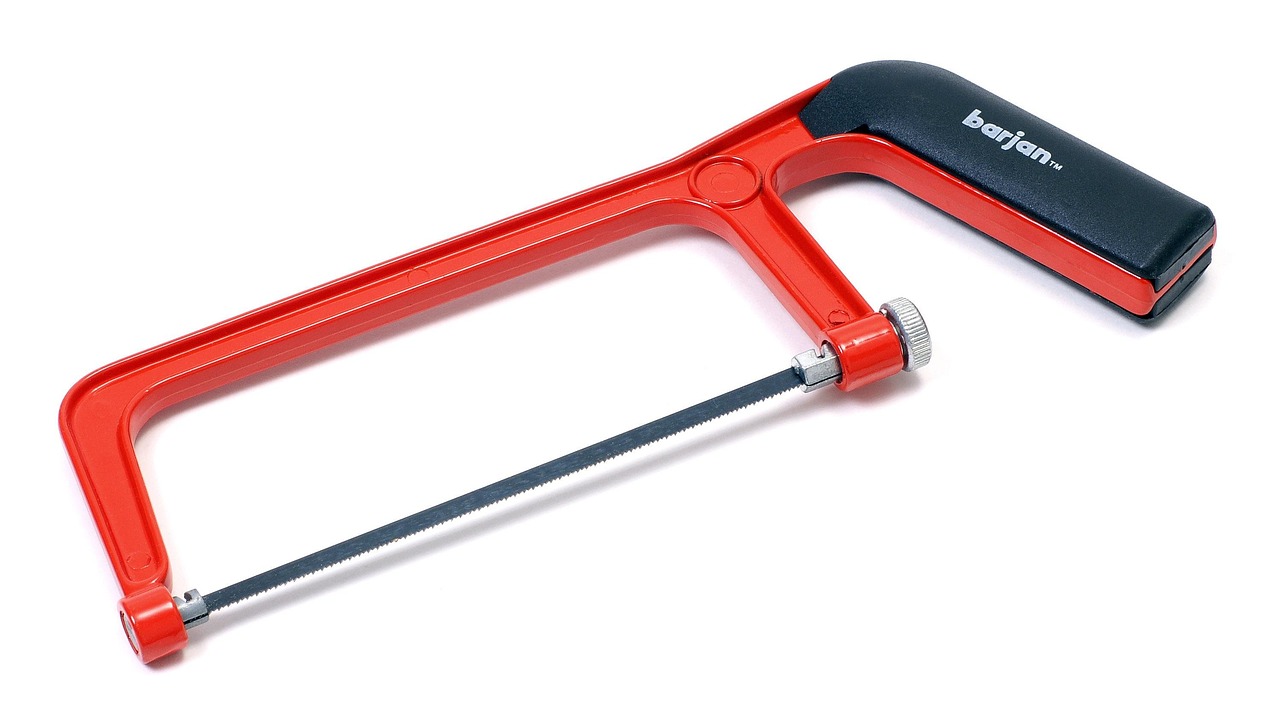
Hacksaw tools may look crude next to other saw tools. However, a hacksaw will be useful in situations where cutting metal, plastic pipe, or threaded rod is required.
The thin blade on a hacksaw tool can be adjusted to slice through these hardened metals in a few seconds. The key to using a hacksaw is to allow the saw blade to do the work on the material. Only use forward strokes when using a hacksaw.
Because of the hacksaw’s usefulness, plumbers, carpenters, and sculptors all have a hacksaw next to their most essential tools.
9. Japanese Pull Saws
Japanese pull saws will feature a blade that cuts on the pull stroke of the saw. This saw blade will be thinner than other saw blades and still maintain the rigidity to make a cut.
Because the kerf cut by the blade will be narrow, it will resemble a laser cut. Many antique furniture repair people use this saw to cut tenons and dovetails on antique furniture. At first, it may seem awkward using a Japanese saw.
However, once the muscle memory changes, they will enjoy using this saw. Additionally, the blades for these saws are inexpensive compared to other saw blades. This removes the hesitation woodworkers feel when using an expensive saw.
10. Coping Saws
Coping saws will feature a thin blade that can turn 90 degrees within the width of the saw. This saw is ideal for fitting crown molding into the inside corners of buildings. The trim carpenter will treat coping saws as sculpting tools.
After practicing with a coping saw for a few minutes, a carpenter will learn how the blade will flex and how much tension to apply when using this saw. The investment of a few minutes of practice with a coping saw will save time when installing trim.
11. Reciprocating Saws
Reciprocating saws are also known as Sawzalls. These saws are ideal for demolitions. The blade of a reciprocating saw will slam into the workpiece back and forth with brute force. It will chew up nailed lumber, plaster, and even light steel.
If you are in a position to open up a drywall wall or remove a window from an old house, a reciprocating saw will come in handy. Using this saw will create vibrations in your saw and make rough sawcuts on the workpiece. This tool isnt used for finish work but will come in handy on the first demolition project.
Each saw addresses a specific problem the other saw types dont solve as well. The circular saw and the table saw can do the work of cutting lumber and plywood. The miter saw makes precise angles in the wood.
Jigsaw saws and band saws both cut curves. Hand tools are quieter but the power tools will make work faster. Start with the saws that will best help with the projects you create the most.
Focus on mastering the skills needed for these saws before moving on to the others. As you use each saw, you will eventually form an instinct for which saws to use for different projects. This instinct will pay off when you are doing your saw work and can finally find the right tool for the job.
