
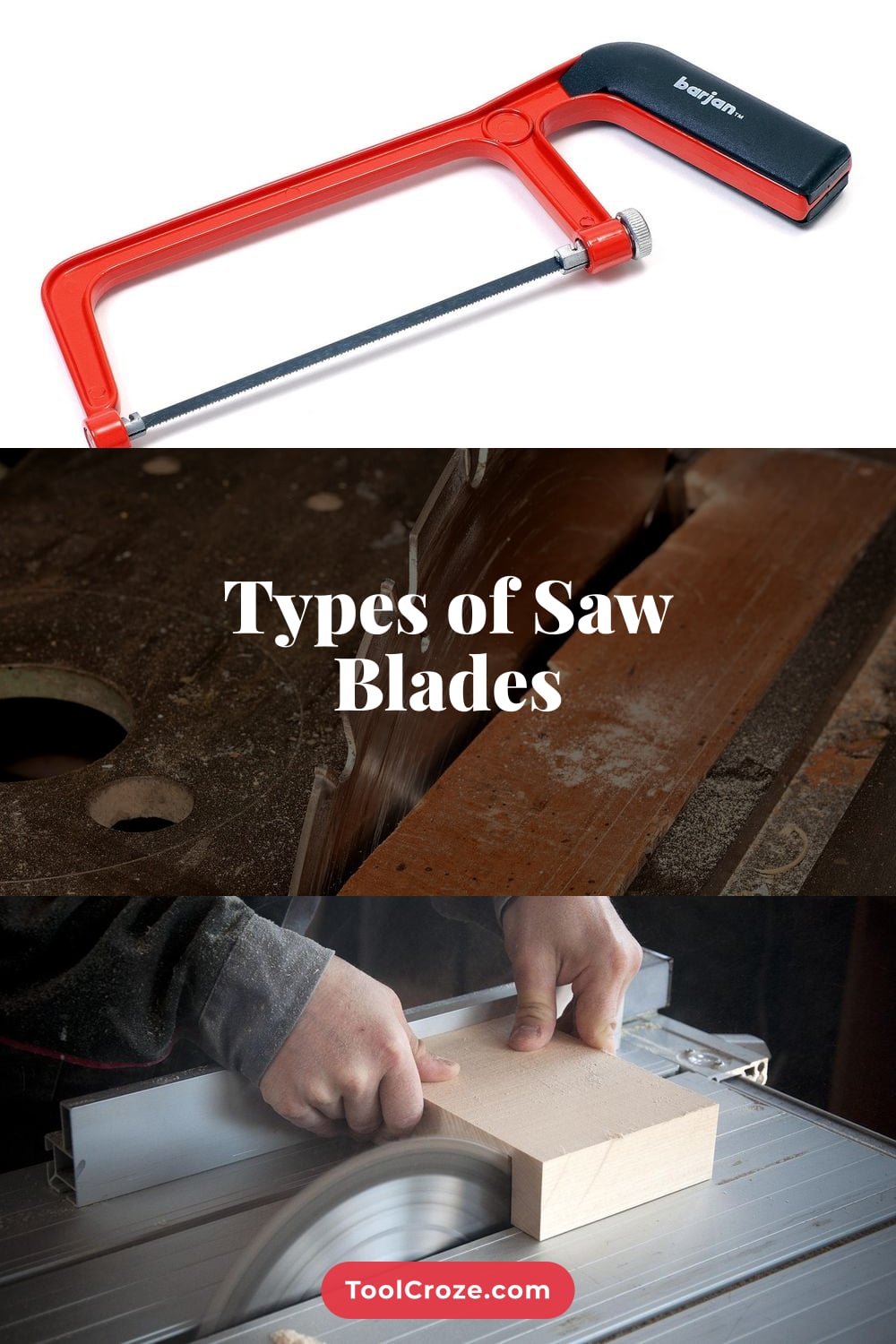
When a person is purchasing a saw blade, it may seem like a relatively small purchase. Yet, a person may discover that they encounter challenges halfway through cutting a piece of lumber with a rough cut along the edge of the board that will require many hours of sanding to fix. A good saw blade can impact a variety of aspects of saw use.
The quality of the saw blade will impact the quality of the cut. The quality of the saw blade will determine the length that the saw blade will last. Lastly, the quality of the saw blade will impact the safety of the saw being used by a person.
When a person enters a hardware store, there are various saw blades that will be presented. Yet, within these numerous options, there are only a few different designs to the saw blades. Each design of saw blade is created for a specific purpose.
Therefore, when a person understands the different designs of saw blades, a person can save money, reduce frustration in the shop, and produce more great work overall. The key to purchasing the appropriate saw blade is recognizing the three main factors that should be considered when purchasing a saw blade: the geometry of the teeth on the blade, the material of the saw blade, and the kerf of the saw blade. By knowing each of the different types of saw blades and the function of each type of saw blade, a person will find that there need for purchasing blades is reduced.
Here is an overview of the different types of saw blades that can be purchased for various wood and saw cutting applications.
Common Types of Saw Blades to Use
1. Rip Saw Blades
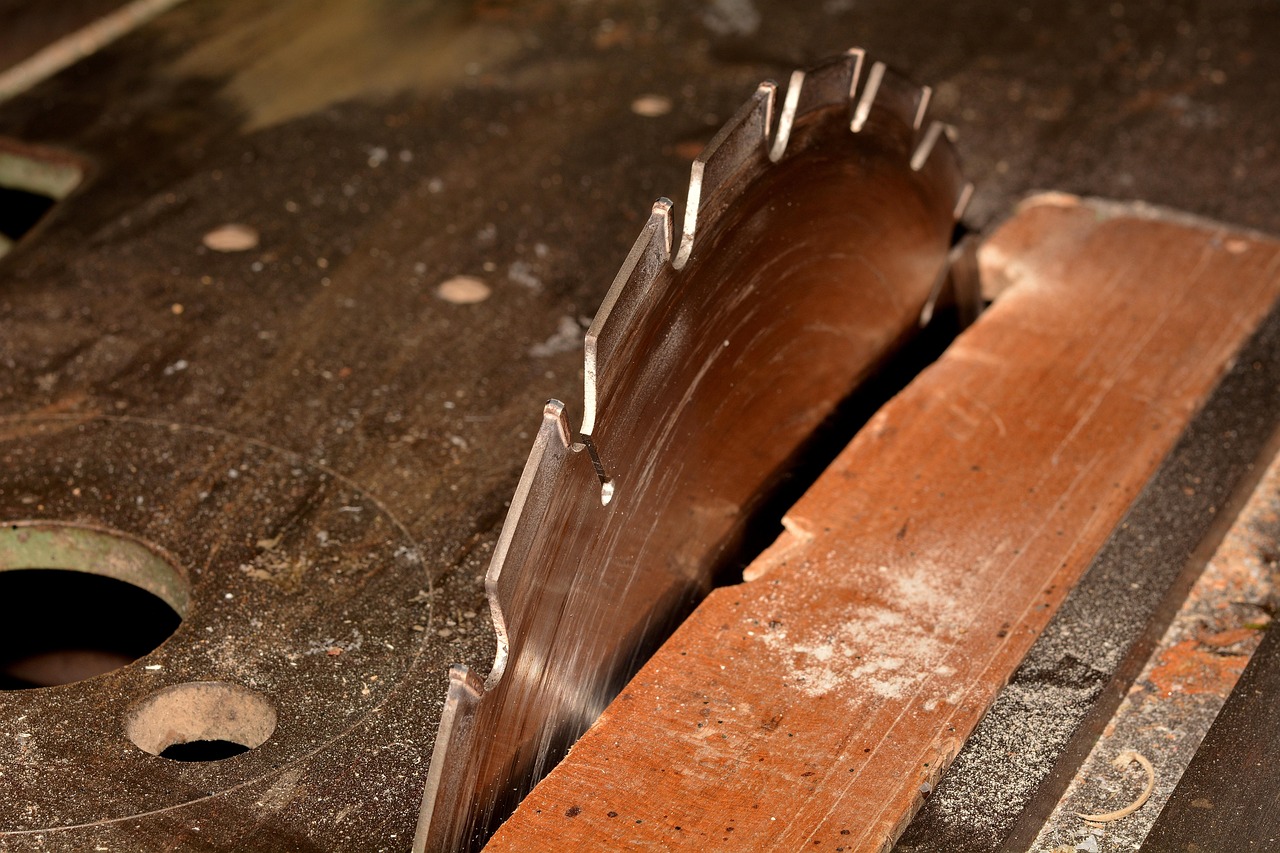
Circular saw blades that have rip teeth are purchased for cutting along the grain of the wood. These types of saw blades have fewer than thirty teeth.
Furthermore, the teeth are shaped like a chisel with a flat side. This type of saw blade easily cuts along the grain without creating a significant resistance force against the saw blade as it moves through the wood. Such saw blades are appropriate for use on a table saw when ripping boards made of eight-quarter oak.
The trade-off of this saw blade is that it will leave a rough edge when sawing against the grain of the wood. For these reasons, a workshop that purchases saw blades will purchase at least one of these blades. Yet, they will never use such a blade for anything besides ripping wood along the grain.
2. Crosscut Saw Blades
Crosscut saw blades have eighty or more teeth. Furthermore, each of these saw teeth is sharpened to have a steep bevel along the cutting edge. These saw blades are used for cutting against the grain of the wood.
These saw blades are appropriate for use on a miter saw for sawing door casings and picture frames. Crosscut saw blades will produce a clean cut that dont require sanding for painting jobs. These saw blades may move at a slower rate than rip saw blades.
Additionally, these saw blades will create more sawdust during the cutting process. However, the time saved at the sanding station will even out the cost of these differences in cutting speeds. Therefore, a person that purchases a crosscut saw blade should purchase one saw blade rather than purchasing a variety of saw blades that can be used to perform the same function.
3. Combination Saw Blades
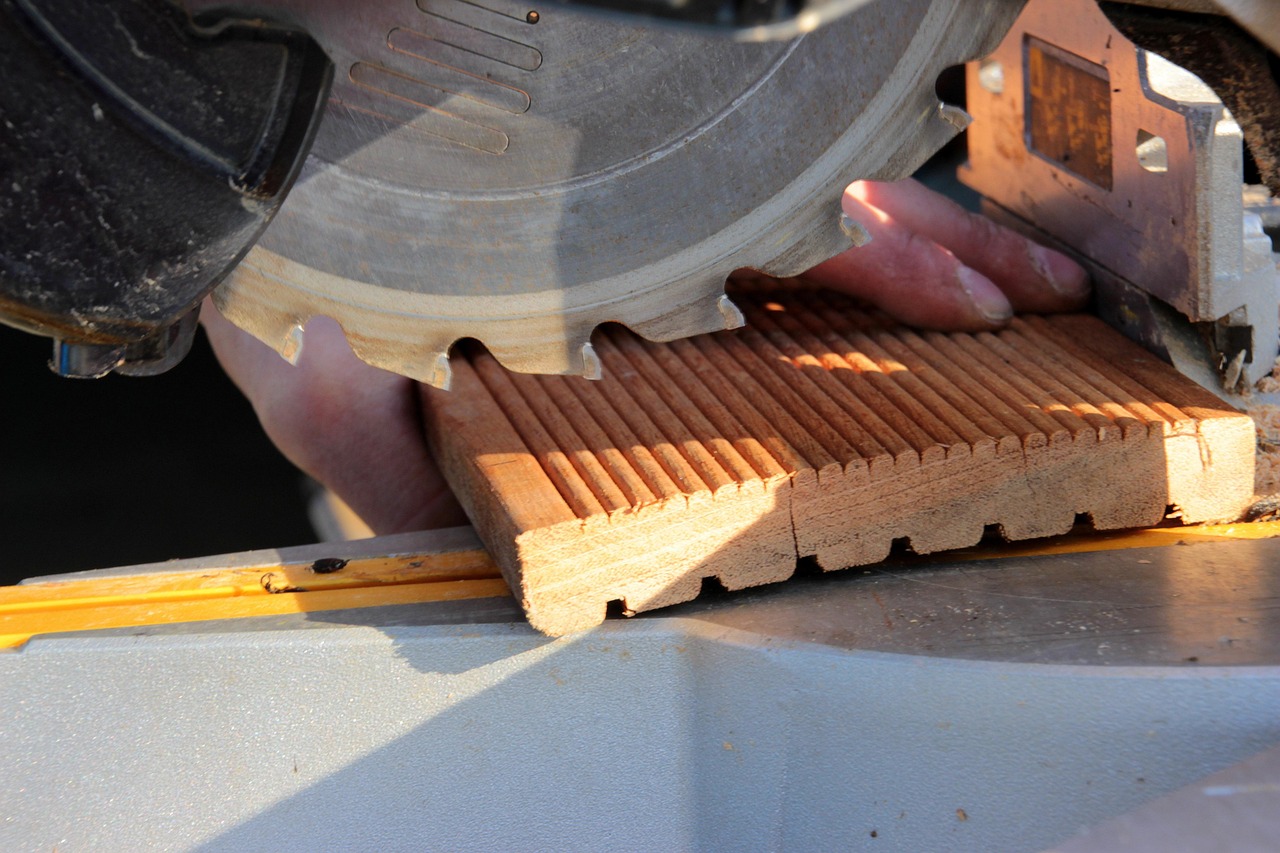
Combination saw blades have a middle ground in relation to both rip and crosscut saw blades. Combination saw blades have around fifty teeth, arranged in sets of five teeth. Within these sets of five teeth are four crosscut saw teeth followed by one rip saw tooth.
These saw blades offer the benefit of being able to perform both ripping and crosscutting tasks. For weekend woodshop warriors or small job sites, the combination saw blade is an essential purchasing decision. When using the combination saw blade, rip saw blades will produce results that are not as smooth as those produced with a dedicated ripping saw blade.
Additionally, crosscut saw blades will create more fuzz on the cut surfaces than a saw blade dedicated to crosscutting. Yet, the benefit of the combination saw blade will win in a situation that requires mobility and speed in comparison with precision in the cuts.
4. Plywood Saw Blades
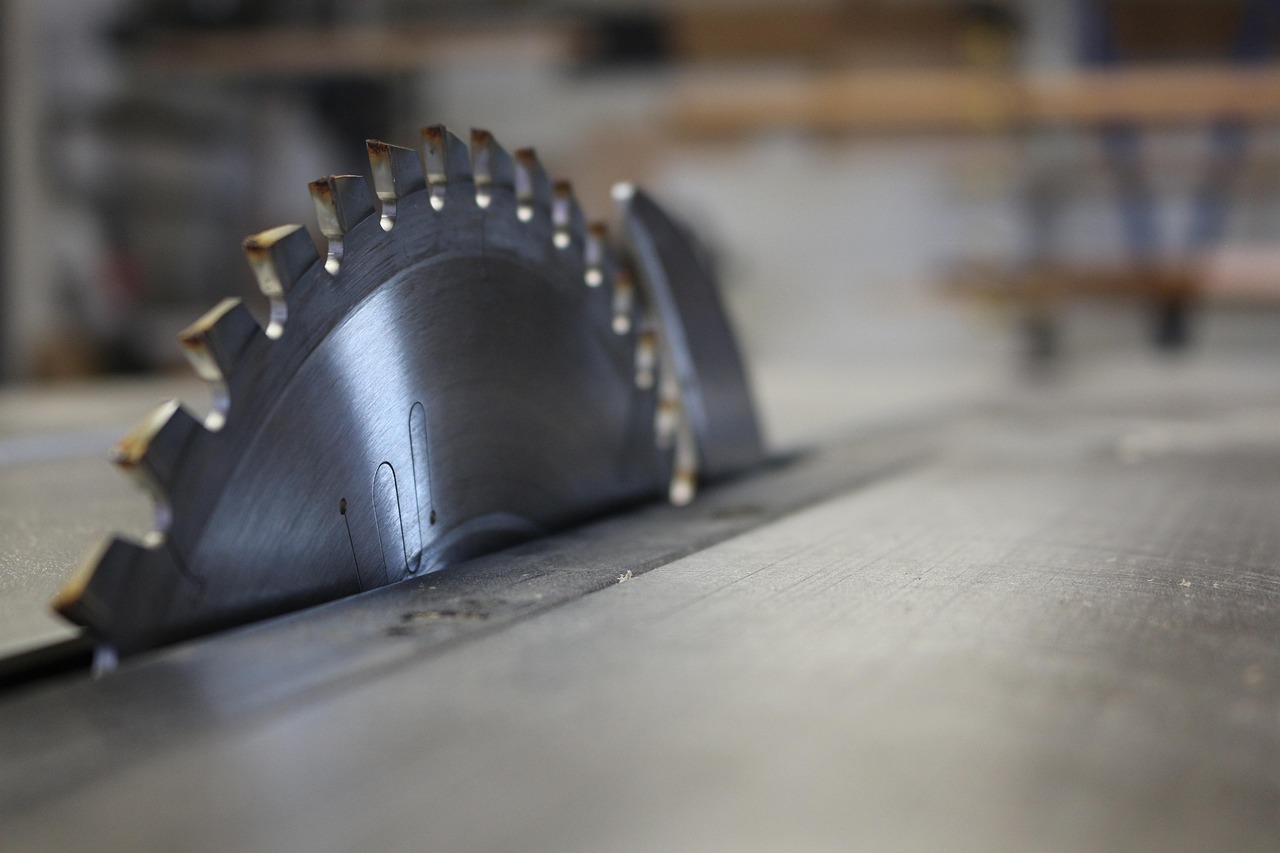
Plywood saw blades are very similar to crosscut saw blades.
The difference in the two types of saw blades is that plywood saw blades have even higher tooth counts than crosscut saw blades, and the teeth are ground to an alternate bevel to easily saw the veneers off of plywood sheets. These saw blades work especially well for sawing sheet goods for cabinetmaking projects. These saw blades will not damage the edges of melamine or laminated plywood sheets.
The downside of using plywood saw blades is that they may move at a slower rate through hardwoods. Additionally, if a person stuns with a hidden nail on the plywood, the plywood saw blade will dull quickly.
5. Fine Finish Saw Blades
Fine finish saw blades have a high tooth count, and the kerf of these saw blades is thin.
Fine finish saw blades are not purchased for speed in sawing tasks. Instead, the purpose of fine finish saw blades is to make very precise saw cuts in silence. Such saw blades are used to produce miters on furniture that contains the visible end grain of the wood.
The thin kerf saw blade will flex through the saw blade. Therefore, only a saw with tight tolerances can produce the best results with fine finish saw blades. Additionally, the person sawing the piece of wood must do so slowly.
If the saw blade is rushed, it will produce wander in the saw cut rather than the desired precision in the cut.
6. Dado Saw Blades
Dado saw blades are not a single blade but a set of blades. These dado saw blades feature an inner set of scoring saw blades and chippers that remove the wood waste between the scoring saw blades.
These dado saw blades can be set to remove one-quarter inch of wood up to an inch of wood. Such saw blades will quickly produce housing joints and rabbets for a persons projects. The dado saw blade takes a few minutes to set up.
The dado saw blade should never be used on a saw that does not have a throat plate. Yet, dado saw blades are the most satisfying saw blades to use once set up on a saw.
7. Metal Saw Blades
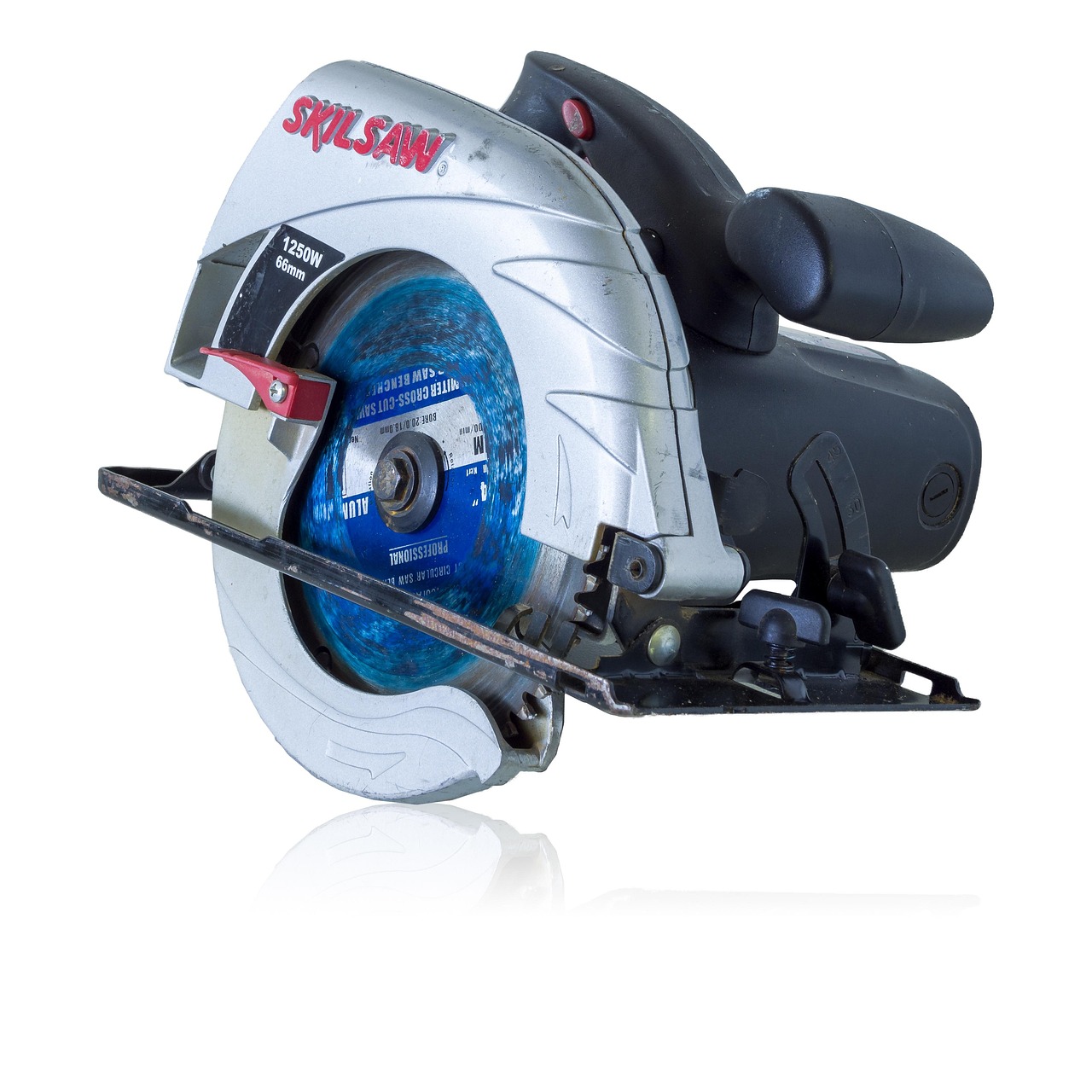
Metal saw blades feature a relatively simple design to the teeth on the saw blade.
Yet, metal saw blades have more than fifty teeth and have an abrasive coating on the saw blade. The teeth on metal saw blades are ground to allow for sawing of ferrous and non-ferrous metals. The saw blade can be used on a circular saw to cut steel studs, aluminum angle, or even rebar.
Because the saw blade saws the metal rather than grinding it with the teeth, the saw blade remains cool during sawing tasks. Yet, the material must be clamped firmly in place when using the saw blade. Furthermore, the use of the metal saw blade demands the wearing of safety goggles.
This saw blade can be unforgiving if the material being cut should slip during a sawing task.
8. Abrasive Saw Blades

Abrasive saw blades are discs rather than saw blades with teeth. The abrasive saw blade has grit embedded into the saw blade to enable it to saw through materials like concrete, brick, tile, and even cast iron.
Abrasive saw blades are seen on angle grinders and saws used in construction sites. These saw blades have high rates of cutting speed. Additionally, they are low cost in relation to the cost of other saw blades.
Yet, the downside of abrasive saw blades is the amount of sawdust that it will create during the sawing process. Additionally, the finish will not be as smooth as other saw blades. Abrasive saw blades wear down to a smaller diameter with time.
Therefore, a person will lose some depth of cut when using abrasive saw blades over an extended time period.
9. Carbide Tipped Saw Blades
Carbide-tipped saw blades have a material that is different from the majority of saw blades. The carbide material is much sharper and can last much longer than other saw blades, especially if those saw blades are sawing abrasive materials.
The carbide-tipped saw blades are ground with precision to ensure that the teeth are all of the same height. This evenness in the saw blade reduces any vibrations the saw may create while sawing the wood. Additionally, the evenness in the saw blade allows the saw blade to create smoother saw cuts.
When a person purchases saw blades, they will soon notice that all other saw blades appear to be dull in comparison to the new carbide blade.
10. Framing Saw Blades
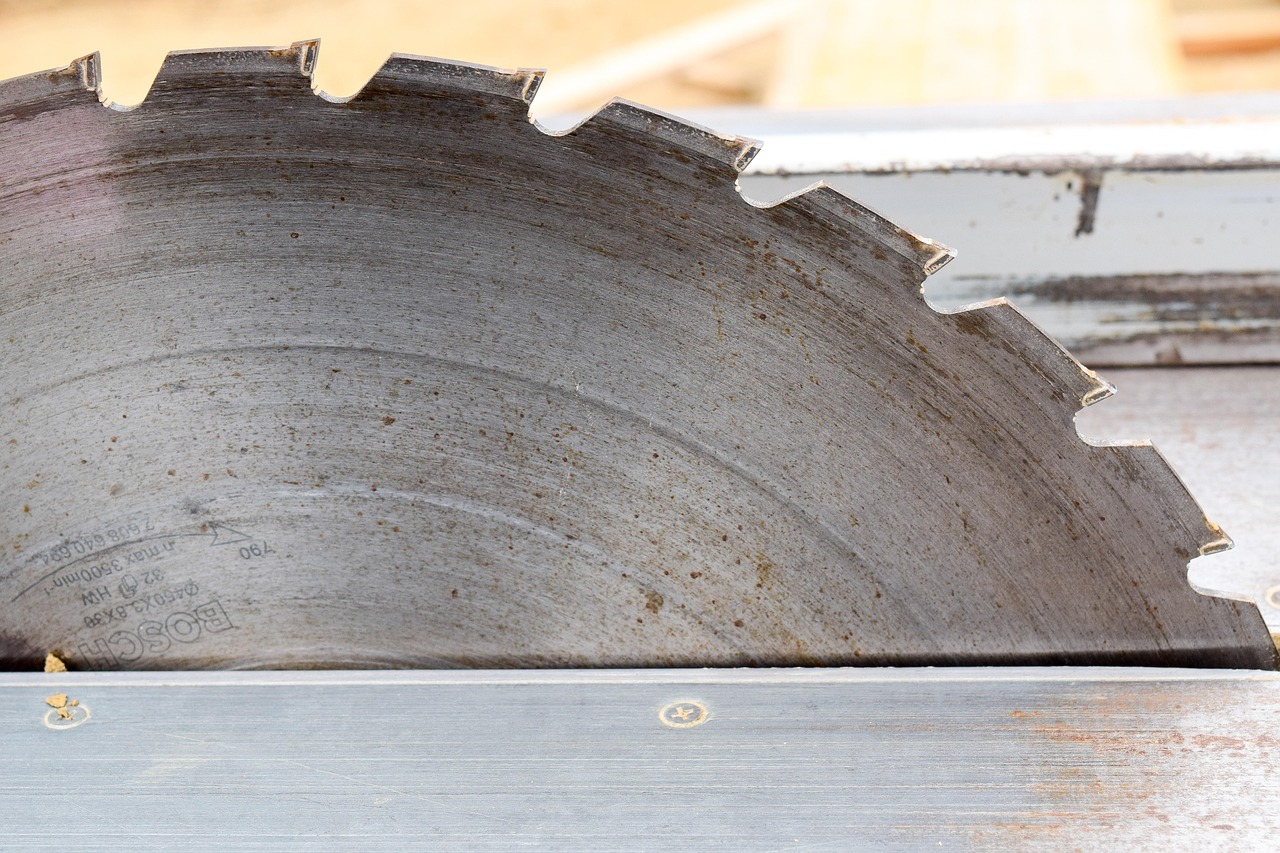
The final type of saw blade is a framing saw blade. These saw blades are very aggressive in their rip saw teeth with twenty-four teeth and an aggressive saw hook angle.
These saw blades are purchased for quickly sawing through lumber used in construction framing jobs. Framing saw blades will easily saw through pressure-treated lumber or 2×4 lumber. However, the rough edge that these saw blades make is not appropriate for any finish work with the wood.
Therefore, saw blades are purchased for their intended job of sawing lumber quickly rather than for their role in sawing lumber to perfection. When a person purchases saw blades, no single saw blade can perform all of the jobs possible in a shop. Yet, there are specific saw blades for specific jobs.
A person should keep their saw blades clean. They should store the saw blades in a way that prevents any impacts on them. Finally, a person should touch up the saw teeth prior to purchasing any replacements for the saw blade.
By following this simple suggestion, the saw blade that a person purchases will remain sharp and be able to cut wood with efficiency. When a person produces a piece of wood with an edge that does not require sanding with a 220 grit sandpaper, a person will remember the different jobs that each type of saw blade can fulfill. Each saw blade has a specific use and was manufactured as a tool to solve a specific problem in the workshop.
If a person learns the jobs that each saw blade fulfills, the persons shop time will be smoother, safer, and more satisfying.
