
An angle grinder is found in most workshop for a specific reason. An angle grinder can quickly cut through rebar in a few second, it can strip paint off of old metal fixture in a matter of minutes, and it can polish a weld site until the weld is no longer visible to the naked eye. Beyond the tool itself, however, is the fact that you can equip an angle grinder with a variety of disc that will allow it to perform many of these functions.
If you use the wrong type of disc, however, you could waste your time, your abrasives, and even your body (due to potential injury). Understand the different types of discs that can be placed into an angle grinder, and youll find that an intimidating selection of discs will become manageable and easy to make decision about which disc to use in which situation. The following text will cover the different type of discs that are used in angle grinders.
Common Types of Angle Grinder Discs
1. Cutting Discs
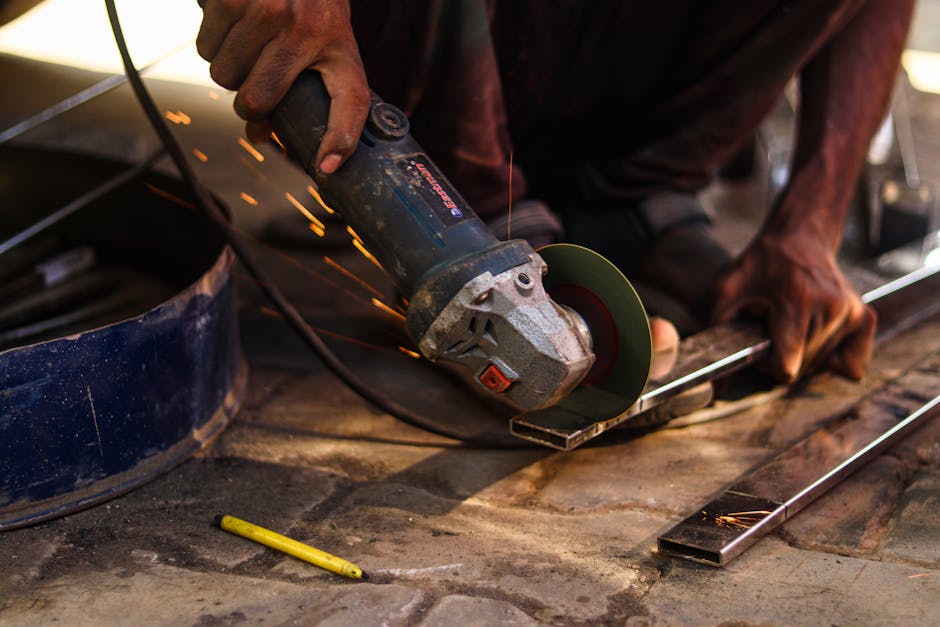
Cutting discs, also known as cut-off discs, are the most common type of disc for angle grinders. Cutting discs come in a variety of thickness, but most cutting discs are 1 millimeter in thickness. They are used primarily for cutting through metal, and they are used in tasks like cutting metal bar stock, removing bolts, or even cutting apart rusty metal nut.
Because cutting discs are so thin, though, they are also very fragile. You should never twist them or subject them to any side-loads with the metal that you are cutting. Otherwise, they may shatter and cause injury to the metal worker.
Cutting discs are best used for straight cut, after which you can replace the disc with a tougher cutting disc to remove the metal from your project.
2. Grinding Discs
The next main type of disc is the grinding disc. Grinding discs are thicker than cutting discs and are used to remove material from metal quick.
Grinding discs are used in processes like removing weld bead, beveling metal edges, or smoothing out rough metal castings. Grinding discs are also built to handle more lateral (side) loads than cutting discs, so they will typically last longer when performing these tasks. The downside of using grinding discs is that the metal will have a more coarser appearance after use, though.
3. Flap Discs
Flap discs have largely replaced grinding discs for most project. A flap disc consists of a series of cloth flap that have abrasive material on them, and the flaps are glued to the disc. As the flaps wear down from use, fresh abrasive material is exposed to the metal, allowing the flap disc to maintain a consistent cutting action.
Flap discs are used to grind and sand metal in one step. A 40 grit flap disc is used to remove heavy metal stock. An 80 grit or 120 grit flap disc is used when a smoother finish is desired.
The downside of using a flap disc is the additional up-front cost for the tool. The next group of tools include wire wheel and wire cup brushes.
4. Wire Wheels and Cup Brushes
Wire wheels and wire cup brushes are used for the removal of rust and other coatings from metal.
These tools dont remove metal from the metal stock, though. Wire wheels have steel wire of varying thicknesses twisted around a central shaft. A wire cup brush is the same, but it is wider in diameter.
Wire wheel and wire cup brushes are often used in the preparation of metal for painting. These tools will throw metal debris into the air while in use. Therefore, metal protection is a must.
They will also wear with time with use. The last type of disc is the diamond disc. Instead of abrasive particles like grinding and flap discs, diamond discs contain industrial diamond that are bonded to a steel disc.
These discs can effectively cut through metal like concrete, tile, stone, and even hardened steel. The wet versions of these discs will have a water feed that will help to control the amount of dust that is created during use, and it will extend the life of the disc. Dry diamond discs are used for projects where water is not an option.
The dry discs will create more heat and dust during use. If your project involves cutting metal like concrete, though, a diamond disc will pay for itself in a few use. Polishing and buffing discs are the last type of disc that can be used in an angle grinder.
5. Polishing and Buffing Discs
Polishing and buffing discs have felt, cloth, and foam inserts that allow abrasive polishing compounds to be placed into the disc. The polishing compound will leave metal like stainless steel or aluminum looking like a mirror. Polishing and buffing discs demand the least amount of pressure of any of the other discs.
If you use too much pressure with these discs, swirl marks will appear on the metal that are difficult to remove. Each of the discs have its own specific area of expertise. Cutting wheels, for instance, are best used on thin sheet metal or small metal bar stock.
Flap discs work best on medium thickness metal. Finally, diamond discs are the best choice for mineral-based metals like concrete, stone, and tile. Regardless of the metal that you are removing, though, the first thing that you should consider is the material that you are cutting.
Then, after you have decided on the material, you can begin to consider the finish of the metal. It is a good idea for metal fabricators to have a small rack of each type of disc placed near the angle grinder. This will ensure that the metal worker does not have to dig through their toolbox when the metal is hot from the grinder.
Safety is a crucial aspect of using any metal tool. Each type of disc comes with a maximum RPM count. The angle grinder must match that RPM with the angle grinders own RPMs, and the RPMs can not go beyond the discs maximum RPM.
Each disc must be inspected for crack or warping before it is placed into an angle grinder. The correct guard for the angle grinder must be placed into position, a full face shield must be worn, and you must wear hearing protection due to the loud noise that are created by angle grinders. A disc failure at 10,000 RPM can be violent and cause injuries.
The extra few seconds to inspect the disc before each project will pay for itself over the life of that disc. Once you have selected the proper disc for your project, your technique with the angle grinder is just as important as the disc. You should hold the angle grinder at a specific angle with the workpiece that is being cut or sanded.
Grinding wheels should be held between 15 and 30 degrees with the workpiece, while cutting discs should be nearly flat with the metal. The angle grinder should be allowed to do the work of cutting or sanding the metal. Do not force the metal.
If you hear a squeal or if the metal starts to visibly discolor, you are applying too much pressure to the angle grinder; allow it to release. Small adjustments in angle and pressure can make all the difference in your project. The next time you have a project you will be working on, do not jump into placing the disc into the grinder.
Take a moment to consider the type of metal you will be working with, the amount of metal that will need to be removed, and the desired end result of your project. Place the disc into the grinder that was specifically made for that type of project. Following these steps will allow you to finish your project faster, use fewer consumables, and reduce mistakes.
Following these procedures with each project will allow you to use the full potential of your angle grinder.
