
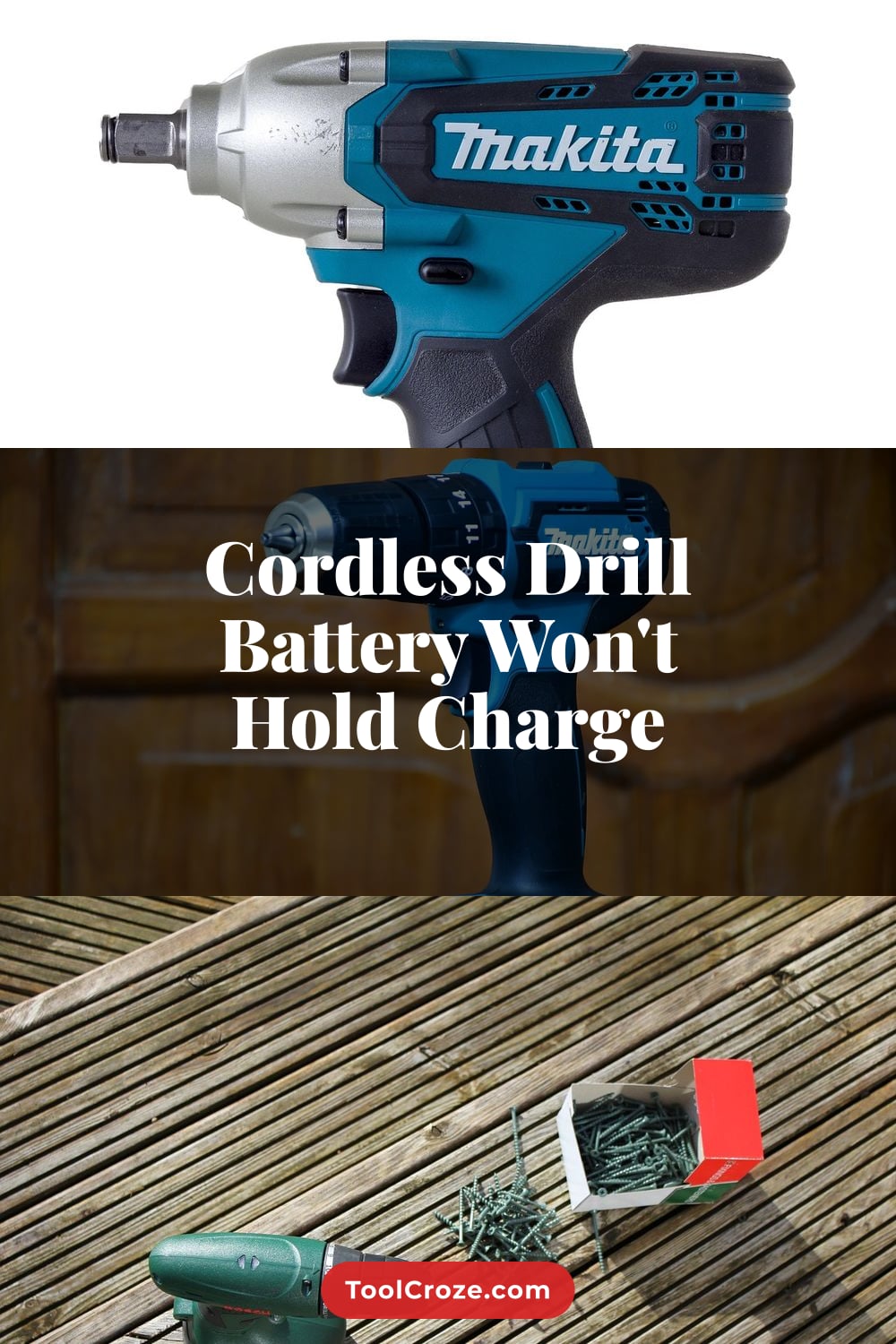
A project can be stopped quick if you are using your cordless drill and the battery dies out after only two minute of use. In these situations you likely have some work to complete that has a deadline approaching. Thus, you may have to continually change battery or extension cords to continue with your project.
Using a battery that will not hold a charge becomes an expense, but the solution to the problem is likely much more simple than you think if you understand how the cells within the battery function. Most battery problems have certain causes, which are the good news for those who are trying to fix the problem. Before you purchase new batteries for your drill, there are several cause of battery failure to review in order of likelihood.
Each cause will explain the reason that the battery failed, when the failure likely occurred, and what you can do to avoid the costly battery replacement. By reviewing each of these common causes in order of difficulty to fix, you will save both time and money with your cordless drill. One of the most common causes of batteries dying within a drill is the fact that the batteries naturaly lose the ability to hold the charge over time.
Common Reasons Your Drill Battery Fails
1. Natural Aging and Cycle Life
The chemical reaction within the battery slowly degrade over time. For instance, a battery that is rated at 2.0 amp-hours may hold only 1.2 amp-hours after two year of use. This is considered normal aging of the battery, but is often mistaken for a dying battery.
If the battery died after lasting between 18 and 24 months before dying quick, it is likely experiencing natural cycle life of the battery rather than a defect in the battery.
2. Extreme Heat Exposure
Heat is another of the most common causes of battery failure in cordless drills. Every ten degrees that the battery rise above room temperature will cut in half the life of the battery.
Leaving the battery in a hot truck during the summer, or storing the battery in a sunny location in the garage, will all contribute to the aging of the battery. The battery management system will detect that the battery is overheating, and will begin to shut the battery down. This shutting down of the battery is the same as the battery not holding the charge.
By keeping the batteries away from extremes in temperature, you will add another season or two to the life of the battery.
3. Dirty Metal Contacts
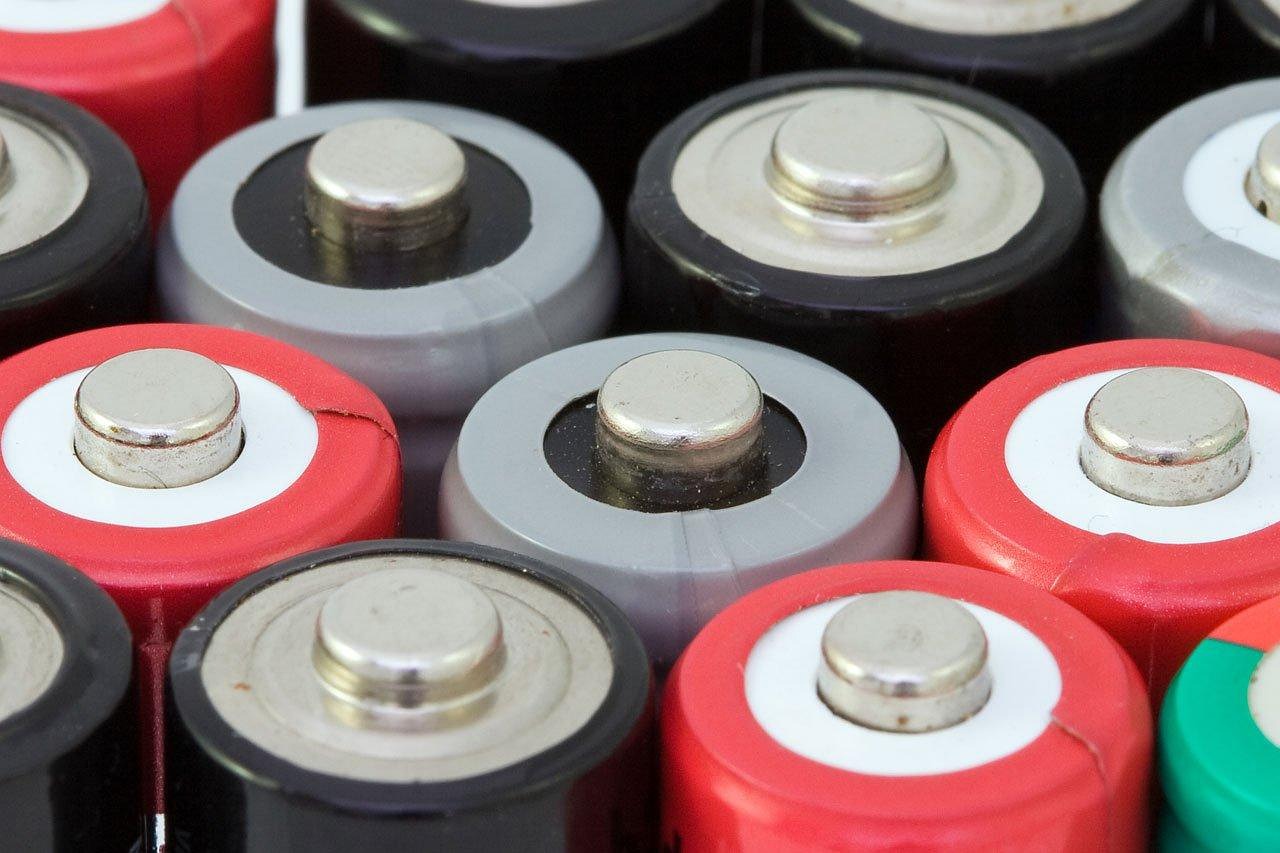
Another of the most common problems with battery failure is that the batteries are dirty. The metal contacts on the battery and the metal contacts within the drill drill collect dust and grease over time.
These metallic substances create resistance within the battery, and the drill thinks that the battery is dropping in voltage. Thus, the drill turns off the battery, even though the battery is still able to hold its charge. Simply wipe the contacts on the battery and the drill with a rag soak in isopropyl alcohol.
This often fixes the problem with the battery.
4. Faulty Battery Charger
If the battery still does not work after wiping it down, the charger for the battery may be the problem. Chargers often fail in such a way that the battery is not fully charged.
For example, the battery may indicate that it is fully charged, but the battery itself may only hold 70% of the charge that it should have. Try to charge the battery with a different charger. If the charger is overheating or if it has a failing circuit board, it will damage the batteries over time.
Thus, purchasing a $20 charger is better than buying new $40 battery every few months.
5. Cell Imbalance and Desynchronization
One last thing to try before purchasing new batteries is to let the battery sit on the charger for a full twenty-four hours. Many batteries will fall out of synchronization within their cells.
This imbalance within the battery will cause the battery to shut off when it senses one of the cells is dropping in charge. A full twenty-four hour cycle will often wake up batteries that have been sitting for months, and will restore the battery to its full charge. If you have batteries that have reached the end of their cycle life, there is one last trick to extend their life.
If you reduce the speed of the drill when using the batteries, the remaining life of the batteries will feel more strong. This trick will not increase the life of the battery, but will allow for you to continue to use the batteries for light tasks rather than purchasing new batteries.
6. Physical Damage
Physical damage to the battery is another cause of battery failure. Dropped batteries can damage the plastic case that holds the battery, shift the internal connections, or even damage the small circuit board within the battery. Even though the battery may physically slide into the drill, the breakage to any internal components of the battery will cause it to fail in the same way. Inspect the battery for any cracks in the plastic case, and shake the battery.
If the components within the case make any rattling noise, the battery has likely been dropped, and the damage to that battery likely means it is time to retire that battery from use.
7. Temperature Extremes During Storage
Battery issues related to temperature can be mistaken for battery failure. For instance, if the battery was stored in the garage all winter and is brought into the house when it is cold, it may refuse to charge when it is placed on the charger. The same thing can happen with heat; if the battery is used in the summer with the drill while outside on a hot day, the battery may refuse to accept a charge. Allow the battery to sit out for thirty minutes to reach room temperature before you charge or use the battery.
8. Proper Battery Storage Habits
To avoid the common problems with batteries, store the batteries in a proper manner. Do not leave them on the charger for indefinite periods of time. Do not store the battery when it is fully discharged. Between 40% and 60% charge is the best level to store batteries at.
Store them in a climate-controlled area and do not allow them to come in contact with metal tools that may short the terminals of the battery. Following this storage method will give your batteries four or five years of service rather than two years of service.
9. Replacing Individual Lithium Cells
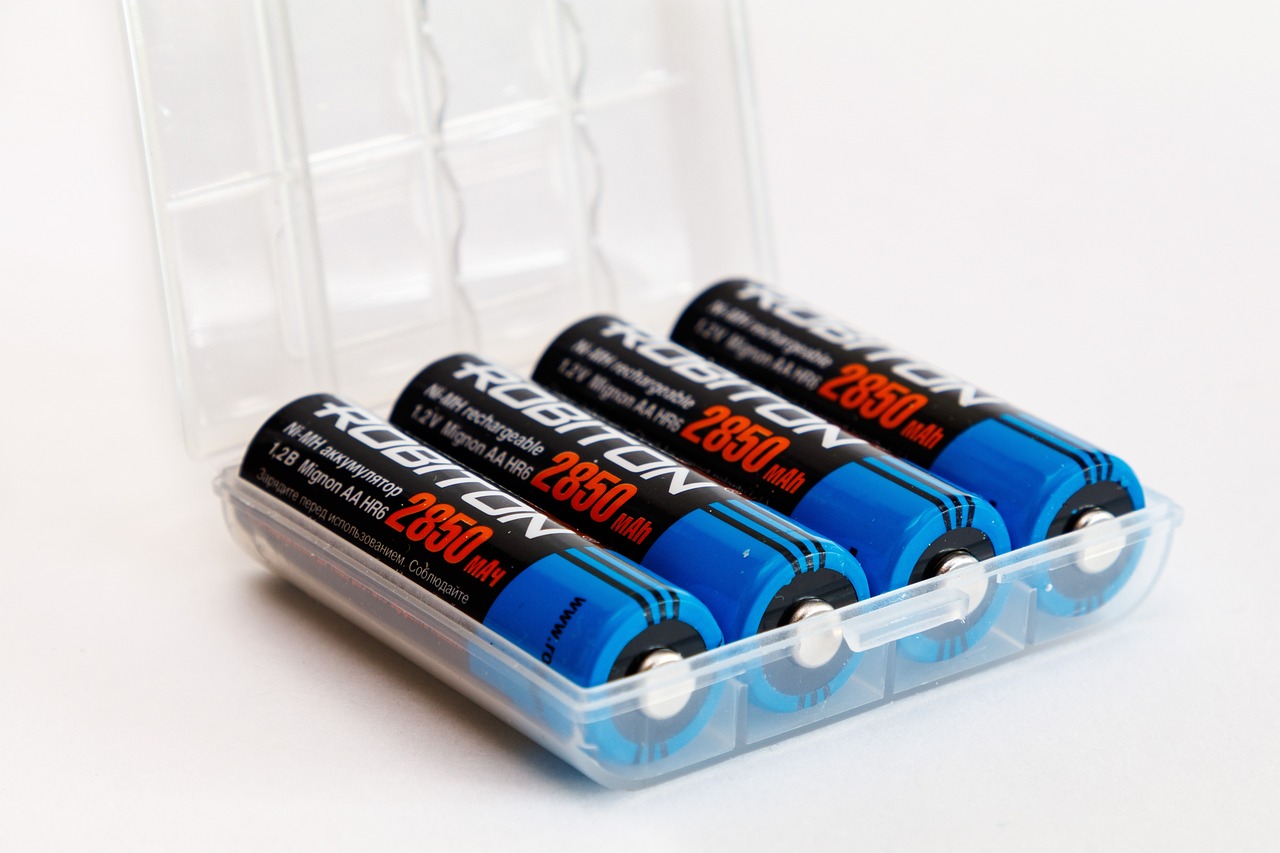
If none of the described methods work for your battery, it is time to purchase new replacement cells or batteries for your drill. Many drill batteries use 18650 lithium cells as their power source. These cells are relatively inexpensive. If you are comfortable with soldering the cells together and buying a multimeter to test the cells, you can purchase the cells and assemble the battery yourself.
This will cut your battery costs in half. The capacity of the new cells should be the same as the original battery cells, the voltages of the new cells should match the original battery cells, and you should solder the cells together in the same way that the original battery was made. While not a task for a beginner, this option is better than buying new batteries each time.
In general, the battery that will not hold a charge has a relatively simple cause. Most likely, the battery has experienced normal aging or physical damage. By treating the batteries with respect, by regularly cleaning the battery contact points, and by avoiding extreme temperatures for the batteries, they will last longer than the drill itself.
The next time your battery dies, try these solutions before you purchase a new battery for the drill. These solutions will allow you to finish your current job, and to save money on batteries for other projects.
