
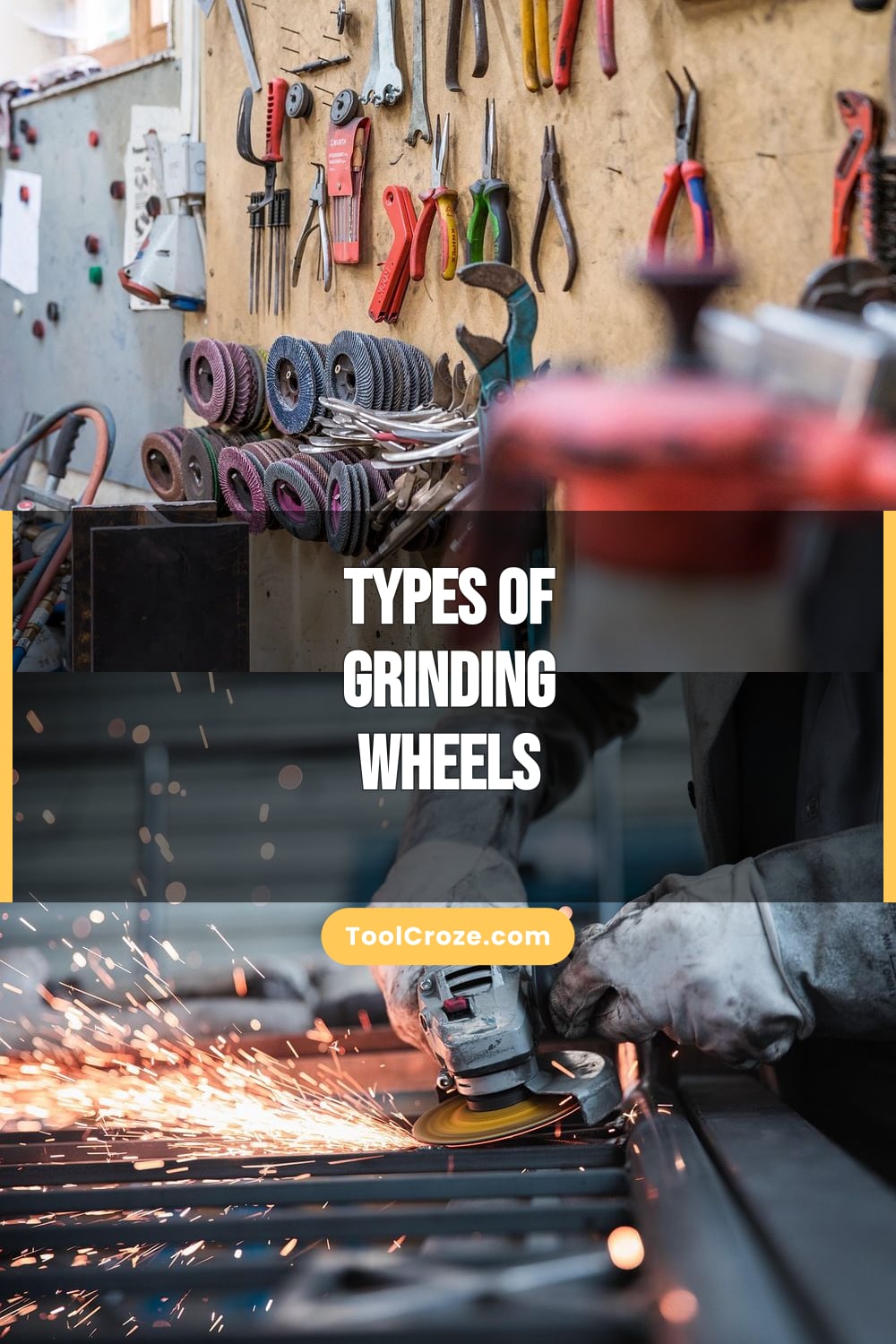
Grinding wheel may seem simple, but they allow people to create many different items. In machine and fabrication shops, people find grinding wheels of different colors, texture, and sizes on racks. If people use the wrong type of grinding wheel, they risk burning the workpiece, clogging the grinding wheel, and having to spend many hour removing the material that has been ground.
If people use the appropriate type of grinding wheel for the job, grinding will be much easier for them. Knowing the different main families of grinding wheels will allow people to understand grinding wheels’ specific use. Each type of grinding wheel is created to solve specific problems.
The difference between different types of grinding wheels will revolve around the cutting properties of the grinding wheels, how the grinding wheels hold together, and the properties that the grinding wheel leave on the items being ground.
Common Types of Grinding Wheels for Workshops
1. Aluminum Oxide Grinding Wheels
Aluminum oxide grinding wheels are used the most in general workshops. This is due to the fact that the abrasive used in these grinding wheels is strong and relatively inexpensive.
These grinding wheels come in different colors, white, pink, and gray. Gray grinding wheels are used on metal items such as mild steel and wrought iron. White grinding wheels are used on tool steels because they create less heat than gray grinding wheels due to the friable nature of the abrasive in these grinding wheels.
Pink grinding wheels are in the middle ground in terms of strength; they are stronger than white grinding wheels but will break more easily on harder alloys. Both beginner and experienced machinists can use this type of grinding wheel. Grinding wheels of this type are used for both bench and surface grinding machines for sharpening high-speed steel tool.
The downside to aluminum oxide grinding wheels is that they wear quickly on hard materials, requiring more frequent dressing of the grinding wheels.
2. Silicon Carbide Grinding Wheels
Silicon carbide grinding wheels are used for cutting materials that are difficult for aluminum oxide grinding wheels to cut. Green silicon carbide grinding wheels are used on non-ferrous metals, stone, ceramics, and cemented carbides.
The abrasive used in these grinding wheels is significantly harder and sharper than aluminum oxide grinding wheels. You can identify these grinding wheels by their distinct green color. Vitrified silicon carbide grinding wheels are used for sharpening carbide tools.
Black silicon carbide grinding wheels are used on materials such as cast iron and softer metal due to there lower cost. Silicon carbide grinding wheels will cut quickly into the workpiece but are more brittle than other types of grinding wheels. Once people use a silicon carbide grinding wheel on a carbide tool, they will not use any other type of grinding wheel for these items.
3. Zirconia Alumina Grinding Wheels
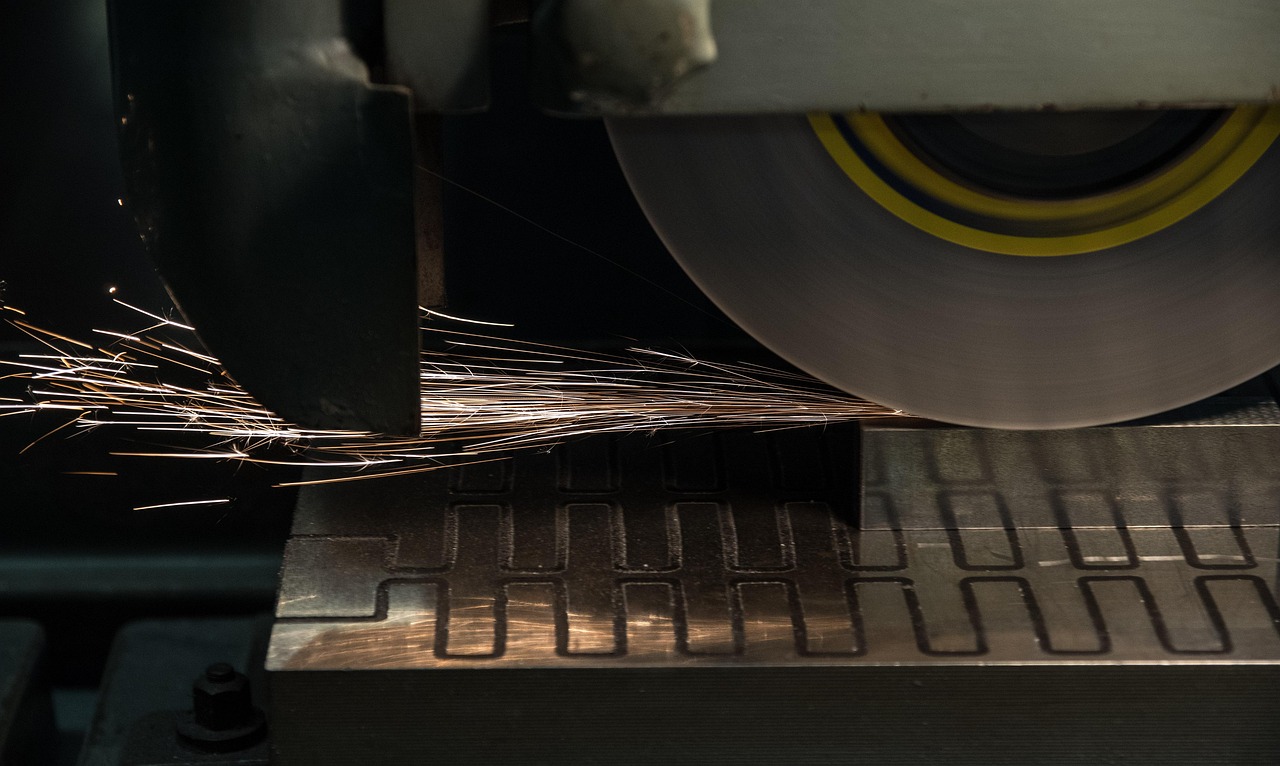
Zirconia alumina grinding wheels have significantly changed the way workshops perform heavy grinding operations. Zirconium and aluminum oxides comprise the abrasives used in zirconia grinding wheels. These abrasives will self-sharpen when these grinding wheels is under high amounts of pressure.
Zirconia alumina grinding wheels can be found in different colors, mainly blue and blue-gray. These types of grinding wheels are used in high-performance cut-off grinding wheels and rough grinding disc. The longest zirconia alumina grinding wheels will outlast aluminum oxide grinding wheels and remove metal at a faster rate.
These grinding wheels are best use on the grinding of cast metals, welds, or on the beveling of metal plate. The disadvantage of using these types of grinding wheels is that they will generate more heat. These grinding wheels are not for delicate projects that may be damaged by the heat created by these grinding wheels.
4. Ceramic Alumina Grinding Wheels
Ceramic alumina grinding wheels are some of the most expensive but offer the best grinding performance for workshops. The abrasive grains used in these grinding wheels have a microcrystalline structure that continuously fracture on a microscopic level to create thousands of fresh cutting points. These grinding wheels are bright white or orange in color.
These grinding wheels are gentle on the metal that they grind but remove material at rates that are unmatched by other type of grinding wheels. These grinding wheels are excellent for creep-feed grinding, high-pressure surface grinding, and situations in which the workshop must create tight tolerance in metal. Even though the initial cost is high for these grinding wheels, the extended life of these grinding wheels makes them the cheaper option over time for the workshop.
Many workshops that purchase grinding wheels will keep ceramic alumina grinding wheels for projects that require high performance. They will use the less expensive aluminum oxide grinding wheels for more common task.
5. Diamond Grinding Wheels
Diamond grinding wheels are used for the hardest substances on the earth.
The diamonds used in these grinding wheels are bonded to metals, resins, or vitrified matrices. These grinding wheels are used for sharpening carbide tools, glass, ceramics, and other tools made of polycrystalline diamond. The only difference between the diamond grinding wheels and other types of grinding wheels is the presence of the tiny crystals of diamond in the grinding wheel.
The diamond abrasive is the hardest substance on earth so it will cut materials that no other grinding wheels will cut. Resin-bonded diamond grinding wheels will provide a smoother finish than metal-bonded diamond grinding wheels. Resin-bonded diamond grinding wheels are used for sharpening metal tools.
The metal-bonded diamond grinding wheels will survive heavy use and are used in production runs of metal tools. The disadvantage to all grinding wheels using diamonds is the cost. However, the grinding wheels will pay for themselves in any workshop that use carbide grinding wheels every day.
6. Cubic Boron Nitride (CBN) Grinding Wheels
The last type of grinding wheel to discuss is the cubic boron nitride (CBN) grinding wheels. These grinding wheels, also known as CBN grinding wheels, are used for ferrous material. CBN grinding wheels are nearly as hard as diamond grinding wheels but do not chemically react with iron the way that diamond does.
These grinding wheels are used for sharpening and grinding of steel, tool steel, and superalloy. CBN grinding wheels are mainly used on cylindrical, internal, and high-end tool grinding machine. CBN grinding wheels will run cooler on the steel being ground so there is less chance of tempering the metal or burning the metal.
These grinding wheels are expensive but will last for thousands of metal part and retain their size. They are used for precision metal work.
7. Hybrid Grinding Wheels
Grinding wheels called hybrid grinding wheels are created to incorporate the benefit of two different systems.
A good example of a hybrid grinding wheel would be a grinding wheel that includes both ceramic and diamond abrasive tips. Other types of hybrid grinding wheels are used in the foundry to grind metals by blending aluminum oxide and silicon carbide grinding wheels. Hybrid grinding wheels are not as common in machine shops but can solve problem caused by the inability of a single type of abrasive to complete a project efficiently.
The engineering behind creating a hybrid grinding wheel is impressive but, once mounted on a tool crib machine, will behave like any other type of grinding wheel. The only difference is the project will go smoother and the cutting wheel will last longer. Hybrid grinding wheels are the future of the metal industry.
No matter what kind of grinding wheel a shop purchases, knowing how to pick the right one for the job will save them time later. Taking a few minutes to choose the correct grinding wheel can save hours of frustration when the workpiece is ruined or the grinding wheel is clogged. The right grinding wheel will not make the process of grinding metal easier; it will make it easier for the metal craftsman to grind metal without difficulty.
By learning about the main families of grinding wheels, the tool crib will no longer be a mystery but a valuable resource to find the perfect tool for the job. People will be able to produce metal parts that are even cleaner, the grinding wheels will last longer, and the shops will be quieter due to fewer grinding wheels being discarded while only half ground. This is the true value of learning about the different type of grinding wheels available for metal craftsmen.
