
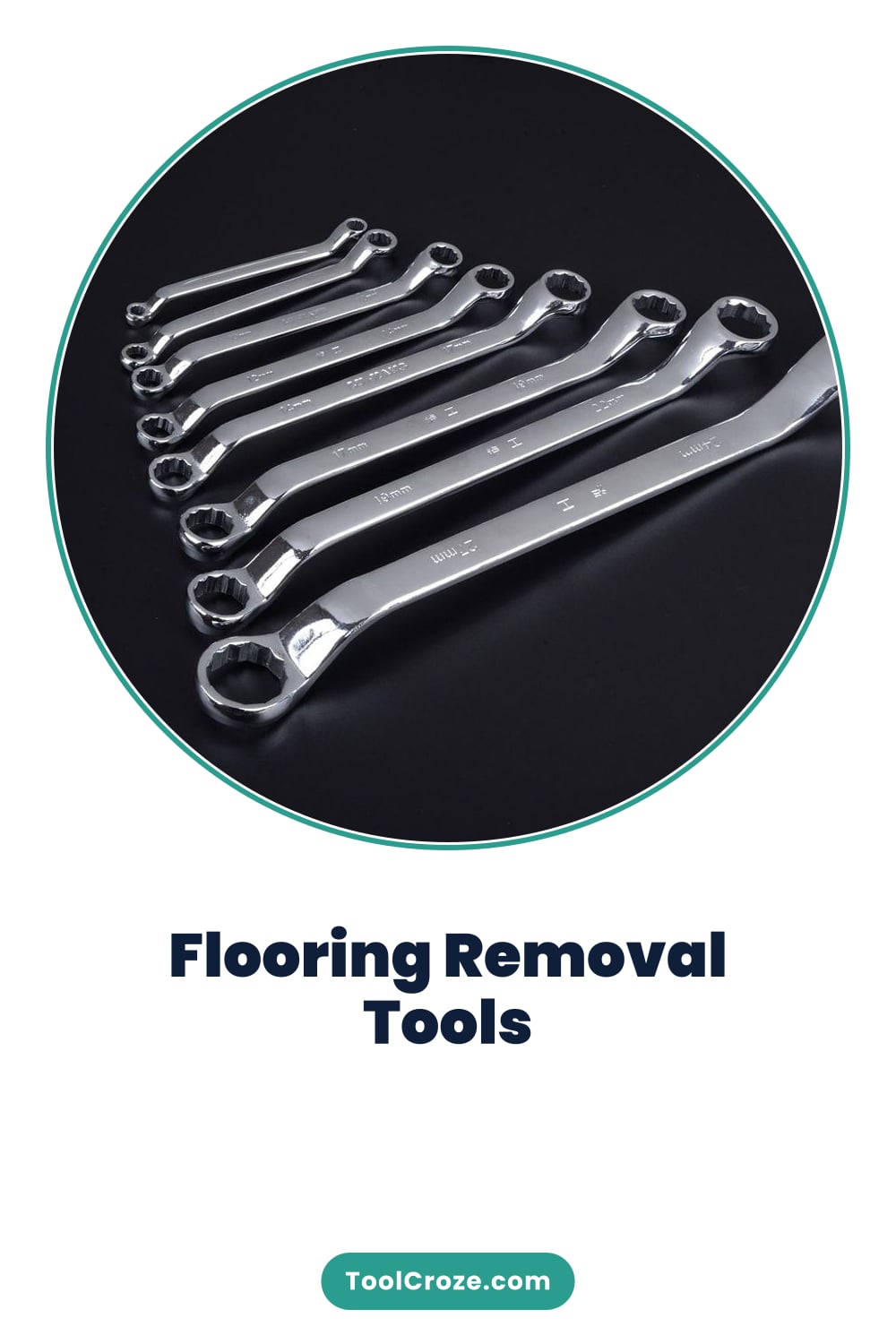
Removing old flooring can seem like a good home project until you start to discover the difficulties of removing flooring with no correct tool. One bad move with teh flooring remover tools can result in chasing nails for hours or ending up with a sore back from bending over for several days. The difference between successfully completing the job in one weekend and struggling with the job for a month is the selection of the correct tools.
Good tools will make the job more easy for you, as they will allow you to use less muscle power to remove the old flooring. Good tools will also protect the remaining layer of flooring that you may want to use for other parts of your home, and will prevent you from creating a frustrating experience when removing the old flooring. Below are the tools that will be the most useful for your flooring removal projects.
The Best Tools for Removing Old Flooring
1. Flat Pry Bar
The first tool to purchase is a flat pry bar. A flat pry bar has a thin leading edge that allows you to easily place it under the edges of the flooring that you are removing. The thin leading edge also allows you to gain a mechanical advantage without splitting the flooring.
Many good flat pry bars has a slight curve at the end of the pry bar, which allows you to lift the flooring without digging the pry bar too deep into the subfloor. You will use a flat pry bar in tight spaces that may not allow other tools of larger dimensions to enter the space. A flat pry bar can remove baseboards, floor trim, and even stubborn nail.
Furthermore, the precision of a flat pry bar will allow you to remove hardwood flooring that you plan to use elsewhere in your home. A flat pry bar will require some muscle power to remove nails, so wear knee pads if you plan to use the tool for many hour on your knees.
2. Flooring Scraper
The next tool that you should acquire is a flooring scraper. This tool features a wide, stiff blade that is set at an angle. A flooring scraper will allow you to remove adhesive from the flooring, staples from the flooring, and any extra glue on the plywood subfloor. Furthermore, the flooring scraper tool allows you to remove old vinyl or linoleum from a concrete subfloor without damaging the concrete.
Use short stroke with the tool and make sure that the blade is sharp to create the best results. For large flooring jobs, you might want to rent an electric floor stripper. These tools use vibration to move a heavy blade across the floor to break the bond between the flooring and the substrate upon which it rests.
3. Electric Floor Stripper
It makes the most sense to rent an electric floor stripper if you only need to remove flooring from one room in your home. The reason for this is that it will rarely pay for itself unless you perform flooring removal as a profession. Use the tool instead of your muscle to perform the job.
Simply walk behind the tool at a steady rate while the tool performs the job of breaking the bond between the old flooring and the subfloor. The electric floor stripper will create alot of dust in the work area. Make sure that you clear the room of individuals before you begin use the tool.
4. Hammer and Nail Puller
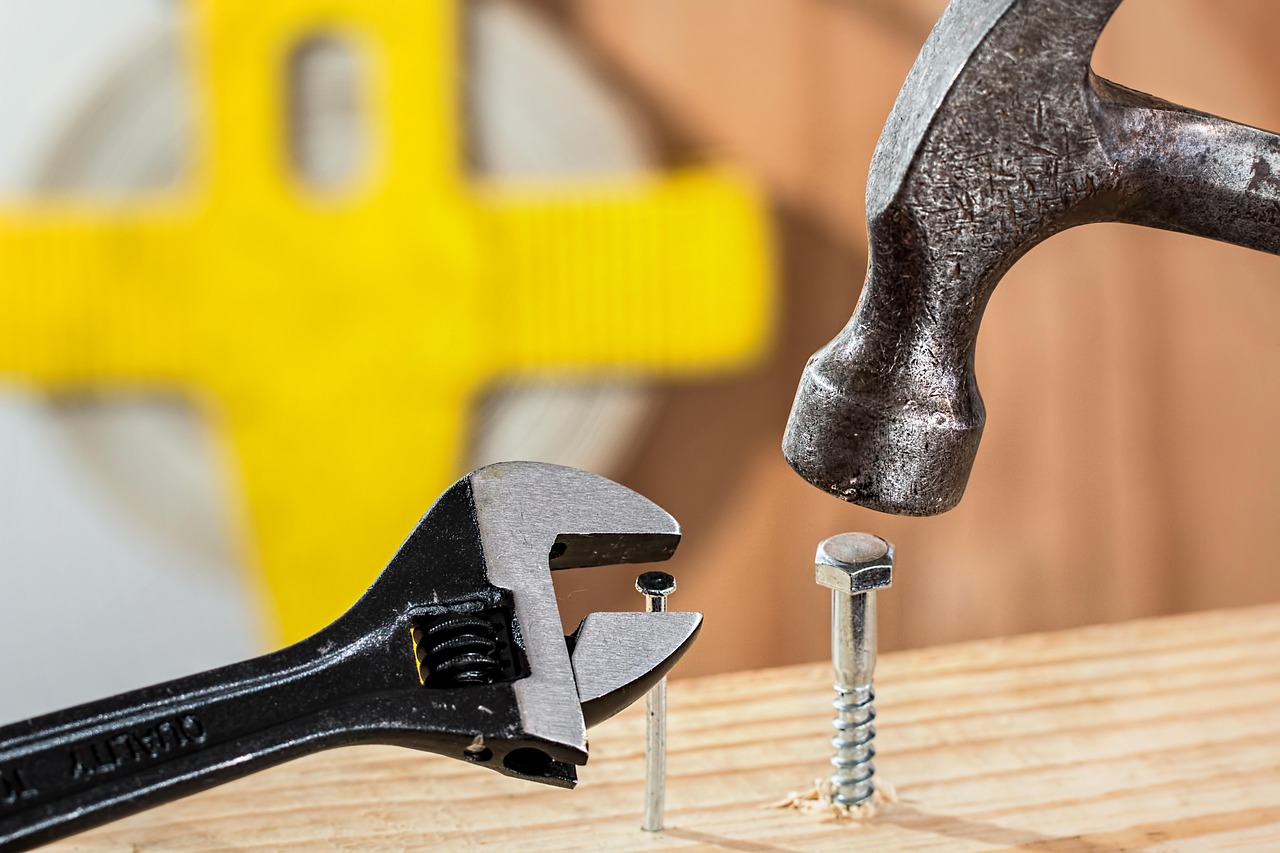
A hammer and a nail puller might seem to be the least helpful tools to include in this list. However, a good nail puller can come in handy. A nail puller has a slotted end that allows it to grip the heads of nails that have been driven below the floors surface.
By pushing the nail puller under the nail and lifting it, you will remove the nail from the floor without leaving behind a metal stub. Metal stubs will ruin any flooring that you install next to the damaged flooring. The best nail pullers have a rubber grip.
This rubber grip is essential to keep your hand from sliding off the tool if it gets covered in sweat or sawdust. These types of nail puller is inexpensive tools. However, getting the wrong tool might cause you to suffer from minor injuries.
5. Knee Kicker and Carpet Knife
When removing glued down carpet, using a knee kicker and a carpet knife will make the task easier. The knee kicker will stretch the carpet slightly. At the same time, the carpet knife will allow you to neatly slice the carpet padding without fighting the carpet.
This pair of tools is perfect for tight area that a power stretcher might not be able to reach. Using a knee kicker and carpet knife requires a rhythm that will be automatic with use. You should kick the carpet, slice the carpet, roll the carpet waste to one side, and then repeat.
This old-school method will work better in certain situations than the fanciest of gadgets. For removing stuck mastic from concrete floors, a floor buffer with a carbide scraper is a very valuable tool. This tool can spin its heavy-duty blades slowly to grind away the years of black glue without creating much dust.
6. Floor Buffer with Carbide Scraper
However, the right blade is essential. Some types of mastic respond better to heat. Some mastic respond better with an aggressive scrape with a scraper.
Other types require a chemical stripper before they will come off the concrete. Take time to test any such tool in a small area to ensure that you do not make a bigger mess than the one you started with.
7. Heavy Duty Utility Knife
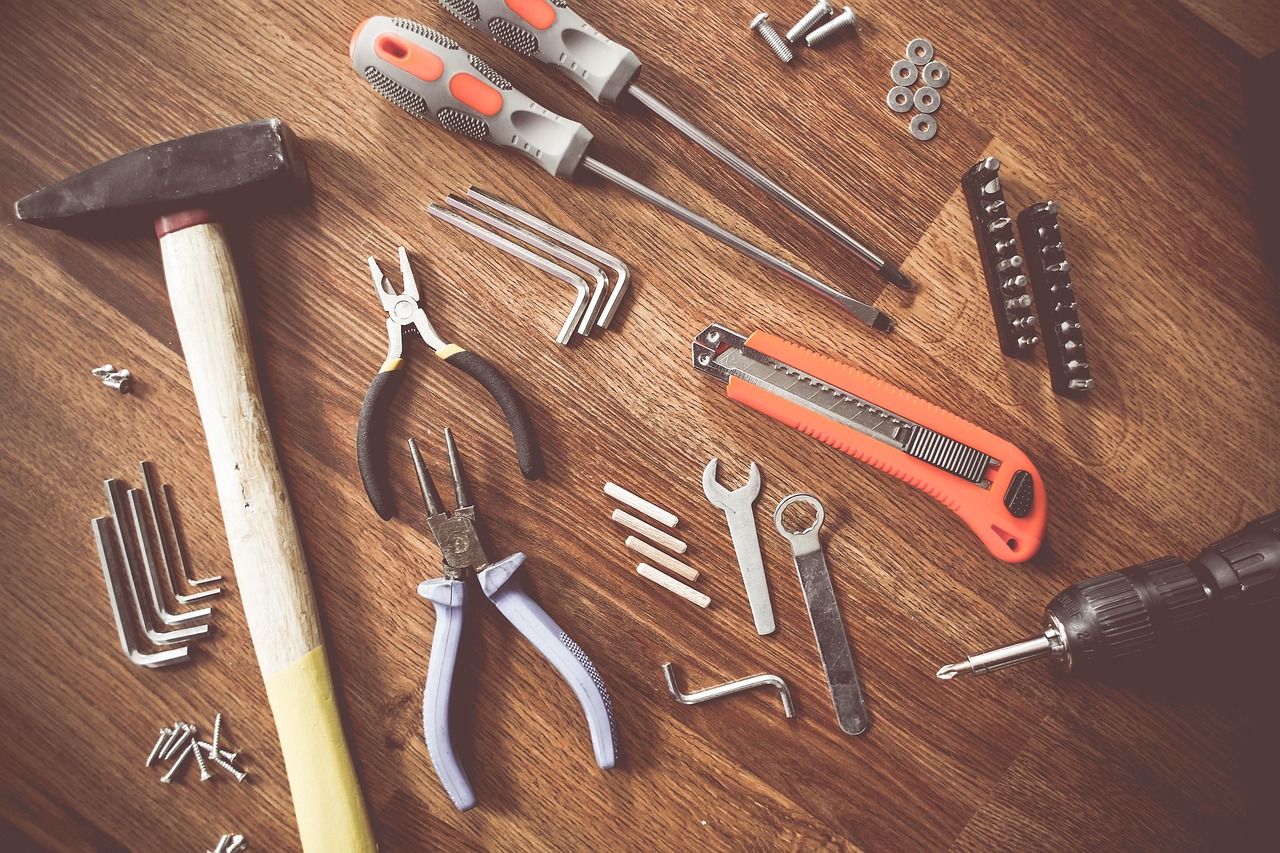
A utility knife might seem like the most obvious tool to use for floor removal. However, you will most likely go through many of them. Using a heavy-duty utility knife with a segmented blade will let you snap the dull section of the blade so that you can continue using it. These knives come in handy for cutting carpet, scoring vinyl floor to make it lift easily, and trimming underlayment.
Always keep a pack of utility knife blades in your pocket in case you need them.
8. Reciprocating Saw with Demolition Blade
Hardwood floors that have stubborn adhesive and nails require a reciprocating saw with a demolition blade. This saw will allow you to easily cut the nails that will not budge with other tools.
Additionally, the demolition blade will allow it to easily move between the boards of the hardwood floor. Use this tool in case all others have failed to help remove the hardwood floor. Additionally, be sure to wear eye and ear protection as this tool is loud, aggressive and creates sparks.
This tool can save you the day when one row of hardwood floor will not budge.
9. Shop Vacuum
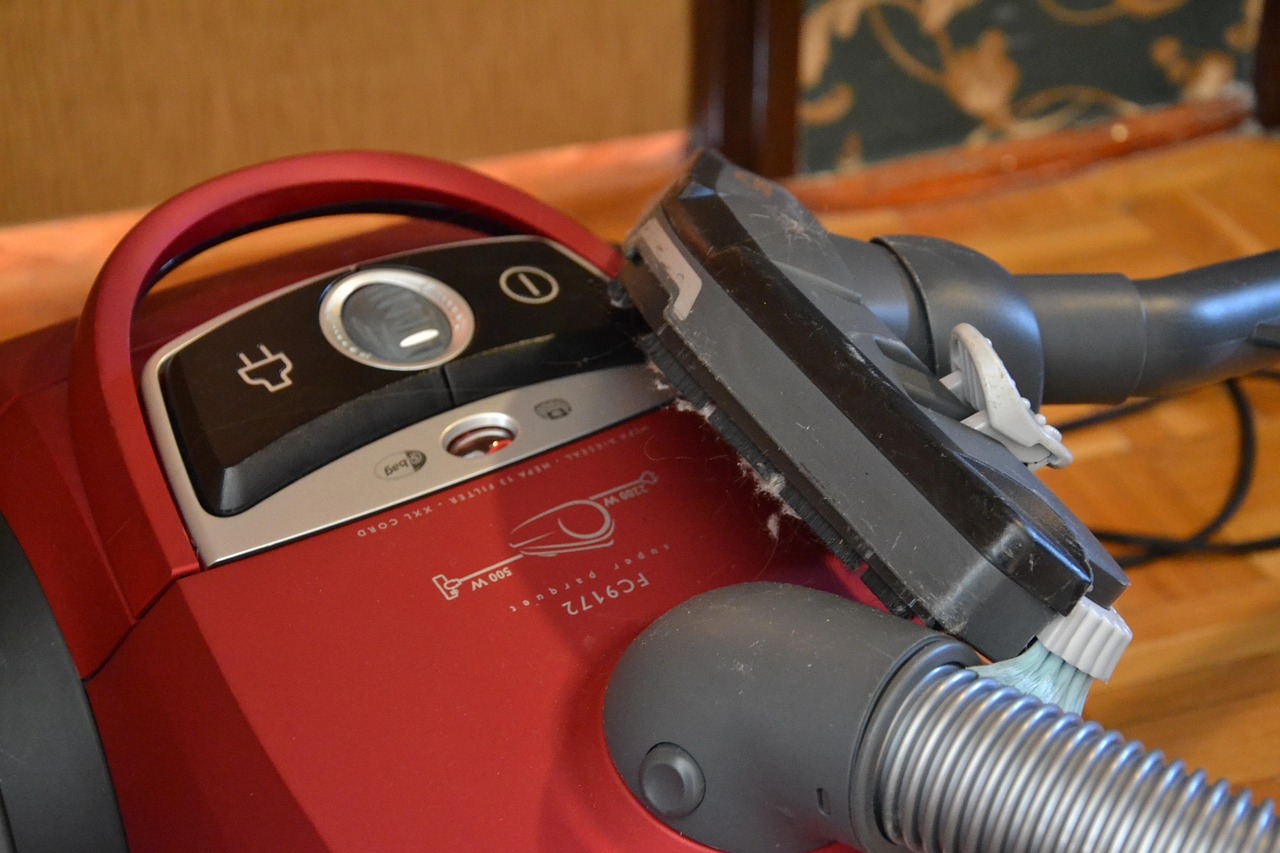
Lastly, you should not overlook the importance of a shop vacuum. These floor vacuums will come in handy during any type of flooring removal.
Shop vacuums with a wide floor nozzle will keep your work area visible and clear of grit that might otherwise get ground into the subfloor. Additionally, they will protect your lung when performing this task. Be sure to empty the vacuum often as a clogged vacuum will quickly lose its suction which will turn it into an expensive paperweight.
Using the right combination of the tools listed will make the destruction of the old floor easier and more precise like a surgical operation. Use the pry bar and scrapers for delicate tasks. Use the power tools for wide area flooring removal and the rest of the tools for the detailed tasks after the flooring is removed.
Each tool has a specific job and as the floor destroyer, you should know which tool to pick out for each job. Ensure that you properly sharpen, charge and ready these tools to be used in your next flooring project. If you have these tools, the floor will come up faster and the subfloor will remain intact.
You will have energy left over to complete the fun part of installing something new and beautiful in the spot where the old floor used to be.
