
While drywall demolition may appear to be a matter of chaos, drywall demolition becomes organized if you have the correct tool in your hands. Having the proper tools in your hand will turn what you thought was a laborious job of tearing apart drywall will become a series of satisfying movements. The skills you use wont rely on your strength.
Instead, you will determine the proper tool to use to complete the job without damaging other item in the room and avoiding health problem from the sawdust. A good set of drywall demolition tools will allow you to separate the drywall from the studs and limit the damage you might do while tearing down the drywall. The tools will also assist in keeping the mess contained.
Each tool listed below was chosen for a specific problem that will appear the moment you start swinging your drywall demolition hammer. Some will make your job quicker, some will protect your house, and some tool will prevent you from developing an hatred for the job after three hour of demolition work. The best tool to start your drywall demolition work is the drywall demolition hammer.
Essential Tools For Drywall Demolition Projects
1. Drywall Demolition Hammer
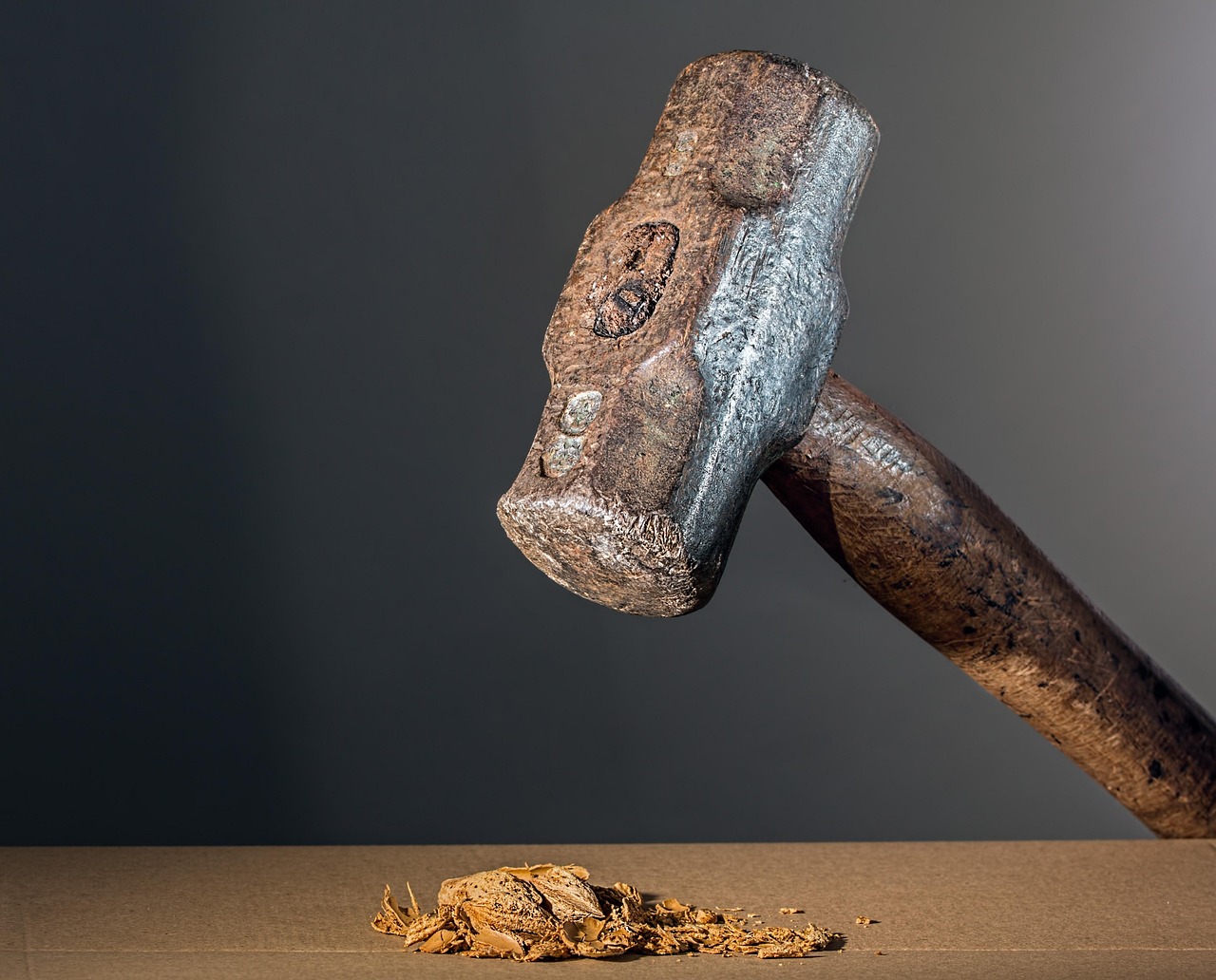
A standard hammer can be used if you have no other option, but a drywall demolition hammer has features that make it the best choice for the job. The serrated face of the drywall demolition hammer will help it adhere to the drywall, and the hatchet blade on the back of the tool will allow you to score or snap the drywall sheet. The weight of a drywall demolition hammer is balanced forward so that swinging the tool will help you not tire your shoulder.
Additionally, the curved claw will help you remove nails without having to use a pry bar later. This feature save time, and despite the fact that the tool is specialized, it will become your go-to tool once you use a drywall demolition hammer for the first time. Instead of a general-purpose hammer, keep a drywall demolition hammer in your demolition tool bucket and not your everyday toolbox.
2. Wrecking Bar
The next tool in the demolition kit is the wrecking bar, also known as a wonder bar or a flat bar depending on the tools’ specific shape. This tool will be used to create the initial gap that the other drywall demolition tools will use. Insert the thin end of the wrecking bar into the drywall and lever it to lift the drywall without shattering it.
A long wrecking bar will help with drywall near the ceiling while the shorter tool will help with drywall near door frame. You should have one wrecking bar of each length. A potential downside of the wrecking bar is the risk of denting the framing by aggressively swinging the tool.
However, the wrecking bar will be your tool of choice in a slow and steady manner.
3. Utility Knife
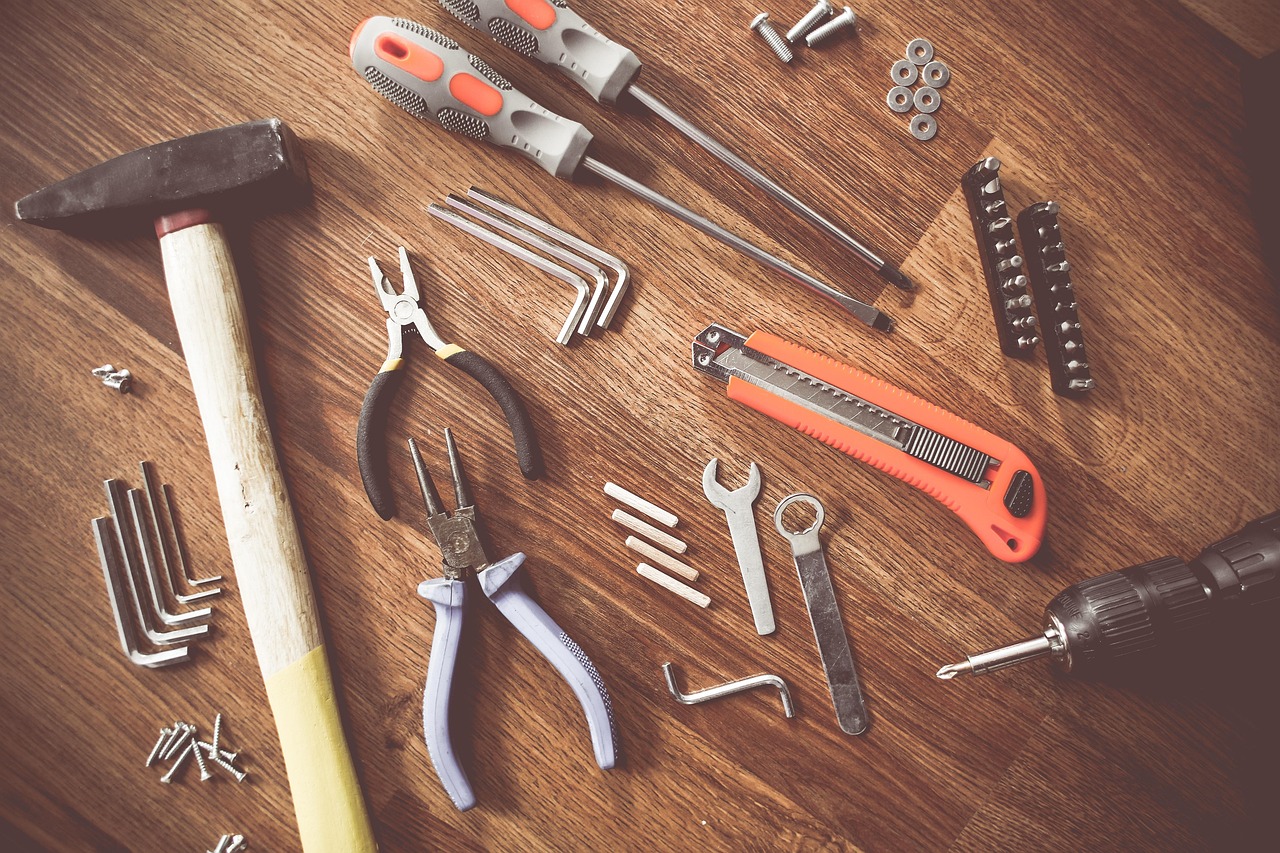
The utility knife might seem like the least useful tool in the kit. However, the utility knife will prevent more mistake than any other tool.
Use the utility knife blade to separate the two sheet of drywall before starting to use the wrecking bar to lift the drywall. This will prevent the paper from tearing on the drywall sheet that follows the drywall that is being lifted. Additionally, use the utility knife blade to cut around electrical box before beginning to demolish the drywall.
Change the blade of the utility knife every hour or two when you start to notice the sawdust of drywall sticking to the blade. A sharp blade ensures that the drywall is sliced instead of torn, and a neat cut will make the drywall easier to replace later.
4. Reciprocating Saw
A reciprocating saw fitted with a coarse wood-and-nail blade will work best to remove a large volume of drywall.
Use the wrecking bar to create an opening in the drywall sheet and insert the reciprocating saw into the opening to quickly snip the drywall along the drywall. This tool is helpful when you need to quickly remove drywall from a section of the wall. Additionally, using the reciprocating saw will allow you to snip the drywall along the ceiling line and avoid having to climb on a ladder.
However, use the tool so that the saw blade is perpendicular to the stud. Additionally, wear hearing protection when using the reciprocating saw because the noise is loud in a closed room. Always ensure you cut the power to any circuit behind the drywall before using the reciprocating saw.
While this saw is fast and helpful, do not sacrifice the safety of the circuits behind the drywall for convenience.
5. Shop Vacuum
Using a shop vacuum that has a drywall-specific filter will help you contain the sawdust created when demolishing drywall. Using the shop vacuum you can attach the hose to the reciprocating saw or the nozzle to your drywall demolition hammer.
By using the shop vacuum you will dramatically reduce the amount of sawdust in the air. You will still have to wear a respirator while demolishing drywall, but your lung and the house will thank you. Additionally, always empty the sawdust container of the shop vacuum often because sawdust will settle in the vacuum and clog the filter.
Taking a few extra minutes to clean up the sawdust with the shop vacuum will save you time later when the sawdust will be more difficult to clean up.
6. Drywall Router
A drywall router looks like an oversized pencil and will perform like a precision tool for drywall demolition. When you encounter drywall that needs to be torn down near an outlet, vent, or plumbing line the drywall router will allow you to cut around it without removing the drywall.
The plunge base of the drywall router will let you start cutting in the middle of a drywall panel. Additionally, a drywall router will make less noise and create less sawdust than a reciprocating saw. However, the reach of the drywall router might limit your use of the tool to drywall on the walls that are in front of you.
While you will need a reciprocating saw or a pole tool to remove drywall on the ceiling, a drywall router will work best for cutting the drywall next to an electrical outlet or vent.
7. Safety Gear

Safety gear is a tool that you should not skip if you would like to enjoy your demolition weekend. A properly fitted dust mask or respirator will protect your lungs from inhaling drywall sawdust.
Safety glasses or a face shield will protect your eye from drywall sawdust if you are looking up at the drywall. Additionally, wear glove to protect your hands from sawdust when demolition and wear steel-toe boots in case you must remove chunk of drywall from the ceiling. While it may seem like a chore to put on the safety gear it will become a habit and a necessity.
Safety gear will allow you to avoid inhaling drywall sawdust for a week, which could lead to serious respiratory problem.
8. Magnet Stud Finder
A magnet stud finder will save you time when tearing down drywall. Place the magnet on the drywall and it will snap to each stud and nail on the drywall.
Use a pencil to mark the line of stud. This will allow you to remove the drywall without hitting any wire or water pipes. Some of the newer stud finders use magnet and electronic sensor to find studs and drywall screws.
For a few dollar the magnet stud finder will save you time and money by preventing any mistake you might make with drywall demolition.
9. Floor Scraper
Finally, the floor scraper or the broad knife will help you to clean up the job. After using the reciprocating saw and the drywall demolition hammer you will have hundreds of drywall piece left behind on the floor.
The floor scraper will help you to remove these drywall remnant without damaging the subfloor. Use a knee pad in case you have to use the floor scraper across the room. While this tool is not the most glamorous in your toolbox the floor scraper will allow you to have a flat drywall area for your new drywall and floor trim.
When drywall is torn down with the proper tools, the job feel as if it was carefully done instead of brutally ripped out of the drywall studs. Each tool listed above has a specific job that it will fulfill so that it becomes the most logical tool to use for that job. Additionally, always keep your tools clean, ensure that any blade are replaced before they become dull, and respect the hidden system in the drywall.
By using these tool you will have a drywall area that is ready for the next job. These drywall demolition tools will allow you to avoid hiring a demolition crew and avoid the chaotic clean up.
