
An oscillating tool is a tool that you hold in your hand to perform various tasks. An oscillating tool hums and vibrates to cut through various materials such as wood, metal, or even grout. Despite the precision that is required of an oscillating tool, those tools may stop working unexpectedley.
An oscillating tool may stop moving its blade, the motor of the oscillating tool may spin but the blade may not move, or the entire oscillating tool may stop after ten seconds of use. These oscillating tools allow for a person to complete a variety of tasks. Whether a person is in the middle of trimming door jambs or removing old tile with an oscillating tool, the project may end suddenly when the oscillating tool fails.
The failures that occur with oscillating tools have a pattern to them. If an oscillating tool stops working, it is possible to diagnose the problem with the oscillating tool, and it is likely that you can fix the problem with the oscillating tool without purchasing a new oscillating tool. The reasons that an oscillating tool may stop working include:
Common Reasons Your Oscillating Tool Fails
1. Power Supply Problems
Problems with the power supply of the oscillating tool are the most common cause of failures in an oscillating tool.
When you first turn on the oscillating tool, you may hear a click with the switch on the oscillating tool, or there may be no sound at all. People often abuse the power cord of an oscillating tool. Pinched under ladders or stepping on it when using an oscillating tool will damage the power cord.
Even if the power cord looks fine, the movement of the oscillating tool may have created a break in one of the strands of the power cord. By unplugging the oscillating tool from the power supply, you can flex the power cord to see if the power is supplied intermittently to the oscillating tool. When the power flickers or the motor tries to turn on, you should replace the power cord.
2. Cordless Battery Issues
Batteries of cordless oscillating tools may experience problems. When the battery pack of a cordless oscillating tool is charged, there may be three bars of power shown on the battery pack. After the battery is used however, the voltage of the battery dies.
Heat weakens the battery over time. If the battery is within a hot truck for long periods of time, for instance, the battery will fail. In this case, you should remove the battery from the oscillating tool, allow it to cool, and test it in another oscillating tool.
If the other tool works but the battery fails in the second tool, you should replace the battery. Oscillating tools often overheat while performing a task. An oscillating tool creates a great deal of friction when it performs its tasks.
3. Overheating and Thermal Shutdown
If you force an oscillating tool to perform a task or its blade is blunt, it will heat up with use. After the tool reaches an elevated temperature, an overheating switch shuts the oscillating tool off. An oscillating tool will be hot to the touch when it is overheated, but will not start again for several minutes.
This is intentional to allow the tool to cool on a metal surface. During this time, the user should think about the task that they were attempting to perform with the oscillating tool with excessive force; altering the technique with which the oscillating tool is used will prevent the oscillating tool from overheating again. An oscillating tool may have an issue with the blade that is attached to the oscillating tool.
4. Blade Attachment Problems
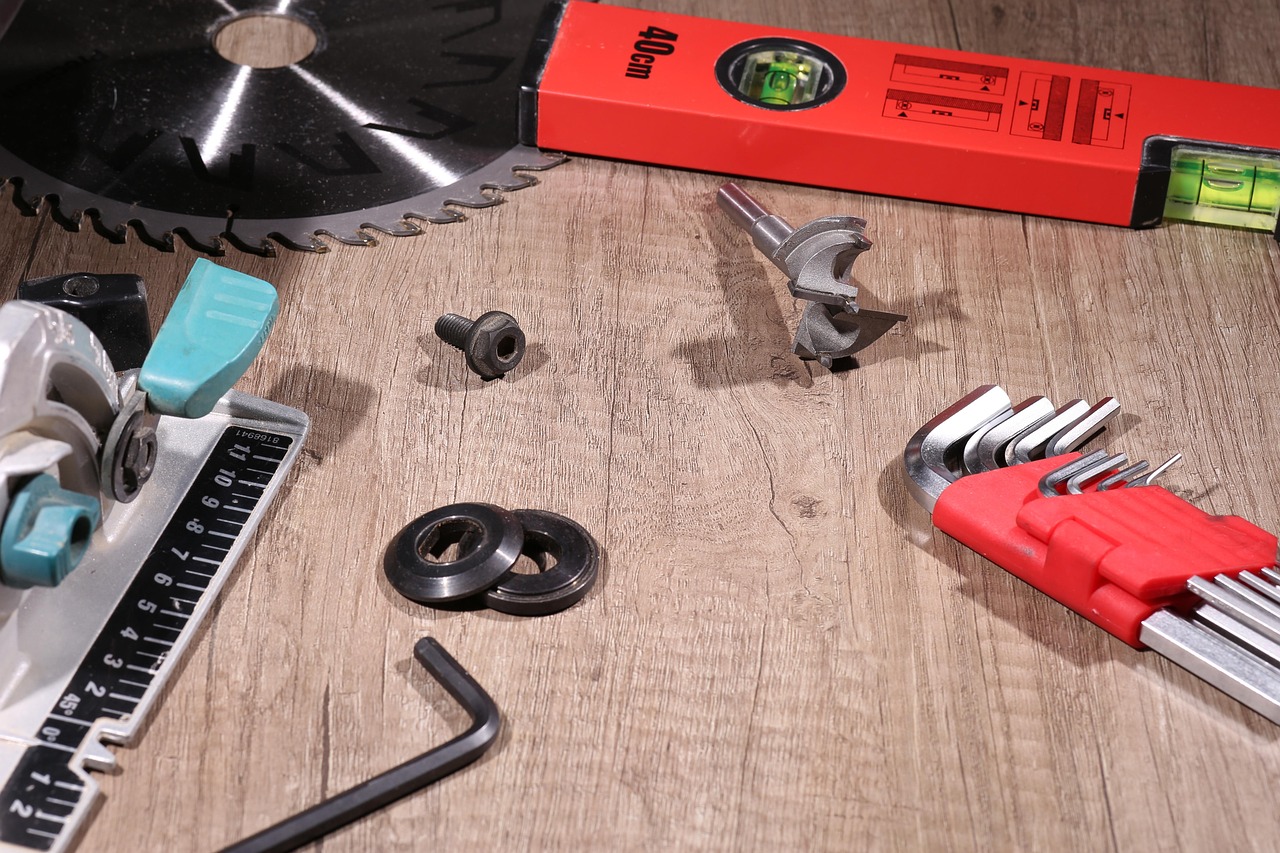
The blade may become loose on the drive pin that is in the oscillating tool. With the blade loosely attached, it may rattle for a few seconds, after which the oscillating tool will either vibrate excessively with the tool or the oscillating tool will stop moving. Many people overtighten the bolt that is used to attach the blade to the oscillating tool.
This bolt dont need to be tight to the point of discomfort. Overtightening the bolt distorts the blade that is attached to the oscillating tool. You should remove the blade, clean the drive pin, clean the blade of any residue build-up, and reattach the blade to the oscillating tool.
Following this procedure will make the oscillating tool run smoothly and quietly. The motor within an oscillating tool may experience worn motor brushes. Brushes made of carbon contact the motor with each use of the oscillating tool.
5. Worn Motor Brushes
With hundreds of hours of use, the carbon may erode over time. The oscillating tool may work well for a few tasks with the motor brushes, then the brushes may fail to provide enough power to the motor. High-end oscillating tools allow for the user to access the motor brushes for replacement.
By following the illustrated manual for the tool, you can replace the brushes. This will make the oscillating tool feel as if it is new. If the motor of an oscillating tool has deep grooves on its commutator, however, the worn motor brushes can be replaced.
In this case, purchasing a new oscillating tool is the best alternative. Bearing failure within an oscillating tool will create a grinding noise within the tool prior to the tool ceasing to work. An oscillating tool contains needle bearings that allow the blade holder to move at twenty thousand cycles per minute.
6. Bearing Failure
These bearings wear out over time. If you use the oscillating tool heavily or it is dirty, its bearings will wear out faster. When the bearings fail, the motor cannot turn the shaft.
You can replace the bearings of many models of oscillating tools. However, the repair is likely to be difficult for the average homeowner. The oscillating tool may be best retired before the failure of its bearings destroys its motor.
Over time the electrical switch within an oscillating tool can degrade. Each time that you turn the oscillating tool on and off, there is an arc between the switch. The switch can wear out with time from these electrical arcs.
7. Electrical Switch Degradation
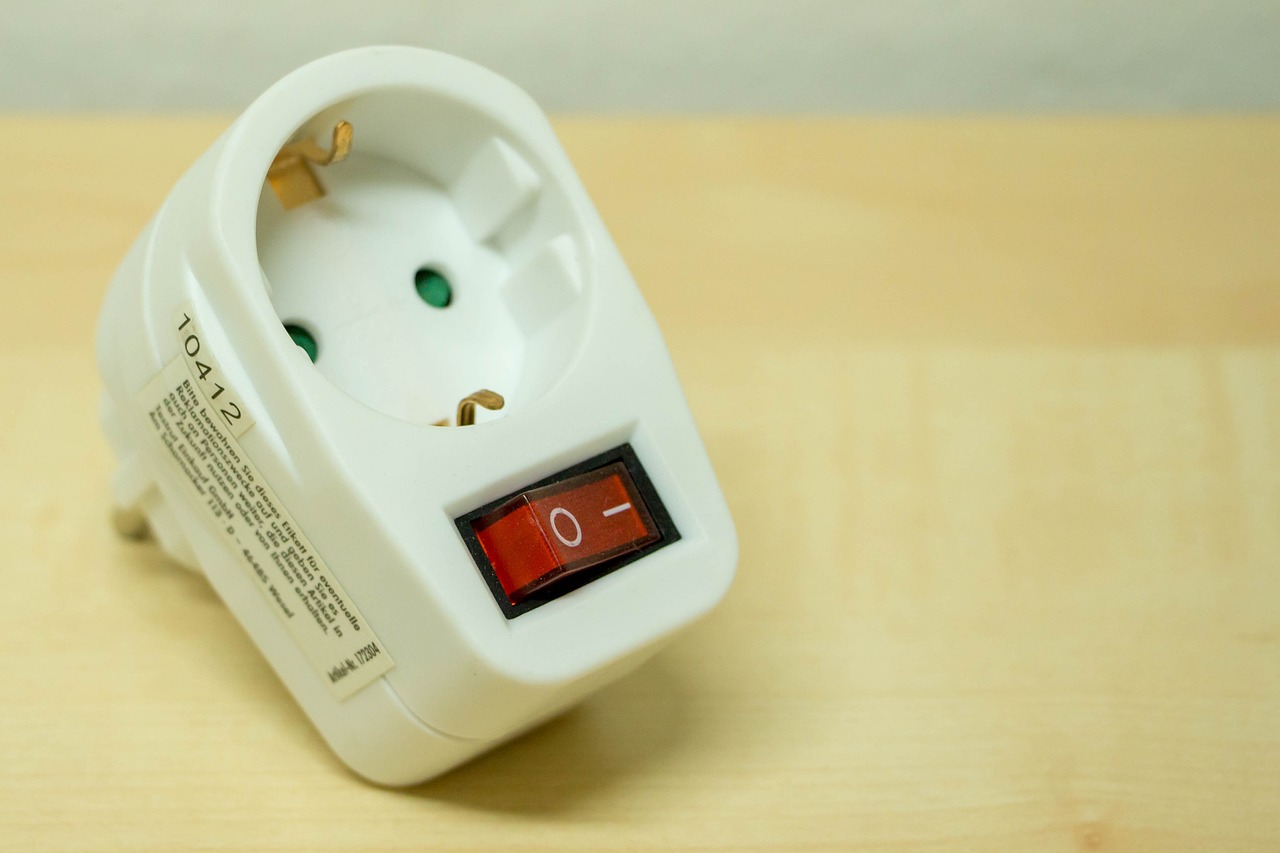
Eventually the switch will fail to allow the circuit to be completed. In this case, when the person presses the switch, there may be a single twitch from the oscillating tool before the tool stops working. If you open the tool, there will be blackened areas within the switch.
These areas can be cleaned, but rarely work well again for long periods of time. A new switch is inexpensive, and allows for the tool to work the same as when it was new. Tool owners often ignore dust infiltrating the oscillating tool until the oscillating tool fails.
8. Dust and Debris Infiltration
With every task that is performed with the oscillating tool, fine particles of dust are created. Over time, these particles enter the oscillating tool. Eventually, the dust builds up inside the motor, it clogs the cooling vents, and it turns the lubricant inside the oscillating tool to an abrasive substance.
Finally, the motor will not turn. Performing regular maintenance will save the oscillating tool from total failure. After each project, you can blow the oscillating tool’s vents out with compressed air, vacuum it, and wipe down the blade holder.
For those who use an oscillating tool with drywall or masonry work, a tool with better dust channels may be worth purchasing. Modern oscillating tools with variable speeds often have faults within the speed control circuits that cause the tool to fail. The oscillating tool may work perfectly at one speed but may fail to work at another.
9. Speed Control Circuit Faults
Inside the handle of the oscillating tool are electronic circuits with tiny boards that control the speed of the oscillating tool. If one of these electronic components should fail, the oscillating tool will fail at certain speeds. These repairs require the user to open the tool and replace electronic components.
Only those who are comfortable with soldering irons or who are able to find replacement parts will undertake these repairs. Otherwise, the user can purchase a new oscillating tool. The final and most expensive problem with an oscillating tool is a burned-out motor winding.
10. Burned Out Motor Winding
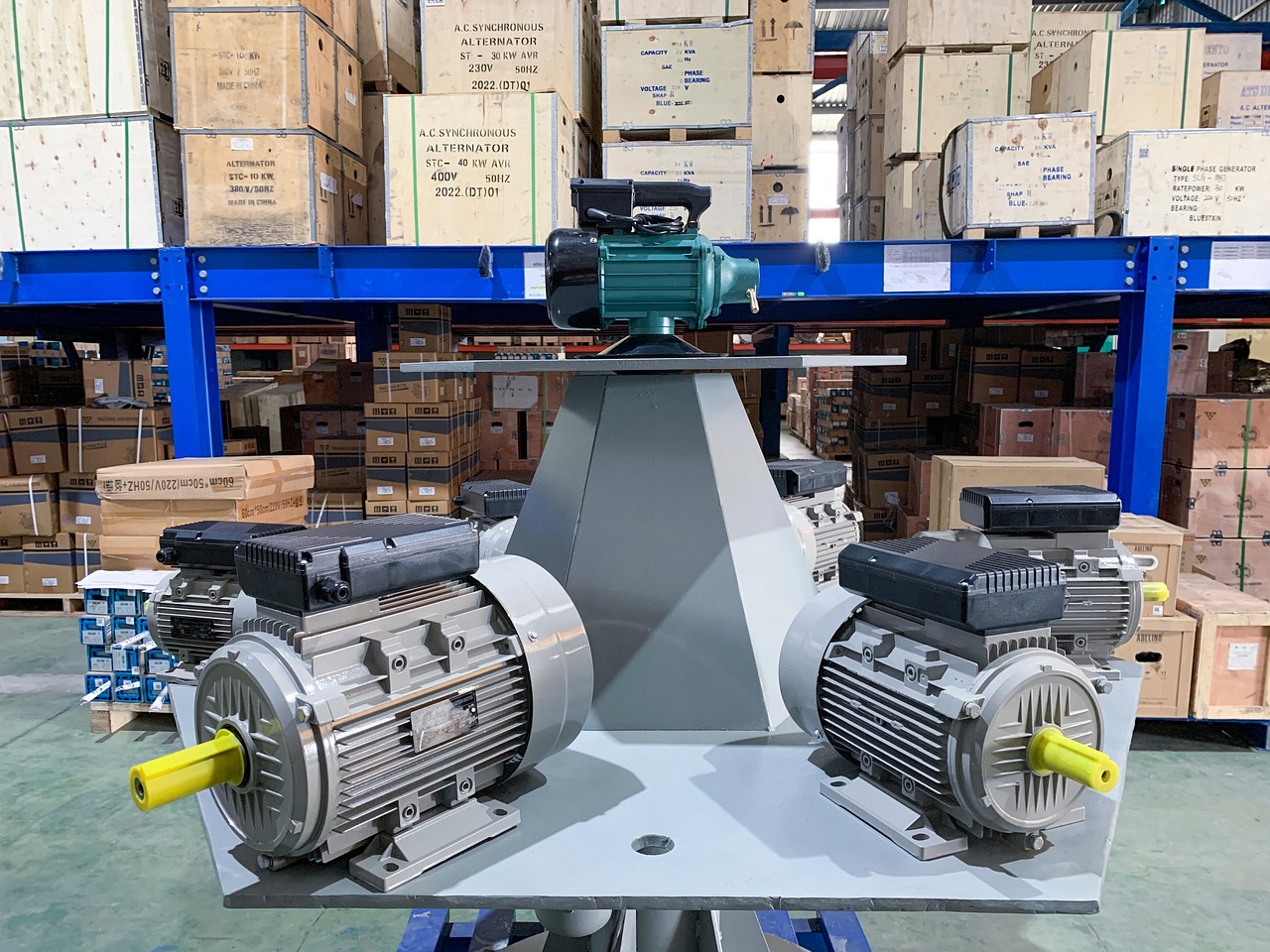
Symptoms of a burned-out motor winding include the smell of ozone or burnt insulation, and the motor makes loud noises while it cannot turn the blade. The motor winding is broken. The cost to repair a burned-out motor winding is close to buying a new oscillating tool.
This failure often occurs after years of ignoring maintenance of the oscillating tool or when the tool is used too much. An oscillating tool is a precision instrument and should not be used to hit things. If an oscillating tool suddenly stops working, there are a variety of steps that a user can take to fix the problem.
For instance, first check the power supply to the oscillating tool. Next, check if the oscillating tool is attached correctly. Then, check to see if the oscillating tool is overheated.
Finally, check for any wear and tear on the oscillating tool. Each of these checks will eliminate a potential cause of the failure of the oscillating tool. Eventually, the oscillating tool will be working again.
Thus, a person can regain the confidence to use an oscillating tool in any project. These compact power tools is some of the most valuable tools for those who rely on them to perform various tasks in the home.
