

A band saw are a very versatile tool. However, the versatility of a band saw comes from the type of blade that is used in the saw. Using the wrong blade for the specific task at hand will result in the band saw drift from the cut.
On the other hand, using the perfect blade for the job at hand will allow the saw to make clean cuts in both hardwood and delicate wood. By understanding the different types of blades and their features, there will be no need to second-guess the type of blade you should be using on your band saw. There are three main feature of band saw blades that determine what types of bandsaw blades you should be using for a specific task.
Those three features include the tooth pitch of the blade, the shape of the teeth on the blade, and the width of the blade. By understanding how these three features interacts with each other, you will understand the types of blades you need for the different sawing jobs you will encounter. The most common type of blades that can be found in most wood workshops are hook-tooth blades.
Common Types of Band Saw Blades
1. Hook-tooth Blades
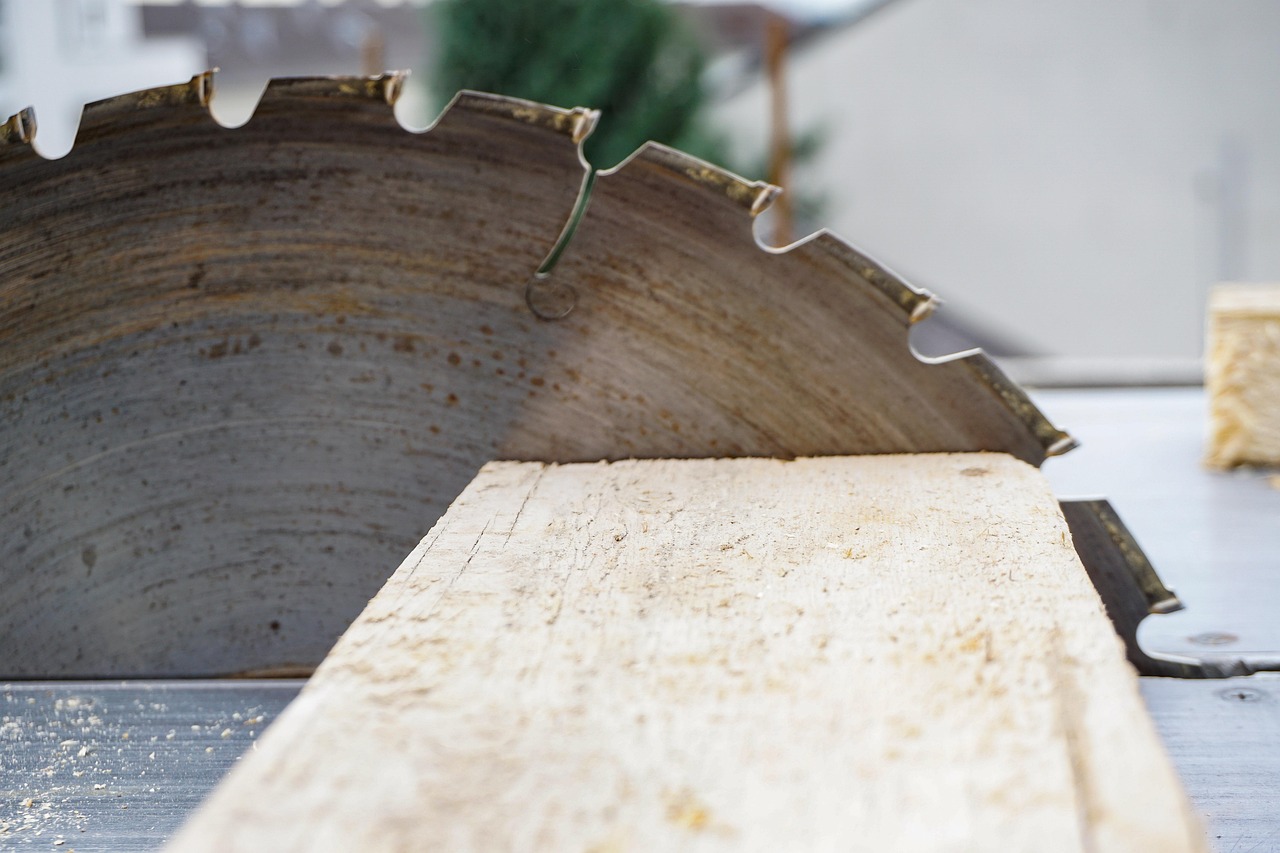
These blades feature a 10-degree hook on each of the teeth, which allow the blade to cut quick into the wood with the teeth clearing any sawdust created during the sawing process. The gullets on the blade are deep enough to allow the blade to resaw thick planks. However, the teeth on the blade are small enough that the wood created with these blades does not require sanding prior to further processing.
Use of these blades are recommended for cutting stock between three-quarters of an inch and four inches in thickness. However, because of the 10-degree hook on each of the teeth, you should not use these blades on stock thinner than half an inch. Skip-tooth blades are less aggressive than hook-tooth blades.
2. Skip-tooth Blades
These saw blades feature widely spaced teeth that create deep gullets in the blade, allowing for the sawdust to be evacuated from the saw as the blade move through the wood. These blades are ideal for cutting softwoods as well as green lumber, which contains more moisture than seasoned lumber. The reduced vibration of the saw when using these blades is ideal for those who are performing long rip cuts on their lumber.
Additionally, woodturners often use these blades when they are cutting bowls because the less heat that is created on the blades, the less likely the blades will lose their edge. The sawdust created by these blades is coarser than hook-tooth blades, which make them unsuitable for the final dimensioning of lumber. Variable-pitch blades has teeth that are spaced unevenly around the saw blade.
3. Variable-pitch Blades
This feature cause the saw blade to not resonate at any specific frequency, which reduces the noise created by the blade. Additionally, the reduced noise creates even smoother cuts into the densest hardwoods. Because of the even cuts these blades will make, cabinetmakers use these blades to cut cherry and maple wood.
These blades are more expensive than other types of blades, but the reduced hours required to sand the wood after cutting with a variable pitch blade will pay for the blades. Bi-metal blades have a high-speed steel blade edge welded to a flexible metal alloy. These blades will maintain their sharp edge when cutting abrasive materials, such as particleboard, fiberglass, or thin aluminum sheets.
4. Bi-metal Blades
Additionally, the teeth on these blades will not dull when cutting wood with hidden nails, such as reclaimed pallet wood. These saw blades are strong enough to cut tight radii, which is another reason why rescue crews have portable band saws with bi-metal blades. Bi-metal blades cost twice as much as carbon steel blades.
However, the need to change blades every few hour when cutting abrasive materials will pay for the higher price of the bi-metal saw blades. Carbon steel blades are the most commonly used saw blades in most workshops. Carbon steel blades are made from one piece of high-carbon steel.
5. Carbon Steel Blades
This steel will take a keen edge to the blade. Additionally, the lower price of these saw blades indicates that they is purchased in larger quantities to have access to different sized blades. Carbon steel saw blades will flex around small saw wheels.
Hence, they are ideal for sawing scroll-type wood. However, carbon steel saw blades lose their temper more quickly than bi-metal saw blades. However, saw blades used for a few hours a week will provide more performance for their low price tag.
Narrow band saw blades, under one-quarter of an inch in width, are used for cutting curves in the wood. Narrow blades with fourteen teeth per inch can quickly cut delicate curves in the wood. However, narrow blades cannot cut deeper than three inches into the wood.
6. Narrow Band Saw Blades
Additionally, you must properly tension narrow band saw blades so they do not twist while cutting the wood. However, with the proper feeding of the saw blade, narrow band saw blades will provide a sawing experience similar to a powered coping saw. However, narrow band saw blades are not ideal for cutting straight thick pieces of wood.
For instance, do not use narrow blades on a four-by-four foot piece of wood. Using narrow blades for such jobs will quickly break the blades. Three-eighths-inch band saw blades are among the most versatile.
7. Three-eighths-inch Blades
These blades are wide enough to allow for the saw blade to remain straight during the sawing of thick wood with a broad cross-section. However, they are narrow enough to allow the saw blade to cut arcs in the wood. For instance, a three-eighths-inch band saw blade with four teeth per inch will allow an individual to cut eight-quarter inch oak without any drifting of the blade.
Additionally, a three-eighths-inch blade with ten teeth per inch will allow the blade to cut arcs into drawer fronts. Hence, woodshop professionals and students of woodshop skills most commonly own three-eighths-inch band saw blades. These blades are included in the saw with the purchase of a band saw.
The other main category of band saw blades is the wide blades that are one-quarter inch in width and beyond. These blades are dedicated to one main task: resawing. The extra steel behind the teeth on the blade allow the blade to saw through thick pieces of wood, such as cherry wood that is twelve inches in diameter.
8. Wide Blades
Pair the blade with a sharp hook tooth saw blade and it can quickly become a miniature lumber mill. However, any blades that is one-quarter inch in width will not be able to cut anything with a radius smaller than eight inches. Hence, woodworkers who understand the capabilities of their saw blades will only purchase one wide blade and use it for one main sawing task.
The most exotic of all saw blades have ground carbide teeth. These teeth use tungsten-carbide grit to allow the saw blades to cut through materials that would quickly destroy a conventional steel saw blade. Common uses for these blades include sawing through composite decking, cement board, and high-pressure laminates.
9. Ground Carbide Teeth Blades
The ground carbide teeth will not dull quickly and will create smooth cuts in the wood. However, these saw blades are more expensive and create fine sawdust that you must properly extract from the saw blades. Your band saw will never be smarter than the saw blades that you give to it.
By understanding the capabilities of the different types of saw blades and the features that determine each saw blade’s purpose, you will have a better understanding of what your saw blade can do. The next time you hear your band saw hum rather than whine, you will know that the saw blade and the saw are in perfect communication with each other.
