
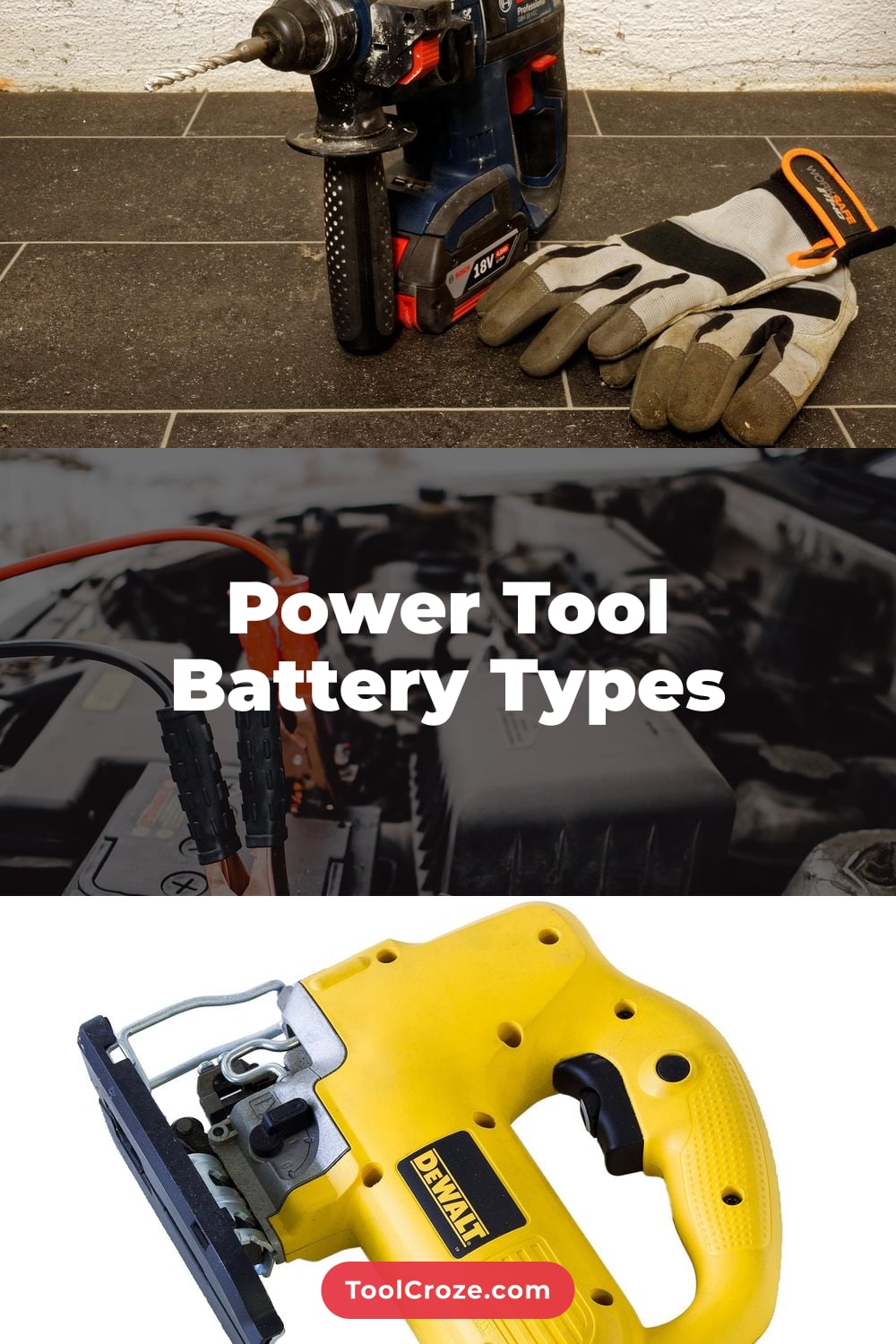
Power tool batteries determine how long your drill will run before it dies mid-job. The batteries also determine the amount of torque that the tool can provide. Additionally, the battery will determine if you spend more time charging them than you do using your drill.
Anyone who walks into a job site will see the same frustrations from tool users. These frustrations include a half-finished deck, a partially hung door, and a contractor struggling to find a pack of batteries in there truck. For those who want to ensure that they have their jobs done in the time that is allotted to them, the chemistry of the batteries is something that they should understand.
Knowing the different battery types for power tools will allow you to remove the guesswork in selecting the proper tool and battery for the job that you are required to complete. Manufacturers have been producing packs of batteries for power tools for many decades. Some of these power tool batteries had the memory effect and were very heavy.
However, there are different types of power tool batteries that have been created that work better in cold weather and last longer. Each new type of power tool battery was created to fix the issue from the previous type of batteries. The different types of batteries that are available for power tools today will be discussed in the list that follows.
Each battery will be discussed in regard to the type of jobs for which it is best suited and where it begins to show its weaknesses as a tool battery.
Different Types of Power Tool Batteries
1. Nickel-Cadmium (NiCd) Batteries
Nickel-Cadmium batteries, or NiCd batteries, started the revolution of cordless power tools. These batteries were the first to power cordless drills in the late 1980s. Additionally, there were many decades during which these batteries were the standard for power tools.
During this time, each battery pack was rated at around 1.2 volts per cell. These batteries were very durable. No matter how much you dropped them or how cold you stored them, they would still function with the tools.
These batteries would drain completely and still work to power the tool even when there was not enough power for the tool to function normal. It is for these reasons that some of the most ancient power tools with yellow and black finishes are still seen at work sites. The chemistry for these batteries is based upon the reaction between nickel oxide and cadmium.
These batteries can take deep discharges to drain completely but can still be recharged. These batteries were also prone to the memory effect when they recharged without completely draining the battery. Additionally, the heavy metals in these batteries created issues regarding their proper disposal.
Finally, the heavy weight that the battery had caused the users to develop wrist pain with extensive use of these power tools. Despite these flaws, there are situations in which the use of NiCd batteries is appropriate. For locations without electricity, or if the tools are to be lent to those who is inexperienced with power tools, these types of batteries are still bought and used.
In these instances, however, it is necessary to allow the battery to completely drain before recharging the battery to avoid the memory effect.
2. Nickel-Metal Hydride (NiMH) Batteries
Nickel-Metal Hydride batteries, or NiMH batteries, were the next standard for power tool batteries. These batteries used the same voltage as the NiCd batteries but contained more energy in the same size battery.
A battery with an 18-volt output would hold 30% more power than a NiCd battery. The chemistry of this battery changed the metal in the NiCd battery to an alloy that eliminated the use of toxic metals and reduced the memory effect. Additionally, the NiMH battery was slightly lighter in weight and had faster charging times.
These features allowed these batteries to feel more moddern in their function compared to the older batteries. Homeowners use these batteries because they are the most inexpensive option and because they are available on the used market. These batteries are better at handling cold temperatures than the early models of lithium batteries.
However, NiMH batteries lose their charge when left standing for periods of time. If a homeowner leaves a power tool with a NiMH battery on the shelf that is fully charged, the battery will lose it charge over time. A second issue with these batteries is the voltage drops with heavy use of the tool.
When the tool works hard at a particular job, there is a drop in voltage that makes it difficult for the tool to continue with its function. For weekend projects, these batteries will last a user a while. However, professionals who use power tools for long hours each day have transitioned to other types of batteries.
However, the introduction of the NiMH battery represented a major step forward in the power tool world and demonstrated the potential of further increasing the power of the batteries while reducing their weight.
3. Lithium-Ion Batteries
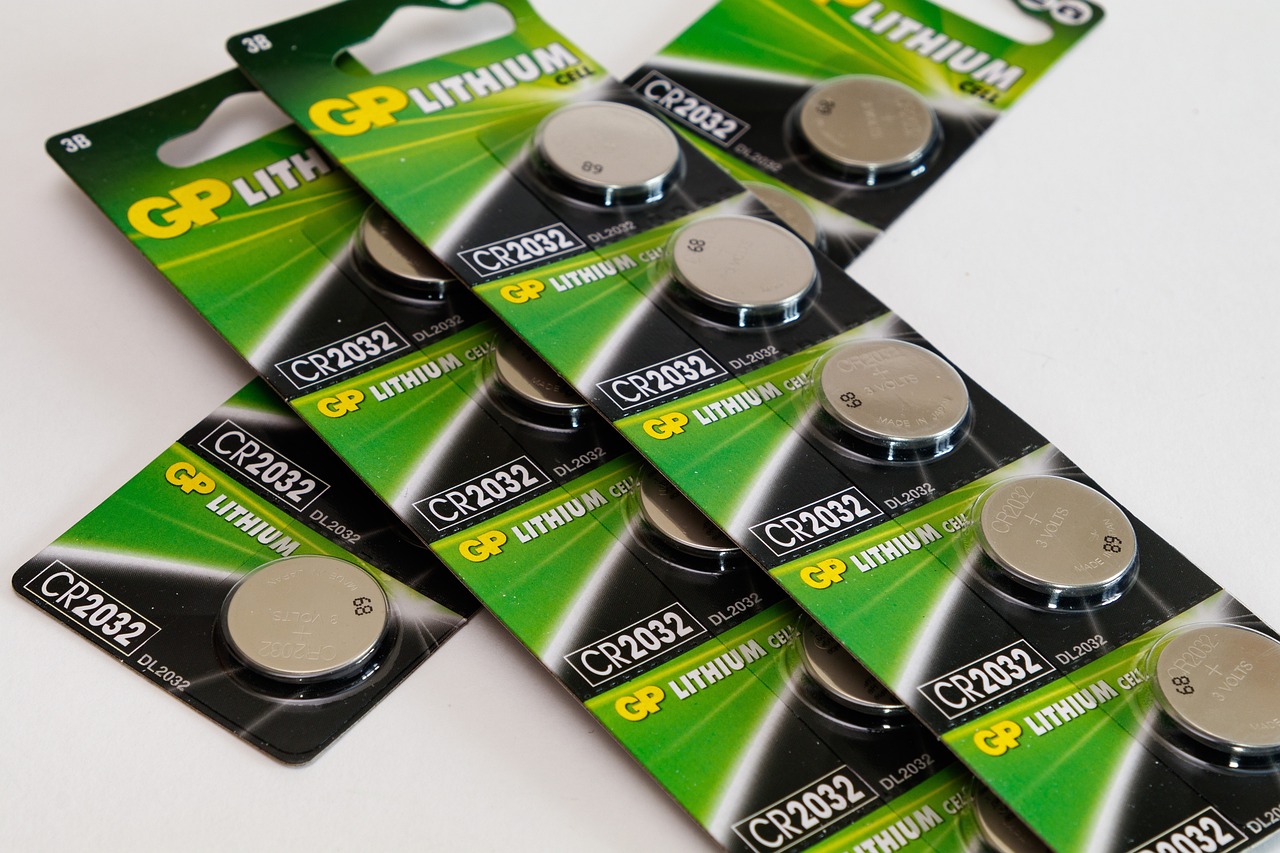
Lithium-Ion batteries are the most common batteries used in power tools today. When these batteries were introduced around the year 2005, it was a game changer for the industry.
A compact 18-volt lithium battery weighed half the weight of a NiMH battery but had twice the runtime with consistent voltage until the battery died. The chemistry for the batteries utilized lithium ions that reacted between two electrodes. Additionally, the reaction was lightweight and provided the power required by the tool.
Today, these batteries can hold 5 amp-hours or more in a size that can be held in one hand. Compared to other batteries, users will notice the advantages of the lithium battery right away. An impact driver with a lithium-ion battery will be able to drive lag bolts without a drop in the power of the tool.
Additionally, the lithium battery will run cooler while in use. This will extend both the life of the tool and the battery. Furthermore, lithium batteries hold their charge for extended periods of time when not in use.
Many models of these batteries can handle cold weather very well due to the newer formulations. Additives are included in these batteries to prevent them from plating lithium at low temperatures. In colder climates where the tools are required to operate in temperatures below 32 degrees Fahrenheit, the newer lithium batteries include an internal heater to ensure that the batteries maintain their power and will not fail when the user attempts to employ their tool.
Even though the advantages of the lithium battery are plentiful, the main drawbacks of these batteries are the cost of the batteries and the sensitivity of the batteries. The cost of purchasing a lithium battery is higher than the other batteries. However, the prices have fallen over time so that the cost of these batteries is more competitive.
Additionally, the batteries include protection circuits. These circuits will turn the batteries off if the voltage drops too low, the temperature increases too high, or if the current is too high in the battery. These protections prevent the battery from starting on fire.
However, if the battery trips these circuits, the user will be without their tool. These batteries must be handled with care and should not be leaving in a hot truck in the summer months. If the user avoids these situations, the lithium batteries will outlast any sets of NiMH batteries that they currently own.
For most applications, however, the choice of a lithium battery is the most appropriate for a power tool user.
4. Lithium-Ion High Output (HO) Batteries
Lithium-Ion High Output batteries, or HO batteries, were created to take the standard lithium battery to the next level. The makers of these batteries have increased the number of cells in the battery or have used higher-specification cells.
These batteries can contain 6 or 9 amp-hours, as opposed to the earlier 4 amp-hour batteries. These batteries have cleverly added channels that improve the cooling of the battery. A user can operate a rotary hammer for 30 minutes in a row or push a saw through hardwood with ease.
Contractors who work with wood framing or steel tracks enjoy the use of these batteries because they do not have to worry about the tool slowing down with use of the batteries. Some battery companies even use brighter colors to highlight high output batteries so that they can be recognized. However, there are some disadvantages to these batteries.
The weight of the battery increases due to the number of cells, which puts strain on the users’ wrists during extended work periods. The price for these batteries is higher, as well. However, one high-output battery can replace two of the standard batteries, which reduces the number of times a user must change batteries during the day.
For individuals whose jobs involve alot of drilling and cutting, these batteries are a worthwhile purchase. For those who mostly use their power tools for driving screws, however, they are an unnecessary purchase for a user.
5. Lithium Iron Phosphate (LiFePO4) Batteries
Finally, the newest addition to the battery world is the Lithium Iron Phosphate battery. These batteries, also known as LiFePO4 or LFP batteries, have been created as the ultimate alternative for contractors who use their tools for many years. Due to the chemistry of the LFP battery, it can take thousands of cycles of charging and draining before the power of the battery begins to degrade. Additionally, it will hold it charge when stored at any level of charge.
Furthermore, LFP batteries are safer in cold weather climates as they do not need heaters to provide full power at minus 20 degrees Fahrenheit. The downside of the LFP battery is that it weighs more than other batteries of the same amp-hour. To even up the cost differences, many manufacturers have created larger housing for the batteries.
However, the prices for these batteries have dropped as the production costs have evened out. For contractors who need a battery that will stand the test of time and can take the elements and cold weather, these batteries are worth considering as an alternative to the current available batteries.
6. Solid-State Batteries
Even though solid-state batteries are still largely experimental, solid-state batteries show enough promise to warrant your attention. Instead of employing a liquid electrolyte in the battery, solid-state batteries use either a ceramic or polymer solid layer that resists the formation of dendrites and permits higher voltages to be employed. Consequently, solid-state battery packs can store twice the energy in the same size of pack and charge in minutes instead of hours. Additionally, the current prototypes of solid-state batteries already power power tools that run longer without heating up to the same extent as conventional battery packs.
Solid-state batteries offer further safety improvements over lithium batteries, as the solid electrolytes will not burn and the solid electrolytes will not leak from the batteries. Battery manufacturers have stated that solid-state battery packs can be punctured without the batteries catching fire. Such a benefit will likely provide peace of mind to even the most concerned contractor who has seen lithium batteries swell with heat in the summer.
Currently, however, solid-state battery packs must overcome hurdles in their manufacturing process to reduce their cost. Once available in the market, however, solid-state battery packs will command higher prices for their premium features and will likely only be available in the highest-end power tool brands. Though solid-state batteries are the future of battery technology, they are not a decision that can be made in purchasing batteries for power tools today.
Understanding the future of battery technology will help individuals to understand manufacturer claims for the batteries, as well as to make a decision about whether or not they should await the next generation of batteries or invest in the proven capabilities of current lithium batteries. Five years into the future, solid-state batteries will likely be commonplace in the tool industry. No battery type is the best solution for all users of power tools.
A weekend warrior who only has to power tools every now and then will benefit the most from standard lithium batteries. A finish carpenter who works in tight spaces will prefer compact lithium batteries. A contractor who works with concrete will opt for high-output batteries.
Know your work and find the best battery for your process instead of blindly purchasing one on sale. Pay attention to your work. Pay attention to how often you work and the conditions in which you work.
Factor in how costly it will be to replace the batteries over time. The best battery will be one that you dont have to think about and that allows you to focus on the finished product. That is the same focus that you have when you first picked up a power tool in your career.
