
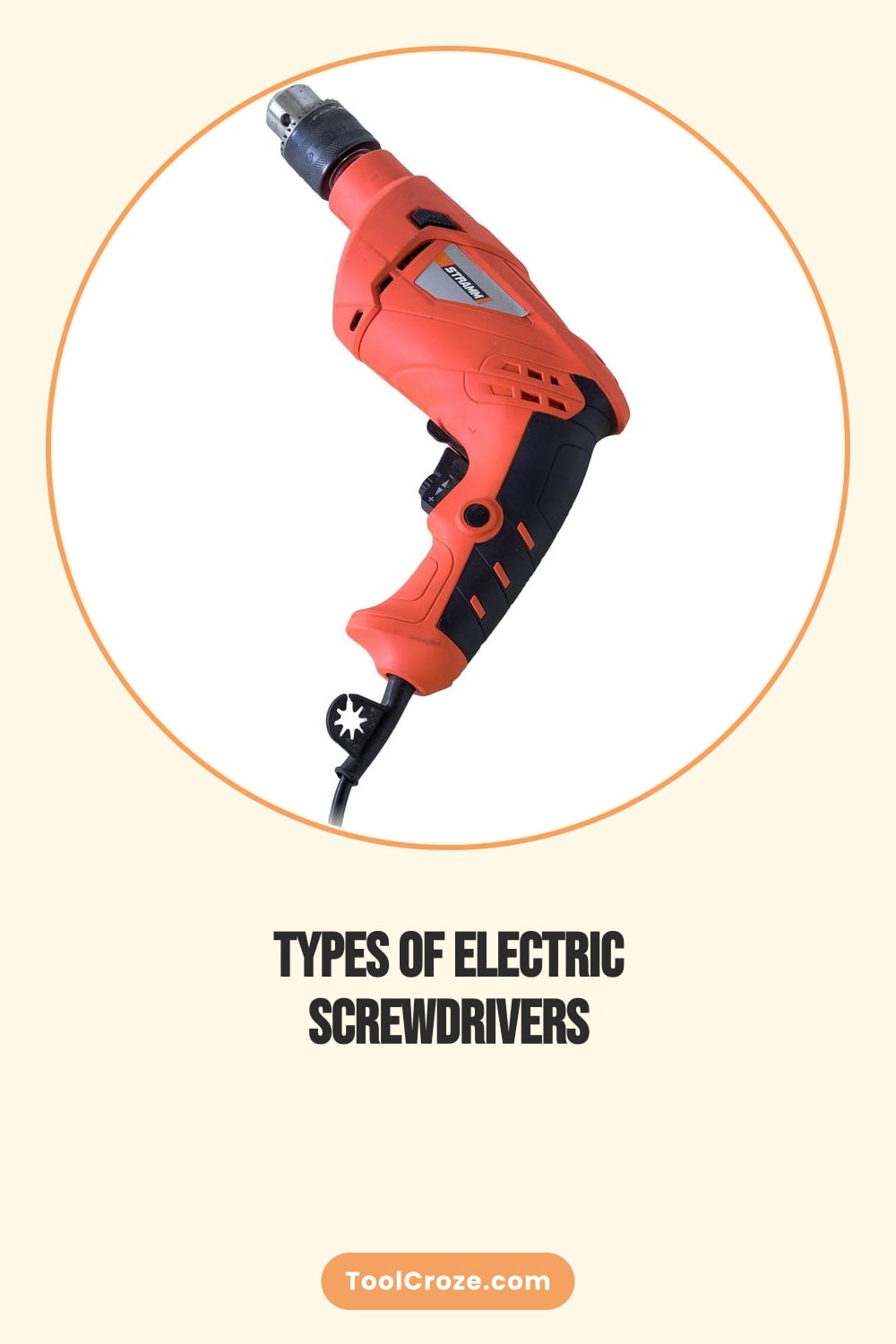
A good electric screwdriver can make a repair job less frustrating. When you use a manual screwdriver, your wrist can begin to hurt due to the physical effort of driving the screw with your hand. When you use an electric screwdriver, you simply have to press a button and the electric screwdriver will perform the task of driving the screw to the desired location.
Many different types of electric screwdrivers is available to fulfill the different needs of the electric screwdriver market. These electric screwdrivers include corded electric screwdrivers, cordless electric screwdrivers, ratcheting electric screwdrivers, impact drivers, precision electric screwdrivers, and specialty electric screwdrivers. Understanding the difference between each type of electric screwdriver will allow you to save money and avoid purchasing an additional tool in six months when you find yourself needing a tool with different capabilities.
Each variety of electric screwdriver are made with a specific job in mind. Each variety of electric screwdriver was developed to solve a particular problem in a specific task. If you understand the different problems solved by each variety of electric screwdriver, you can purchase the correct tool for your specific task to ensure the best results.
Common Types of Electric Screwdrivers to Use
1. Cordless Standard Electric Screwdriver
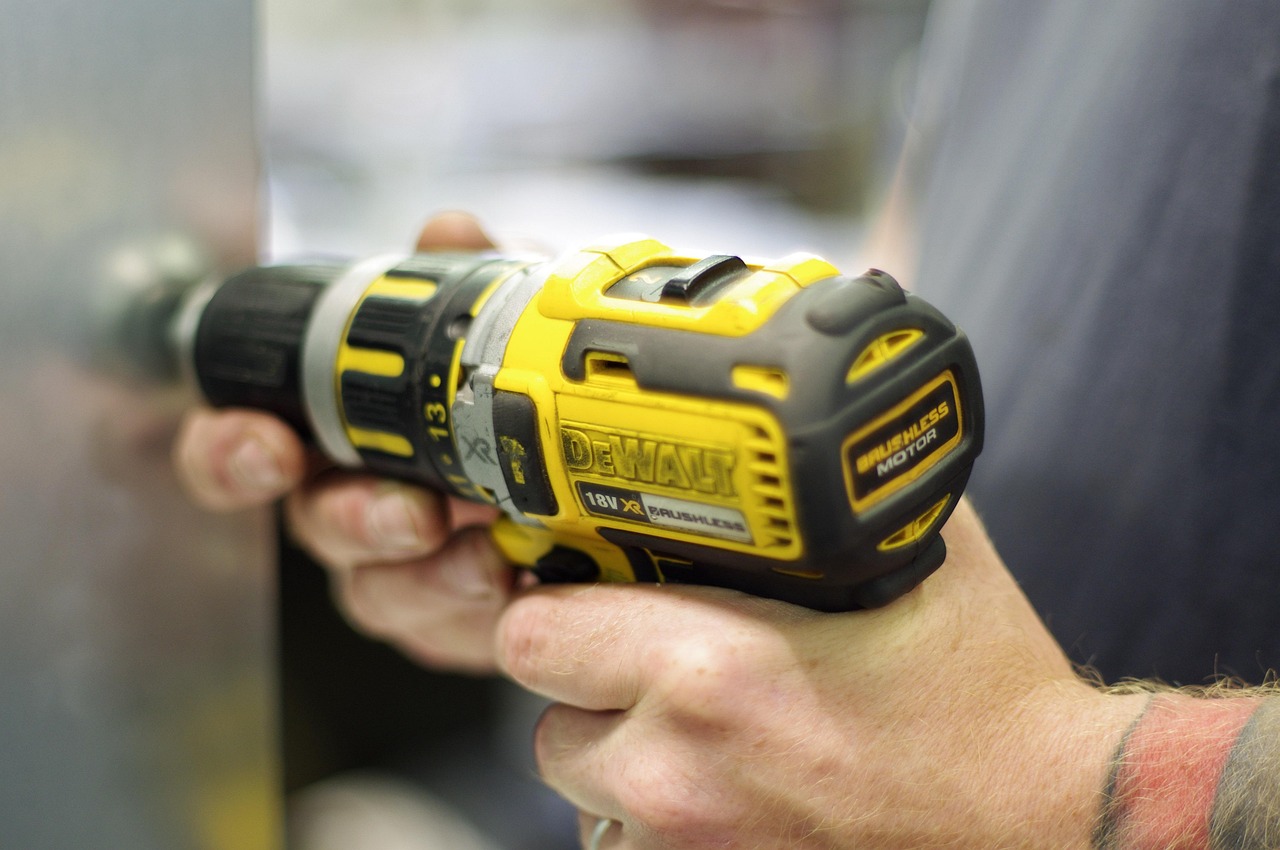
The following list of electric screwdriver varieties are presented in order of the frequency of there use. The most common type of electric screwdriver is the cordless standard electric screwdriver. These electric screwdrivers are cordless and have a pistol grip design that allows the user to hold the electric screwdriver comfortabley in their hand.
These electric screwdrivers utilize lithium-ion batteries that allow for long working periods without the need to change batteries. They have enough torque to complete a variety of common tasks. A cordless standard electric screwdriver can be used to drive a 3-inch screw into a piece of wood, as well as into the electronics that are found in various devices.
The best electric screwdrivers will weigh less than two pounds to allow the user to work in awkward positions for ten minutes without getting wrist fatigue. The battery will last an afternoon of work, which is sufficient for most tasks. However, if the battery die, you will be forced to use a manual screwdriver.
2. Impact Driver
Impact drivers have a similar appearance to cordless electric screwdrivers, but they have a different action when the trigger is pulled. Impact drivers deliver rapid bursts of rotational force that act like a hammer hitting the screwdriver bit at a rapid rate. This type of screwdriver is used to drive long lag bolts or to break free from screws that have become rusty over time.
Builders use impact drivers for tasks like building decks or metal frameworks. However, these drivers can be loud and do not allow for as much precision as other electric screwdrivers. It is not a good idea to use an impact driver to install cabinet hinges, for example, as it could damage the wood by stripping the screw hole.
3. Precision Electric Screwdriver
Precision electric screwdrivers are much smaller than other electric screwdrivers. They are approximately the size of a pen. Watchmakers, model makers, and people that work with electronic devices like laptops or phones use precision electric screwdrivers to install watch screws.
These electric screwdrivers include a dozen different bits for different sized screws and offer two or three torque settings that allow for the delicate components of a model or watch to be driven without snapping the screw. Some precision electric screwdrivers have a USB battery that will last several weeks of use. The benefit of the precision electric screwdriver is that it has a fine tip that enters tight spaces.
However, because of the less power provided by this electric screwdriver, it is only appropriate to be used on screws no larger than a number six screw. Any screw larger than a number six requires a full sized electric screwdriver to prevent snapping of the screw.
4. Right Angle Electric Screwdriver
Right angle electric screwdrivers are used to reach screws that are behind other components of an object. The motor of the electric screwdriver is perpendicular to the screwdriver bits. This allows for the electric screwdriver to reach screws that would hit against an opposite wall with a standard electric screwdriver. Electricians or HVAC technicians often use right angle electric screwdrivers to reach into joist bays or behind electrical boxes.
Newer electric screwdrivers in this category have higher torque due to improvements in gear ratios. However, they will weigh more than standard electric screwdrivers. It may take some getting used to the shape of these electric screwdrivers.
5. Corded Electric Screwdriver
Corded electric screwdrivers are good for people who do not want to have to wait for the electric screwdriver to charge, or for people who will need the electric screwdriver to run for extended periods of time. The cord allows for the electric screwdriver to have continuous power throughout the afternoon. Many workshops and woodworkers prefer corded electric screwdrivers.
The cord will limit the movement of the electric screwdriver, but will allow for the screw driver to run continuously without needing to recharge. Many corded electric screwdrivers have a speed control feature so that the user can slowly increase the speed rather than driving into the wood too quick.
6. Specialty Drywall Electric Screwdriver
Specialty drywall electric screwdrivers have an automatic clutch that will sink the screw to the proper depth each time. Drywall hangers or renovators use this tool because it will stop when the screw head is flush with the drywall paper. This prevents damage to the drywall if the person goes too deep into the paper, and it prevents screws from being too proud of the drywall surface. Most drywall electric screwdrivers have a collated magazine that automatically feeds the screws to the driver.
This allows for workers to work in a rhythmic fashion along a wall of drywall. Although they may seem unusual to the casual user, they have high speeds that make them efficiently on drywall jobs of any size.
7. Adjustable Torque Electric Screwdriver
Adjustable torque electric screwdrivers are an intermediate category between standard electric screwdrivers and precision electric screwdrivers. These electric screwdrivers allow the user to set the torque to specific inch-pound settings for common tasks. For example, if the user sets the electric screwdriver to a certain inch-pound setting, and the screw is driven to the end of its travel, the screwdriver will stop so as not to damage the screw. Furniture makers and boat builders use these electric screwdrivers so that all screws in a piece of furniture are equally tight.
These electric screwdrivers will be slightly bulkier than other varieties of electric screwdrivers, but allow for tasks to be completed in a consistent manner.
8. High Torque Electric Screwdriver
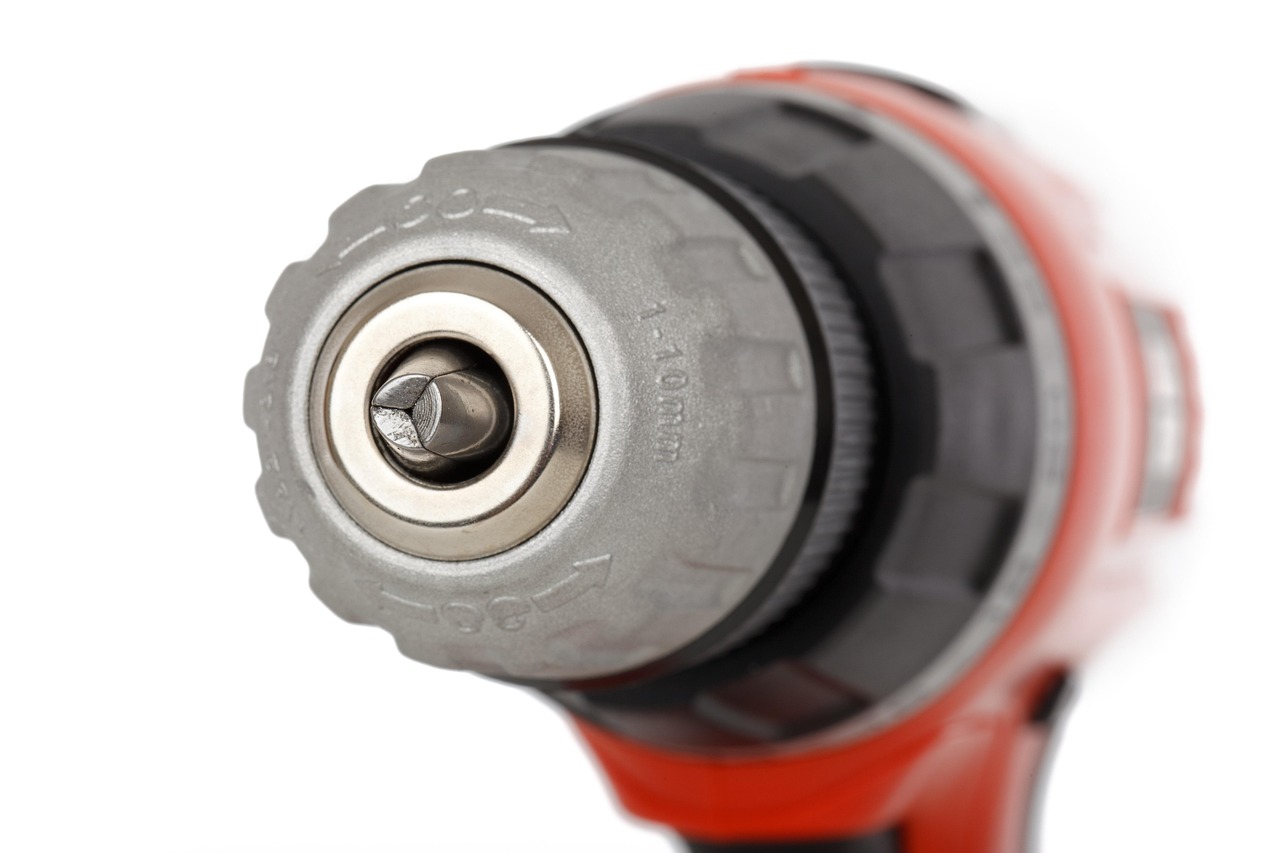
High-torque electric screwdriver models contain more power than standard electric screwdrivers. These electric screwdrivers are used to perform tasks with large screws that would not move other electric screwdrivers with lesser power. For example, construction crews use high-torque electric screwdrivers when they need to drive a long lag bolt into steel or hardwood. The batteries for these electric screwdrivers use the same 18-volt and 20-volt platforms as other professional tools. These high-torque electric screwdrivers will be very heavy in the users hand due to the extra power that they possess, making them unlikely to see use in a home workshop.
However, it is the best category of electric screwdriver if brute force is required. The different varieties of electric screwdrivers were created to fulfill different jobs. A tool that will work well for sheet metal screws would damage a circuit board if it was used in electronics.
Therefore, it is necessary to know the size of the screw, the material out of which it is to be made, and the location of the screw before purchasing an electric screwdriver. By developing this habit, you will find that the work will go more smoothly with the tool that you select. Before beginning a project, it is best to take thirty seconds to determine which type of electric screwdriver will best perform the task.
By selecting the correct electric screwdriver, your wrists will feel better, you will be more patient, and the final product will be better. The difference between an acceptable project and an outstanding project is often the electric screwdriver that you select to perform the task.
