
A productive afternoon are ruined when a hydraulic car lift dont function and a hydraulic car lift sits motionless. Often, when a car lift will not perform as it should, there is a whining noise emanating from the hydraulic pump and the arms of the lift appears to strain to raise the car that is positioned upon the lift. Each of these problem are serious in that they can cause lost time with the car lift, cause the customers that visit the shop to become unhappily with the service that they receive from the car mechanic, and cause the mechanic to become concerned that some expensive component of the lift has failed.
Most car mechanics and car hobbyists will encounter a situation in which a car lift will not rise at some point during they careers. The bad news is that most of the problems that contribute to a car lift that will not raise the car have identifiable causes and solutions that do not require the mechanic to take the lift apart. The following rundown of the reasons that a car lift will not rise are arranged from the easiest fix to the more involved fixes for the lift that require the mechanic to gather more tools to fix the issue.
Common Reasons a Hydraulic Car Lift Will Not Rise
1. Low Hydraulic Fluid Levels
One of the most common reasons that a hydraulic car lift will not rise is due to a low level of hydraulic fluid within the lift. If the fluid levels drop below the level that is marked by the vehicle and lift manufacturer, the lift will begin to attempt to pull air from within the lift rather than the hydraulic fluid required to raise the car. The air that is pulled into the lift will not be able to create the necessary hydraulic pressure to lift the car.
The mechanic should check the level of hydraulic fluid when the lift is cold and when the arms of the lift are fully lowered. If the fluid levels is low, the fluid should be topped off. If the fluid appears to be milky or foamy, it is mixed with air and the mechanic should bleed the lift before refilling the hydraulic fluid reservoir with the proper type of hydraulic fluid for that make and model of lift.
Most often, hydraulic oil is recommended (such as ISO 32 or AW 46 hydraulic oil). Any other type of oil can create problems with the lift. Adding hydraulic fluid will generally restore the full height to the lift.
2. Clogged or Damaged Inlet Filter
The second most common issue with a hydraulic lift that will not rise is due to a clogged or damaged inlet filter for the lift. Many lifts has a filter located somewhere along the lift that allows hydraulic oil to travel to the lift’s pistons. Over time, the filter can become clogged with oil sludge and shop debris.
If the lift experiences high resistance in attempting to push the car up, the lift may be experiencing this issue. If the filter is visibly clogged, you must replace the filter. Additionally, the mechanic should clean out the bottom of the reservoir to remove any settled debris that may again clog the new filter.
This procedure will take around twenty minutes to complete and will help to avoid having customers complain of the inability of the lift to lift the car.
3. Worn or Leaking Cylinder Seals
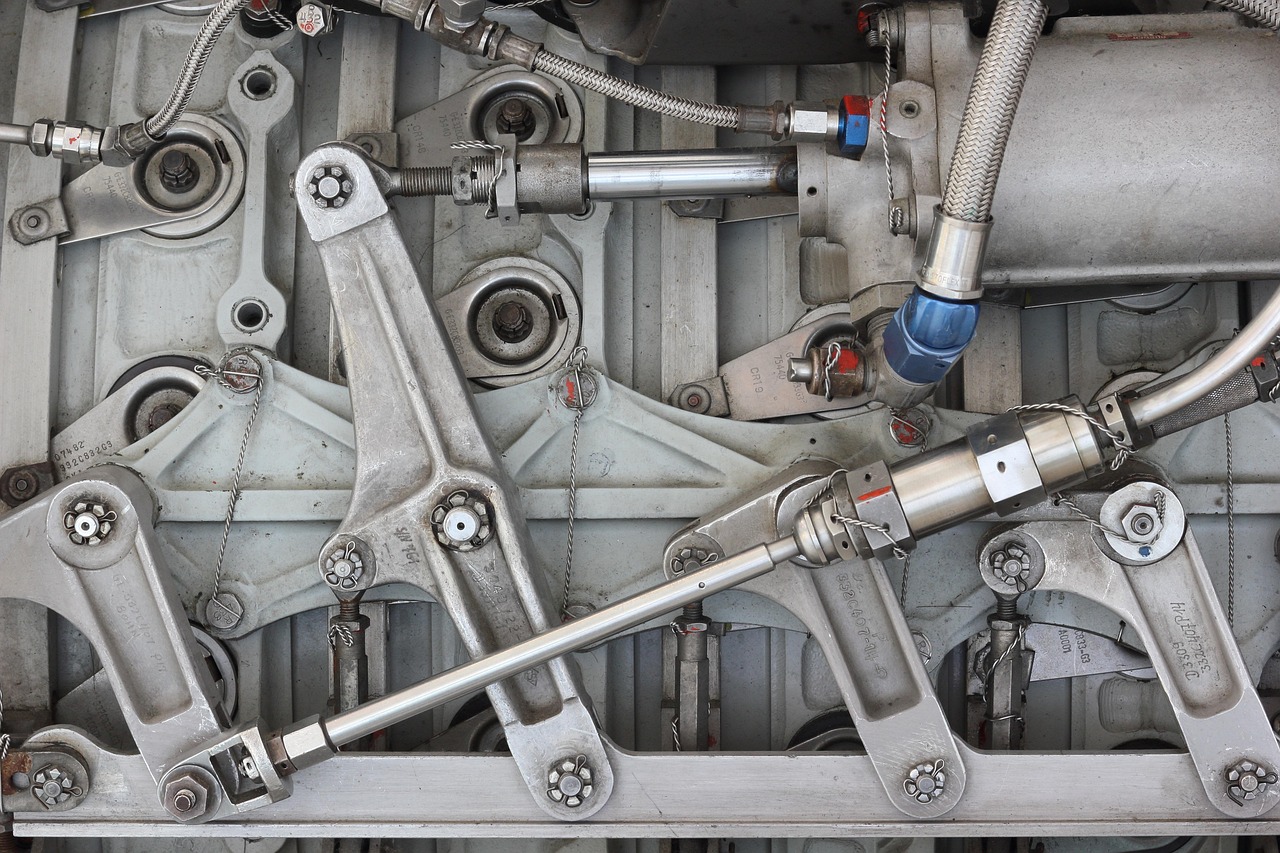
Worn or leaking seal within the cylinders can cause the same symptoms as a failed hydraulic pump. When the car is lifted with the hydraulics, the pressure that is created within the cylinders is necessary to keep the car from dropping back to the ground.
If the hydraulic fluid leak out of the seals, there will be no long-term ability for the lift to maintain that pressure within the cylinders. Additionally, there will be oil puddles on the ground beneath the lift. These types of seals are usually found within the two-post lift, as the cylinders are located within the columns that support the car lift.
If any of these seal are damaged, they can lead to a failed lift. The same explanation as for fluid levels applies for the cost of the cylinders and the benefit that they will provide to the lift once they are installed.
4. Failing Hydraulic Pump
The hydraulic pump itself may be the source of the problem with the lift. The pump could be failing internally and not being able to provide the necessary pressure to the lift. When there is no load upon the lift, the lift may rise when attempting to lift the car, but the car may drop once the lift attempts to exert the additional pressure to raise the car that is on the lift. Within the lift, a technician can test the hydraulic motor for whether or not it is functioning at full speed.
Additionally, the mechanic can pressure test the hydraulic system to determine whether the pump is creating the necessary hydraulic pressure to raise the car. This repair is more involved than the others and should of been completed later in the checkup of the lift.
5. Electrical Issues and Limit Switches
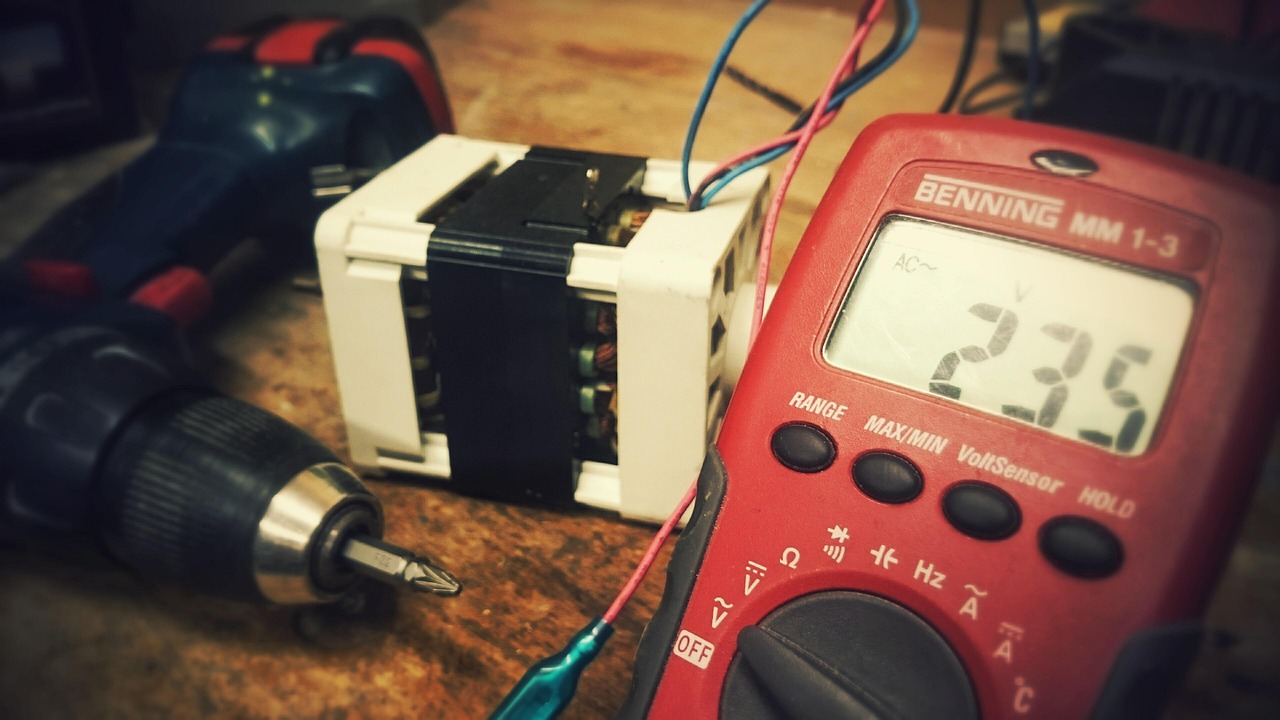
Electrical issue may be the cause of a car lift that will not rise. The lift that performed fine the previous day may suddenly not be able to raise the car. One of the most common electrical issues is with the limit switches that prevent the lift from rising to the maximum height. Preventing the car from rising to the maximum height will prevent the electrical system from allowing the lift to continue to rise.
In this instance, the lift would need to be checked with a multimeter to test the electrical system, as well as inspecting the relays for whether or not they click when the up-lift button is pressed. If not, there may be a safety interlock switch (such as a door switch on the lift) that is open the electrical circuit.
6. Blocked or Collapsed Return Lines
Blocked or collapsed return lines may prevent the lift from being able to return to the ground after raising the car. However, a blocked return line may also prevent the car lift from being able to raise the car. If the down-lift solenoid is not fully open, the lift may rise an inch or two, but then fall back to the ground. Feel the hydraulic hoses while the lift is in operation.
If one of the return lines is cool to the touch while the line that distributes the hydraulic fluid to the lift is hot to the touch, there is a potential kink in the hose. A kinked hose will prevent the fluid from properly flowing to the lift and will cause the lift to not reach the full height required for lifting the car.
7. Air in the Hydraulic System
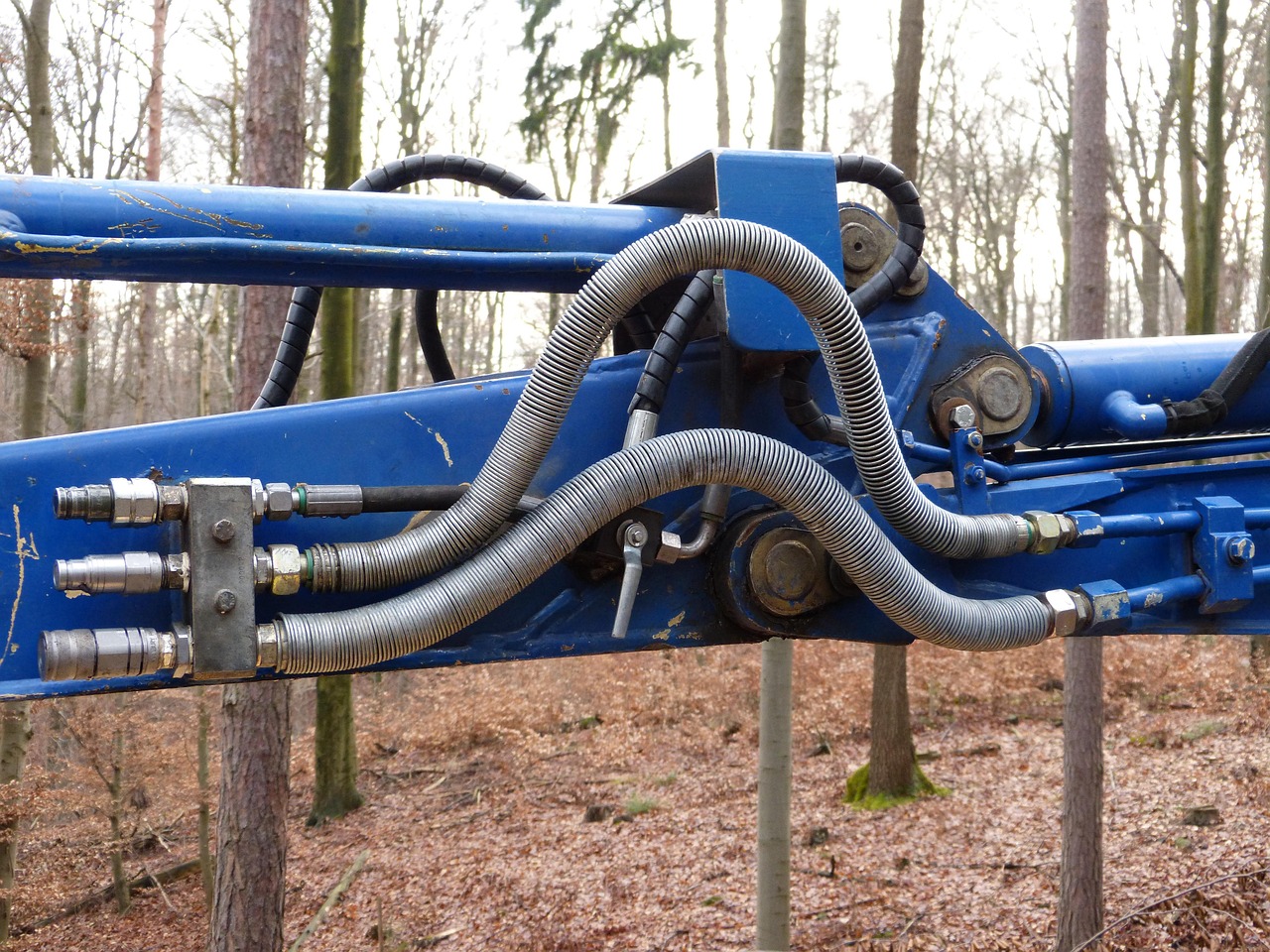
Air within the hydraulic system will prevent the car lift from raising the car that is placed upon the lift. Air is compressible and will allow the lift’s piston to rise only part of the way. This is likely the result of a recent resealing of the lift’s cylinders. To bleed the air from the lift, lower the lift to the ground, raise the car until the lift is at its maximum height, and hold the up-lift button for ten extra seconds.
Most hydraulic lift have bleed ports dedicated to the car lift’s cylinders. Open these ports and allow the hydraulic fluid to drain from the lift without any air bubbles; once drained, re-close the bleed ports. Following this process for a car lift that will not rise will generally resolve the problem.
Car lift problems are actualy quite simple. The system relies upon the use of hydraulic fluid to transform the force applied to the lift’s pistons into the rotary motion that operate the lift’s motor. As long as both the hydraulic fluid and the lift’s motor are properly maintained, the car lift will perform its job without ever receiving a complaint from the car mechanic.
Thus, if the next time the lift is having difficulty raising a car, the car mechanic will know where to start looking for the problem. By completing these checks and maintenance procedures for the lift, the car lift will remain in a good working condition for the years ahead.
