

A sharp chisel in your hand will change everything about the process of working with wood. With a sharp chisel, you can remove a perfect curl of shavings with a single tap of the chisel against the wood. The grain of the wood will look wet after you remove the curl of shavings.
However, if you use the wrong tool for the job, you will find that you are fighting against the grain and the wood the entire time you are working with it. Using the wrong tool for the job will result in the wood having torn edge and bruised areas. These areas will take hours of work to fix.
However, if you understand the different families of chisels, you can ensure that the wood will practially cooperate with you. Woodworkers of all time has relied upon chisels of many designs to cut and shape the lumber that they have worked with. The designs of chisels have remained the same since ancient times because each design was created to solve a particular problem.
The differences between chisel designs include the shape of the blade, the length of the blade, the thickness of the blade, the style of the handle, and the angle of the blade edge. Knowing these differences will allow woodworkers of all skill levels to recognize the proper tool that they should be using for each job. The types of chisels that this article will cover include bevel edge chisels, mortise chisels, paring chisels, and bench chisels.
Common Types of Woodworking Chisels
1. Bevel Edge Chisels
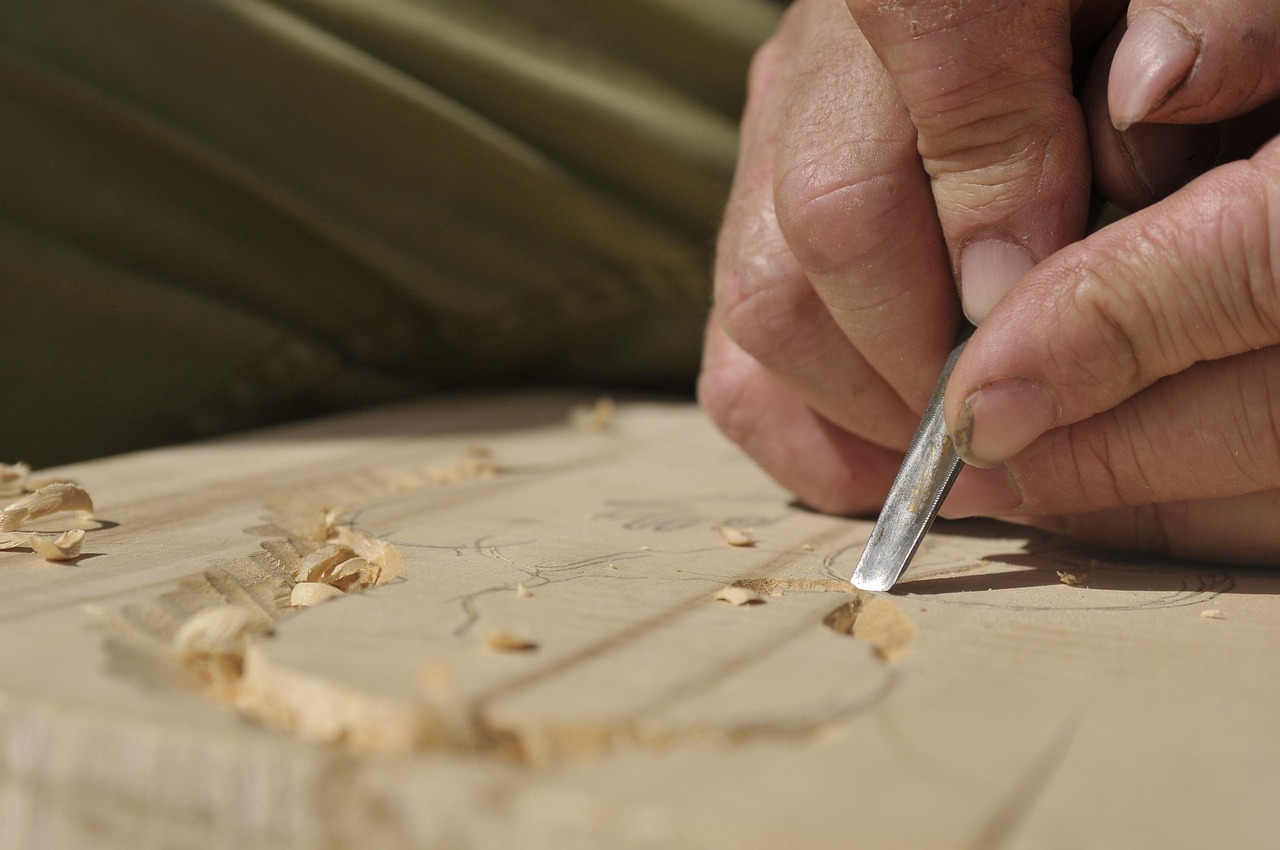
Bevel edge chisels are the most popular type of chisel that can be found in a toolbox, and they are a tool that every woodworker should own at least one pair of. The blades of bevel edge chisels have beveled sides that allow woodworkers to work in tight corners in their projects. Most sets of bevel edge chisels come in sizes ranging from one-quarter inch in width to one inch in width.
These sizes allow woodworkers to perform the majority of their tasks. Additionally, the beveled edges of these chisels make it easier for woodworkers to remove thin shavings of wood when performing tasks like hand-fitting of wooden joints. Bevel edge chisels are especially helpful for the combination of strength and delicacy that they present to woodworkers.
The blade of a bevel edge chisel is thick enough to take the strikes from a mallet. However, the narrow edges of the bevel edge chisel are thin enough to fit between pins of delicate wooden projects. Woodworkers can purchase these chisels with plastic handles that will take the blows from the mallet or wooden handles that are more comfortabley for the woodworker.
Woodworkers will find that once they have completed a few projects with the chisel, the chisel will feel like an extension of their arm. The only negative aspect of bevel edge chisels is that the thin bevelled edges may roll over if the chisel is applied to dense types of exotic wood. In this case, woodworkers should of have access to a sharpening stone.
2. Mortise Chisels
Mortise chisels are chisel designs that feature thick rectangular blades. These thick blades are able to take the force from a heavy mallet strike when removing mortise waste from deep mortises. The sides of a mortise chisel are straight and not bevelled like the bevel edge chisel so that it has maximum strength.
Typical mortise chisel sizes are three-eighths of an inch in width or one-half inch in width. The additional mass in the blade of a mortise chisel prevents the chisel from bending when removing mortise waste with strong mallet strikes. Many woodworkers note that the quality of the mortises improves when using mortise chisels.
However, the downside to mortise chisels is that they are too bulky for tasks like dovetail work. Instead, mortise chisels will sit beside the bevel edge chisel sets for projects involving mortise and tenon joints. Woodworkers who do not regularly work with mortise and tenon joints may get along with just using the bevel edge chisel.
3. Paring Chisels
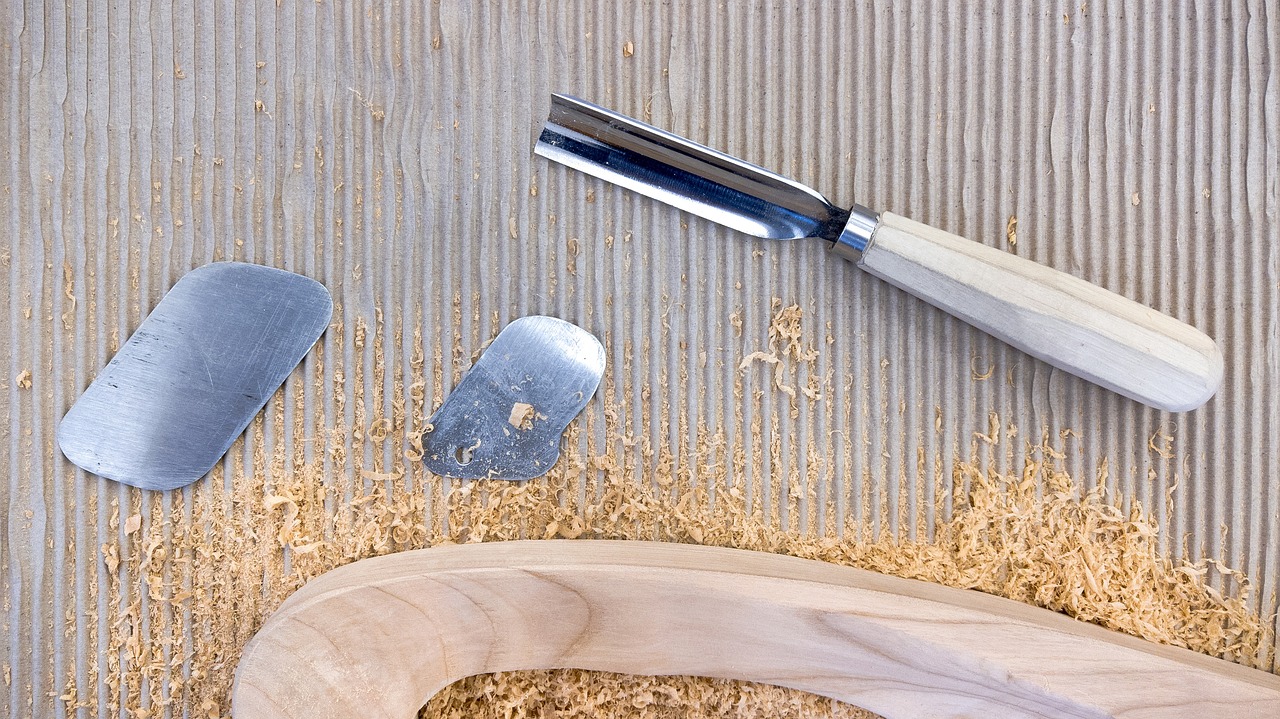
Paring chisels have long and thin blades. The woodworker pushes these types of chisels instead of hitting them with a wooden mallet. These chisels are used to remove small amounts of wood to fit joints perfectly.
The extra length of the paring chisel provides more control and leverage when using it. Additionally, the angle of the blade of a paring chisel is less than the other types of chisels, usually around twenty degrees. Typical sizes for paring chisels are ten inches or twelve inches from the handle of the chisel to the blade tip.
Paring chisels are used for tasks that require alot of precision. Such tasks include fitting dovetails, trimming the cheeks of tenons, and leveling the bottoms of grooves. The long blade of a paring chisel allows the woodworker to see exactly where the high spots are on the project.
Since paring chisel blades are thin, they do not take a mallet. Instead, the handles are lighter with some features such as a tang rather than a socket. Woodworkers will find that using paring chisels will allow them to get the thin shavings that keep them addicted to woodwork.
However, paring chisel blades are not made for removing much wood with the chisel.
4. Bench Chisels

Bench chisels come in many sizes and shapes. However, they remain in the middle in strength between the other types of chisels.
Many woodworkers use their set of bench chisels as their default set of chisels when performing their tasks. However, bench chisel blades are shorter and not as thick as mortise chisel blades but not as short and thin as paring chisel blades. The length of the blade of a bench chisel is usually around six inches.
Due to the relatively short length of the blade, bench chisels are easy to hold in one hand and to apply force with one hand while the other hand steadies the workpiece. Most bench chisel blades have a slight bevel ground into the edge of the chisel, but the bevel on a bench chisel is not as pronounced as the bevel on dovetail chisels. Bench chisels are a tool that has the ability to perform a variety of different tasks, but that does not excel in any one particular task.
Bench chisels can be used to chop mortises, pare tenons, and perform other various tasks in woodshop applications. This versatility of the bench chisel has made it a favorite tool of carpenters throughout the generations. The downside of bench chisels, however, is that there are some tasks that the tool is not created for, bench chisels are not long enough for the finest parings of wood, and bench chisels are not thick enough to perform mortising tasks.
5. Skew Chisels
Skew chisels were created to solve problems that the square-edged chisels could not solve alone. The cutting edge of a skew chisel is angled from the workpiece. The skew angle is usually between twenty and thirty degrees from perpendicular to the workpiece.
The angled edge of the skew chisel is useful in carving tasks that involve undercutting shoulders, or tasks that involve cutting into corners in the workpiece. Carvers and cabinetmakers use skew chisels of both the left and right angle to ensure that they can carve any angled task. Another important use of skew chisels is in cutting end grain of a through dovetail, or in trimming the inside corners of a carved relief.
Due to the angled edge of the skew chisel, the tool requires less effort to push into the end grain of the workpiece compared to a square-edged chisel of the same width. However, due to the angled edge of the skew chisel, it is more difficult to sharpen the tool. Instead of using a honing tool to sharpen the chisel as with other tools, the sharpening of the skew chisel requires more patience.
Once learned, though, how to properly use a skew chisel, woodworkers will find themselves wondering how they ever lived without one.
6. Gouge Chisels
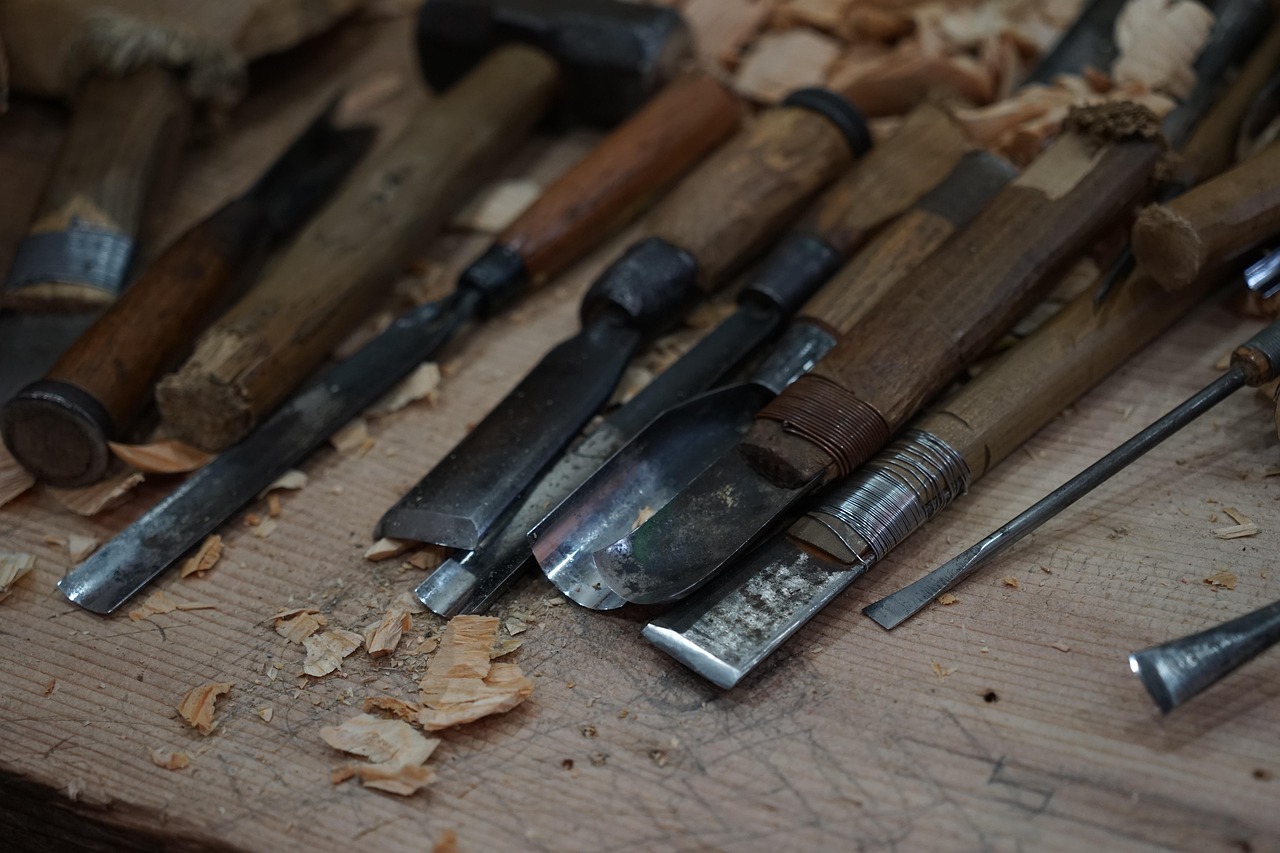
Gouge chisels are used in tasks that require the removal of material from the workpiece in the form of a hollow. Instead of the flat blades of other chisels, gouge chisels have blades that are concave or convex in cross-section.
These gouge chisels are used in carving in various sizes and sweeps. The most important of which are the medium sweep chisels, which are useful in creating hollows in the shape of chair seats or the interior of a bowl. In addition to carving tasks, gouge chisels have the advantage of being able to follow a three-dimensional path in the workpiece.
Therefore, woodturners also use gouge chisels to shape the workpiece while it is rotating on a lathe. However, because gouge chisel blades are relatively thin, they must be sharp and used with a light touch in the workpiece. Any dull gouge will tear the wood fibers apart and require sanding after cutting; defeating the purpose of using hand tools in the first place.
7. Corner Chisels
Corner chisels are used in tasks that involve cutting a right angle in the workpiece. Corner chisels are L-shaped tools with two cutting edges at right angles to one another. These two cutting edges allow the tool to square the corners of grooves in the workpiece.
While some corner chisels are traditionally forged as one piece, others feature a socket for replacing the blade. Some tasks that require the use of corner chisels are those that require the installation of hardware or cutting a recess for a recessed hardware component. Corner chisel features allow it to perform these tasks that a narrow chisel could not perform.
However, due to the specialized nature of corner chisels, they are not a tool that is used in most workshops each day. The cutting edges of a corner chisel must be sharpened periodically, and the tool must be stored appropriately to prevent the sharpening edges from becoming chipped.
8. Japanese Chisels
Japanese chisels are a tool that some woodworkers prefer to Western chisel designs.
Most Japanese chisel blades feature a laminated blade with a steel edge welded to the iron back of the blade. The steel edge is sharpened to a point so that the blade features a hollow on the back of the blade. The handles of these tools are typically made of oak or ho wood and a metal hammer strikes them.
Japanese chisels are considered to be one of the most efficient tools in the woodworker’s workshop. The steel edge of the blade holds an edge longer than other chisels, and the hollow grind of the blade reduces the friction between the tool and the workpiece. Japanese chisel blades can be used for both heavy chopping tasks and delicate carving tasks once the slightly different technique for sharpening and using the tool is learned.
However, the downside to using Japanese chisel tools is that the wooden handles can split if they are struck too hard with a metal hammer. Another downside to the tool is cost; Japanese chisel tools are more expensive than most Western chisel tools. Nonetheless, most woodworkers who have used Japanese chisels find themselves with one or two in their workshop tools kit for specific tasks.
No matter which chisels you choose to buy, the real secret to using them effectively is to learn how to read the wood and adjust your approach to any given piece of timber accordingly. The bevel edge tool that can easily cut through cherry wood might struggle with oak unless you adjust the angle of the chisel’s bevel or swap to a blade that is thicker. Your body will eventually remember the feel of each type of chisel, and your workshop will eventually find its own groove with each type of tool.
Start with a more modest set of chisels. Keep them sharp enough to shave hair off your arm. Do these things, and the wood will begin to reveal itself.
The first perfect joint that you create with a chisel that you cut entirely by hand will never get old. This moment marks the moment when your tool becomes your partner in the craft.
