
Welding is a process that may seem very dramatic and impressive to the outside observer. When welding, the environment around the welder is essentially hidden behind a curtain of spark that fly from the metal being welded. However, the welding process is actualy a very dangerous process for welder to complete.
Welding emits ultraviolet rays that can burn the retinas of welders in a matter of seconds. Additionally, droplets of the metal that is being welded can become embedded into the skin of welder during the welding process. Welding also releases fumes that can damage the lung of welders over many years.
One careless session with a welding torch can cause those welders to lose there eyesight, the use of their hands, or even exacerbate the injuries that can be sustained from welding. The difference between a welder that welds for a hobby and one that suffers from the detrimental effects of welding is usually the safety gear that they use before performing welding task with there welding torch. Good safety gear for welders will allow for welders to perform welding tasks with more confidence.
Welding equipment that reduces the dread of welding tasks will allow welders to focus on the welding task that they are to accomplish instead of continually worrying about the dangers that could emerge from their welding tasks. The following discussion will describe the type of welding equipment that welders should purchase, the reason why each of these welding tools is important, and a description of how to choose welding equipment that will be the most useful to those welders instead of one that may sit in a welder’s workshop for years without ever being used. Welders should always ensure that they have proper welding helmet.
Essential Welding Safety Equipment For Every Welder
1. Welding Helmets
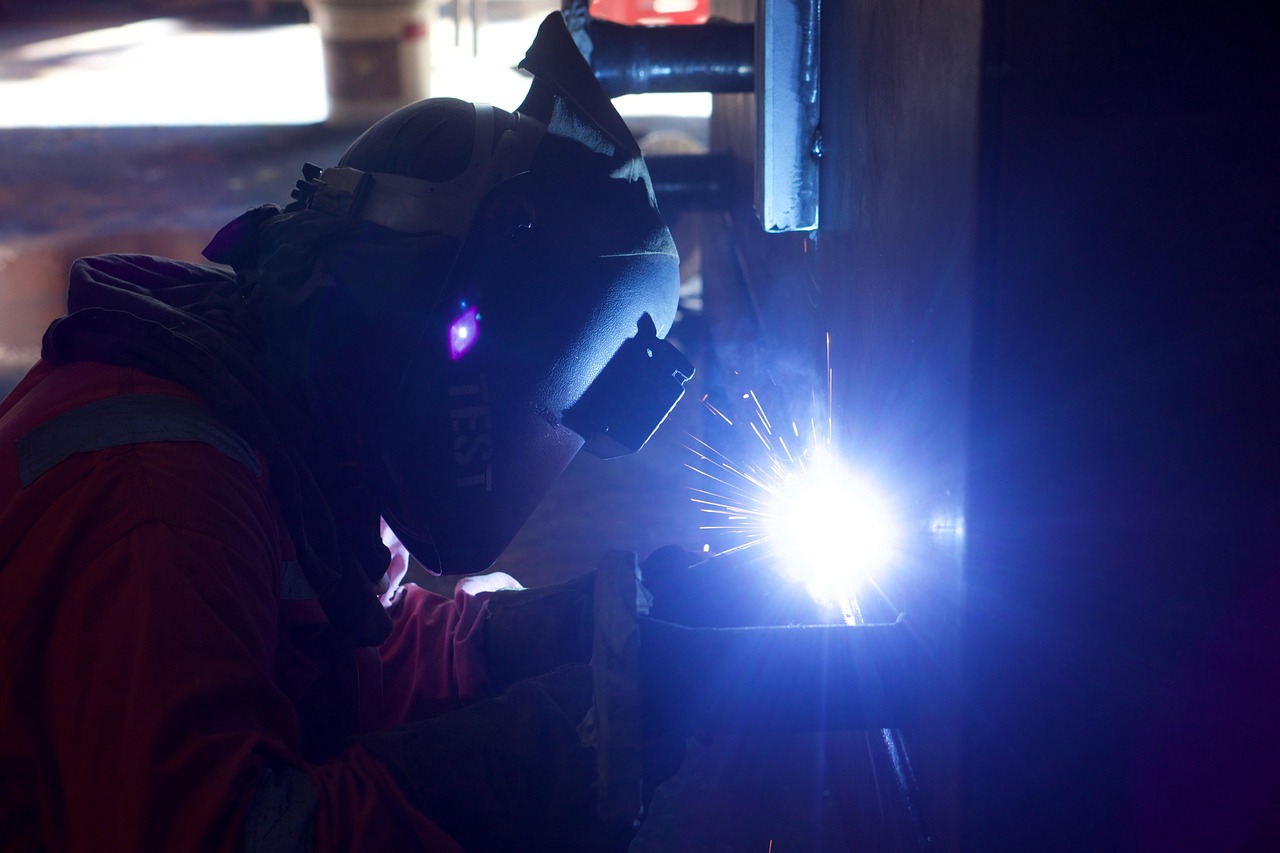
Welding helmets will protect the welders eyes, one of the features that cannot be replaced. Moddern welding helmets include auto-darkening lenses that respond to welding tasks in less than one ten-thousandth of a second. These lenses will change from a clear state to a shaded state the instant that a welder initiates a welding task.
This allows welders to tack a weld and to view the position of the welding electrode prior to continuing welding tasks. Welding helmets that welders purchase should be ones that are rated for both MIG welding and TIG welding task. TIG welding tasks utilize lower amperage settings than MIG welding tasks, yet the welding process still emits enough ultraviolet (UV) radiation that could damage the retinas of welders if the welding helmet uses too light of a shade setting for its welding lens.
Welding helmets that provide adjustable settings for welders’ welding tasks will reduce the headache and neck strain that welders often experience. While purchasing a cheap welding helmet may save a welder twenty dollar today, the welder will experience headaches and neck strain in the future after performing welding tasks. Welders should also consider the type of respiratory protection that will best protect there breathing tasks.
2. Respiratory Protection
Welding fumes contain chemical that can cause the airways of welders to become inflamed and that can eventually lead to neurological issue. For these reasons, welders should use a half-mask with P100 filter for the majority of welding tasks in the workshop at home. However, if the welder is welding galvanized metal or using flux-core welding wire indoors, a respirator that pushes filtered air over the welders face may be the best choice for respiratory protection.
These respirators may be more costly and bulkier than half-mask respirators, but they are a better investment for welders that wish to avoid the metallic taste in their mouths and headaches that is caused by fumes.
3. Leather Welding Gloves
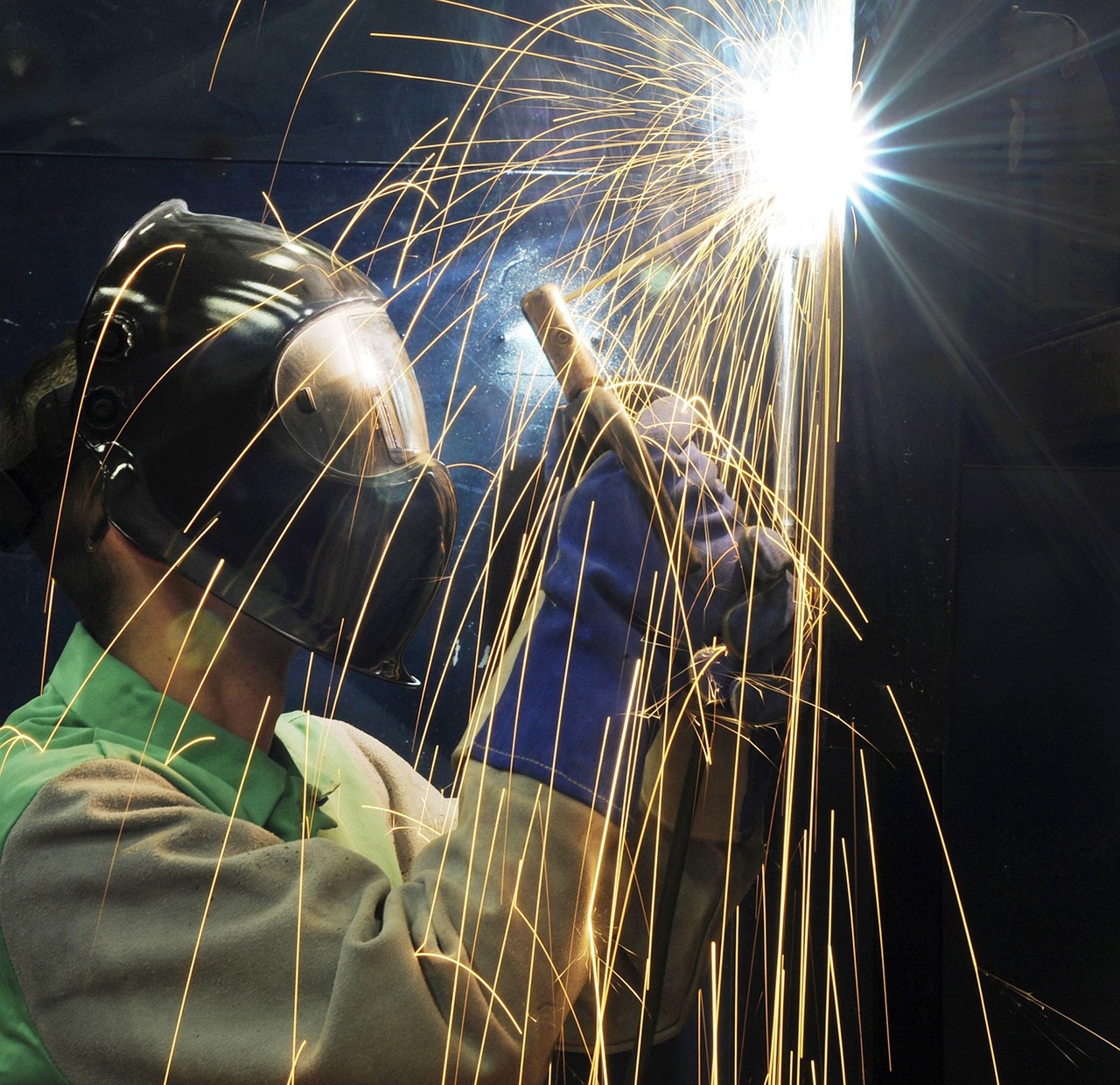
Leather welding gloves are important for protection of the welder’s hands. Welding gloves should reach the gauntlet style for protection of the welders arms from sparks.
The back of the gloves should contain goatskin for flexibility, while the palms should contain cowhide for protection of the welders skin from abrasions on the welding tasks. Welding gloves should have welted seams, meaning that a strip of leather is included between the layers of the leather to protect the welders skin from any burns from the molten metal. Welding gloves should be immediately replace if the palm of the glove begins to thin due to exposure to the metal at three thousand degrees.
While some welders prefer welding gloves that are specific to TIG welding, these gloves are thicker and may impede the hand movements of welders that are performing complex welding tasks. These types of gloves should be used as a second pair of gloves instead of the primary protection of the welders skin.
4. Welding Jackets or Cape Sleeves
Welders should also have a welding jacket or cape sleeve to protect the welder from burns from sparks.
Welders can use flame-resistant cotton for occasional welding tasks, but the best material to use is leather. Leather softens with use until it is as comfortable to the welders skin as a second skin. The leather also provides protection of the welders skin from burns from sparks that would burn the cloth in a few seconds.
A welding jacket should have an appropriate cut to the welders shoulders to avoid discomfort when the welder has to reach overhead with their welding tasks. The welding jacket should feature adjustable cuffs and a stand-up collar that will keep the welder’s body from entering there welding jacket. Welders should also wear boots that are protected against electrical hazards and that can withstand impact.
5. Protective Welding Boots
Welding tasks may result in metal droplets that may land on the welders feet. Additionally, the shoes should feature heat-resistant soles to protect the welders feet. Additionally, the soles of the boots should be constructed in a way that avoids picking up any nails or slag from the welding tasks.
Lace-up boots with metatarsal guards are the best style of welding boots. However, many welders prefer slip-on welding boots so that they can quickly change shoes once they exit from the welding booth. Welders should ensure that the cuffs of their pants remain outside of there boots.
The appearance of rolled pants cuffs may be impressive while welding, but the sparks from the welding tasks may melt through the welders sock.
6. Ear Protection
Welders should use ear protection to avoid the danger of spatter from welding tasks entering the welders ears. Foam earplugs or ear muffs may be used to reduce the noise of the welding tasks.
If other tasks are being performed in the same workspace with welders as well, like grinding or plasma cutting, welders should also utilize earplugs and ear muffs. Welding tasks are performed often over many years, so the prevention of hearing loss over time is beneficial. Additionally, good ear muffs will not allow the welding helmet to pinch the welders ears, which is a relief after welding for four hour.
7. Fire Blankets
Welders should also have a dedicated set of leathers or fire blanket that is kept within arm’s reach. These tools may be needed to enter a confined space or to weld close to flammable materials. Using a blanket to smother any sparks will prevent any fire from starting.
Fire blankets may be the last line of defense for welders. While welders do not wish to have to rely on there fire blankets in the future, they need to feel as if they are protected from fire. These welding safety tools and equipment create a system for welders instead of being a random collection of equipment.
When the welder places the welding helmet against the welding jacket, when the welder places the leather welding gloves into the welding sleeves, and when the welder places the respirator under the welding helmet, welders will feel as if they are focused on the weld instead of their safety. When welders no longer have to consider their safety while welding, they can focus on developing welding skill. The best welders do not necessarily have the best control over there hands while welding tasks, but they have removed all of the distraction from there minds that fear puts into there minds concerning welding tasks.
Before performing welding tasks, welders should take an inventory of the welding safety equipment that they have purchased for themselves. Upgrading certain welding safety tools may prevent welders from developing the lifetime of regret and scars that some may develop without proper protection. While the metal will be present in the welders shop in the future, there eyes, lungs, and skin must be present to perform there welding tasks efficiently.
