
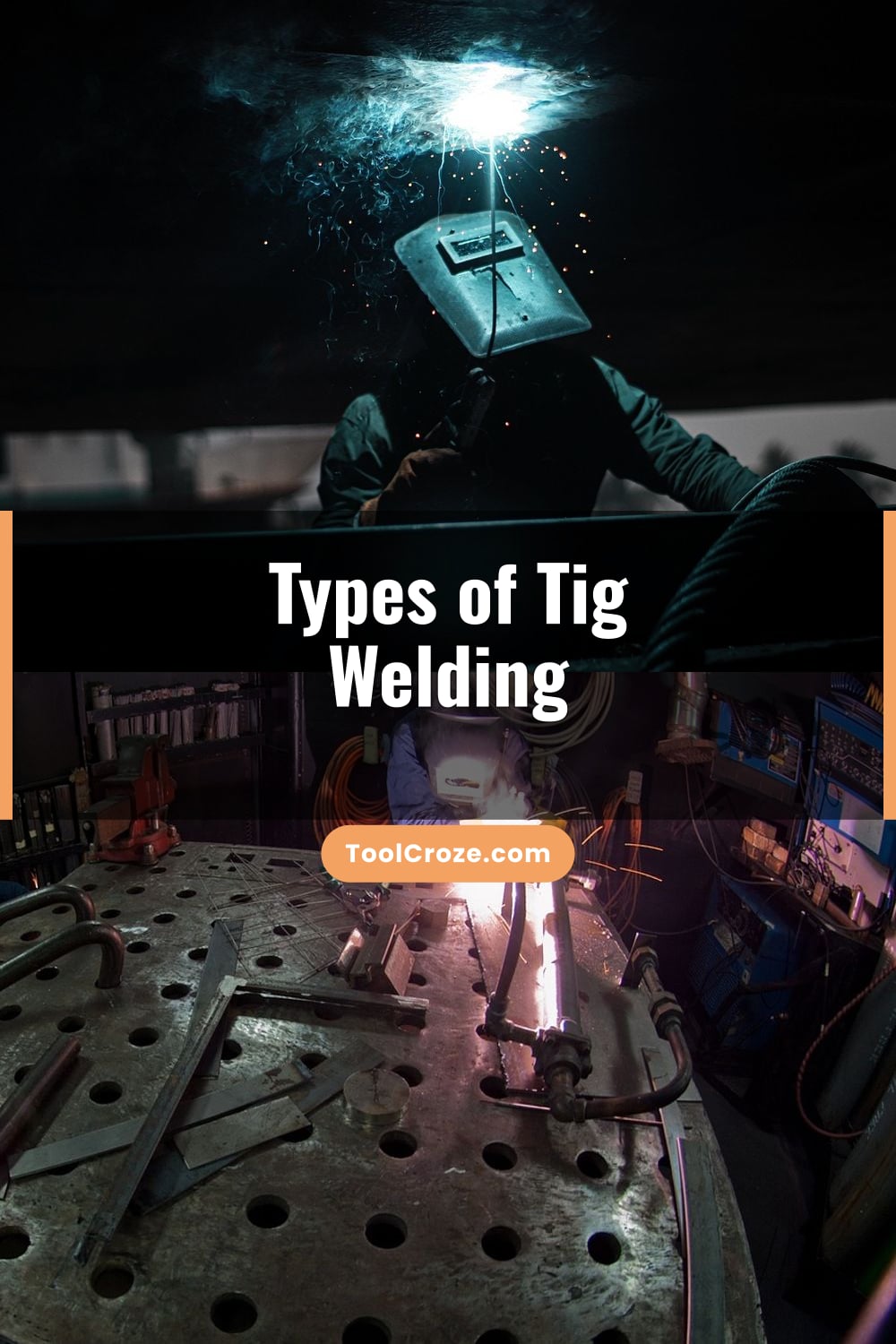
TIG welding is one of the most precise ways to join metal, and TIG welding is also one of the most versatile ways to join metal. TIG welding processes delivers clean weld beads and offer the welder excellent control over the amount of heat that is deposited into the metals being welded together. Furthermore, there is various types of metals that can be welded with the TIG welding process, from metals that are as thin as razor-thin aluminum sheets to metals as thick as stainless steel sheets.
Despite the versatility of the TIG welding process, though, there are actualy several different types of TIG welding techniques. Each of these different types employs different types of tungsten welding electrodes, shielding gases, types of welding current, and strategies for adding filler metal to the weld. Each of these different types can be considered a separate welding skill.
Furthermore, each type of TIG welding is associated with a particular project and can result in welds that look like jewelry when performed with skill; however, using the wrong types of TIG welding processes can lead to welds that crack before they is finished welding. Each type of TIG welding has specific uses for solving a particular problem that may arise during welding. Some types may solve problems associated with metals that are thick and heavy, while other types may be used with metals that are thin and easily damage during welding operations.
Yet other types of TIG welding can be used to solve problems associated with metals that present an oxide layer on their metals, such as aluminum. Furthermore, each of these types of TIG welding can be used to create welds with specific characteristics that is required for specific types of projects. Direct current electrode negative TIG welding, or DCEN welding, is the most common form of TIG welding that is used in manufacturing shops.
Different Types of TIG Welding Techniques
1. Direct Current Electrode Negative (DCEN) TIG Welding
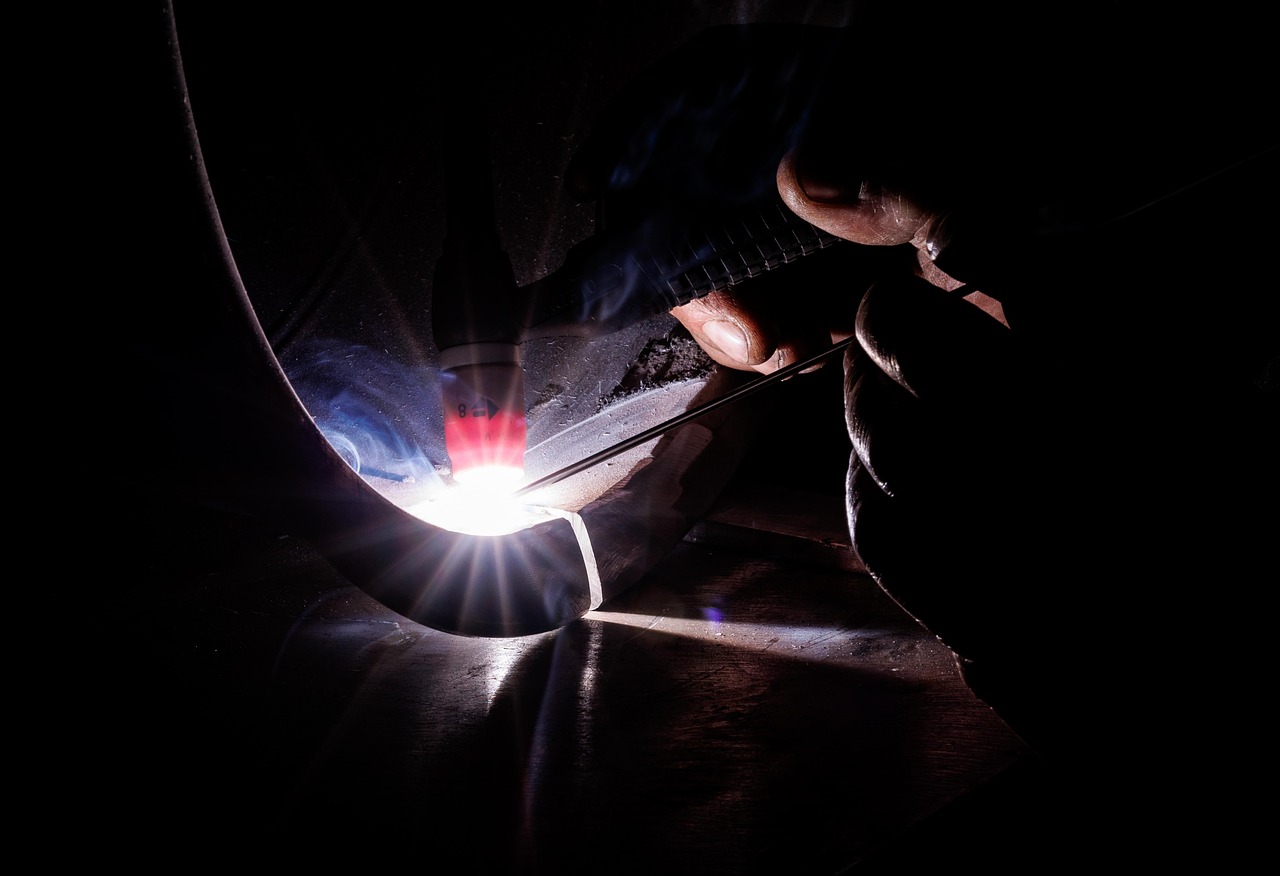
In DCEN welding, the welder connects the welding electrode made of tungsten to the negative electrical pole of the welding machine. As a result, the majority of the heat from the welding process is directed into the metal workpiece rather than into the tungsten electrode. DCEN welding is often used to weld metals like steel, stainless steel, titanium, and even copper.
The advantage of using DCEN welding is that the tungsten electrode does not become too hot during the welding process; as a result, it can be shaped into a sharp point. This sharp point is often helpful in welding metals that have narrow joints or thin walls of metal. However, DCEN welding is more difficult to use on metals like aluminum; the welding process does not provide the “cleaning” action that is required to remove the oxide layer from the metal.
2. Alternating Current (AC) TIG Welding
Alternating current TIG welding, or AC TIG welding, connects the tungsten electrode to the negative electrical pole of the welding equipment for half of the welding cycle, and connects the electrode to the positive electrical pole of the welding equipment for the second half of the welding cycle. During the positive half cycle, the welding current functions to remove the oxide layer from metals like aluminum and magnesium. During the negative half of the welding cycle, the welding current penetrates the metal workpiece.
Because of these properties of AC TIG welding, it is the welding process of choice for welding metals that are created with aluminum, such as aircraft frames and boat hulls. Moddern AC TIG welding machines allow the welder to adjust the welding cycle to increase either the cleaning or the penetration of the metal workpiece. Furthermore, the weld puddle that forms during AC TIG welding tends to be more fluidly than the puddle created during DCEN welding.
Furthermore, the angle of the welding torch relative to the metal workpiece also changes when performing AC TIG welding in comparison to DCEN welding. By mastering the AC TIG welding process, welders can create welds that require little to no cleaning prior to anodizing or painting operations.
3. Pulsed TIG Welding
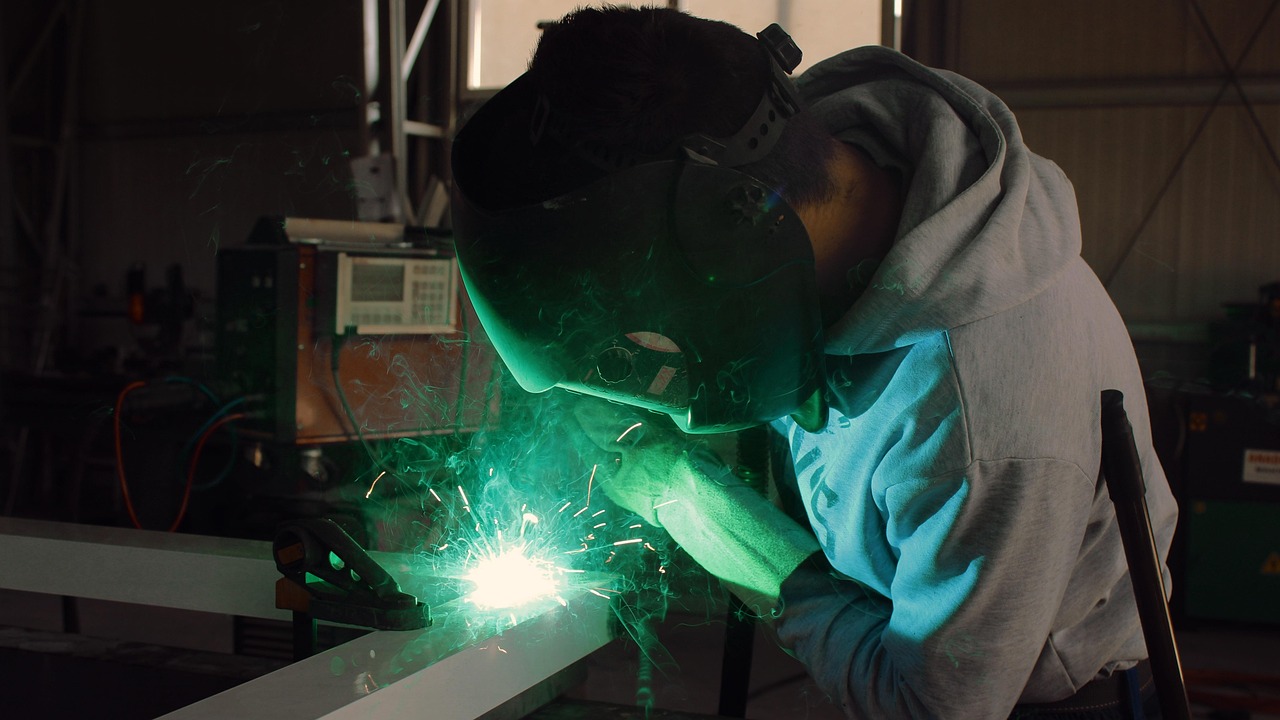
Pulsed TIG welding uses either alternating or direct current, and pulses the welding current up and down at a set frequency during welding operations.
Because the weld pool has periods of time when it freezes during the welding process, pulsed TIG welding is beneficial for welding thin sheet metal without causing the thin metal to sag during welding operations. Additionally, because the pool freezes during welding operations, welding distortion can be avoided when welding thin sheet metals. Furthermore, since higher amounts of amps can be used during the pulses of pulsed TIG welding, welding metals together with good fusion without burning through them can be achieved.
TIG welding can be used for welding 0.020-inch stainless foil in the aerospace industry as well as for repairing thin aluminum cases for motorcycles without warping the bore of the cases. The learning curve for Pulsed TIG welding is steeper than other forms of welding since welders have to learn to coordinate the speed of the welding torch with the pulse timing. However, once welders understand the proper timing for the pulse signal, the welds created with Pulsed TIG will appear as if they were machined.
4. Orbital TIG Welding
Another type of TIG welding that utilizes automation to perform the welding is called Orbital TIG welding. Orbital welding requires a mechanical torch to rotate around a fixed pipe while the welding power supply follows a program to determine the welding parameters. Once the operator sets these parameters, the welder closes the clamshell of the welding torch and walks away from the weld.
Orbital welding is used to weld critical components of the nuclear industry, pharmaceutical industry, and the production of high-pressure steam systems. In these industries, every weld must pass an X-ray test to ensure it passes quality control measures on the first try. Since Orbital welding machines do not get tired and do not have bad welding days like humans do, the welding quality from Orbital TIG welders is excellent.
However, the major downside to Orbital TIG welding is the high cost of the welding equipment. Orbital welding equipment pays for itself when the production machine is welding numerous identical joints. Orbital TIG welding does not make sense for one-off projects for artistic work.
However, the precision with which Orbital welders can weld makes it unbeatable for production work.
5. Spot Welding
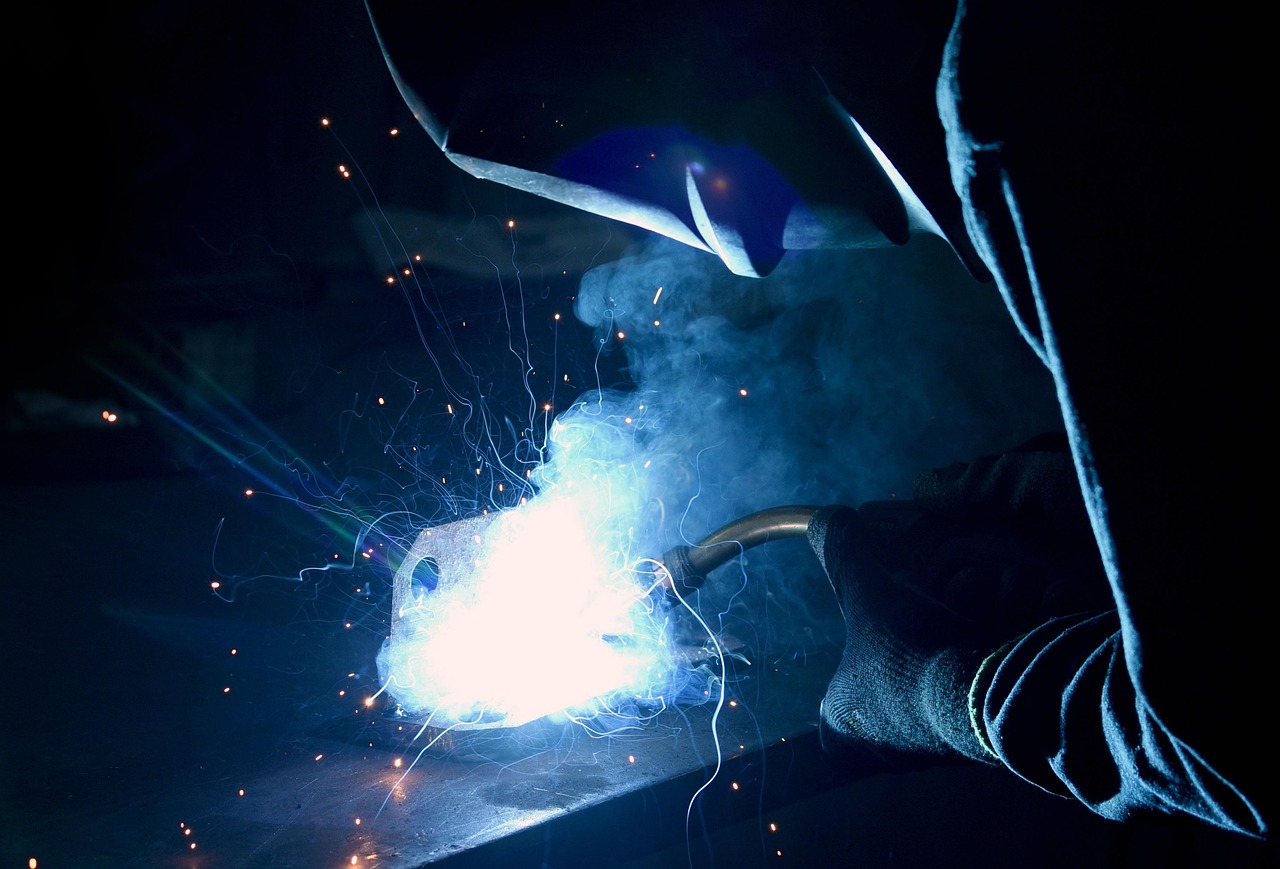
Spot welding, also known as tack welding or stitch welding, involves welding two components together using a burst of welding current that lasts less than one second. No filler metal is added when spot welding.
Spot welding is used as a way to hold complex structures together until the final weld of the project. The fabrication of race cars uses spot welding to stitch thin chrome-moly tubing together to minimize the shifting of the tubes during the welding process. Since spot welding is a type of autogenous welding, the spot welding process creates a weld that is clean and minimizes the
